Start by identifying the birds that visit your yard in your region and season. Then improve their food, water, and cover. A feeder is optional: add one only if you can keep it clean and deal with window and cat hazards. Pick the guide below that fits what you saw.
Which birds are visiting your yard?
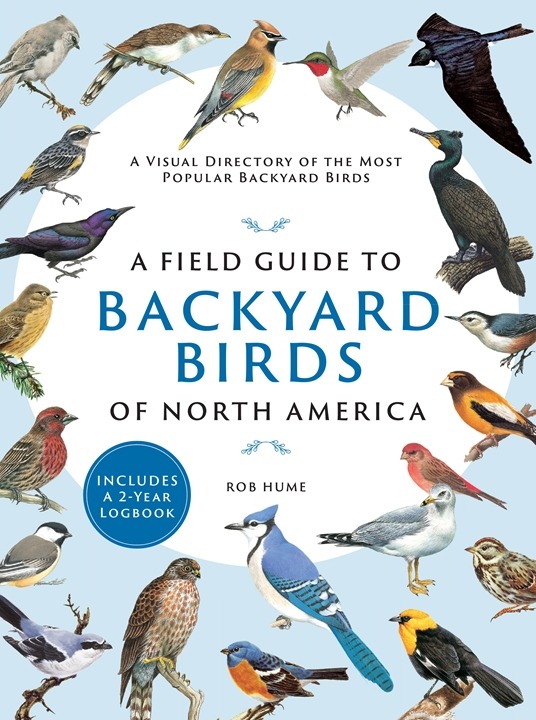
The birds you see depend on where you live, the season, and the habitat around your home. A bright bird outside your window could be any of several species. Shape, markings, and behavior narrow it down.
Start with the outline. Was it compact and round, long-tailed, or broad-winged? Did it move through a shrub, hop across a lawn, or stay high in a tree? Settle that before you try to name a shade of red or brown.
| What you notice | What it helps you compare |
|---|---|
| Size and overall shape | Body proportions, silhouette, head, bill, and tail |
| Color and pattern | Wing markings, contrasting patches, and streaks |
| Behavior | Perching, flight, movement, and where the bird forages |
| Location and season | Species found in that US region at that time |
| Sound | Calls or songs that separate similar species |
A crested bird with blue, black, and white wing markings in the eastern United States is likely a Blue Jay. A crested bird with a dark head and blue lower body in a western conifer setting points to Steller’s Jay. Location and field marks work together; neither alone settles it.
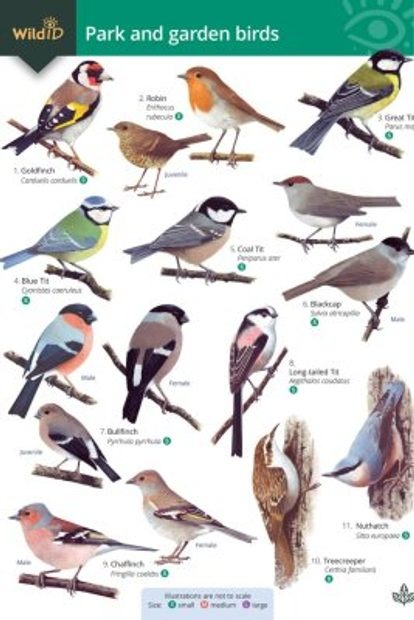
Write down your state or region, the date, approximate size, silhouette, strongest markings, and behavior. Compare your notes with a guide such as Cornell Project FeederWatch’s identification resources. If two species still fit, record the ID as uncertain.
Cornell’s All About Birds lets you browse by shape. FeederWatch sorts feeder birds by region, food, and feeder type, which helps if you saw the bird eating.
FeederWatch divides its winter feeder-bird lists into Northeast, Northwest, Southeast, and Southwest. Pick your region first.
Use the bird identification guide to compare finches and sparrows, robins and other thrushes, crows and jays, woodpeckers, and hummingbirds. Start with the groups found in your region and season.
What does a bird-friendly yard provide?
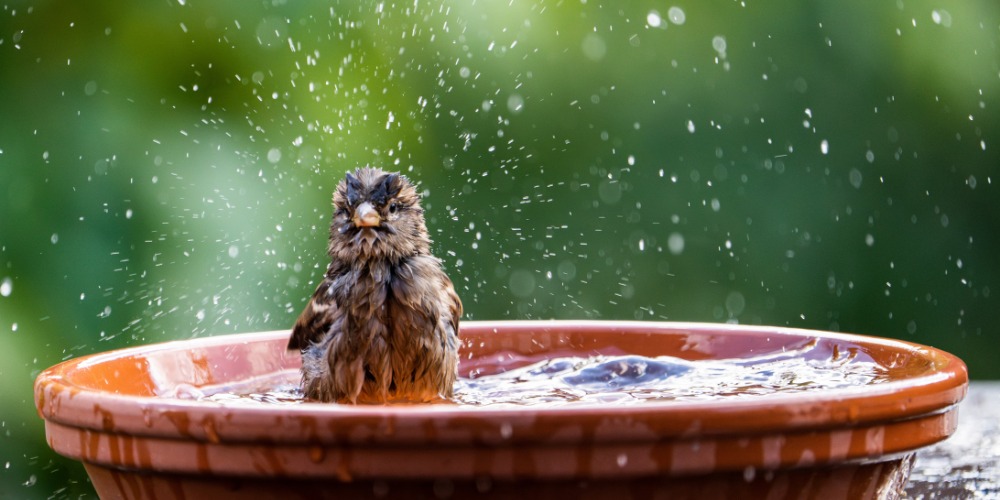
Birds use yards for food, water, and shelter. A feeder gives them one concentrated food source. Living vegetation supplies insects, seeds, fruit, and nectar, plus places to forage or take cover.
Plants at several heights give birds different kinds of space. Perennials provide seeds and insect habitat near the ground, shrubs offer denser cover, and trees add a higher layer for perching and foraging. All of this shifts with the seasons.
Look at your outdoor space with three questions:
- Food: Do locally suitable plants support insects or provide seeds, fruit, or nectar?
- Water: Is shallow, accessible water available in a feature you can maintain?
- Cover: Is there vegetation at different heights where birds can shelter from weather or disturbance?
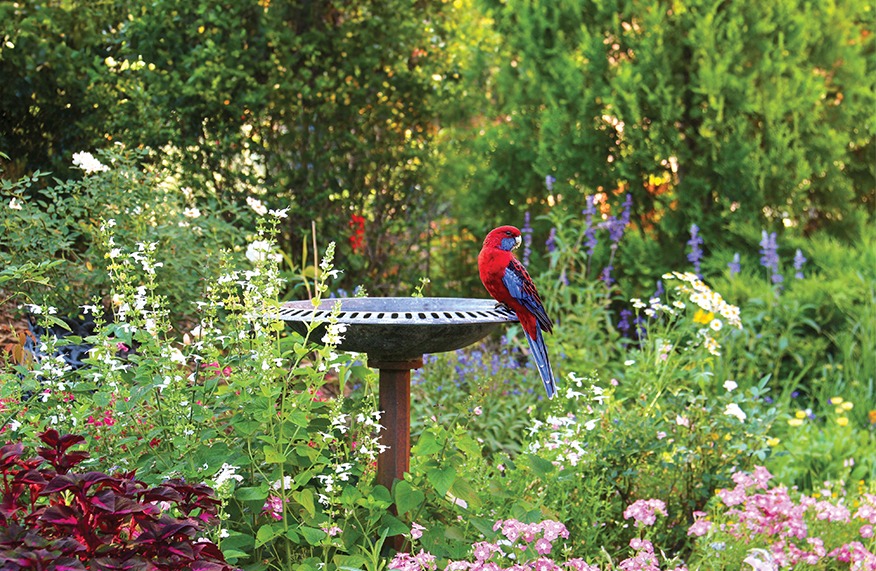
A patio with containers and a small water feature gives birds something useful on a small scale. A mature yard with shrubs and trees has more structure. Add whichever of the three is missing and fits your space.
Audubon’s yard guidance emphasizes locally appropriate native vegetation and varied planting heights, and it discusses asters and goldenrods as examples. Which plants count as native and suitable depends on your state, growing conditions, and site.
A shallow birdbath adds water if it has an accessible landing area and you can keep it clean.
Native plants, bird feeders, or both?
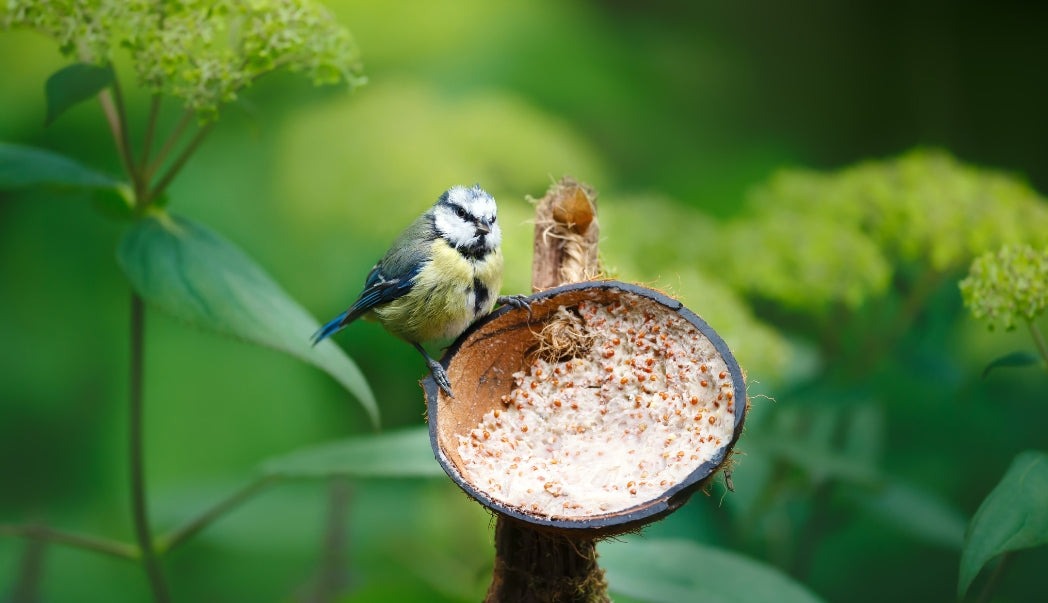
Native plants and feeders do different jobs. Plants sustain insect prey, produce seeds or fruit, and form cover as they grow. A feeder puts selected food where birds that use feeders come close enough to watch.
The choice gets harder when you’re clearing invasive growth and the replacements are still seedlings. Removing established invasives makes room for locally appropriate vegetation, but small seedlings leave a temporary gap in shelter.
One gardener on r/NativePlantGardening described that gap after clearing invasive growth from a half-acre suburban lot:
I have planted literally scores of tree and shrub seedlings on my ½ acre suburban plot as I pull out massive sections of invasive vines and shrubs. As I remove all the junk I am leaving a pretty substantial void in biomass and protective cover. The seedlings are tiny by definition. It will probably be 10 years before my new plantings are mature enough to support any of the species that could potentially benefit from the new additions. I do have some herbaceous stuff as well, but that will also take some time to spread and fill in, I know that native plants are more effective than bird feeders. For the folks here who say you shouldn’t use bird feeders, what are you doing when you are starting from scratch?
The ten-year wait is the gardener’s own estimate; the immediate loss is cover while the new plants establish.
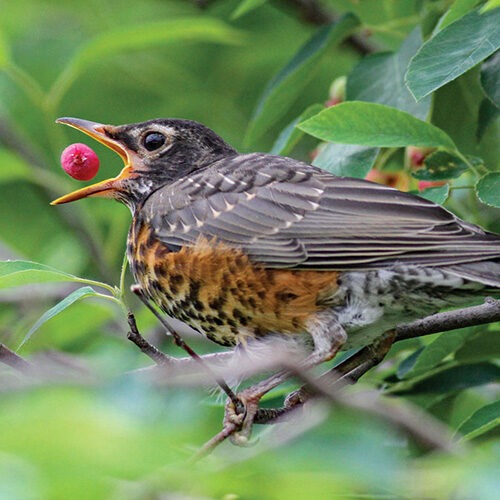
In a 2018 study of Carolina Chickadees in residential landscapes, Desirée Narango, Douglas Tallamy, and Peter Marra associated greater nonnative plant biomass with reduced arthropod resources and poorer reproductive performance.
The study examined comparisons involving more than 70% native plant biomass. Its findings cover Carolina Chickadees, not other birds, and set no universal percentage for American yards.
| Approach | What it offers | What you take on |
|---|---|---|
| Observe without feeding | Shows which birds already use the surrounding habitat | Time and attention, no feeder upkeep |
| Locally suitable native plants | Plant foods, insect habitat, and shelter as the plants grow | Choosing plants for your site, getting them established, and caring for them |
| A maintained feeder | A concentrated food source for birds that use that feeder type | The right food, regular cleaning, and safe placement |
| Plants and a feeder | Habitat growing alongside supplemental food and close observation | Both planting care and feeder upkeep |
Plantings take time to deliver. A feeder can offer food sooner if your setting and upkeep allow it. Some gardeners feed seasonally while their plantings develop; the timing is yours to set based on local conditions.
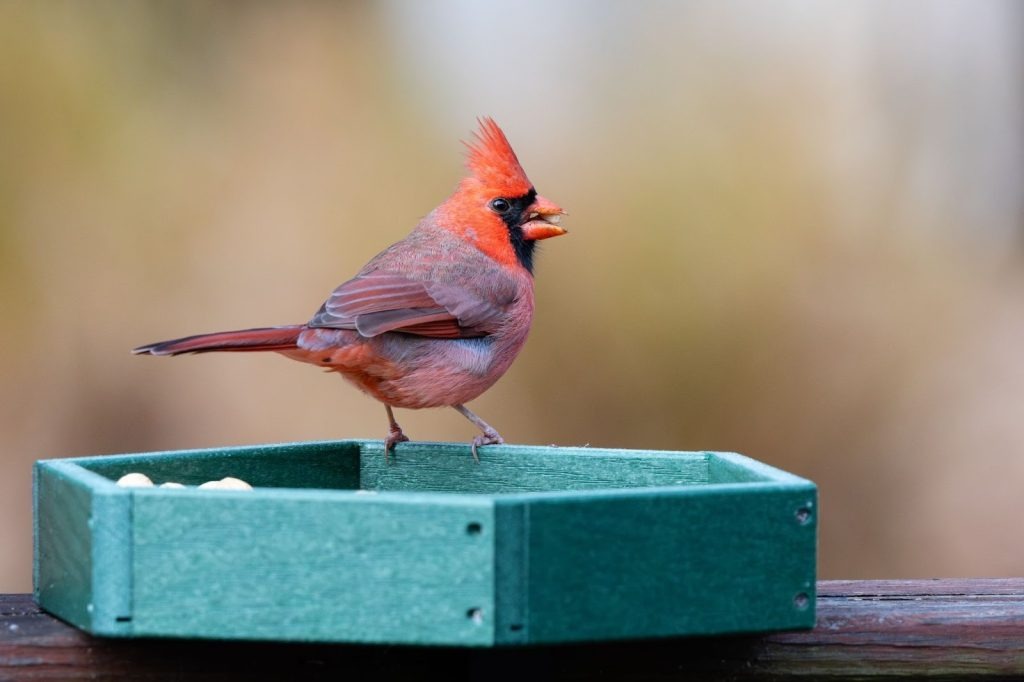
If your yard lacks cover and plant food, a regional native-plant plan helps you match vegetation to your space and growing conditions.
What care do feeders and birdbaths need?
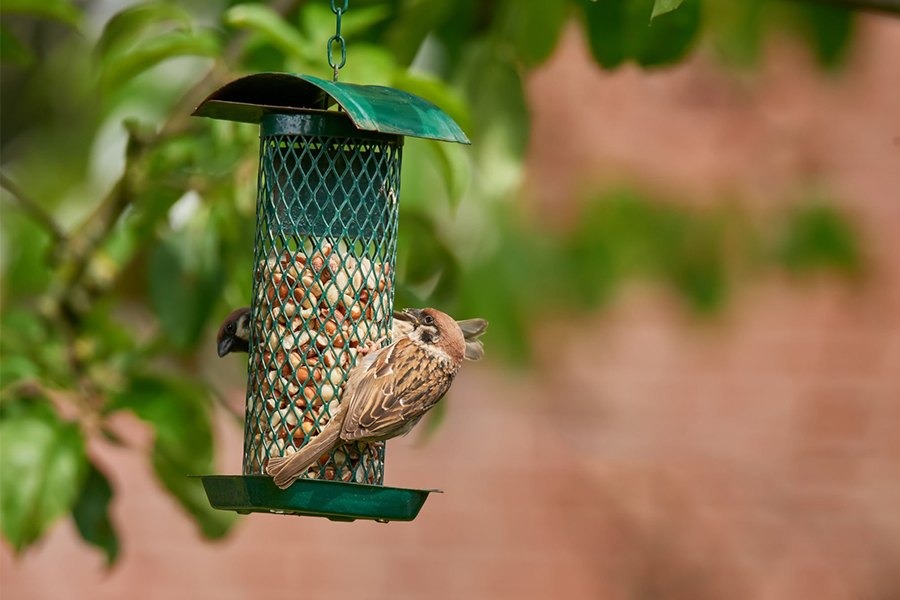
Feeding birds is a recurring chore: the food, the water, and the surfaces that draw birds together all need attention. Seed and suet feeders, hummingbird feeders, and birdbaths each run on a different schedule.
Cornell Project FeederWatch’s cleaning guidance gives these starting intervals:
- Seed and suet feeders: Clean about every one to two weeks, more often during wet weather or heavy use.
- Hummingbird feeders: Clean about every couple of days, ideally at each refill, and watch closer in warm weather or heavy use.
- Birdbaths: Replace the water every couple of days and scrub the bath about once a week.
These intervals shift with heat, rain, visible spoilage, bird activity, and local illness concerns. Clean sooner if food has spoiled or waste has built up.
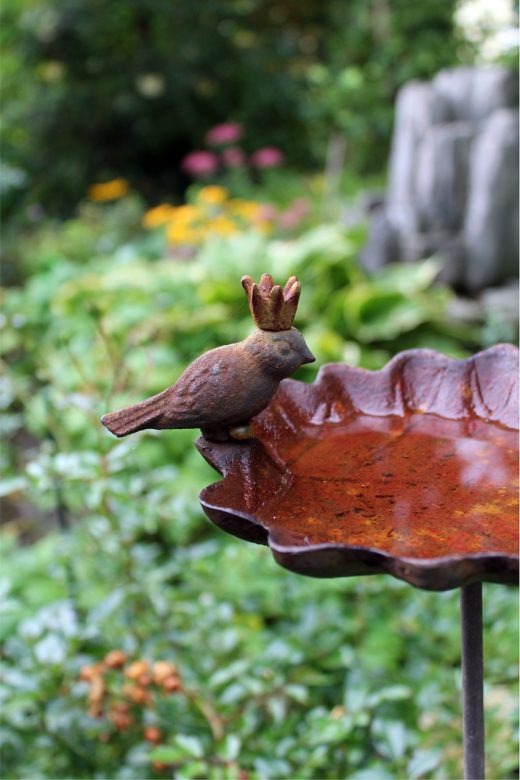
Check that you can reach the equipment to wash, rinse, dry, and refill it, and to clear fallen seed or droppings beneath it. The feeder-cleaning procedure gives the detailed steps. A feeder or bath that is awkward to clean is a poor fit even if birds use it.
If you’re at the property only on weekends, a hummingbird feeder that needs attention every couple of days in warm weather is a poor fit. Planting and observing without a feeder makes more sense.
Why won’t birds visit a feeder, or why have they stopped?
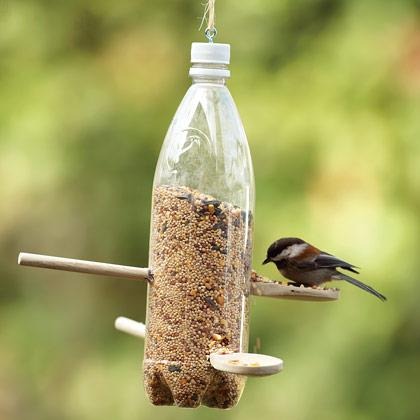
A new feeder that nobody touches and regular visitors who suddenly vanish need different checks. Start with the birds you see nearby, the food you offer, where the feeder hangs, and anything that changed.
One bird-feeding enthusiast built a feeder, left it out for a week, and saw no food taken even though small birds gathered in nearby shrubs. The question came with some humor:
There’s some shrubs and plants behind my appartment and i know a lot of small birds are chilling there, but i dont think they realize there’s a giant food cashe 10 metres from them. Like, i know rent is high but this is prime real estate people! How do i get them to come take some food? Would it help if i put something smelly like peanutbutter in it? Or should i make a sign to let them know that it’s free?
The peanut butter was only the writer’s question. Nobody tested it, and no cause was identified.
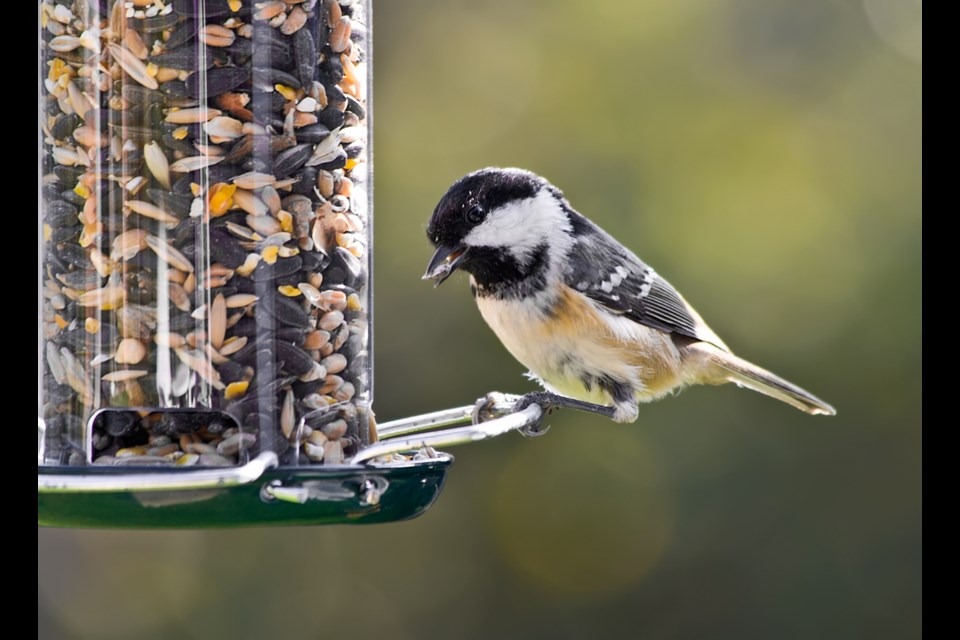
| What you see | What to examine | What to do |
|---|---|---|
| A new feeder sits untouched | Food type, likely local feeder visitors, placement, and nearby cover | Match the food and feeder type to likely visitors before you move the feeder |
| Regular visitors have disappeared | Season, more natural food nearby, disturbance, and changes to the site | Look at what changed around the time the birds stopped coming |
| Old food or waste accumulates | Food condition and your cleaning routine | Clean first, then think about what the birds prefer |
| A bird appears unwell | Wildlife-health guidance for your area | Treat it as a safety concern; visible symptoms don’t identify the disease |
To test an unused feeder, follow the feeder troubleshooting process. It changes one variable at a time, whether seed, placement, or sightings, so you can tell what made the difference.
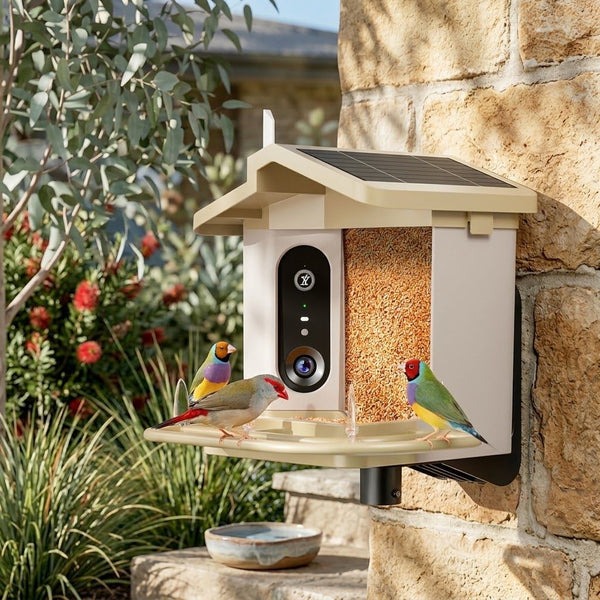
Is the yard safe for the birds you’re attracting?
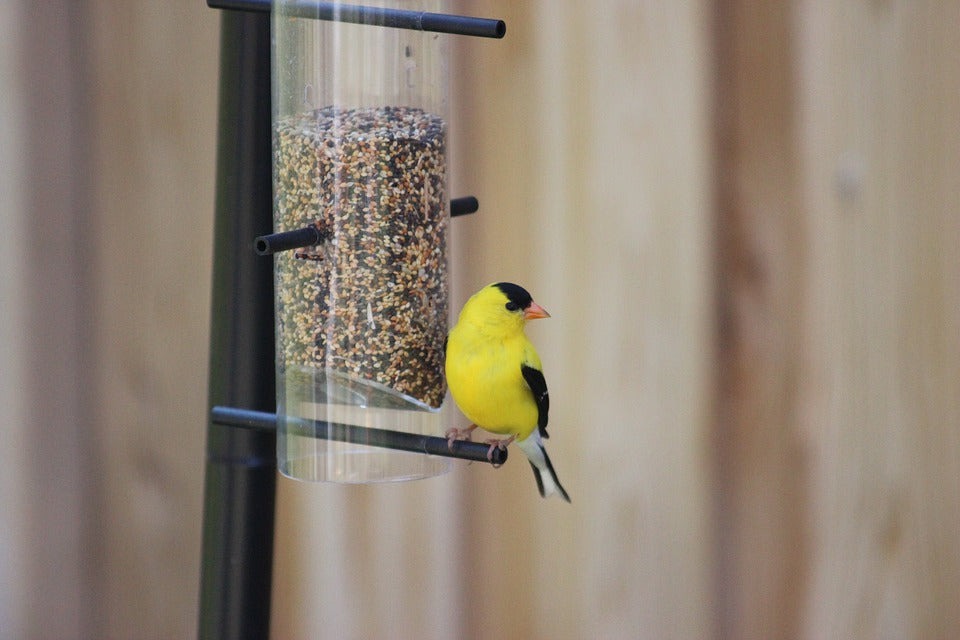
Before you draw birds together around food or water, check for reflective glass, roaming cats, contaminated feeding sites, and visibly sick birds.
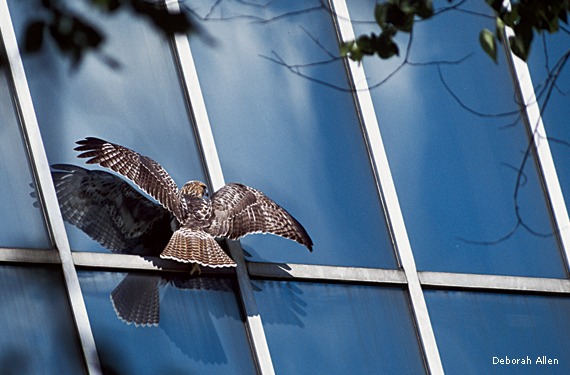
- Windows: Reflections of vegetation and sky make glass hazardous, especially near feeders, baths, and fruiting plants.
- Cats: Unsupervised outdoor cats can reach wild birds. Keep cats contained or supervised outside.
- Feeding-site waste: Droppings and spoiled food raise risks where birds gather.
- Illness: Follow wildlife guidance for your situation. Don’t try to diagnose or treat sick birds yourself.
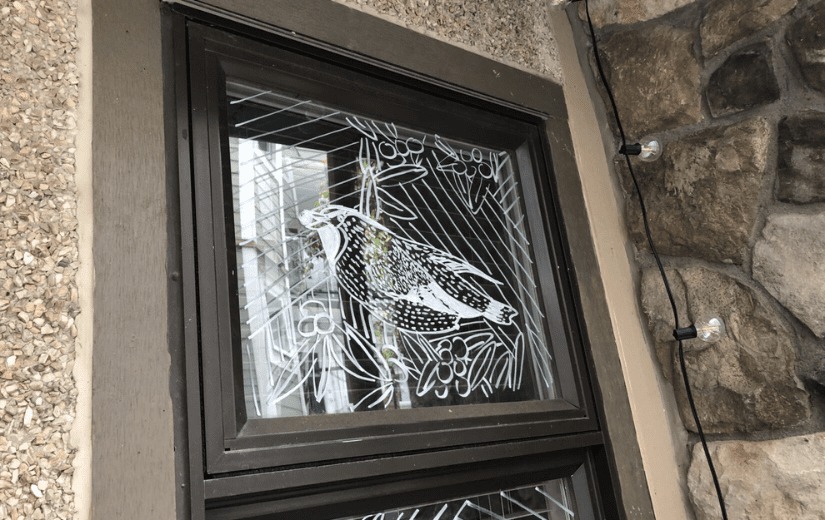
American Bird Conservancy’s window-safety guidance recommends visible exterior treatments for hazardous glass. Exterior markings stay visible where reflections would hide markings on the inside.
A reflective sliding door beside a feeder deserves close attention: to an approaching bird, the glass can look like a continuation of the trees and sky. Check the approach to likely feeding and watering spots, and use the window-strike prevention options where glass has proved hazardous.
Illness is a separate issue. The US Fish and Wildlife Service identifies typical songbird feeder visitors as relatively less involved in avian influenza transmission, while other pathogens, including salmonella, E. coli, and mycoplasma, can spread where birds crowd at feeders.
If a sick bird visits your feeding station, follow wildlife-health advice for cleaning or disinfecting the equipment. Cornell’s sick-bird guidance recommends removing affected feeders for about two weeks. Its broader feeding guidance adds that removal may disperse birds where other feeders are scarce but can concentrate them at the remaining stations in neighborhoods where feeders are common.
What can your own backyard observations tell you?
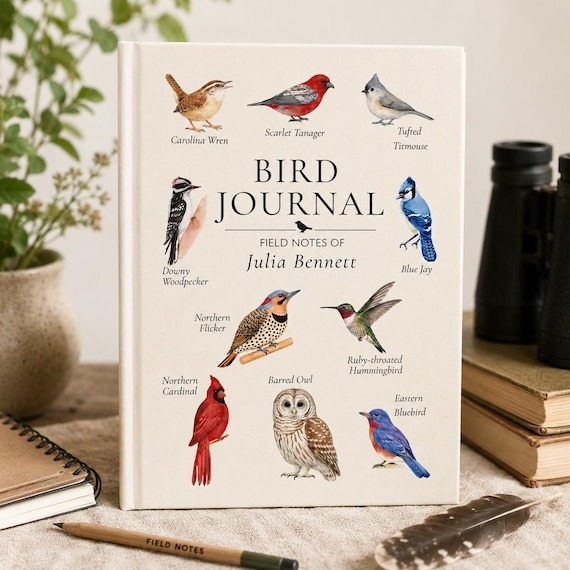
Log a memorable visit even when you can’t say what caused it. Keep a simple note with the date, place, approximate bird identity or count, and any change to vegetation or feeding conditions.
Choose the next backyard bird project
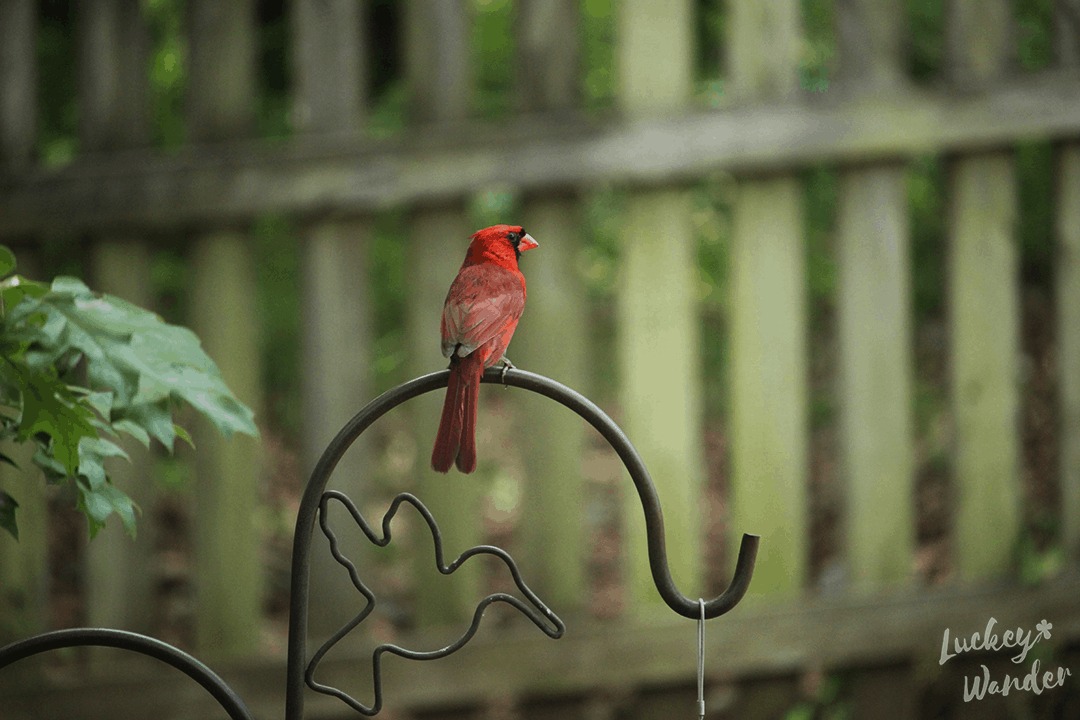
- A bird you want to know better: Explore the bird species guide for the likely visitor and its distinguishing traits.
- A bare or transitioning outdoor space: Use the guide to make your yard more useful to birds for detailed habitat planning.
- Supplemental food you want to offer: Use the guide to match bird food to likely feeder visitors before choosing what to provide.