If a wild bird looks sick, injured, or has hit glass, call a wildlife rehabilitator before you try to diagnose or treat it. For an ongoing hazard, fix the specific source: windows, feeders, cats, or habitat. If an incident or disease advisory covers your area, follow local wildlife advice first.
Start with the type of bird-safety problem
Did you see something happen to a bird, or spot a hazard around your home? A collision or a visibly distressed bird calls for a different response than a reflective window, an exposed feeder, or a roaming cat.
| What you notice | What it means for your next step | Go to |
|---|---|---|
| A bird hits glass, falls, or flies away afterward | The bird may be hurt | Window-strike response |
| A wild bird appears sick, injured, or dead | The bird may be ill or injured | Sick or injured birds |
| Birds repeatedly approach glass that reflects trees or sky | Collisions will keep happening | Windows and lighting |
| A bird seems unwell near a feeder, or feeder hygiene is uncertain | Disease can spread through feeding | Feeding decisions |
| A feeder sits near glass or places birds within reach of predators | The feeder location is a hazard | Feeder placement |
| A domestic cat roams where wild birds gather | Birds face a predation risk | Cats and birds |
| You want to improve your yard for birds | Habitat work prevents problems | Bird-friendly habitat |
| A young bird is on the ground, or a nest is nearby | You need to decide whether to step in | Nests and young birds |
A bird just hit a window: treat the strike as a possible injury
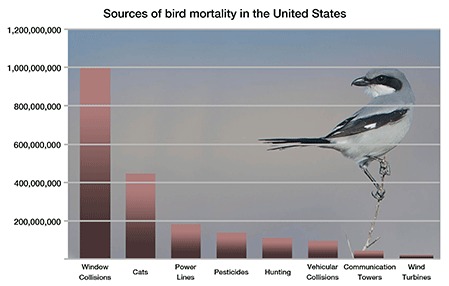
A bird that flies off after hitting glass can still be hurt. If it is stunned or visibly impaired, call a qualified wildlife rehabilitator promptly and follow their instructions on containment or transport. Don’t try to treat it yourself.
In a 2024 PLOS ONE study, researchers examined 3,159 bird-building collision cases involving 152 species. Of those, 126 birds were dead on arrival. Among the remaining 3,033 rehabilitation cases, 32.1% died during care and 28.4% were euthanized.
The records cover 2016 to 2021 in northeastern and mid-Atlantic states. They describe birds brought to rehabilitation facilities, not all birds that hit windows.
If the bird is still there, see what to do after a bird hits a window.
You found a sick, injured, or dead wild bird
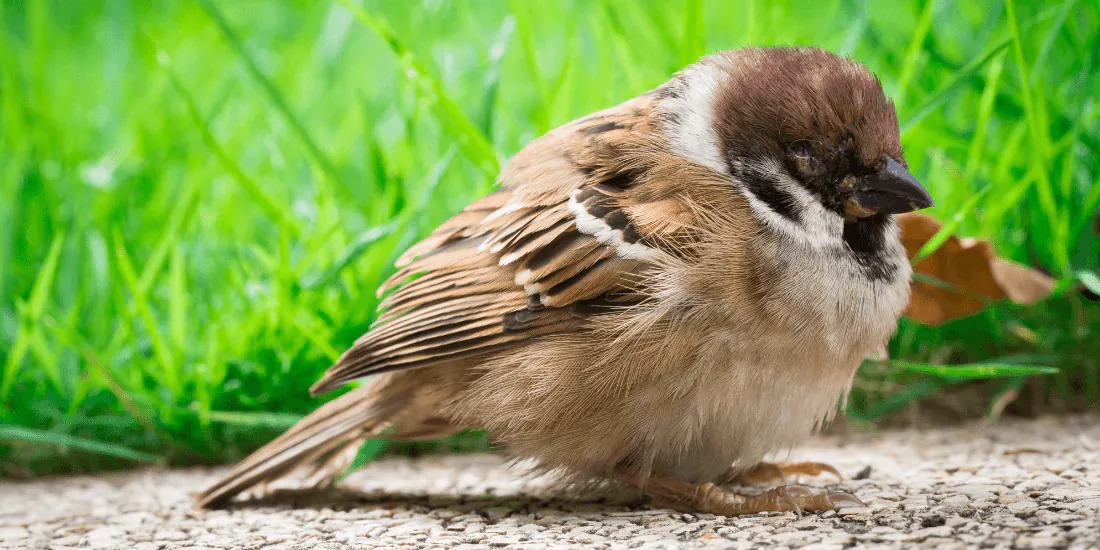
An unusually still bird, abnormal eyes, weakness, or trouble moving all signal a problem. None of them tells you the cause. A bird that looks unwell near a feeder and a bird with an obvious injury need different specialist help.
The CDC’s bird flu prevention guidance advises avoiding direct, unprotected contact with sick or dead wild birds. Keep pets away from them, and follow state or local agency instructions for reporting and any necessary handling.
For an injured wild bird, find a state-listed licensed wildlife rehabilitator and call before you transport it. Wildlife care takes permits, professional facilities, and species-specific training, so don’t medicate, hand-feed, or keep a wild bird based on an internet account.
If the bird looks ill at a feeder, go to the sick-birds-at-feeders guide. For physical injuries elsewhere, see qualified help for an injured wild bird.
Make your windows and nighttime lighting safer
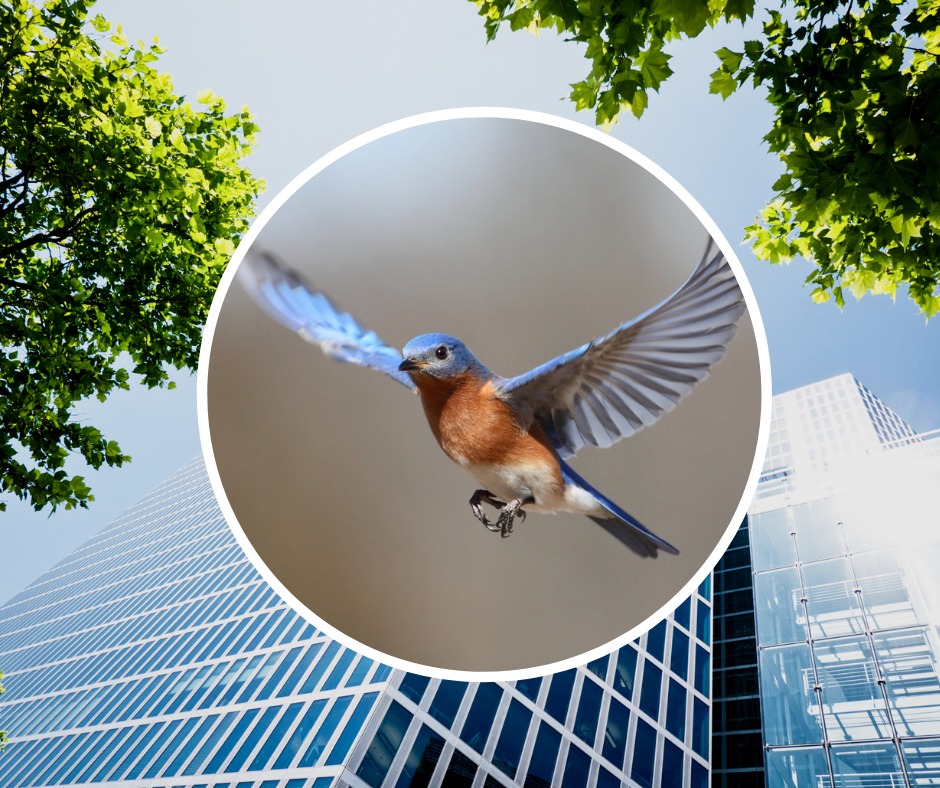
Birds strike windows when the glass reflects sky or foliage, or when they see through it to vegetation on the other side. This happens even if you have no feeder.
Look at large panes and corner windows from outside, especially from the directions birds approach. Note reflected trees, clear sight lines, and spots where strikes have already happened.
| What you see | What is happening | What to do |
|---|---|---|
| Sky or trees reflected in glass | The glass looks like open habitat | Add close, visible markings on the outside |
| A clear view through the building | The bird sees what looks like a route through | Treat the outer glass surface |
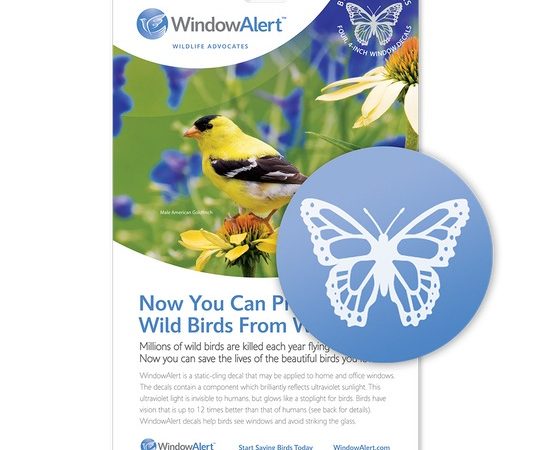
| A few interior stickers or silhouettes | Most of the outside view stays continuous | Cover the risk area with an exterior treatment |
| Unnecessary light at night | Artificial light can affect migrating birds | Cut avoidable nighttime lighting |
One homeowner with big new windows described repeated collisions, including one fatal strike:
Pretty much as the title says. We just got a house and we get a lovely amount of sunlight through these enormous windows we have, but the issue is birds keep flying into the windows. This morning we found our first dead one. Usually they smack into it and fly off but this poor baby didn’t survive the impact. 😞 I don’t want any more birds to get hurt, so how do I stop them from flying into the glass?
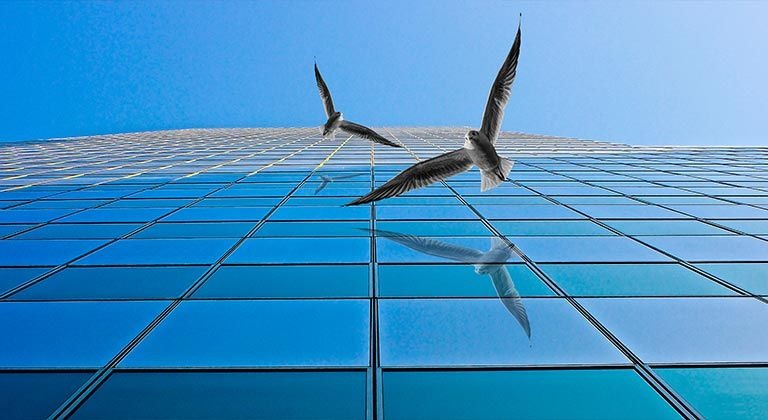
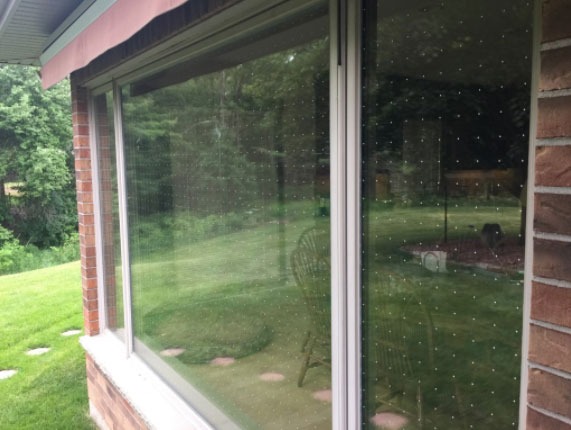
Cornell’s window-collision guidance describes exterior markings spaced about 2 inches apart to deter smaller birds. The markings must cover the hazardous glass, in a pattern that suits the treatment you use.
The visible paracord BirdSavers approach is a different system. Cornell describes its hanging cords spaced approximately 4 inches apart.
For materials, installation, and ways to reduce artificial light, see preventing bird window strikes.
Keep bird feeding safe and know when to pause it
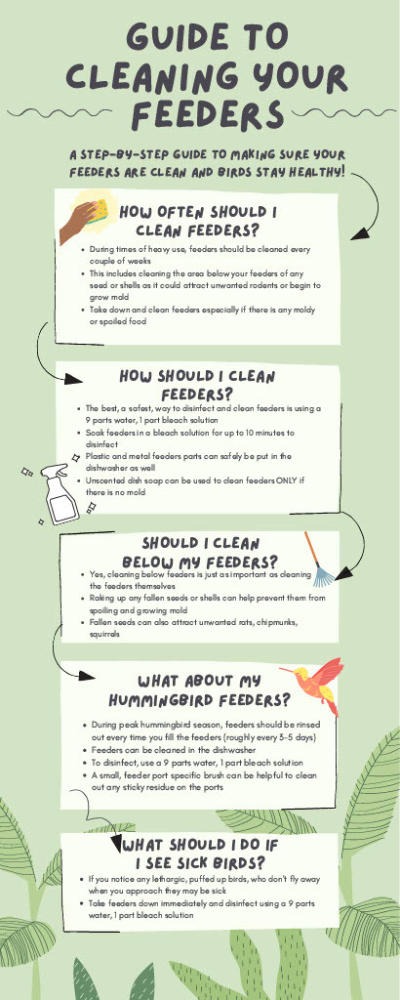
A bird that looks unwell at a feeder changes whether you should keep feeding as usual. Birds share perches, feeding ports, food, and nearby surfaces, so several diseases can spread this way. A bird’s appearance alone can’t tell you which one.
| Situation | What to check | Next step |
|---|---|---|
| Food spoils or equipment is dirty | Dirty surfaces and spoiled seed raise the risk | Clean feeders and birdbaths; replace spoiled seed |
| An apparently sick bird visits | Birds keep sharing contact and surfaces | Clean more often and check illness-specific guidance on pausing |
| Other feeders are nearby | Birds may crowd at a neighboring station after you remove yours | Look at the local feeding setup and wildlife guidance |
| You also keep chickens or ducks | Domestic poultry need separate biosecurity precautions | Keep wild-bird feeding away from the flock; follow poultry-specific guidance on feeder removal |
| A disease warning concerns another country | Species, location, and current advisories differ | Use guidance for your US state or region |
A Maryland bird-feeding enthusiast read a warning based in Ireland and asked whether it applies in the US:
I read this article and it discussed the spread of avian trichomoniasis. It seems like the study was based in Ireland but I’m trying to figure out if this is an increased issue in America. Has anyone heard anything about this. Im still researching but I want to hear other people’s thoughts. I’m trying not to jump the gun and to use discretion. Especially since feeding the birds is one of my favorite things to do!🤧
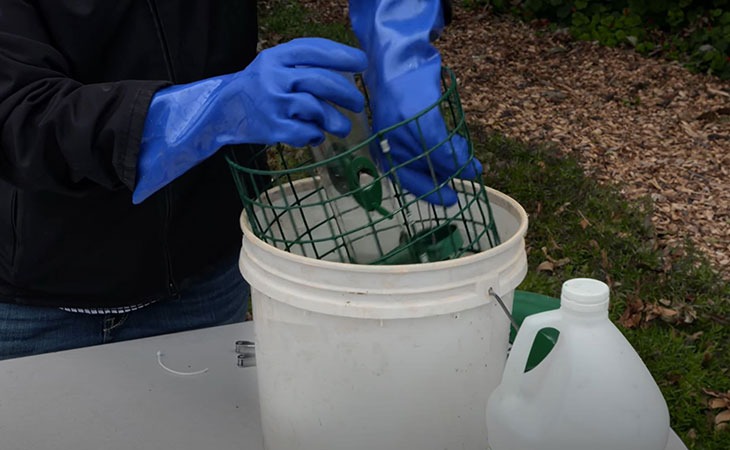
Cornell FeederWatch notes a catch to taking feeders down: birds may crowd at nearby feeding stations instead. That doesn’t override a local outbreak advisory.
The U.S. Fish & Wildlife Service says typical feeder birds are not commonly infected with avian influenza. Other diseases still matter at feeding stations.
For an affected station, see when to remove feeders temporarily. For routine hygiene and signs of illness, see sick birds at feeders.
Check whether feeder placement creates a second hazard
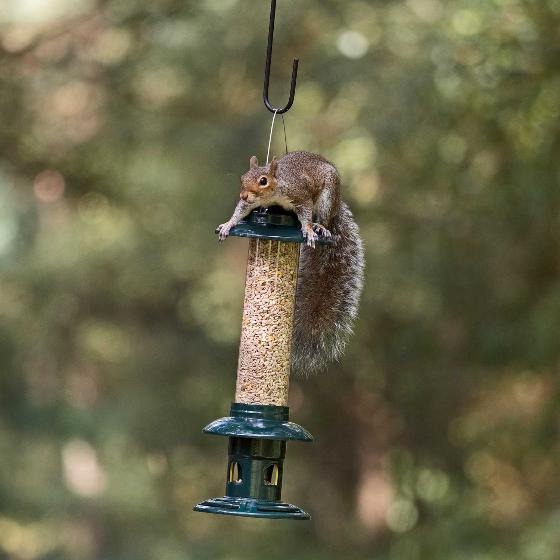
A clean feeder can still draw birds toward dangerous glass or within reach of predators. Before you place or move a station, check the flight paths between vegetation and food, reflections in nearby windows, and cover where a cat could hide.
Advice on feeder distance differs. The U.S. Fish & Wildlife Service home toolkit says to place feeders within 3 feet of a window. Cornell’s newer guidance stresses treating hazardous glass and questions relying on distance rules alone. Glass that still reflects sky or appears open remains a collision concern.
For positioning on your property, see safe bird-feeder placement.
Reduce bird risks from free-roaming cats
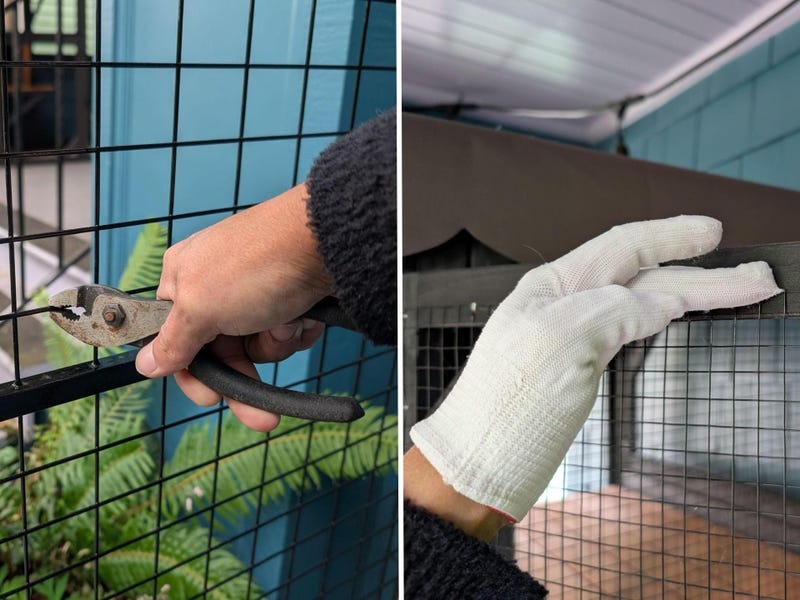
Domestic cats that roam outside can hunt wild birds, including birds visiting a well-kept yard. A secure outdoor enclosure, commonly called a catio, or supervised outdoor time gives you an alternative to free roaming. The right setup depends on your property and the cat’s welfare needs. Weigh the cat’s access to feeding areas against the containment options in keeping cats and backyard birds safer.
Help wild birds with habitat, too
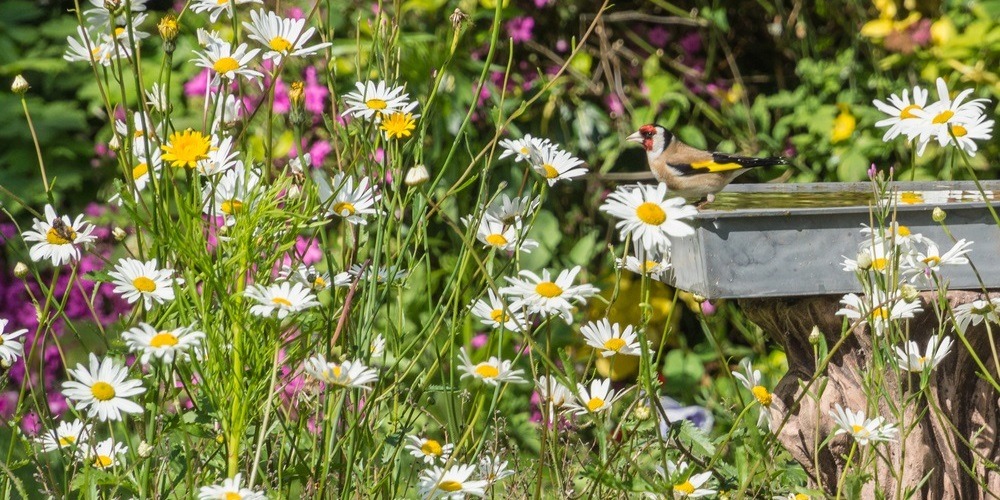
A bird-friendly yard can supply natural food and shelter without relying on a feeder. The Smithsonian National Zoo recommends locally native vegetation and a variety of habitat layers.
Trees, shrubs, and flowering plants provide insects, seeds, cover, and nesting resources across seasons.
If disease at your feeder worries you, you can improve the yard through habitat work while you rethink direct feeding. Pick species native to your region using a local native-plant or extension resource, then see native plants for backyard birds.
Watch nests and young birds without causing disturbance
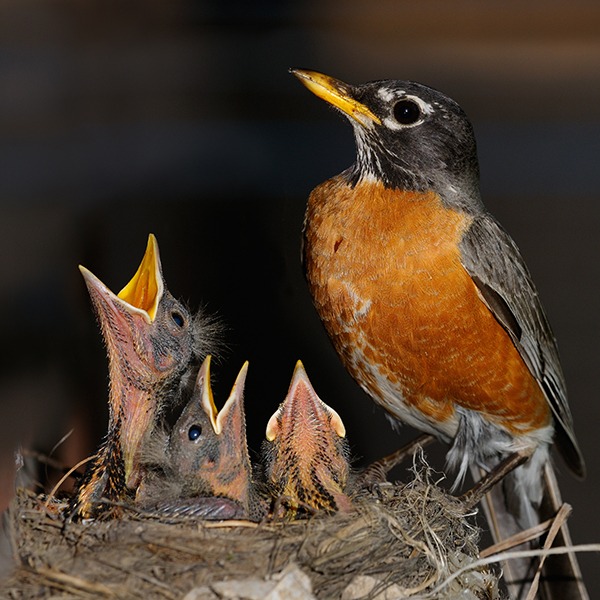
Sometimes keeping wild birds safe means leaving them alone. The American Birding Association’s Code of Birding Ethics advises minimizing disruption around nests, feeding areas, and roosts, including disturbance from close photography or playback.
A feathered young bird on the ground may be a fledgling in a normal stage of development. U.S. Fish & Wildlife Service guidance warns that an apparent orphan doesn’t automatically need rescue. An actual injury or another concerning sign calls for qualified assessment.
Watch from a respectful distance, and use the bird-nesting guide to tell nestlings from fledglings. For close observation and nest photography, birding ethics explains how to reduce disturbance.