To understand a wild bird’s behavior, describe exactly what you saw, check the species and setting, and compare explanations before you decide what it means. If the bird is injured or in immediate danger, follow qualified wildlife guidance. Otherwise, record the clues and use the right species or behavior guide.
A cardinal passes a seed to another bird. A chickadee chases a hawk many times its size. A bird sits with its wings spread, apparently doing very little. Each scene is easy to watch and hard to explain.
An action doesn’t reveal its purpose. A bird could be feeding, signaling, raising young, guarding a resource or cleaning its feathers. The details around the action tell you which.
What Bird Behavior Can Tell You
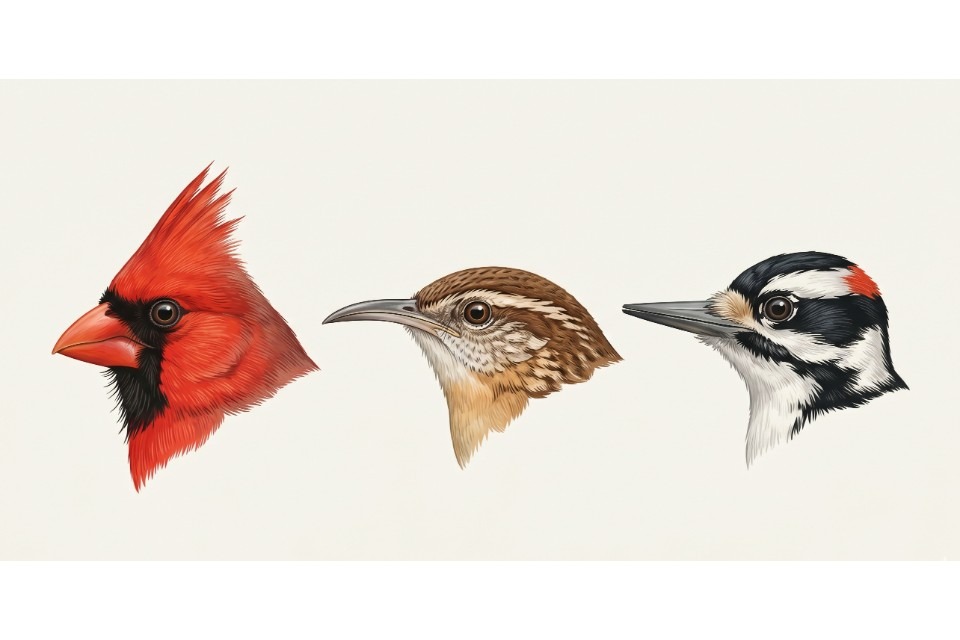
Bird behavior covers everything birds do to find food, communicate, care for their bodies, interact with other birds, reproduce and react to their surroundings. It tells you what is happening in a particular place and sometimes helps identify a species. For the bill, plumage and habitat checks, read how shape, color, behavior, and habitat identify a bird.
A raised crest, a quick wing flutter or a series of calls is something you can describe. Anger, fear, affection and hunger are your interpretation of those movements. Species, age and surroundings decide which interpretation fits.
Movement is sometimes a field mark. The Eastern Phoebe dips its tail, and the Northern Waterthrush bobs its tail repeatedly. Bird-identification lessons use these behaviors to separate similar-looking species.
Read a Bird’s Behavior Through Five Clues
Start by describing the event clearly. Cornell’s behavior-interpretation lesson asks you to look at what happened, question your assumptions and consider other explanations.
Use these five clues together:
| Clue | What to observe | What it tells you |
|---|---|---|
| Action sequence | Movements, calls, direction, repetition and the other bird’s response | What happened between the birds |
| Species and age | Shape, plumage, bill color and juvenile field marks | Who is giving or receiving a signal |
| What’s around | Food, young birds, a nest, a predator, another bird or a reflection | What prompted the action |
| Setting | Habitat, place, weather, season and time | Which explanations fit |
| Alternative explanation | A second plausible function and the detail that would tell the two apart | What to look for next |
The lesson shows two Laysan Albatrosses touching bills, calling and raising their wings. Ask which bird starts each gesture and how the other responds.
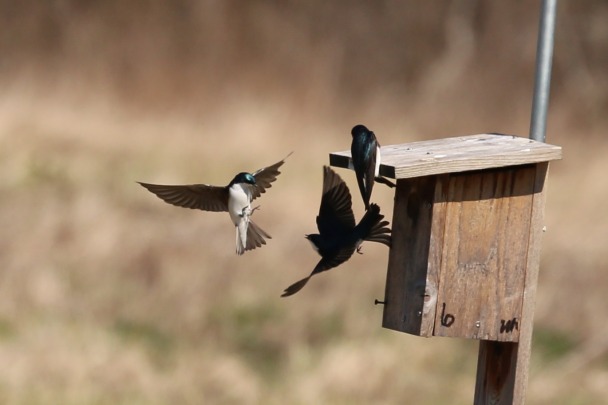
Those gestures alone don’t show whether this is courtship or another social exchange.
Feeding and Foraging: Follow the Food
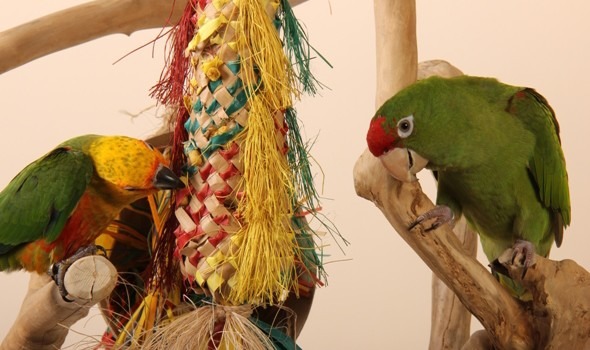
Foraging means searching for and getting food. Where a bird searches and how it does it show what the bird is doing and sometimes which species it is.
Ducks take food from water, shorebirds search shallows, and birds on trunks or branches probe surfaces. Identification guides treat foraging location and method as behavioral field marks.
A feeding event has stages. A bird searches, picks up food, handles it, swallows it, carries it elsewhere, caches it for later or passes it to another bird. The British Trust for Ornithology lists food caching among the behaviors worth watching.
Follow the food to its destination. If a bird carries a seed away, it is storing it or delivering it. When the food goes to a second bird, the ages and roles of the two birds become the question.
Note where the food came from, how the bird collected it and whether it was eaten, stored or handed over.
Courtship Feeding or a Hungry Fledgling?
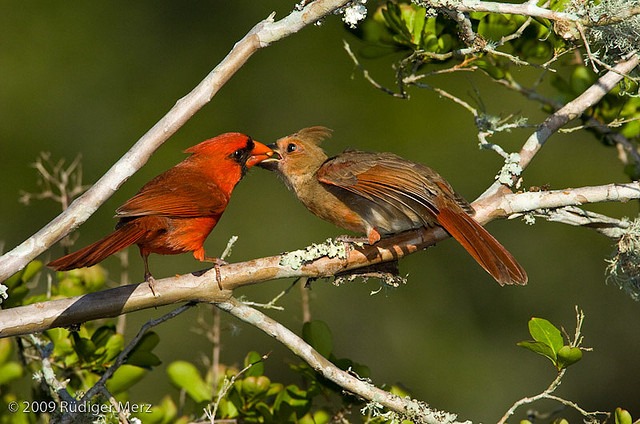
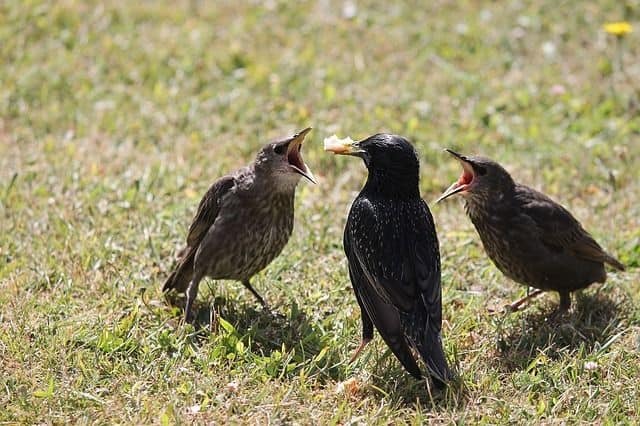
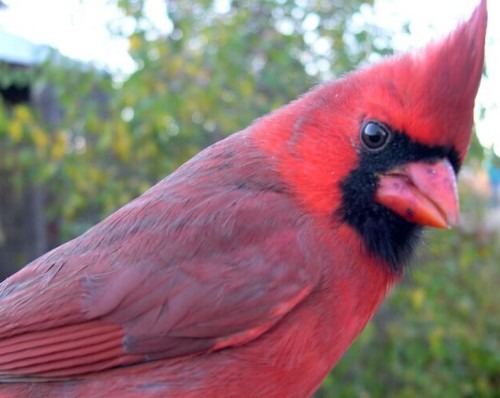
One bird feeding another can be courtship or parental care. Northern Cardinals show why it’s hard to tell: an adult female’s wing movements during courtship can look like those of a begging youngster.
A backyard observer in Columbia, South Carolina, described the following interaction beneath a feeder:
This is right below my bird feeder and I live in Columbia, SC. It looks to me like the male is picking up seed that fell to the ground and feeding the female. Is he doing this because she’s is hurt, or courting her. Her wings fluttering too.
The fluttering makes the scene ambiguous. Cornell describes male Northern Cardinals feeding females during courtship, and a female may quiver her wings like a fledgling asking for food. The recipient’s age changes how you read the same exchange.
| Clue | Adult courtship feeding | Parental feeding |
|---|---|---|
| Recipient | An adult bird, possibly a mate | A young bird still receiving care |
| Wing flutter | Seen in female cardinal courtship | Seen in a juvenile’s begging |
| Northern Cardinal bill | Adult female: reddish-orange | Juvenile: gray to black |
| Other context | Adult field marks and courtship exchange | Juvenile features and repeated begging |
Wing flutter happens in both situations, so check the recipient’s bill. The Northern Cardinal identification guide documents the juvenile field marks, and the courtship-feeding account describes the adult female’s quivering wings.
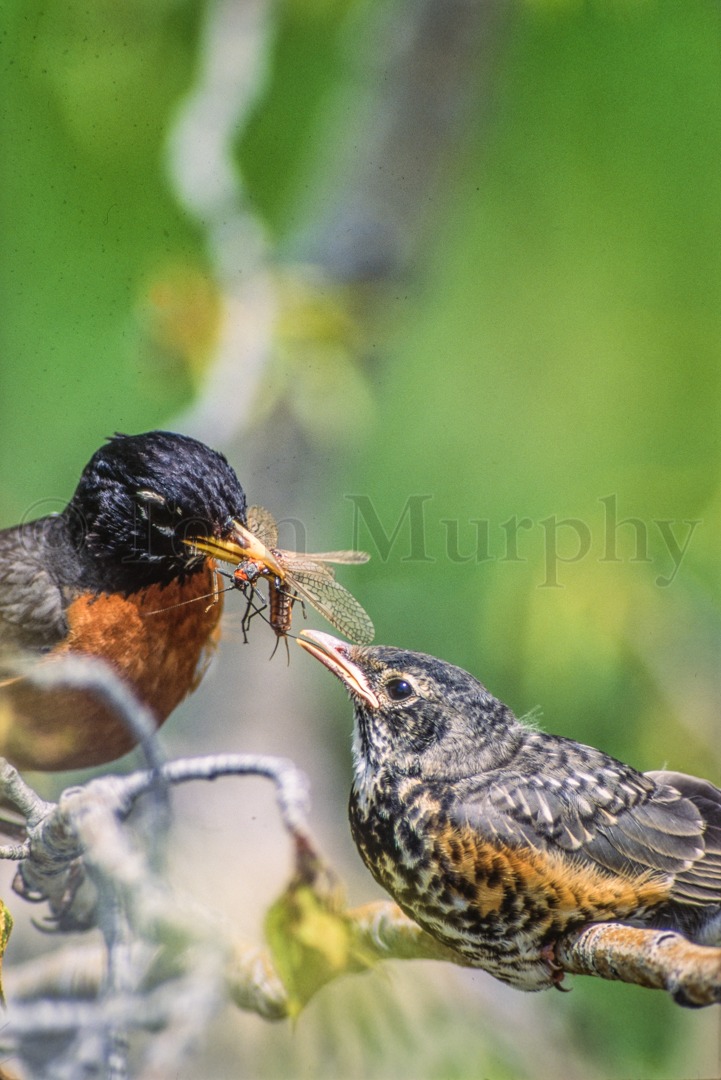
Young birds can be large and fully feathered and still depend on their parents. One observer described a young robin that kept begging after a parent set a worm within reach:
Every year we have a bunch of Robin families around the yard. I love watching the babies follow their parents around and opening their mouths like, “feed me! I’m hungry!” I saw one parent put a worm on the ground and the baby bent down and just opened its mouth next to it, like he expected the worm to jump in. 😆
The worm lay beside the young bird, yet it still begged from a parent. US wildlife guidance recognizes that fledglings can stay under parental care after leaving the nest.
Brood parasitism adds a complication. Brown-headed Cowbirds lay eggs in the nests of other species, which then raise the cowbird chicks. Cornell’s Brown-headed Cowbird account lists more than 140 documented host species. A feeding pair can therefore be an adult of one species raising a cowbird chick.
Why Birds Chase Other Birds
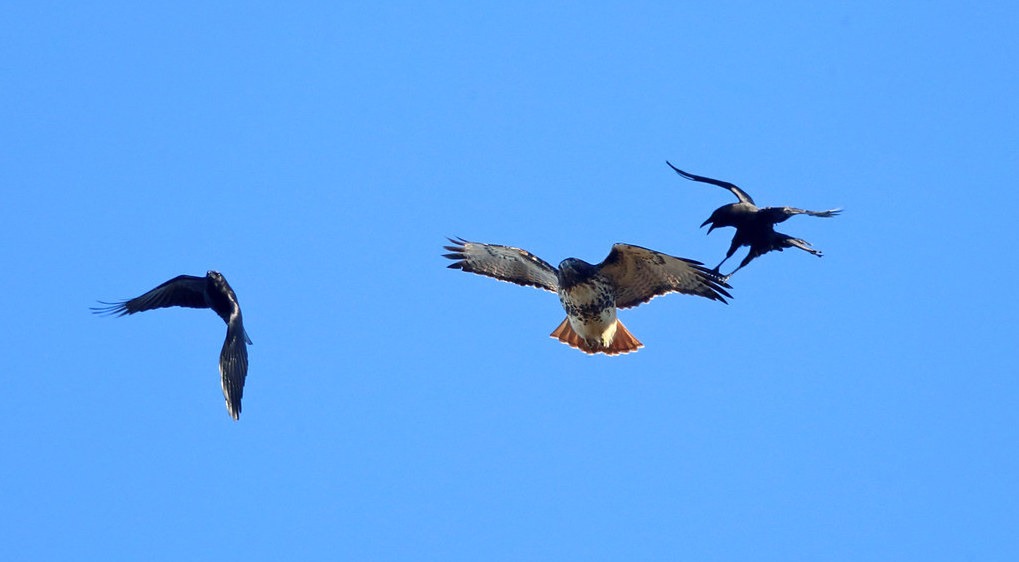
Mobbing is when a small bird repeatedly pursues a larger bird it sees as a threat. It involves sharp calls, close approaches and other birds joining the pursuit. For more on why small birds chase hawks, read why do small birds chase hawks.
Birds mob to defend young or themselves, protect territory or food, and draw other birds to a possible predator. A Red-winged Blackbird confronting a Red-tailed Hawk is a familiar US example. Chickadees, jays and crows also mob larger birds.
Watch who starts the chase, which bird retreats and whether calls bring more birds in. Young birds or a contested resource nearby can explain why the confrontation began. Mobbing is most conspicuous in the breeding season but happens at other times too.
Competition for space at a feeder shows another kind of social signaling. A Cornell feeder-behavior video published January 8, 2026, shows Massachusetts birds using subtle changes in crest, head, wings and body posture during their interactions.
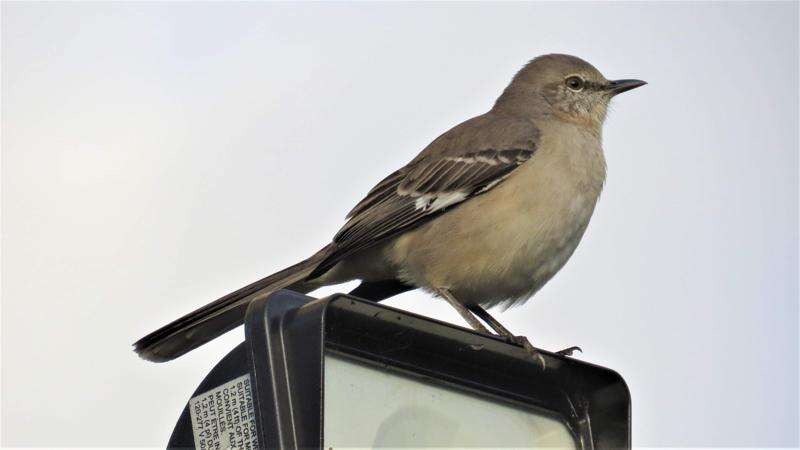
Why does a bird keep attacking its reflection in a car mirror?Repeated, directed approaches to a reflection are territorial behavior, most often in spring and early summer. Cover the mirror or change its reflective surface for a while to stop the attacks. An accidental collision with clear glass is a separate safety problem.
Preening, Bathing, and Unusual Postures
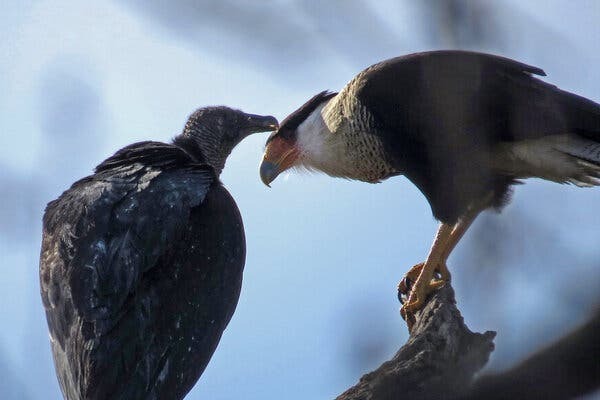
Preening is feather maintenance: the bird runs its bill through its plumage and works on individual feathers. Bathing and sunning are also body-maintenance or comfort behaviors, and they sometimes involve extended wings or a held posture.
Context explains odd positions. A bird spreading its feathers after bathing is easy to interpret. A single picture of an unfamiliar bird holding its head at an odd angle is not.
Play also produces unusual movement: young screech-owls pounce on falling leaves.
For an unusual posture, check whether it recurs, whether the bird stays responsive and what happens when it moves again. A bird that can fly away isn’t necessarily healthy.
Weather, Daylight, and Rest
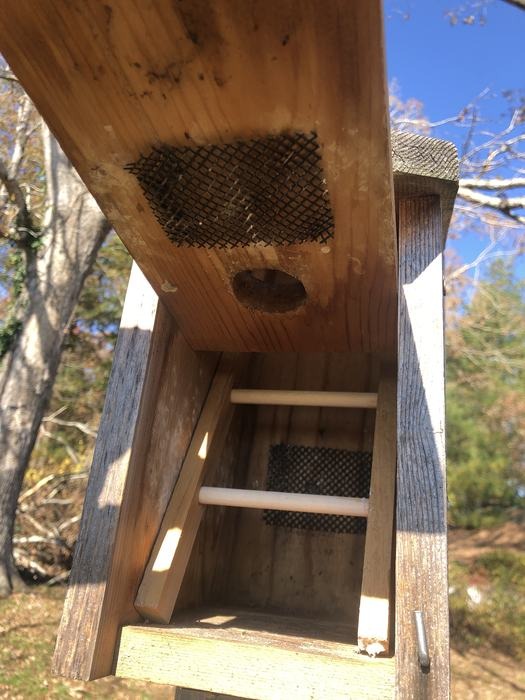
Roosting means settling in to rest or shelter, while foraging means finding and handling food. Weather, daylight, habitat and season affect when you see each, and species and regions differ. When birds seem to vanish in rain or at dusk, check their usual habitat and activity patterns.
When a Bird Might Need Help
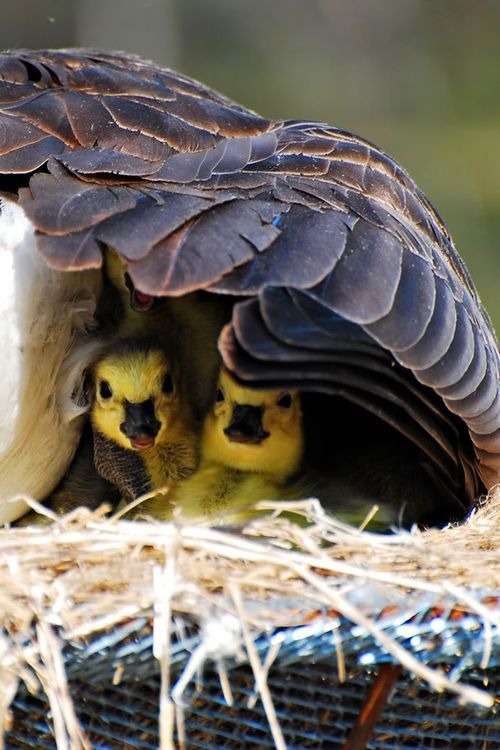
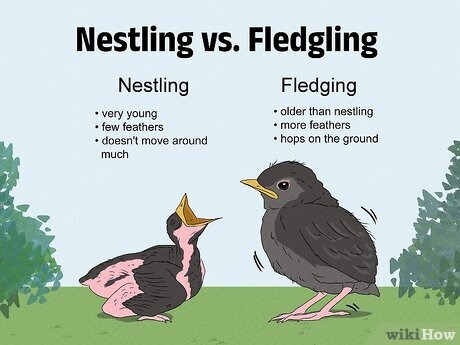
A feathered young bird on the ground is often a fledgling learning to move and forage while its parents stay nearby. The U.S. Fish and Wildlife Service separates these mobile youngsters from less-developed nestlings.
Pets are a real hazard near a grounded fledgling: keep cats indoors and dogs restrained or away from the area.
| What you observe | What it may mean | Appropriate next step |
|---|---|---|
| Feathered youngster hopping or fluttering, with no visible injury or immediate danger | A fledgling still receiving parental care | Give the bird space so its parents can keep caring for it |
| Very young bird with little feather development | A nestling whose situation needs clarifying | Ask local wildlife experts before you intervene |
| Visible bleeding, a broken limb or another obvious serious injury | An injury that needs a specialist | Contact a state wildlife agency or licensed wildlife rehabilitator |
Seek qualified help when a bird is visibly injured or in immediate danger. The U.S. Fish and Wildlife Service wildlife guidance explains these distinctions and points you to the right help. Call ahead, because wildlife rehabilitation and handling require permits and follow local rules.
Do not take a wild bird home, improvise food or water, or disturb an active nest to get a better view. The American Birding Association’s ethics code puts bird welfare and minimal disturbance ahead of a closer look.
Keep a Field Note That Helps You Understand the Bird
A useful field note keeps the details that separate two explanations. It is short enough to write at the feeder or after a walk.
What I saw: Two cardinal-like birds near a feeder. One passed food and the recipient fluttered its wings.
Context: Backyard setting, food on the ground, recipient’s age uncertain.
Possible explanations and next clue: Courtship feeding or care of a young bird. Compare the recipient’s bill and plumage with Northern Cardinal age markings.
Next time, write those three lines and add the date, approximate time and habitat when they affect the reading. If you’re unsure of the species, check a reliable identification guide before drawing conclusions.
Your unresolved question points to the next reference. A small bird chasing a hawk leads to mobbing, birds vanishing in a storm lead to sheltering, and birds active near dusk lead to roosting.