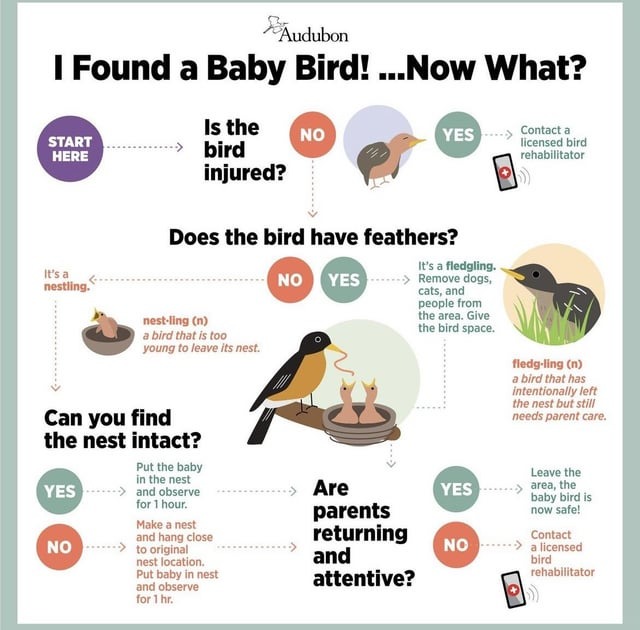
Call a permitted wildlife rehabilitator if the bird is visibly injured, breathing abnormally, unable to stand, or known to have hit a window or met a cat or dog. Confirm they will take it before you drive anywhere. A mobile, fully feathered fledgling with no injury belongs with its parents. If the bird is dangerous to handle or might be infectious, stay back and get instructions from a wildlife professional or your state agency.
Does this bird need help, or is it a fledgling learning to fly?
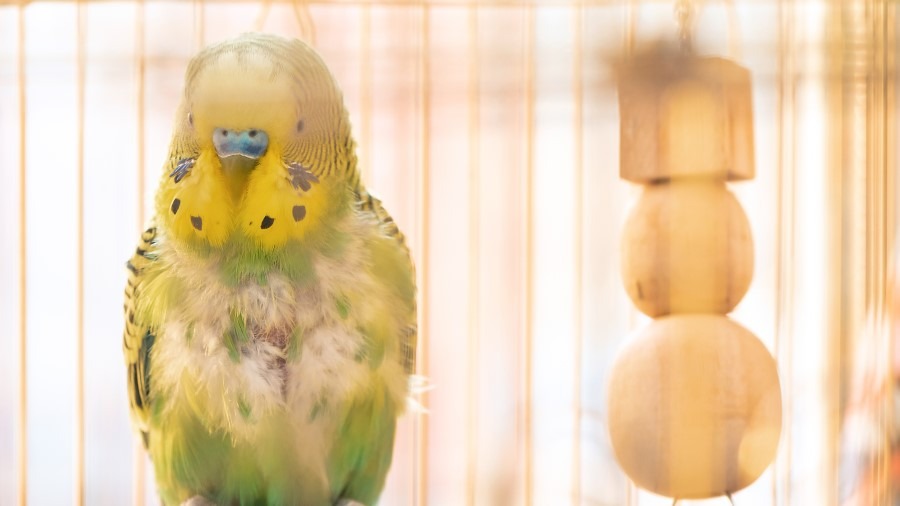
A young bird on the ground is often healthy. Many fledglings leave the nest before they fly well, and they hop and flutter while their parents keep feeding them. For nestlings, fledglings and parental care, read what to do after finding a baby bird on the ground.
Watch from a safe distance. Check the feathers, whether the bird can stand and move, any obvious damage, and whether you know of a collision or pet attack. Parents often stay nearby but keep away while you’re watching. The U.S. Fish and Wildlife Service’s found-bird guidance treats this distinction as the first decision.
| What you observe | What it suggests | Appropriate decision |
|---|---|---|
| Fully feathered youngster hopping or fluttering, with no known injury | Fledgling learning to fly | Leave it with its parents and watch from a distance |
| Bare or sparsely feathered youngster | Nestling with different needs | Use specific nestling guidance and qualified advice |
| Bleeding, visibly damaged wing or limb, or inability to stand | Possible injury | Seek wildlife rehabilitation assistance |
| Bird lying on its side, breathing abnormally, or in marked distress | Possible illness or trauma | Seek professional assessment |
| Known window strike or cat or dog contact | Trauma may be hidden | Follow the trauma guidance below |
| Hawk, owl, large pointed-bill bird, or possibly infectious bird | Additional handling risk | Follow the no-touch safety guidance below |
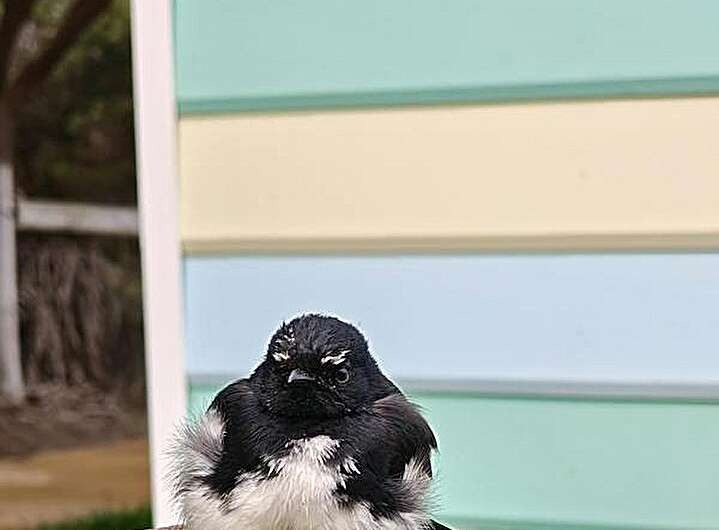
Keep pets away from a grounded fledgling. Don’t collect an uninjured one just because it flies badly. A roadway or other immediate hazard changes what help it needs.
If the bird is bare or lightly feathered, read how to tell a nestling from a fledgling, which covers feather development. Nestling care is a separate decision from rescuing an injured adult bird.
When should you keep your distance instead of picking up the bird?
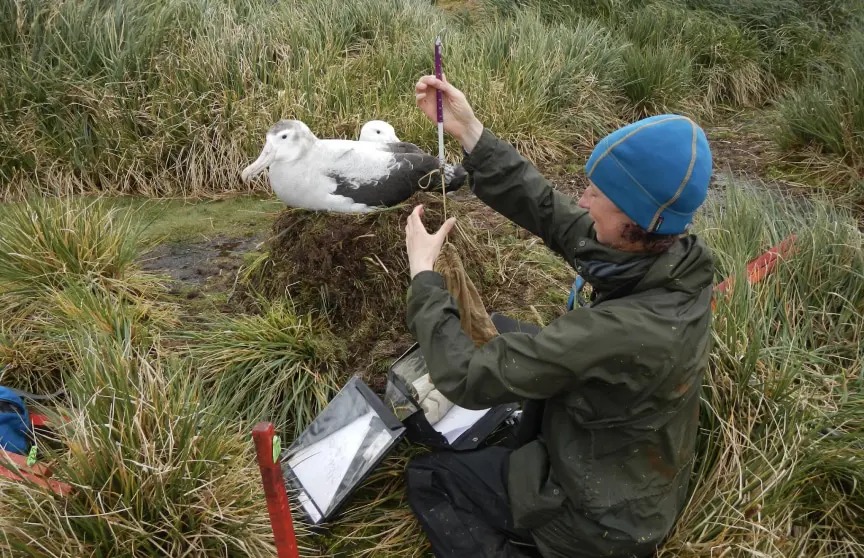
Stay back from birds that could injure you or expose you to infection. A hawk or owl has powerful talons, and a large heron can strike with its pointed bill. Capture advice for small songbirds doesn’t work safely on these birds.
Don’t approach repeatedly, poke the bird, or try to inspect a wing. Keep children and pets away, and ask a wildlife professional or your state wildlife agency for instructions for that species.
For sick birds, the CDC’s bird flu prevention guidance advises against direct, unprotected contact with sick or dead wild birds. If contact is unavoidable, use protection and follow professional direction. Several sick or dead birds in one place are a reason to contact officials. An unusual appearance alone doesn’t mean avian influenza.
Some veterinary clinics can’t safely isolate potentially contagious wildlife, so call before you bring a possibly sick bird into one. To check window glass, feeder placement and other wildlife hazards around your home, use the bird-safety guide.
Who do you call for an injured wild bird in the United States?
Look for a permitted wildlife rehabilitator who accepts the bird type involved. Rehabilitation is specialized: a center equipped for songbirds may not take an owl or waterbird, and a general veterinary clinic may not take wild birds.
- Use a wildlife helper finder. Enter your US location in Animal Help Now’s injured-wildlife finder and review the bird-care listings. A rough description of size and appearance is enough to start.
- Check the state wildlife agency’s list. State rehabilitator directories and wildlife resources lead to permitted providers, especially when the first finder turns up unsuitable ones.

Tufts Wildlife Clinic in Massachusetts separates its guidance by bird group, including songbirds, raptors and waterfowl. That split is useful nationwide. Its contact details apply only to its own region.
What should you confirm before transporting the bird?
Call ahead and make sure someone can accept this particular bird before you travel. A listing, voicemail or unanswered message does not confirm admission.
| Tell the provider | Confirm before leaving |
|---|---|
| City, state or ZIP code | Whether the provider serves your location |
| Approximate size, bird type and visible condition | Whether that bird group is accepted and intake is available |
| Where and when it was found, including known window or pet contact | Whether special handling or transport precautions apply |
| Whether you can drive or need transport help | Drop-off instructions, timing and any available transport arrangement |
Describe what you see without guessing a diagnosis. A drooping wing, trouble standing or unusual breathing is useful information. Ask for the intake location and how to reach them, since some rehabilitators work from private homes and have specific handoff arrangements.

If the facility declines that bird type, ask whether it knows another permitted rehabilitator.
How can you keep a small injured bird safe while help is arranged?
While you contact a rehabilitator, even if nobody has answered yet, put a small injured bird you can approach safely in a secure, ventilated box. Keep it dark, quiet and away from pets, and handle it as little as possible. Give no food, water or medication, and don’t try to treat the injury. Feeding or watering a stunned bird can harm it. This applies to small birds only, not to raptors, herons or possibly infectious wildlife.
What changes after a window strike or a cat or dog encounter?
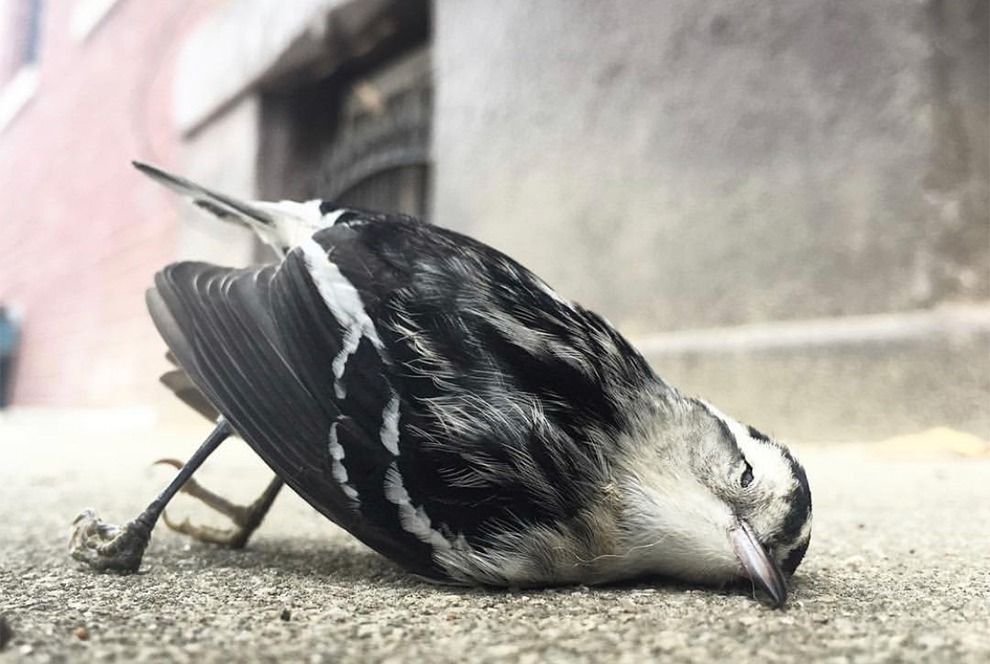
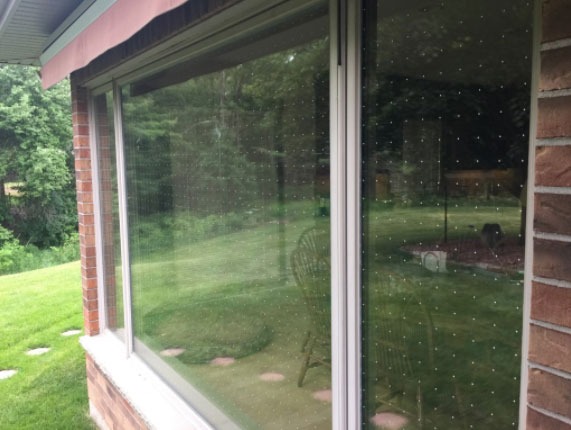
After a known window collision or pet encounter, have a professional assess the bird even if it looks alert. Impacts can cause injuries that are hard to spot from outside, and contact with a cat or dog can leave little visible damage.
One r/Ornithology poster described a bird that stayed alert for hours after hitting a window but kept ending up on its back:
Found this bird at around 10 this morning after it hit my window, but it in the box with paper towels to keep it upright. Usually I would have low hopes for this guy but he’s been pretty alert for the past 6 hours and he’s moved out of the box several times when I’ve come to check on him (not walked at all more like attempted to jump around and ended up on his back). I know no food and water and all that I’m just wondering what the consensus on this guy might be?
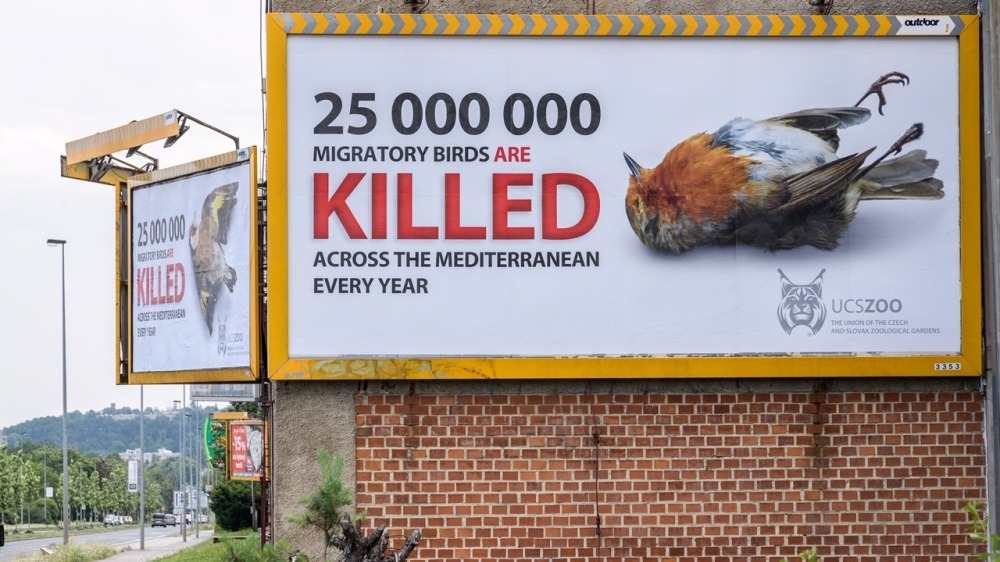
Quiet behavior, balance problems or an asymmetric wing after an impact also call for assessment. For detailed guidance on collisions and flight problems, read what to do after a bird hits a window.
Can a bird be released after resting for 30 minutes?No. The International Wildlife Rehabilitation Council lists a lack of improvement after 30 minutes as a warning sign and recommends professional assessment, even when a bird first seems to recover. If care isn’t available, its guidance offers options that depend on the bird’s condition and the risks of keeping it confined.
What if the rehabilitator is closed, full, or cannot pick up the bird?
You can find a suitable rehabilitation service and still learn that nobody can take the bird. Hours, capacity, bird categories and transport all decide whether help is available.
One r/WildlifeRehab poster found an injured bird with no center open until the next morning:
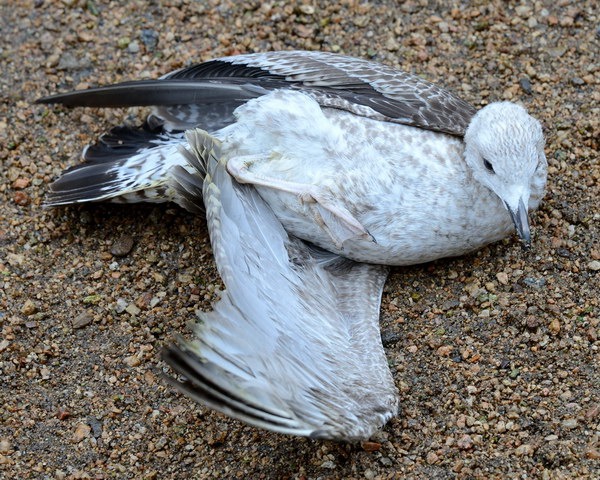
I found the bird on its side breathing quickly on my driveway. I immediately made a supportive nest with a washcloth and put it in a dark ventilated box in the warm garage. I read to not feed it anything or give water. No wildlife rehab centers are open till tomorrow morning. So not sure what more I can do and hoping it survives the night. Any advice besides what I’ve already done? Or is there anything else I can do? Thanks!
- Check Additional Results in Animal Help Now. Helpers unavailable at the requested time may appear there. Treat them as leads for later, respect their published hours (especially for rehabilitators working from home), and use a separately advertised emergency contact if one exists.
- Try another permitted provider or state referral resource. A state wildlife agency may name other rehabilitators or explain regional options.
- Ask local alternatives. A veterinarian who handles wildlife, an animal-control agency or an animal shelter may know a route. Ask whether they can actually help with this bird before you go.
- Solve the transport problem. If you have no car or pickup isn’t available, ask the provider for an approved transfer or transport contact.
Can you keep the bird or treat it yourself?
Ongoing rehabilitation of protected migratory birds requires authorization. Under 50 CFR § 21.76(a), an individual who finds a sick, injured or orphaned migratory bird may take temporary possession without a federal rehabilitation permit to transport it immediately to a permitted rehabilitator or licensed veterinarian. That exception does not authorize unpermitted ongoing rehabilitation, and state restrictions may also apply.
Keeping a protected bird until it heals can delay proper care and create legal problems.