If a bird at your feeder looks sick, stay back and keep children and pets away. Don’t handle or medicate it. Take down your feeders and birdbaths for two weeks, as the CDC advises, and clean everything. If your state wildlife agency has issued its own advice, follow that. In a neighborhood full of active feeders, Cornell warns that your pause may send birds to the neighbors’ yards instead. Call a licensed rehabilitator if the bird needs professional help, and check your feeders for sick birds before you refill them.
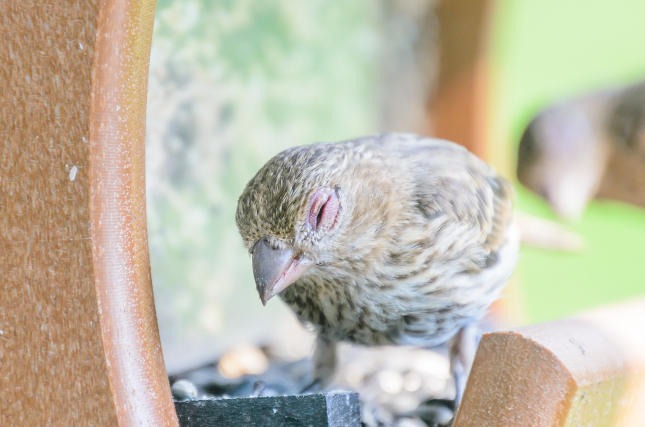
A finch sits at the feeding port after the others have scattered. Its eyes look swollen, and it hardly reacts when you move toward the window. Maybe you’ve already washed the feeder and wonder whether putting it back out will expose the other birds.
Different infections spread through different kinds of contact, and a clean surface can be contaminated again when a sick bird returns.
What to do right away if a bird at your feeder looks sick
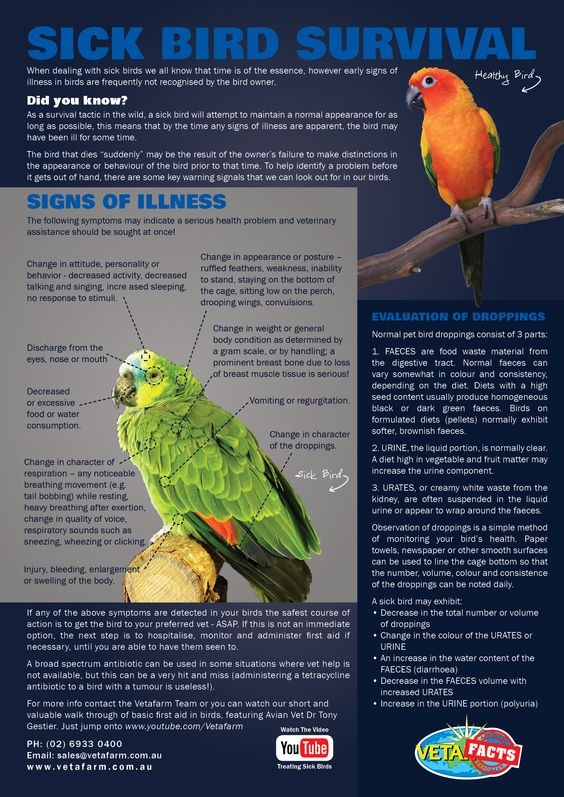
Unusual stillness or an inability to fly away is a warning sign, but you don’t need to get close. Close contact only adds risk.
| What you notice | First response | Where the decision leads |
|---|---|---|
| One bird has crusted eyes, sits unusually still, or behaves strangely | Watch from a distance. Stay clear of the bird, spilled seed, water and droppings. | Recognize warning signs and assess the feeding station. |
| A sick or dead bird is at a feeder or bath | Leave the bird alone and pause feeding for two weeks, as the CDC advises. | Decide whether to pause feeding. |
| A bird is incapacitated, or several sick or dead birds are present | Avoid contact and call your wildlife agency or a rehabilitator promptly. | Find qualified assistance. |
| Another sick-looking bird appears after you clean and reopen | Reassess before you go back to normal feeding. | Respond to recurrence. |
Don’t try to catch the bird, give it eye drops or antibiotics, or force food or water into its beak. Leave treatment to licensed rehabilitators.
How to recognize concerning signs without diagnosing a wild bird
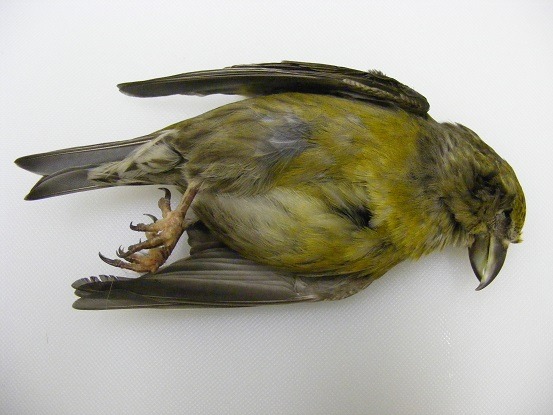
Swollen eyelids, crusted or watery eyes, fluffed feathers, abnormal growths, unusual stillness and poor flight are all worth noticing. Several illnesses and injuries can cause them, and you can’t tell which by looking.
House Finches are associated with mycoplasmal conjunctivitis, caused by Mycoplasma gallisepticum (MG), a bacterium. Cornell Wildlife Health Lab lists reddened or swollen eyelids, discharge and crusting among the signs. Confirming the infection can require veterinary evaluation and lab tests such as PCR.
Wart-like growths may signal avian pox. Eye discharge in a finch could instead come from an injury.
Note any changes in posture, responsiveness and flight, plus the location, the time and the species if you recognize it. A photo taken without disturbing the bird can help a wildlife professional.
Highly pathogenic avian influenza is a different concern, especially when birds die in unusual numbers or officials issue advisories. The U.S. Fish and Wildlife Service distinguishes ordinary backyard feeder songbirds from the wildlife groups generally associated with greater HPAI concern. A sick-looking finch at a feeder doesn’t by itself mean avian influenza.
Should you remove bird feeders and baths for two weeks?
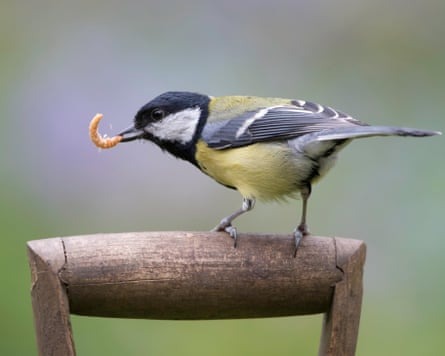
The CDC’s wildlife guidance advises removing bird feeders and birdbaths for two weeks after you find a sick or dead bird. Cornell Project FeederWatch’s cleaning guidance adds a question about your surroundings: will removal spread birds out, or send them to other crowded feeders?
| Source | Situation addressed | Recommendation |
|---|---|---|
| CDC wildlife guidance | A sick or dead bird is found | Remove bird feeders and birdbaths for two weeks and clean feeding equipment. |
| Cornell FeederWatch cleaning guidance | Possible disease transmission at a feeding station | Clean more often, consider disinfecting, and weigh a temporary removal against your local situation. |
| Cornell FeederWatch sick-bird guidance | A sick bird has used a feeder | Remove the feeders it used for a couple of weeks and clean the station. |
| Cornell Wildlife Health Lab | Mycoplasmal conjunctivitis outbreak | Stop using feeders for at least two weeks. |
| State wildlife agency | A local disease event or advisory | Follow the instructions for your location and event. |
For routine care, the CDC recommends cleaning feeders and birdbaths at least monthly. Cornell advises every week or two for seed and suet feeders, and more often in wet weather or heavy use. These intervals cover everyday upkeep and don’t replace the two-week illness response. For seed that suits your birds and feeders, see choosing bird seed for backyard birds.
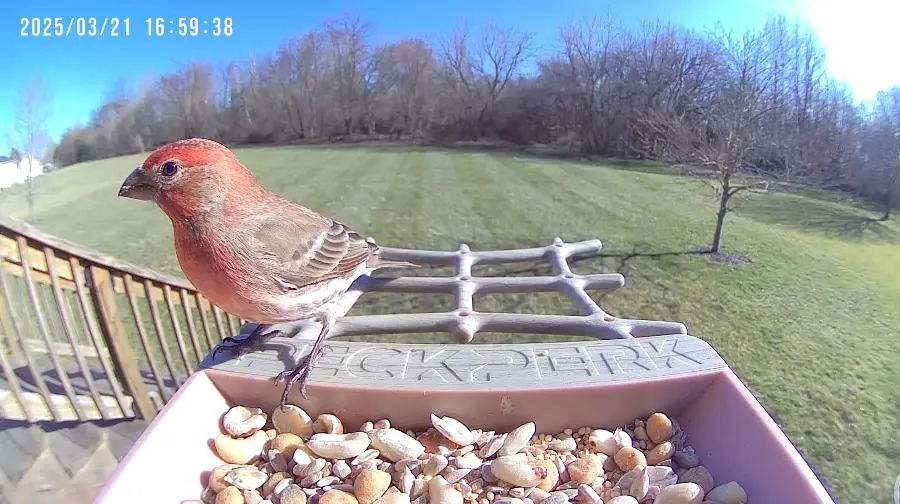
Picture a rural home with one feeding station and few others nearby. Removing it may encourage birds to disperse. On a suburban street with several active feeders, birds displaced from one yard may gather where food remains.
How disease can travel through a bird-feeding station
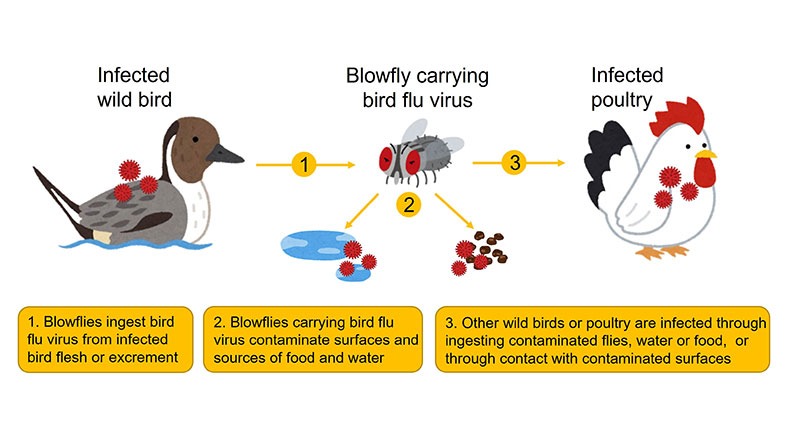
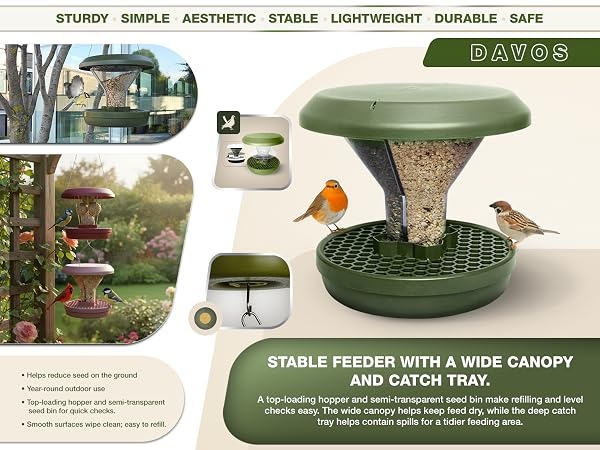
A feeding port, a tray of seed and a birdbath expose birds to different kinds of contact. Mycoplasmal conjunctivitis can spread through eye secretions and close contact, while droppings can play a role in salmonellosis.
A fomite is an object or surface that can carry infectious material. A tube-feeder port touched by an infected bird’s face is one example. Shared feeding points also put birds close enough for other routes.
| Possible route | Illustrative agent | Parts of the station to examine |
|---|---|---|
| Eye secretions and facial contact | Mycoplasma gallisepticum | Tube openings, feeding ports, perches and places where birds rub their faces |
| Droppings contaminating food or water | Salmonella and other fecal-associated agents | Exposed seed trays, hopper floors, birdbaths, spilled food and the ground below |
| Continued contact between birds | MG, with other pathogens using other routes | Shared feeding points where sick and healthy birds keep interacting |
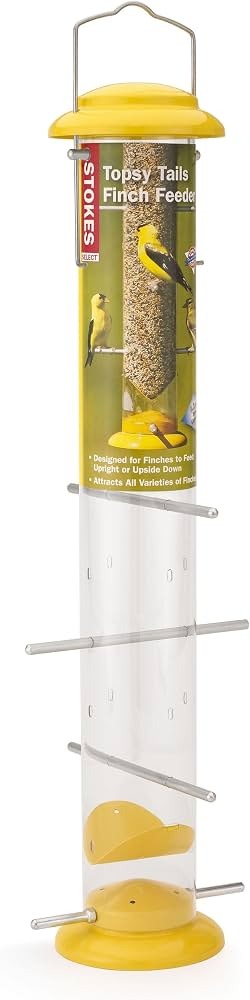
With a tube feeder, watch where beaks and faces touch the same opening. A platform feeder changes that contact but may leave food more exposed to droppings.
Researchers examining a 2020 to 2021 wild-songbird-associated Salmonella Typhimurium outbreak identified 30 human illnesses across 12 U.S. states. The investigation looked at direct and indirect exposure to birds, including possible links through household pets.
Clean and disinfect the feeder without leaving a new hazard
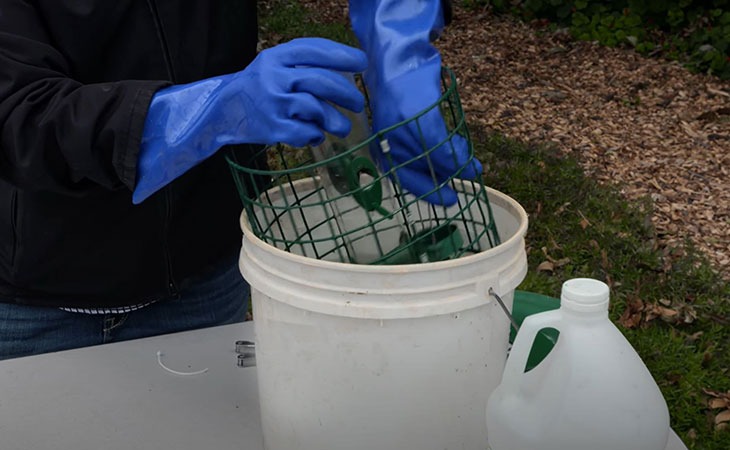
Remove debris before you disinfect. Washing clears seed husks, droppings and residue, and the disinfectant then works on the exposed surfaces. Applied over dirt, it can leave contamination in place.
- Empty the feeder. Discard suspect seed and visibly contaminated food, and don’t put it back in the feeder.
- Remove debris. Clear old hulls, droppings and buildup, including around the ports and in tray corners.
- Wash the components. Scrub every accessible part, following any restrictions for the feeder’s material.
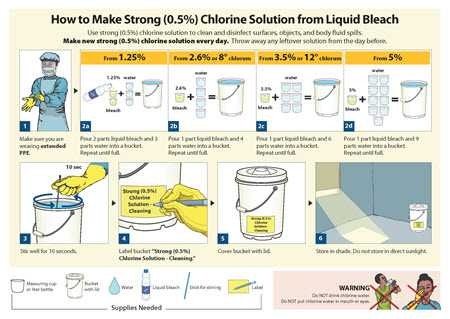
- Prepare the CDC dilution. Mix one part household bleach with nine parts water. One cup of bleach plus nine cups of water makes ten cups of solution. Never mix bleach with vinegar, ammonia or another cleaning product.
- Allow contact time. Soak suitable feeder parts for at least ten minutes, following the equipment and chemical-safety instructions.
- Rinse and dry completely. Birds must not be exposed to disinfectant residue.
- Clean the surrounding station. Address the birdbath, spilled food, contaminated ground material and the place where you cleaned the equipment. Wash your hands afterward.
Clean equipment outdoors if you can. If you must work indoors, use a utility or laundry area away from food preparation, and clean that area afterward.
Can vinegar replace bleach when disinfecting a feeder after illness?Vinegar helps with ordinary washing. Cornell and CDC guidance doesn’t treat it as an equivalent disinfectant in this situation.
Why a clean feeder may still be exposed again
Cleaning removes contamination from a surface and breaks one route of infection. If sick birds keep visiting, though, they bring fresh contamination and expose other birds through direct contact.
In a 2026 controlled experiment, Riley A. Meyers and colleagues studied Mycoplasma gallisepticum transmission among captive House Finches. They cleaned feeding ports and perches with a commercial bleach wipe, let them dry, then used a 70% isopropyl-alcohol wipe and let them dry again. This differs from the CDC’s household bleach soak.
| Study condition | Observed result | What the result means for a feeder owner |
|---|---|---|
| Contaminated feeder surfaces without continuous housing alongside infected birds, 2026 | Detectable MG in 5 of 8 recipients exposed through untreated surfaces versus 0 of 8 exposed through treated surfaces | Cleaning stopped transmission through contaminated surfaces in these captive conditions. |
| Infected and initially healthy finches housed together, with shared ports cleaned every other day, 2026 | No demonstrated reduction in transmission or disease progression | While sick birds stay, surface cleaning alone doesn’t protect the rest. |
| House Finch coccidian parasite field experiment, 2021 | Daily cleaning reduced parasite burden among rural male finches; a comparable reduction was not detected among rural females or the urban comparison | Study context, population and pathogen all affect how you read a cleaning result. |
The 2026 Meyers study used small captive groups, so treat its numbers as experimental observations. They don’t give infection rates for a backyard feeder. The study does separate cleaning away existing contamination from stopping ongoing exposure.
One commenter in a bird-feeding discussion described birds repeatedly touching the feeding ports. Their cleaning schedule is personal opinion, but the behavior they describe shows why continued use matters.
This is just my own opinion based on what I’ve seen close up. Feeders significantly amplify the spread of bird disease. If you watch seed eaters up close, they are very messy eaters (at feeders). They are picking up seeds in their mouth, spitting it out, cracking them open, flinging seed oil and spit and debris everywhere, and seed eaters always wipe their beak. ALWAYS and all the time. When they do this, they rub their beak (and at times part of their face, close to their eye) against a perch or anywhere they can remove seed debris from their beak. And then a few dozen other birds will do the same, in the same spot, all day. So when you have dozens and dozens of finches eating non-stop and causing a mess, the disease spreads. The whole notion of cleaning feeders every 2 weeks is honestly not enough. I’m not even sure every 2 days is enough if you’re getting a lot of activity.
What if your neighbors are still feeding birds?
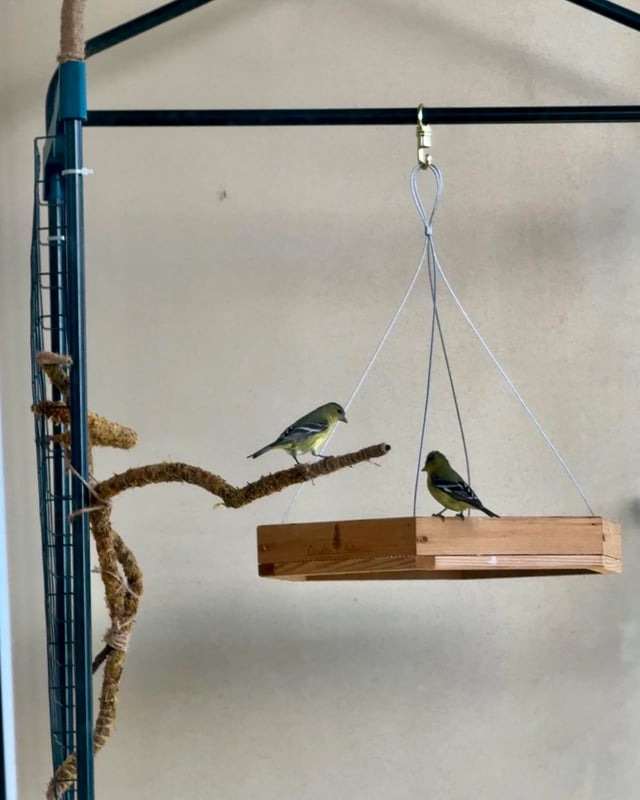
Count the active feeders on your street. If several neighbors keep feeding, the birds you displace will crowd at those stations.
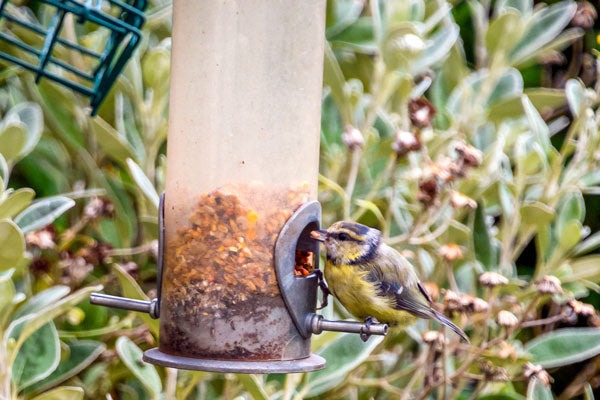
One commenter described pulling feeders while everyone nearby kept feeding birds:
So I understand the idea of pulling feeders is to get them to disperse to slow or stop the spread. However, everyone around me feeds birds. Mostly small birds with perches and ports. I’ve noticed they itch their eyes on the ports and get their face all over those types of feeders. The last time we had one with it it was brutal during winter. I pulled all feeders, bleached cleaned and dried them and only stuck platforms out to feed everyone. Nothing with a perch or small port. I never saw another bird with it.
When a sick bird needs a wildlife professional
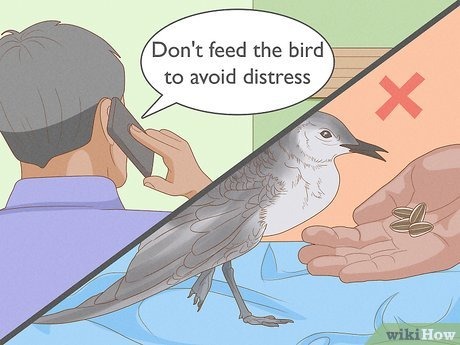
A bird that is clearly incapacitated, badly injured or in severe distress should get guidance from a licensed wildlife rehabilitator. Several sick or dead birds call for contacting the state wildlife agency. When you call, describe the signs you saw, the location, the species if known, and any unusual deaths. Animal Help Now can help you find U.S. wildlife assistance, but coverage and intake vary, so call before you try to transport a bird. If an official avian-influenza advisory applies, follow the responsible agency’s reporting instructions.
When can you put feeders back up, and what if sick birds return?
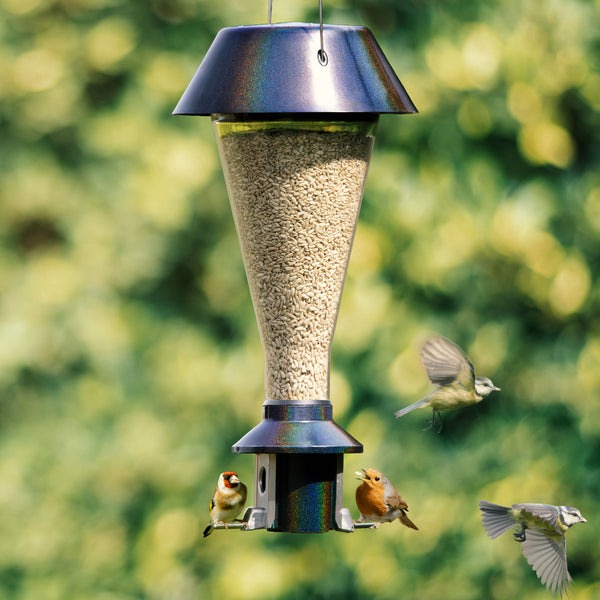
Once the pause has ended, local rules allow feeding, and the feeders are clean and dry, you can put them back up. For a more focused look at timing, see when should you take down bird feeders.
One feeder owner saw a second unwell bird shortly after cleaning the feeders and putting them back up:
3 weeks go we had 2 feet of snow and I saw a sick purple finch. Pulled down feeders, sat out 2 weeks, bleached them, put em back up 9 days ago. I go to the side yard – And all the birds fly away and this gal is still on the feeder and lets me walk right up to her.
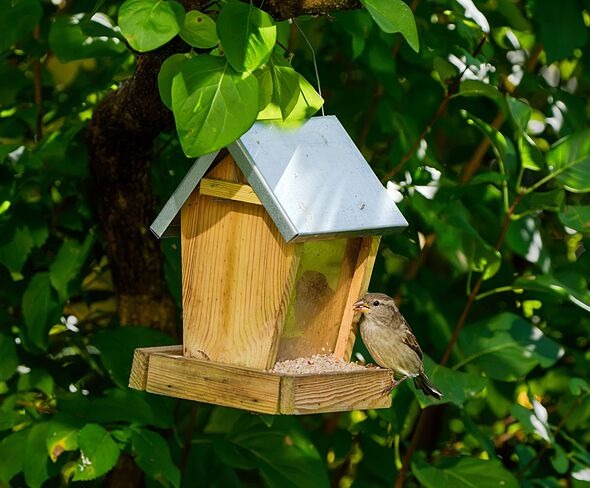
If another bird looks sick after you reopen, treat it as a new incident and reassess under your wildlife agency’s guidance.
Keep the feeding area safer after the immediate problem
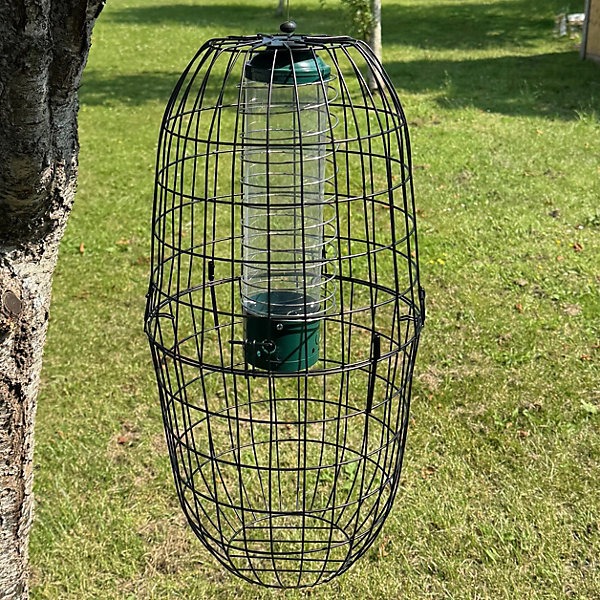
Hummingbird nectar feeders need more frequent attention than seed and suet feeders, especially when nectar gets contaminated. Check feeder surfaces, droppings and cleaning intervals against how to clean bird feeders without spreading disease instead of relying on one clue.
For birdbaths, Cornell recommends changing the water about every couple of days and scrubbing the basin about once a week, sooner if it gets dirty. Keep the ground under busy feeders clear of damp hulls, droppings and spoiled food.
Feed only as much as you can keep clean in heavy use or wet weather. Fewer feeders are easier to maintain.
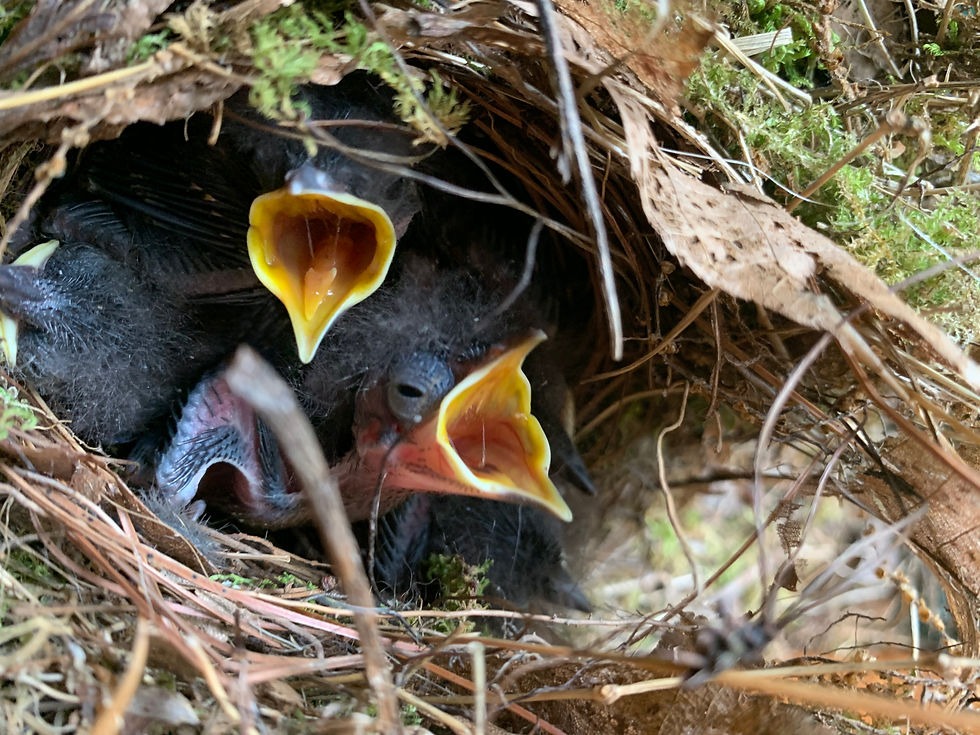
Native plants suited to your area give birds natural food and shelter without a crowded port or tray. A yard can support visiting birds with plants and cover even when you cut back or stop supplemental seed.
For window strikes, feeder placement and other wildlife hazards, see the bird-safety guide.