For a U.S. yard where you want more wild birds, fix window and cat hazards first. Then add native plants or clean water you can maintain. Feeders are optional, and if you can’t clean one regularly, skip the food. Start with one change that fits your space and watch what local birds use.
Check the hazards before you attract more birds
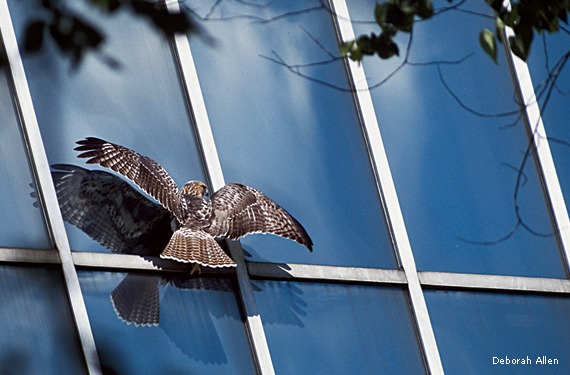
A bird-friendly yard turns dangerous when a feeder or birdbath pulls birds toward untreated glass. Start at the house. A picture window that reflects trees or sky looks like open habitat to an approaching bird. Glass you can see straight through the building looks like open air.
The Cornell Lab’s window-collision guidance explains why the glass itself needs treating. Markings must sit close enough together for birds to recognize a barrier. One approach uses marks spaced 2 inches apart across the exterior surface.
A few isolated decals leave large stretches of glass exposed. Moving a feeder to a particular distance from the window does not make untreated glass safe. For feeder placement near windows, see where to place a feeder to reduce window strikes.
Stand outside and look at the windows that face your planned planting, bath or feeding area. Watch for reflected vegetation, bright sky and apparent openings through the house. Treat collision-prone panes before you add anything that draws birds toward them.
Cats need the same attention. A shrub that looks like perfect shelter also gives a cat a place to wait. Keep your cat indoors or in a catio. If free-roaming cats keep hunting around the spot, hold off on attractions there.
Spilled seed, rodents and larger wildlife drawn to food can also rule out a feeding station.
Pick the first improvement your yard can support
Start with one improvement. Sketch your property first. Mark existing trees and shrubs, open lawn or paved areas, sunny and shaded spots, drainage problems, possible water locations and the places where you want to watch birds. Include any space you can’t change because of a lease, HOA rule or building restriction.
Cornell’s yard-planning approach starts with three basic resources: food, water and shelter. Your first change depends on which of those is missing and what you can maintain.
| What your yard is like | First option to consider | Condition that changes the choice |
|---|---|---|
| Reflective glass or uncontrolled predator access | Pause new attractions and fix the hazard | A new attraction increases exposure |
| Little vegetation, with room for planting | A native shrub, perennial or other plant layer suited to your area | Light, drainage and mature size must fit |
| Established cover, with limited accessible water | A shallow birdbath you can maintain | You must be able to clean it and reach it safely |
| Good habitat and time for regular feeder care | A feeder suited to birds that occur locally | Food hygiene and waste control are essential |
| Small patio, rental or restricted property | An allowed container planting or a modest habitat improvement | Building rules and available space decide |
If two options look equally useful, pick the one whose upkeep fits your time.
A gardener in southwest Ohio asked what woody plants could feed wildlife while fitting beside the foundation:
Obviously features like larval hosts, berries, and thickets are going to help, but which woody plants offer those things and also play nice that close to the house? All I can think of off hand is serviceberry, but I’m wondering if there are other fun options I’m missing.
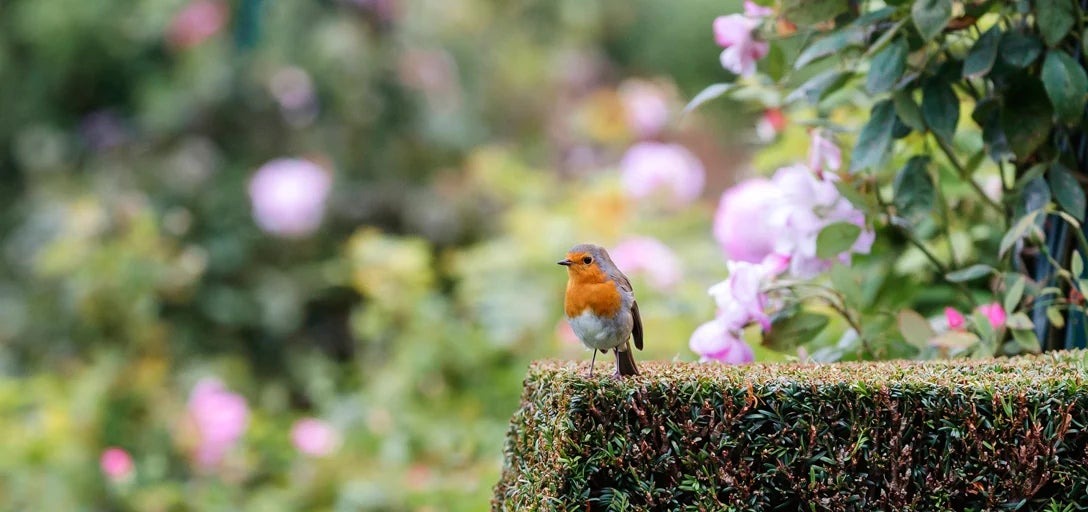
Plant size, wildlife value and visibility from indoors all matter here. A tall tree makes good habitat but won’t fit a narrow planting strip.
Grow locally suitable plants for food, insects and cover
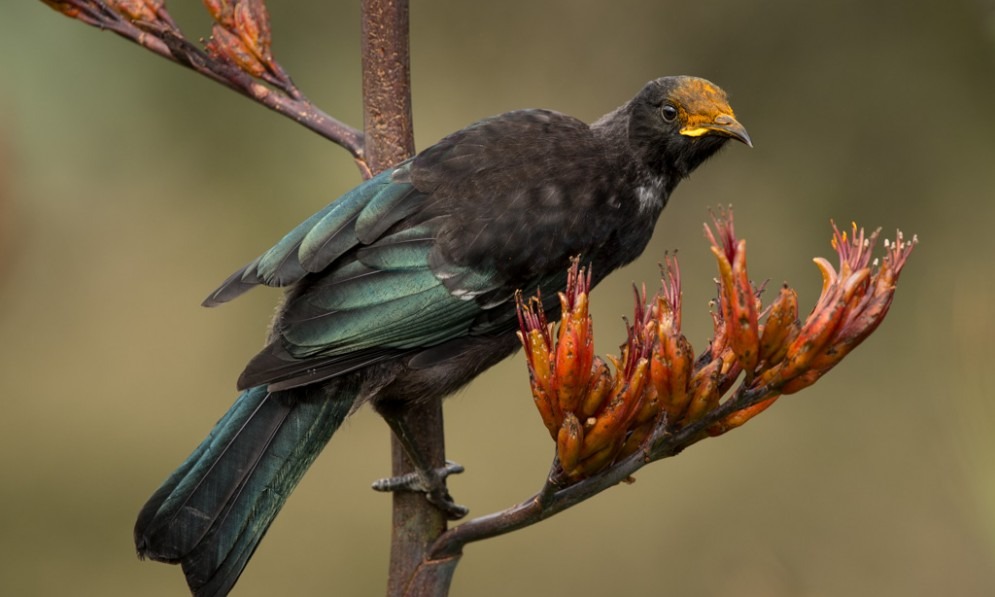
Insects matter most. Many songbirds that eat other foods as adults feed insects and caterpillars to their young, and native plants support the insects those birds depend on. A good bird plant also offers nectar, fruit, seeds, shelter or a place to forage. For shrub, insect and cover checks, see choosing locally native plants for birds.
Trees, shrubs, flowering perennials and groundcover each give a different kind of shelter, and layered vegetation lets birds move between places to forage, perch and hide. Leave some seedheads and fallen leaves where you can to preserve food and insect habitat. Avoid unnecessary broad pesticide use in planting areas, since it removes insects birds eat.
In a 2018 study of residential landscapes around Washington, D.C., Narango, Tallamy and Marra found that yards dominated by nonnative vegetation supported fewer arthropods, lower Carolina Chickadee reproductive performance and poorer modeled population growth. The study sets no required native-plant percentage for every U.S. yard.
Cornell’s plant guidance names wild bergamot as a nectar source for Ruby-throated Hummingbirds in suitable eastern regions and California fuchsia as nectar for Anna’s Hummingbirds in suitable western regions. Seedheads from sunflowers or black-eyed Susans suited to your area feed finches.
A plant suited to one region can fail in another. Start with the Audubon native-plant database. Enter your ZIP code, then pick candidates that match the birds you want to see.
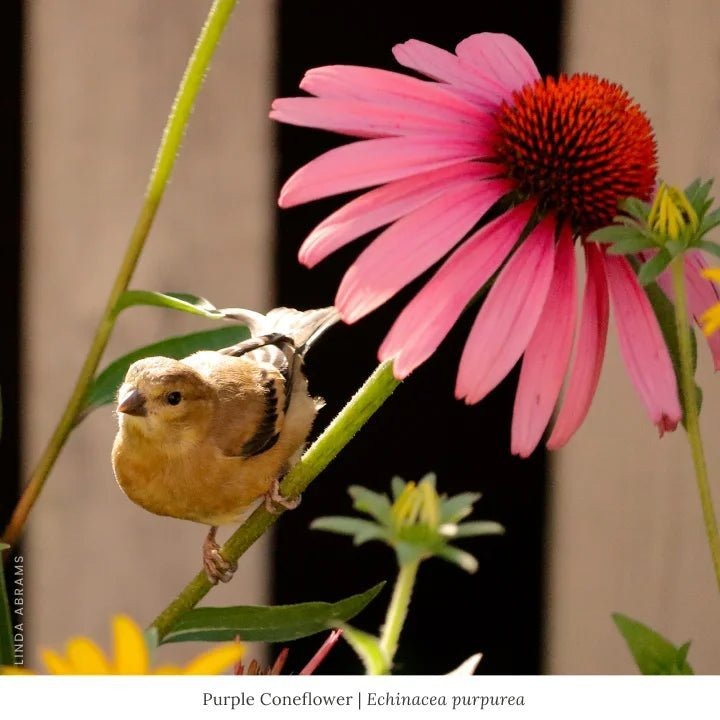
Before you buy, compare the plant’s mature size with your space and check its sun, moisture and drainage needs. Local Extension or native-plant resources can confirm a species fits your site. A shrub beside a foundation needs room to grow, and a container perennial needs the right light, soil and ongoing care.
Add shallow, usable water only if you can keep it clean
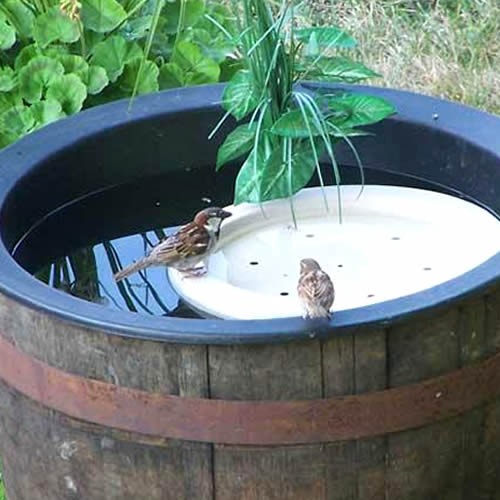
A birdbath gives birds drinking and bathing water where they have limited access to it nearby. It works when you have a safe spot and can keep the basin clean. For placement and upkeep, see safe birdbath placement and maintenance.
Choose a stable, shallow basin with a gentle edge birds can enter and leave easily, and add a secure rock or other foothold. Keep it clean, because a basin full of droppings, debris or dirty water does birds no good.
Audubon recommends changing birdbath water daily or every other day. Project FeederWatch recommends replacing it as often as possible, giving every couple of days as an example, and scrubbing the basin about weekly. Clean sooner when the water is fouled, in heat, with heavy use or when it freezes.
A backyard gardener described what happened just after refilling a bath during a Midwest heatwave:
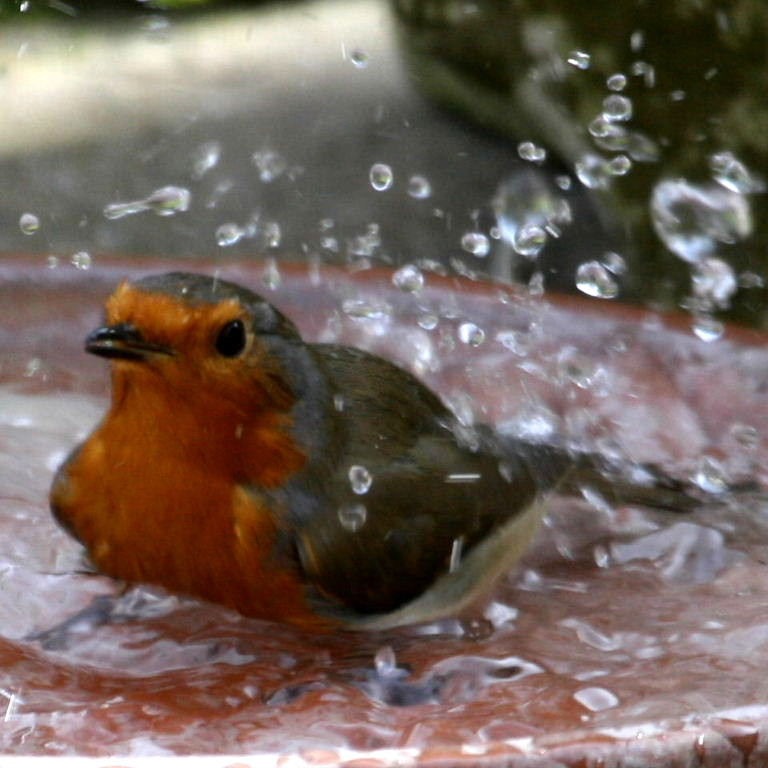
If you, like me, plant native for the birds – take the leap and get the bird bath! Check your local DNR resources for best practices for native birds (easy step outs like a rock, frequent cleaning, etc). It takes the native garden to a whole new level 🙂 we’re having a massive heatwave here in the Midwest and I just refreshed mine. As soon as I got it back in its holder there was a whole bunch of robins throwing a pool party in it. Highly recommend!!
Decide whether a feeder is worth the maintenance
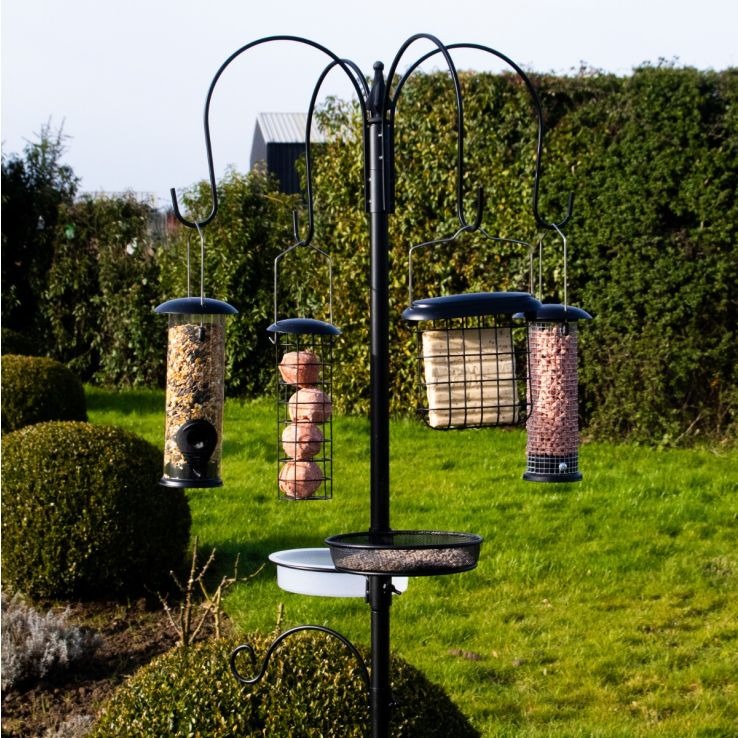
A feeder lets you watch birds up close. It also brings perishable food, washing and waste you have to manage.
Some birds eat seeds, others insects or fruit, and hummingbirds visit nectar where the right species occur locally. Match the food to the birds and the season. The feeder type sets the workload.
Project FeederWatch’s Common Feeder Birds tool lets you compare likely winter feeder visitors by broad region, food and feeder type. It can’t predict which birds will visit your yard.
| Feeding choice | What it provides | Routine and main constraint |
|---|---|---|
| No supplemental feeder | Vegetation and other habitat do the work | Plant and habitat care continue, with no bird food to store or manage |
| Seed or suet feeder | Extra food for visiting species | Wash about every 1 to 2 weeks, more often when wet or heavily used; manage hulls and spilled food |
| Hummingbird nectar feeder | Extra nectar for visiting hummingbirds | Clean every couple of days, more often in warm weather or with heavy use; watch for spoilage and mold |
Pick a feeder you can take apart and wash thoroughly. Project FeederWatch feeding guidance calls for more frequent cleaning when food gets wet, use is heavy or contamination appears.
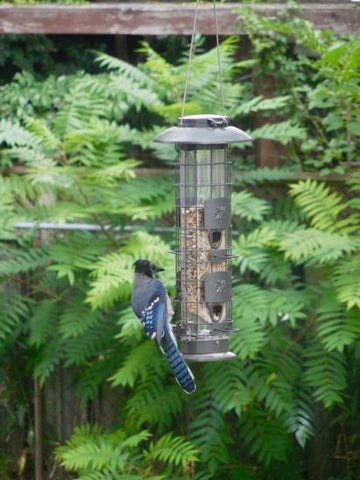
For seed and suet stations, remove spoiled food and debris, rinse after washing and let seed feeders dry fully before refilling. Store food where spoilage and pests can’t reach it. Clear spilled seed from the ground so rodents and other wildlife stay away. Full steps are in how to clean bird feeders without spreading disease.
If you can’t wash a nectar feeder every couple of days, don’t put one up.
If birds show signs of illness or a local wildlife-disease advisory applies, clean feeders more often and consider disinfecting. Follow official or FeederWatch guidance on whether to suspend feeding.
Put bird-friendly features where cover helps without creating trouble
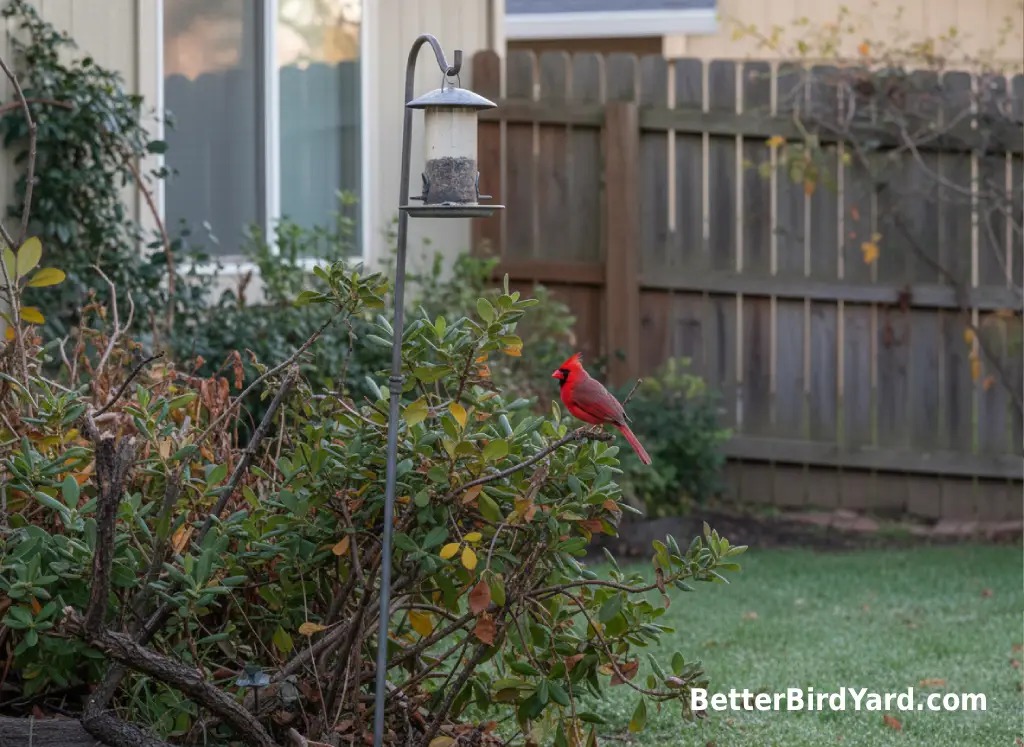
Put a bath or feeder where birds have cover nearby, where you can reach it for upkeep and where you can see it from the house. Open ground offers few perches, while dense shrubs can hide cats, so adjust for the animals in your yard. If a station is hard to reach or keeps drawing predators, move it.
Why birds may not visit the yard right away
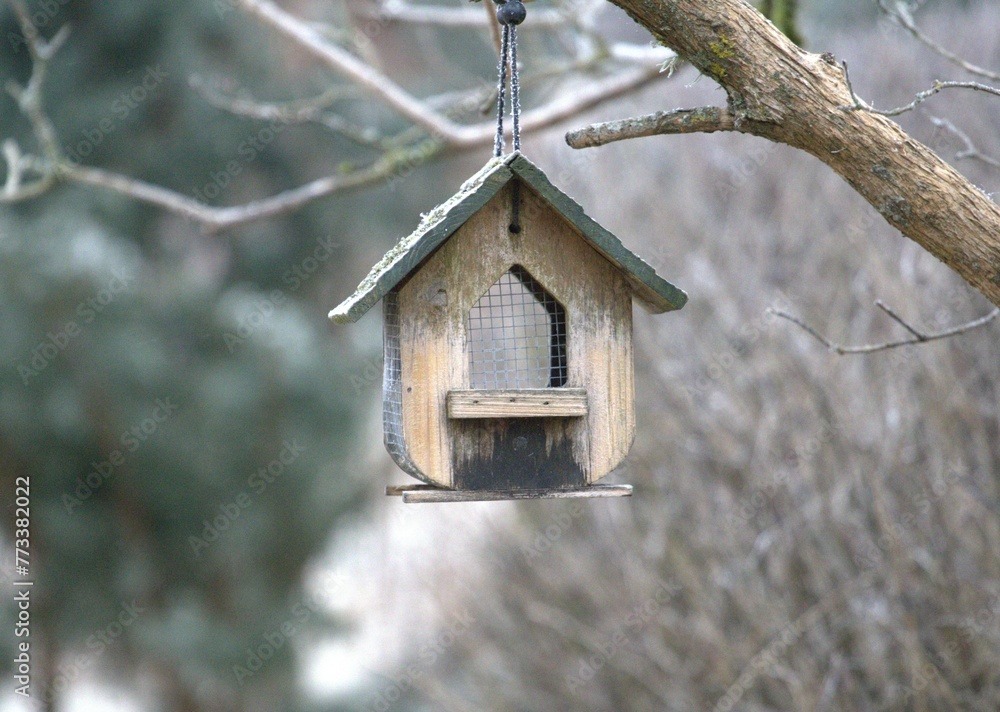
A feeder can sit untouched while birds feed in shrubs a short distance away. A new feeder won’t fix that by itself.
Birds may have plenty of natural food, prefer other foods or move around with the seasons and weather. Predators and disturbance also change where they forage.
One homemade feeder went unused even though birds were nearby. Its maker imagined advertising free food:
There’s some shrubs and plants behind my appartment and i know a lot of small birds are chilling there, but i dont think they realize there’s a giant food cashe 10 metres from them. Like, i know rent is high but this is prime real estate people! How do i get them to come take some food? Would it help if i put something smelly like peanutbutter in it? Or should i make a sign to let them know that it’s free?
Peanut butter in that question is an untested idea, not a feeding recommendation.
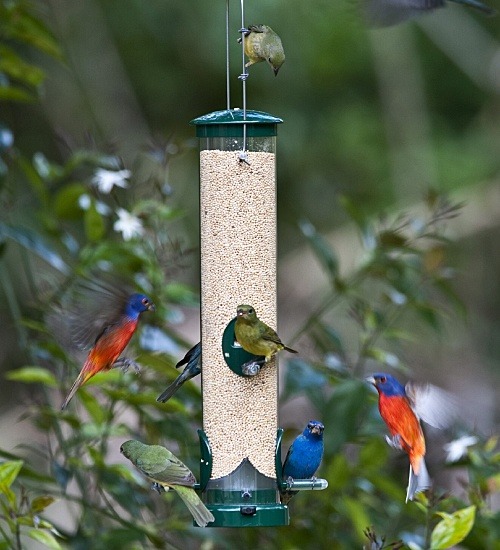
Project FeederWatch’s guidance on absent birds explains how changes in natural food, weather and bird movements affect feeder visits.
If visits are scarce, sort out the cause:
- Birds nearby, food untouched: Check that the food suits local feeder birds and is fresh.
- Birds can’t use it easily: Check access, and whether the surroundings make approaching uncomfortable or hazardous.
- The season has changed: Compare likely local birds and natural food before blaming the equipment.
- Food piling up: Check for spoilage and pests before adding more.
Change one thing at a time, such as the food or one site problem. No set timetable tells you a new feeder has failed, and some birds never use a given feeder even when your yard is good habitat.
Watch what changes before adding more
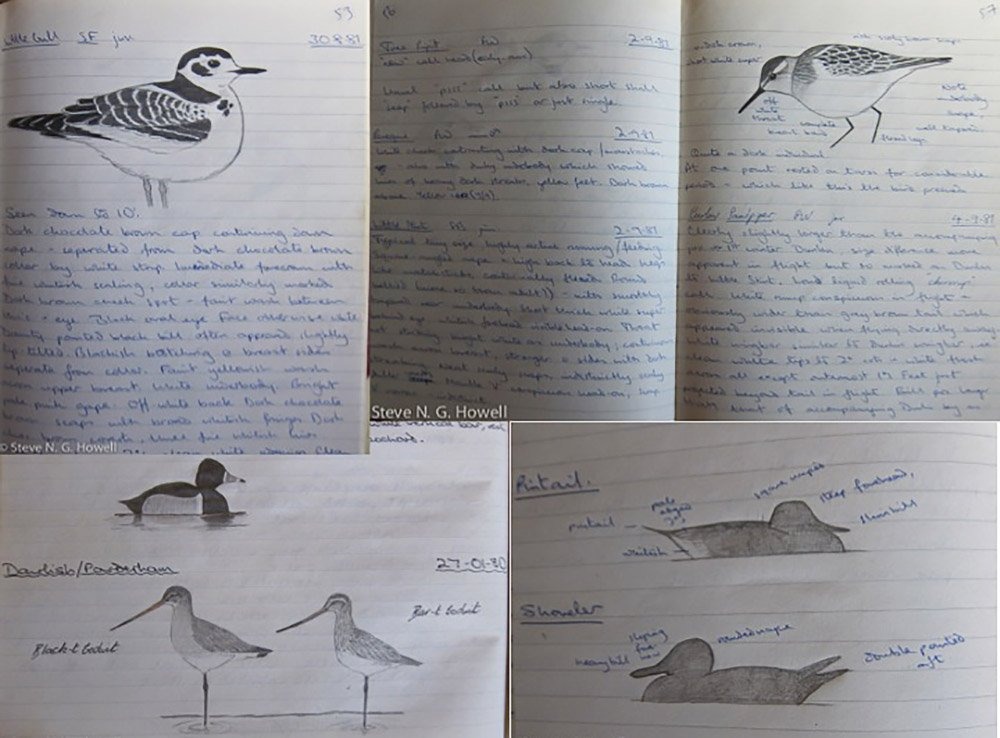
Keep a short observation record. Write down the date or season, the species you recognize or your best guess, what the bird used and any relevant conditions, including food spoilage, cleaning needs, unusual animal visitors or safety problems.
A bird might forage among shrub branches, take seeds from standing flowerheads or use a bath while ignoring a seed feeder.
Season, weather and neighboring habitat affect your notes, so a short run of visits won’t prove one planting or bath caused a change. Suppose robins start visiting your water while seed sits unused. That shows the water works and the seed station may not be worth the upkeep. If old seed keeps piling up and drawing unwanted visitors, the upkeep outweighs the fun of watching birds there.