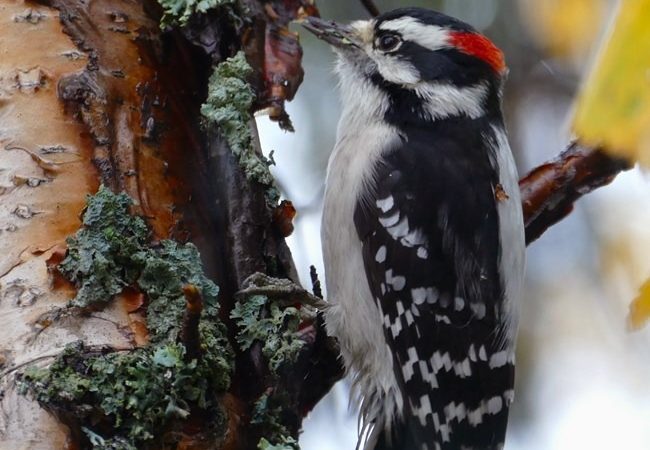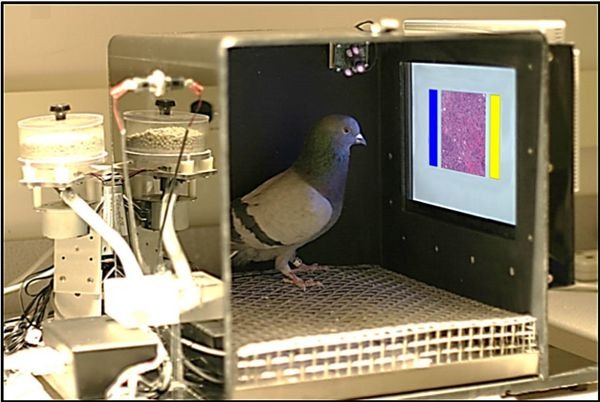
Start birdwatching close to home with your eyes and ears. You can learn from a wild bird without buying binoculars, installing an app, or keeping a life list. Your first step is to watch one bird and notice its shape, behavior, and surroundings. If distance hides useful details, try borrowed binoculars before you choose a pair.
How can you start birdwatching today?
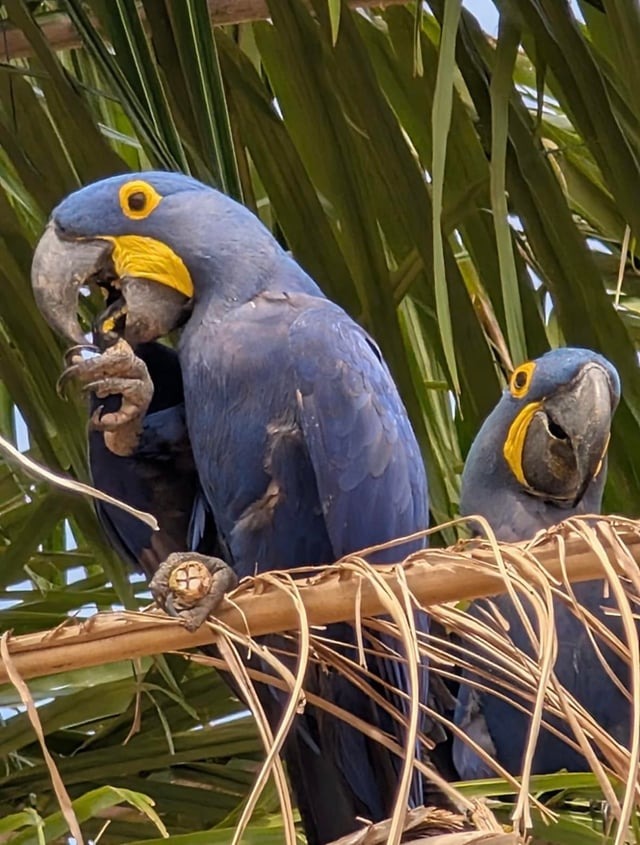
If a bird lands outside your window and you stop to watch what it does, you’ve begun birdwatching. You don’t have to know its name. Notice how it moves along a branch, the shape of its bill, or a sudden patch of color when it opens its wings.
For a first attempt, find a wild bird you can watch safely from wherever you already are. If none is visible, stand in one spot and watch for movement in trees or shrubs. Listen for calls before you move on. Once you find a bird, see whether it stays still, searches for food, hops between branches, or flies off.
The National Audubon Society treats binoculars as helpful but optional for beginners. The National Park Service also describes birding in everyday settings, including places close to home.
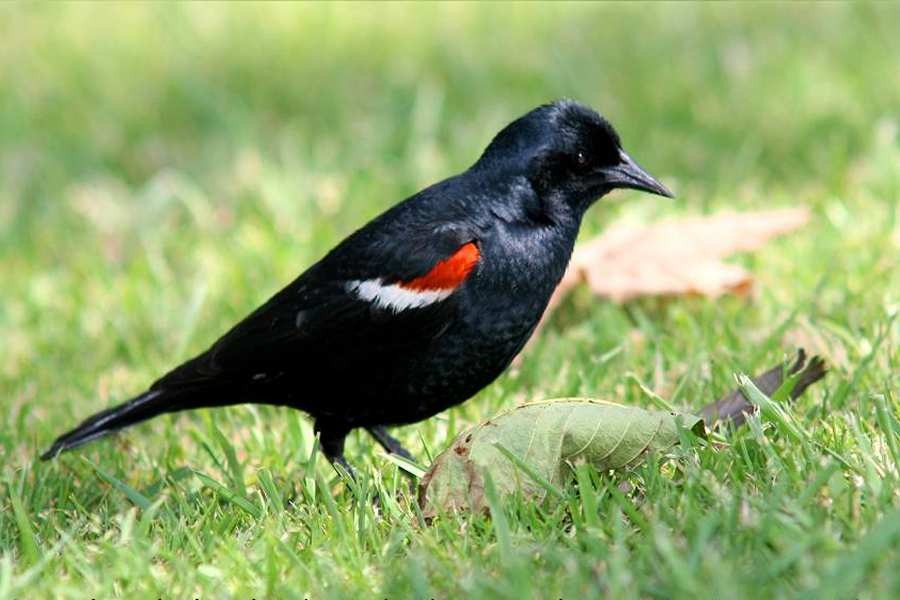
A contributor to r/birding was sitting outside a restaurant in Pacifica when a black bird landed nearby:
Until this winter. I was sitting outside a Taco Bell Cantina in Pacifica, eating a burrito in the cold wind. One hand holding food, the other buried in my pocket for warmth. I didn’t feel like taking out my phone. So I just starring at the void. But suddenly, a small black bird landed on the chair at the table next to me. Nothing special at first glance. Just a black bird. Almost like a sparrow, maybe. But then he lifted its wing slightly — and underneath, a flash of color appeared. Red. A glowing red. Like a sunset I once saw in Lombok, where the sky burns for just a few quiet minutes before disappearing into night. I can’t stop staring at him.
Where can a beginner find birds close to home?

Start somewhere you can reach easily and visit without special arrangements. A kitchen window, apartment balcony, tree-lined sidewalk, and neighborhood park each show you wild birds in a different way.
| Your situation | A reasonable place to begin | What it lets you observe |
|---|---|---|
| A few minutes at home | Window, porch, balcony, or yard | Birds passing through a familiar setting |
| A short break or regular commute | Street trees or an accessible neighborhood path | Birds you see on your usual route |
| Time for a longer outing | Nearby public park or green space | Birds in several parts of the habitat |
| Interest in waterbirds | Safely accessible shoreline or open water | Birds swimming, resting, feeding, or flying |
| A planned birdwatching trip | An established birding hotspot | Spots where observers have reported birds |
Return to the same spot and you’ll see which birds favor an exposed perch and which stay among leaves. You start recognizing familiar habits before you know the species.
Audubon’s How To Begin Birding suggests choosing one attainable species to look for on a planned outing.
Using eBird to find a place
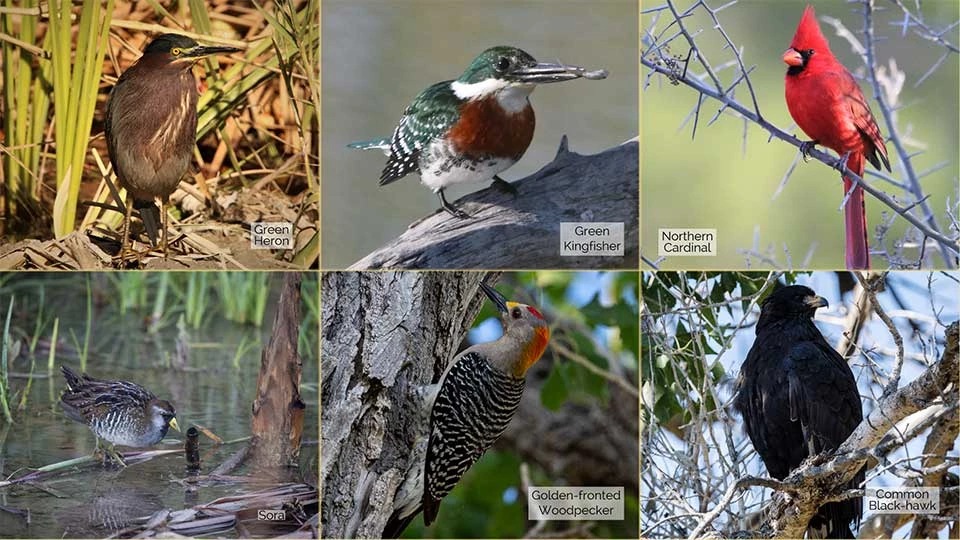
eBird hotspots are shared birding locations where contributors have submitted observations. Their records point you to parks, refuges, and other destinations birdwatchers have visited.
A hotspot shows what others reported before, not what you’ll see. A pin on the map doesn’t give you permission to enter.
Before a trip, check access rules and whether the route and terrain suit you. For more on choosing locations, see the guide to finding birding hotspots near you.
What should you notice before trying to identify a bird?
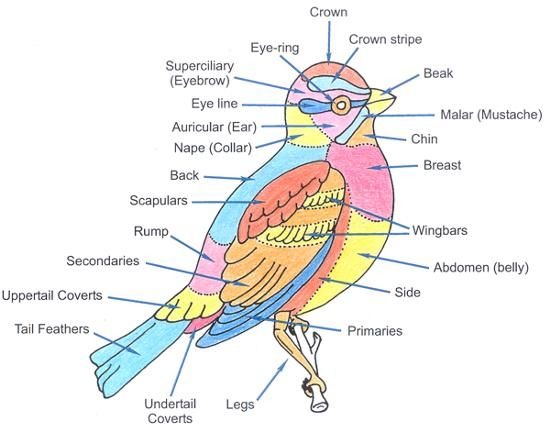
A bird may stay in view for only a few seconds. That is enough time to collect useful clues.
Cornell Lab’s Four Keys to Bird Identification groups clues into size and shape, overall color pattern, behavior, and habitat. Using several clues narrows the options when one distinctive mark is hard to see.
| Clue | What to notice | Example of a useful observation |
|---|---|---|
| Size and shape | General body size, bill, tail, and posture | A small bird with a short bill and an upright stance |
| Overall color pattern | Where light, dark, or bright areas appear | A darker back with a noticeably paler underside |
| Behavior | How the bird moves, feeds, or rests | Hopping between branches and searching among leaves |
| Habitat | The immediate surroundings | Shrubs beside a path, open lawn, trees, or water |
Exact measurements aren’t necessary. A silhouette or the relative length of a tail is easier to remember than a color glimpsed in poor light. Place and season narrow the candidates but don’t confirm an identification by themselves.
Keep a record of what you saw
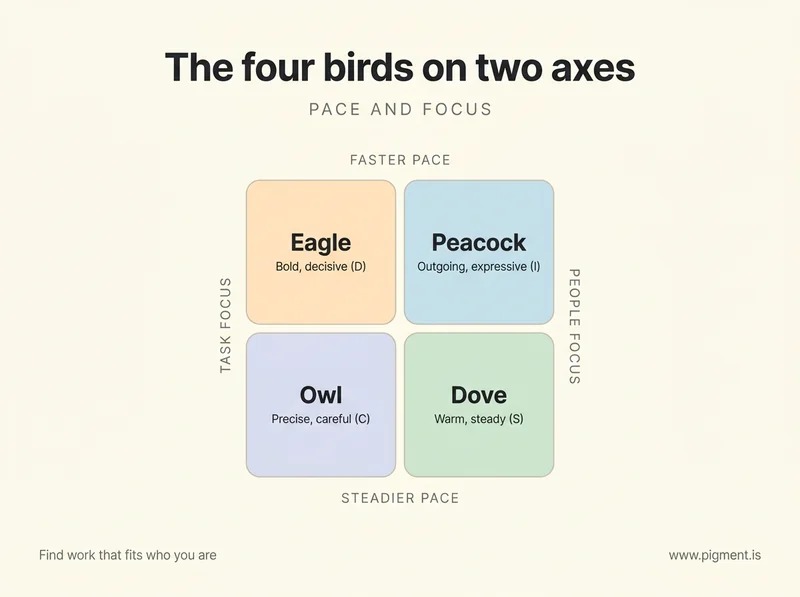
Say you glimpse a small brown bird moving through a shrub, and it disappears before you see its bill. Your note could look like this:
- Shape: Small body; tail visible, bill unclear.
- Pattern: Mostly brown; underside appeared lighter.
- Behavior: Briefly perched, then moved into the shrub.
- Habitat: Low vegetation beside a walking path.
Write down only what you saw. You can compare candidates later without inventing markings from memory.
For a deeper method, use the guide to the four bird identification clues.
Do you need binoculars or other equipment to begin?
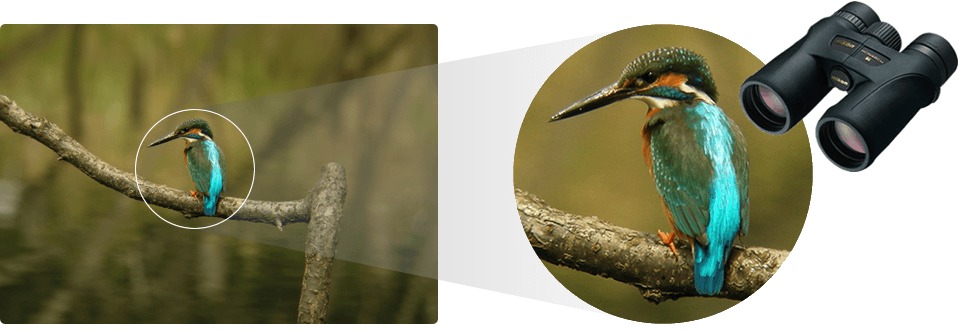
You can start without binoculars, a camera, or field guides. A notebook or phone helps you remember what you noticed, but you don’t need one.
Binoculars help once distant birds keep hiding the shape or markings you need. Skip any pair that feels awkward to hold, is hard to aim at a moving bird, or sits uncomfortably at your eyes, whatever the specifications say.
Before buying, try a borrowed or available pair if you can. Look at a distant, stationary object and check whether you find it quickly, hold a steady image, and view it comfortably.
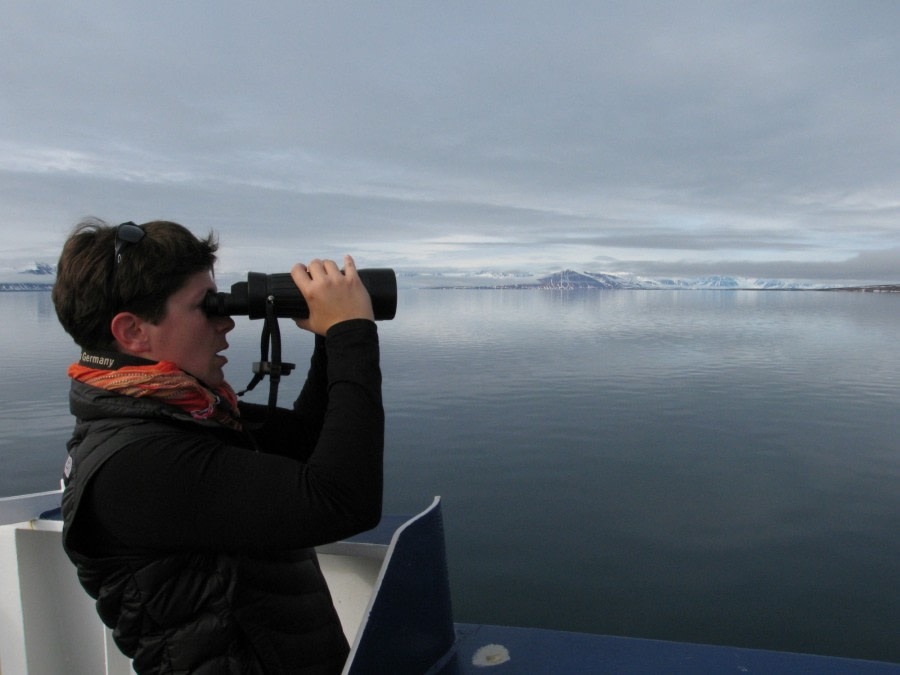
A Missouri graduate student found that balcony feeders revived a childhood interest in birds, but a limited budget made buying equipment difficult.
I’ve recently found myself super interested in birding. It started with getting my mom a bird feeder with a camera this past summer and grew when I moved to a place with a balcony, where I was able to set up my own feeders (including one with a camera). I remember being interested as a kid and had a couple books and a pair of binoculars (which I think I should really look into buying again) then, but I got rid of them as some point and so need to start from scratch. Additionally, as a kid, my grandpa was still around, and he was SUPER into birding, but I can’t exactly ask him for advice on starting now. I’m limited in terms of budget (unfortunately, being a grad student doesn’t pay very well), so I can’t exactly get nice things—not that I imagine that would be recommended for beginners, anyway.
To compare magnification, field of view, weight, fit, and budget, see the birdwatching binocular selection guide. A camera, spotting scope, or specialized lens can wait until a particular interest calls for one.
How do Merlin Bird ID and eBird fit into a beginner’s routine?
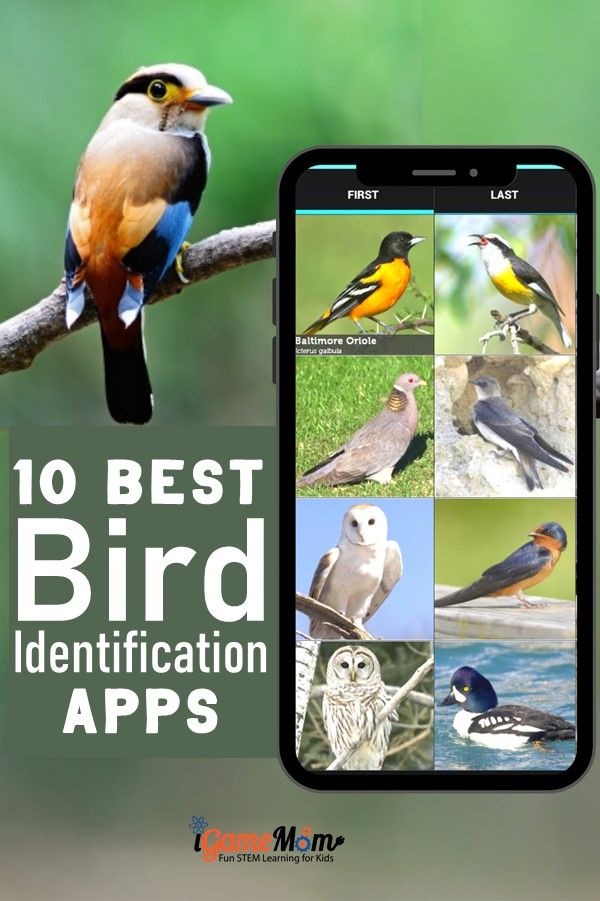
Merlin Bird ID suggests possible identifications. eBird lets you explore reported observations and contribute structured records when you’re ready to report what you saw.
| What you’re trying to do | Merlin Bird ID | eBird |
|---|---|---|
| Work out what a bird might be | Suggests candidates | Lets you browse what others have reported |
| Use an observation | Works from descriptions, photos, and supported sounds | Needs location, observation details, and a reporting protocol |
| Handle uncertainty | Check each suggestion against what you saw | Report at the level your evidence supports. eBird also accepts broader bird groups when the species is uncertain. |
| Develop the hobby | Helps you learn possible species | Supports structured records and exploration of sightings |
Merlin is free, and its identification options and coverage depend on the method and location. Treat a suggestion as a way to narrow candidates while you compare shape, behavior, sound, and habitat.
When the phone hears something you can’t identify
Imagine hearing a song on a walk. Merlin suggests a species, but the singer stays hidden. Listen again and compare the suggestion with the evidence you have. If the clues stay thin, keep the identification tentative.
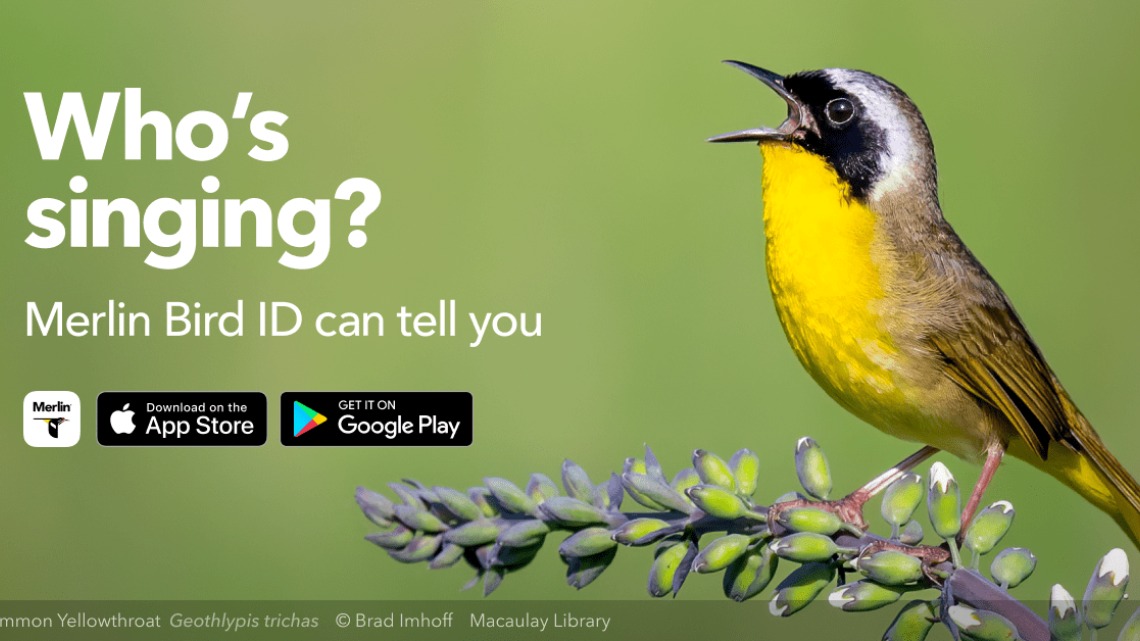
A commuter in Northern Delaware used Merlin to turn morning bird sounds into a personal counting challenge:
So far I’ve been using the Merlin to ID bird sounds around me on my walk to work every morning and set a goal for myself to get to 50 unique species. Now I know I’m not really doing much of the work considering Merlin is just telling me what’s around me, but I still was having a lot of fun doing it, it was sort of like playing real life Pokémon go in a way.
Later in the post, the contributor admits some identifications could be wrong.
When you want to record what you saw
Private notes are one option. An eBird checklist is a separate activity with its own reporting method.
Under eBird’s complete-checklist guidance, a complete checklist means a good-faith effort to report the birds you can identify when birding is your primary purpose. You do not need to identify every bird present.
For a sighting you notice while doing something else, eBird provides an Incidental protocol. A deliberate outing and a chance sighting on your commute are reported differently.
For details, see Merlin Bird ID versus eBird or the guide to recording bird sightings accurately.
How can you watch birds without disturbing them?
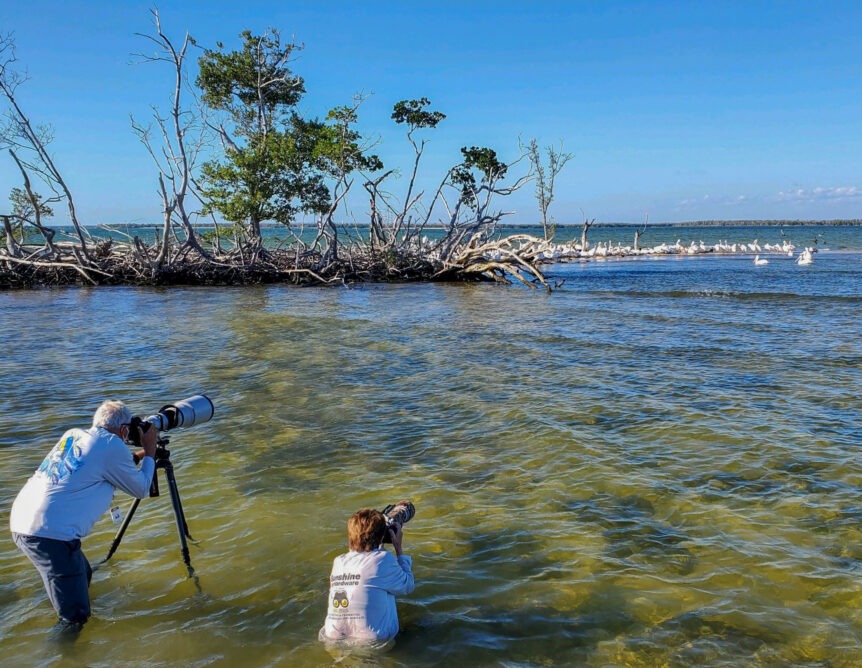
Watch from a distance that lets birds carry on with their normal activity. Move back or stop if your presence alarms them or changes their behavior again and again. Don’t approach active nests for a photograph or identification. Respect property boundaries, park rules, and the American Birding Association’s Code of Birding Ethics. Local rules and sensitive habitats need extra care. The guide to birding ethics in sensitive habitats covers those cases.
What should you learn or try after your first birdwatching session?
The next lesson depends on what you found difficult or interesting during your first observation.
- You heard birds without finding them. The guide to spotting birds in trees and open habitats teaches you how to locate them.
- You saw a bird but couldn’t identify it. Run through the four bird identification clues and compare shape, color pattern, behavior, and habitat.
- A Merlin suggestion left you unsure. Compare Merlin Bird ID and eBird to see what each tool tells you.
- You want to contribute your sightings. Follow the guide to recording bird sightings accurately to pick the right eBird protocol.
- You want a more deliberate outing. Plan a first birdwatching walk.
- You have an upcoming trip. Use the birdwatching checklist.
- You want to learn with other people. Look for a local birding club or ranger-led program. The National Park Service identifies guided activities as a way to learn, though offerings depend on the location.
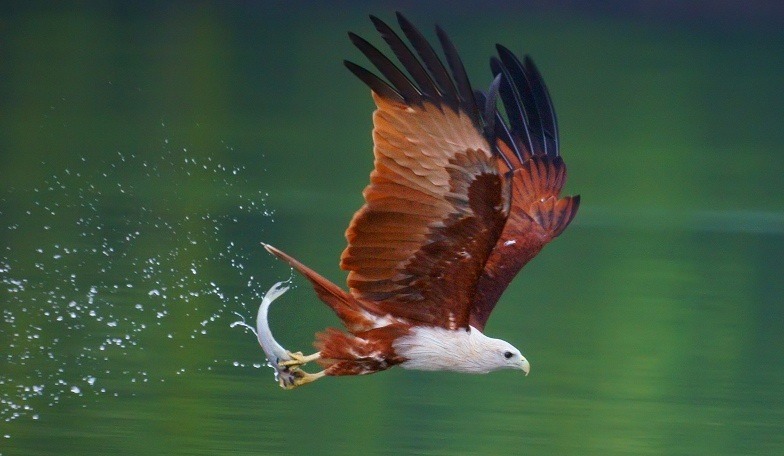
Pick one familiar spot and see what lands.