To reduce House Sparrows at your feeder without harming them, first confirm the species. Then check whether the seed is being eaten or spilled, and change one food or access feature that still suits the birds you want to feed. If the sparrows adapt or your other birds lose access, pause the feeder instead of escalating to risky deterrents. A simple before-and-after log tells you what to keep.
You fill a feeder in the morning. By afternoon, the hopper is nearly empty, a flock of House Sparrows occupies the perches, and seed lies beneath the station. Perhaps the cardinals that used to visit are harder to spot.
Are they House Sparrows or native sparrows?
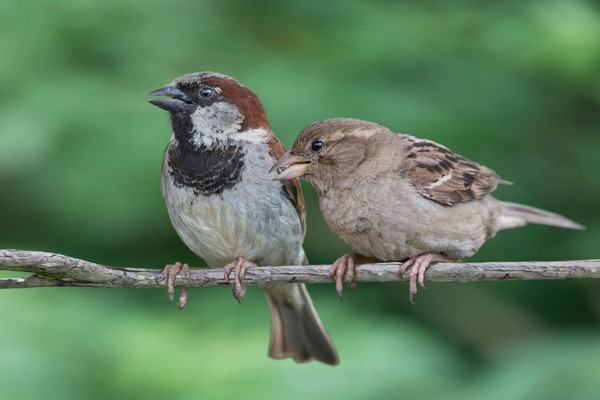
House Sparrows (Passer domesticus) were introduced to North America and are common around buildings and neighborhoods. Several other birds called sparrows are native, so identify your visitor before you use a species-specific deterrent.
A breeding male House Sparrow is stocky, with a stout bill, gray crown, chestnut neck, pale cheeks, and a black bib. Females have quieter buff-brown plumage, a streaked back, and a pale eyebrow. Juveniles can also lack the male markings. For plumage, range, and song, see House Sparrow identification and field marks.
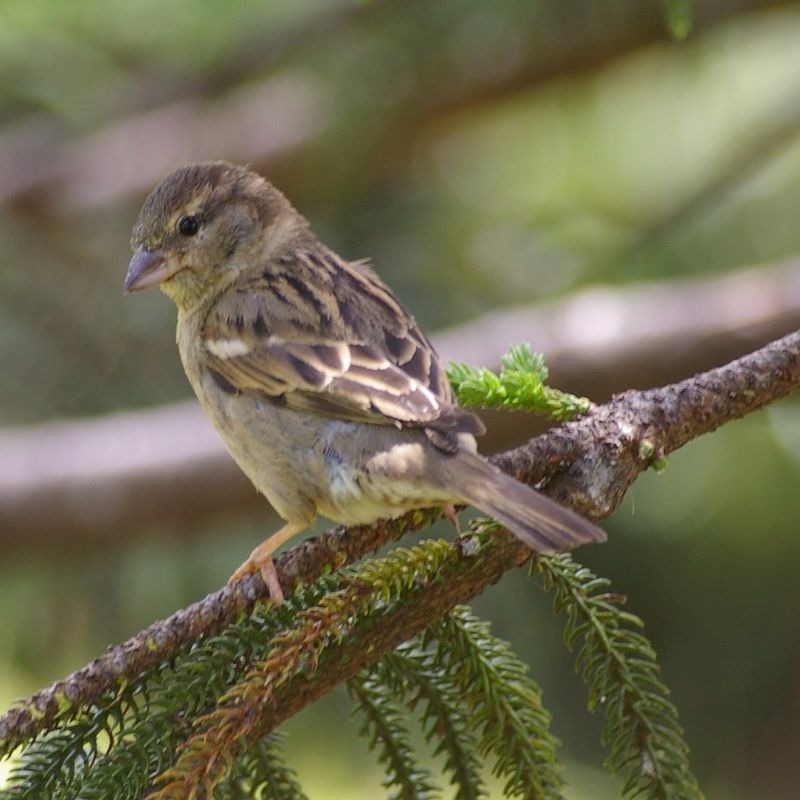
Check head, bill, and body shape against the male, female, and juvenile photographs in the Cornell House Sparrow identification guide. Plumage changes with age and season. Ground feeding and flocking around houses fit the species, but those habits alone won’t identify it.
Are the sparrows eating your seed or throwing it out?
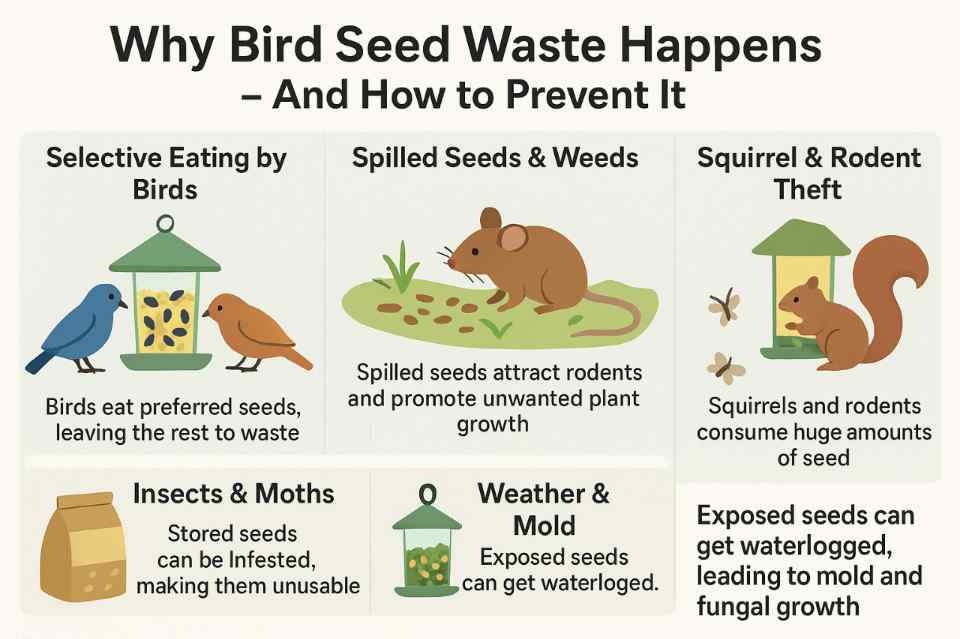
An empty feeder means one of three things. The birds ate the seed, tossed out what they didn’t want, or knocked it off while jostling for position. Whole seeds and opened hulls beneath the feeder tell you which.
In a 2010 BirdForum account, two feeders about 25 yards apart each held around five pounds of black sunflower seed. Both emptied in less than 24 hours, and much of the seed ended up kicked onto the ground.
| What you see | What it points to | What to do |
|---|---|---|
| Whole seeds below the feeder | Birds are dropping or sorting out seed | Check the mix and the exposed feeding surface |
| Opened sunflower hulls | Birds extracted and ate the seed | Consumption accounts for much of the loss |
| Seed disappears with little left below | Birds ate it or carried it off | Watch which visitors reach the ports |
| Birds push components aside | They don’t want some ingredients | Choose a more targeted food |
Intact seed on the ground also feeds other birds and mammals, so cutting the spill matters.
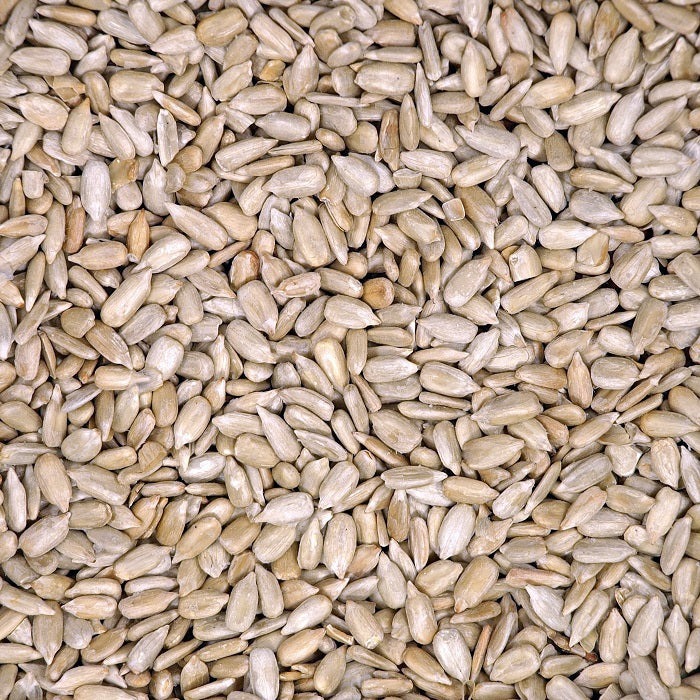
In a Reddit conversation about switching to safflower, a commenter raised the same question:
They might be returning expecting sunflower, and will stop when they realize it’s no longer offered. Are you sure they’re eating it and not just throwing it on the ground? Not trying to be a jerk, but I’ve never seen my house sparrows or starlings eat safflower. RWBB eat it though, but I like them.
After a visit, look at whole seeds, empty hulls, and what is left in the hopper. Scattered whole seeds point to the mix or the feeding surface. Seed consumed at the ports points to food preference or feeder access.
Which seed changes help?
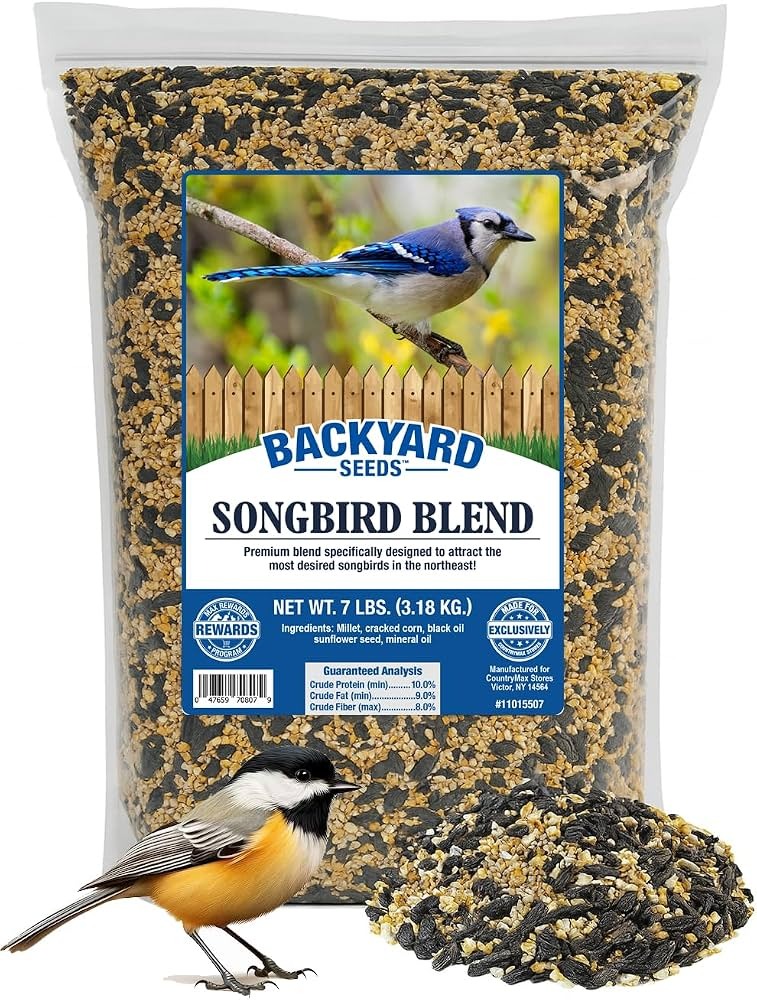
Seed choice can make a feeder less attractive to some House Sparrows while keeping it useful to other birds. No seed works as a universal barrier, so pick based on which species you want to feed.
Cornell NestWatch lists millet, cracked corn, and milo among foods associated with House Sparrows. Cornell’s separate seed guide describes a test in which House Sparrows did not eat milo, so milo is no reliable sign either way. Millet and cracked corn are the clearer suspects in a mixed feed. For feeders, plants, and backyard habitat, see choosing bird seed for backyard birds.
Black-oil sunflower has relatively thin shells that many birds open readily. Striped sunflower has thicker shells, which are less convenient for House Sparrows and some blackbirds. Cornell’s guide to bird-seed types explains the difference.
| Food | What sparrows do with it | Who else it suits, and the trade-off |
|---|---|---|
| Millet and cracked corn | House Sparrows commonly eat them | Some ground-feeding birds eat them too |
| Milo | Cornell sources disagree on whether sparrows eat it | Check what is in your mix and don’t assume |
| Black-oil or striped sunflower | Thin shells are easy to open, tougher shells are harder | Some birds you want also find striped shells harder |
| Safflower | Discourages some sparrows; others eat it | A good option for Northern Cardinals |
| Nyjer | Needs a specialized food and feeder presentation | Suits some finches, with little appeal to larger visitors |
A Northern Illinois feeder owner described an unsuccessful switch to seed they believed was safflower:
EDIT TO ADD: upon further inspection, the seed doesn’t look like pure safflower. Is that the issue? See pic in comments. I switched from sunflower seeds to safflower to try and deter the house sparrows, starlings, and red wing black birds. Day 2 of safflower and I have more house sparrows, starlings, and blackbirds than ever. Is this the wrong stuff? Northern IL
Read the ingredient label and look at what is already in the feeder. For a trial, use one food that suits the birds you want. A packaged blend with other seeds can explain why a supposed safflower switch changed so little.
Would a different feeder design help the birds you want?
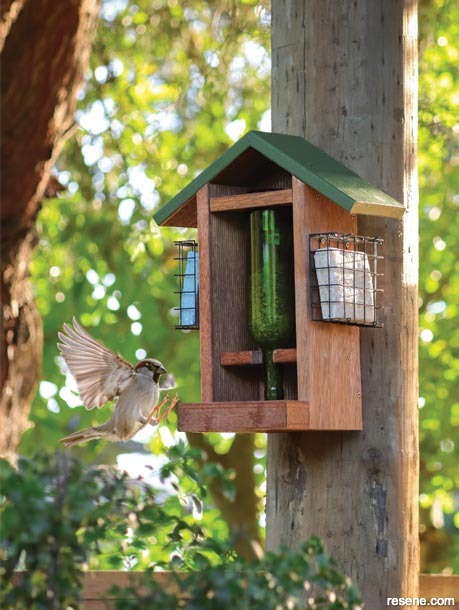
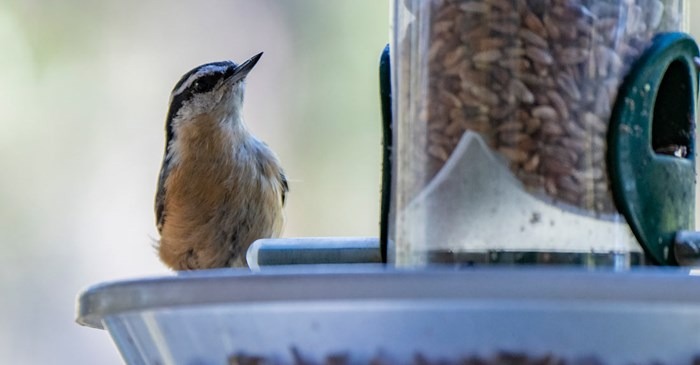
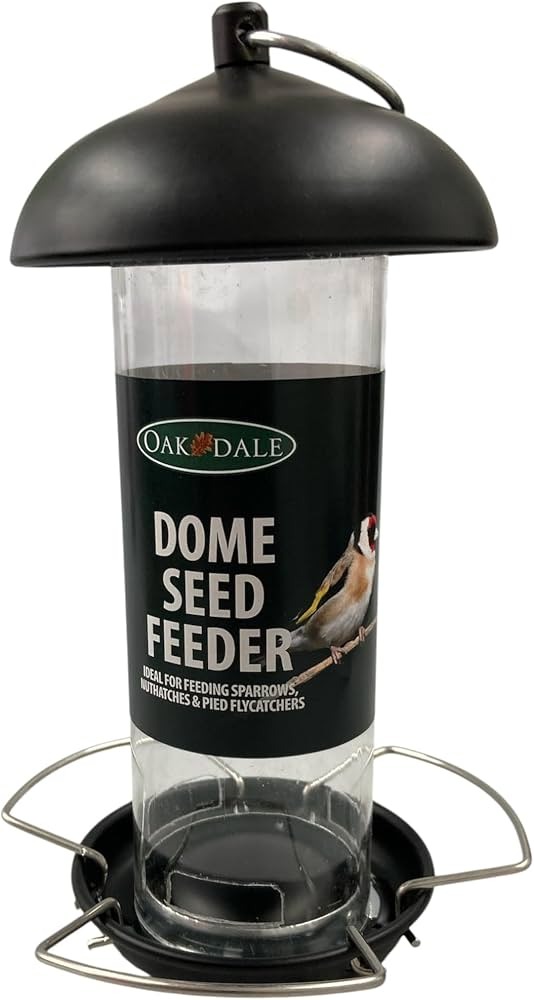
Access matters as much as food. A broad platform lets birds stand and feed in different ways, while a tube with short perches or a hanging feeder suits clinging visitors.
Cornell NestWatch describes small feeding ports and shortened perches as methods. The deciding question is which birds can still use the feeder. Chickadees and nuthatches suit a small clinging feeder, while a Northern Cardinal finds the same posture awkward.
| Feeder type | Access feature | Benefit | Trade-off |
|---|---|---|---|
| Platform or hopper | Broad exposed surface | Supports several feeding styles | Easy access for a whole flock |
| Small-port tube | Restricted openings | Harder for sparrows to use | Birds you want may struggle too |
| Short-perch design | Limited standing room | Discourages House Sparrows | Other visitors may need more support |
| Hanging clinging design | Different feeding posture | Suits some chickadees, nuthatches, or finches | Poor fit for larger perching birds |
On an expensive camera feeder, adjusting a perch or port is easier than replacing the unit.
Do sparrow halos work, and are they safe?
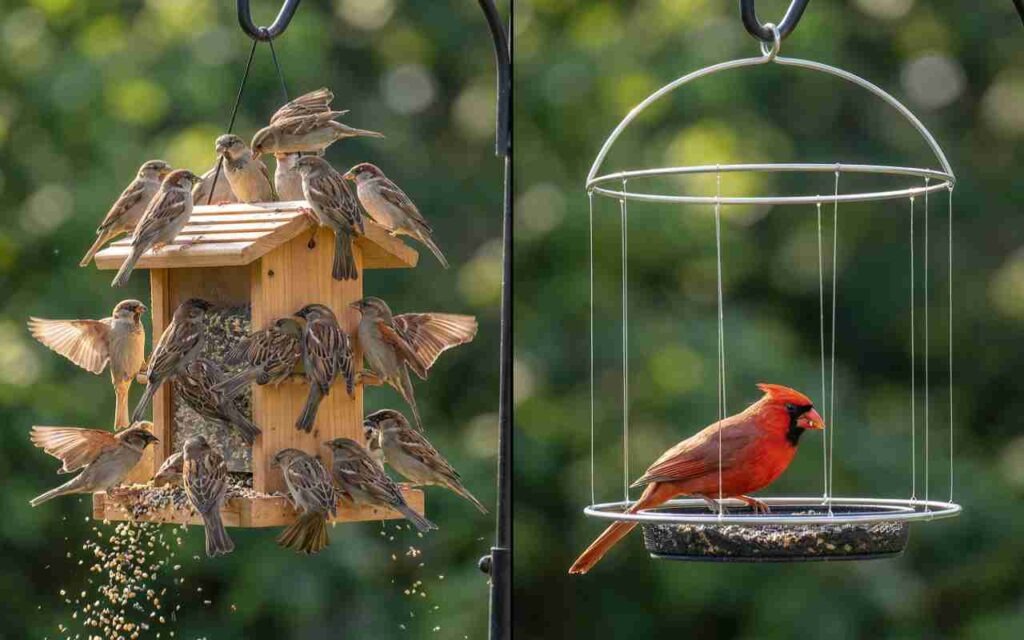
A sparrow halo surrounds a feeder with suspended vertical elements that discourage birds from approaching. It has experimental support, with a trade-off for other species.
Kessler, Johnson, and Eskridge published Lines to Selectively Repel House Sparrows from Backyard Feeders in 1991. They ran three experiments at two sites in winter and spring, using four pole feeders per site with treated and untreated arrangements. For a broader view of feeders, plants, and habitat, see the backyard-bird habitat guide.
The researchers hung vertical monofilament lines 60 centimeters apart around an 80-centimeter-diameter tray and hoop. That was a research setup, so don’t use it as a build plan.
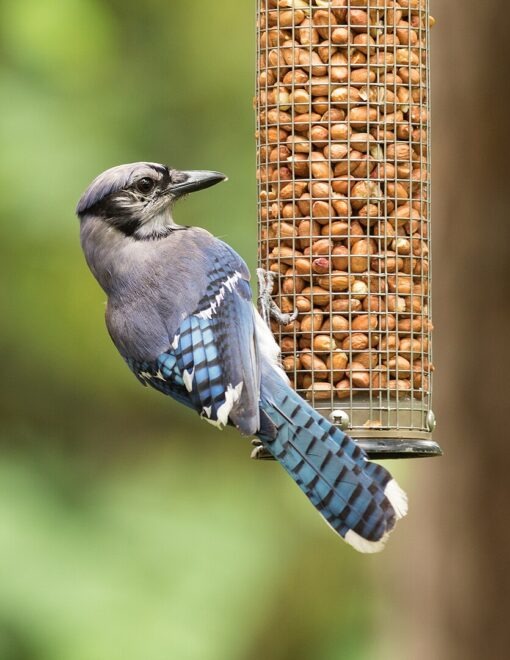
In pooled observations, House Sparrows and Blue Jays avoided line-treated feeders. Cardinals and grackles responded differently depending on season and the food available on the ground. The University of Nebraska study shows avoidance but gives no percentage reduction you can expect at your feeder.
Avoid fishing line in a feeder halo. Cornell FeederWatch warns that birds can become entangled in it and discusses properly secured or weighted hobby wire as an alternative. The experiment used monofilament, but that doesn’t make a homemade fishing-line halo safe.
In November 2021, a Michigan BirdForum contributor reported a Downy Woodpecker visiting after a wire-halo experiment while sparrows hesitated. The materials cost under $10 at the time.
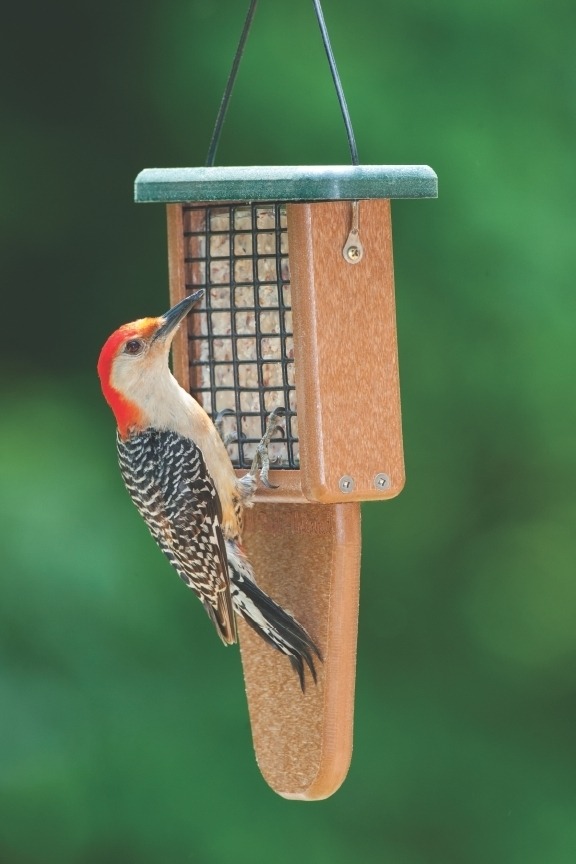
Cornell FeederWatch’s halo discussion offers possible reasons different birds respond differently. If Blue Jays are welcome in your yard, their avoidance in the study is the deciding trade-off.
Why does a deterrent work briefly and then fail?
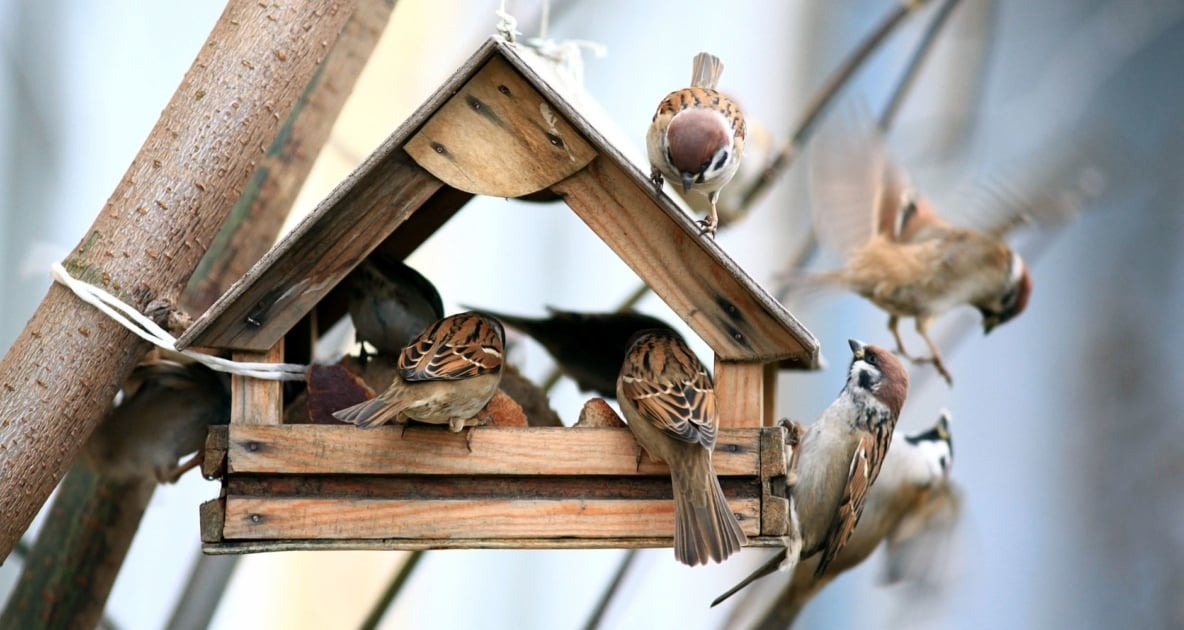
Sparrows get around food changes and access changes alike. If they keep eating the replacement seed, stop offering it.
If they bypass a physical restriction, try a design your other birds can still use, or pause that feeder. A BirdForum participant described House Sparrows using shortened perches and upside-down suet feeders.
Halos have the same weakness. Cornell FeederWatch reports they were ineffective for juveniles and breeding females in the observations it discusses. A diversion feeder redistributes visits but still feeds the flock.
When is it better to pause or simplify feeding?
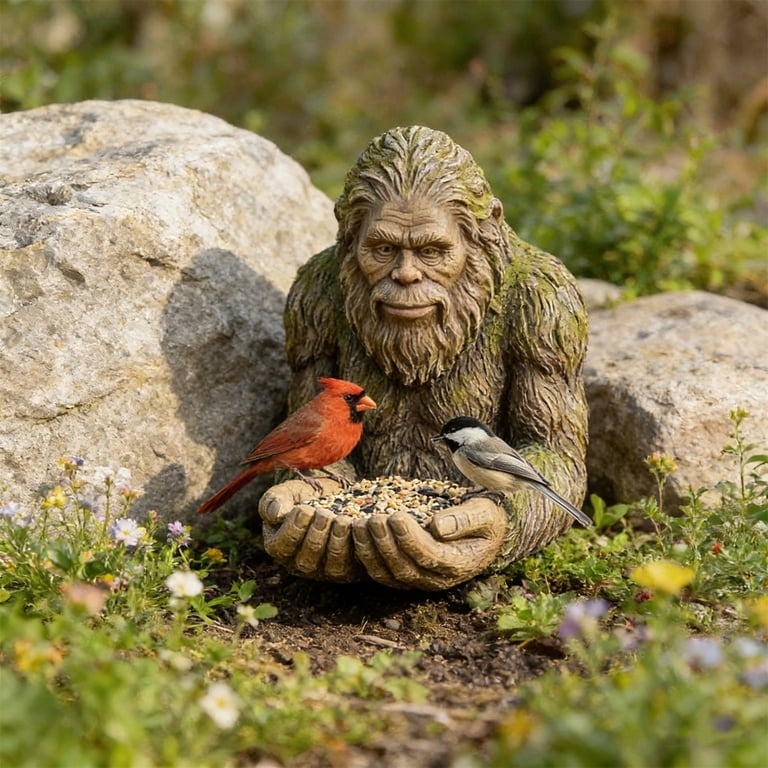
Stopping seed refills for a while is a reasonable nonlethal choice when waste, cost, or upkeep outweighs the pleasure of watching. The birds you want may visit less often during a pause, and no pause length is known to make House Sparrows leave for good.
Some people keep a smaller arrangement built for one visitor. Others rely more on native plants and a maintained water source.
Keep sanitation separate from sparrow control
Accumulated seed, damp food, and sick-looking birds are hygiene and wildlife-health problems, separate from sparrow control. To clean a seed feeder, take it apart, scrub it with warm water and dish soap, rinse well, and let it dry completely before refilling. Clear debris from beneath the feeding area. For feeder surfaces, droppings, and cleaning intervals, see how to clean bird feeders without spreading disease.
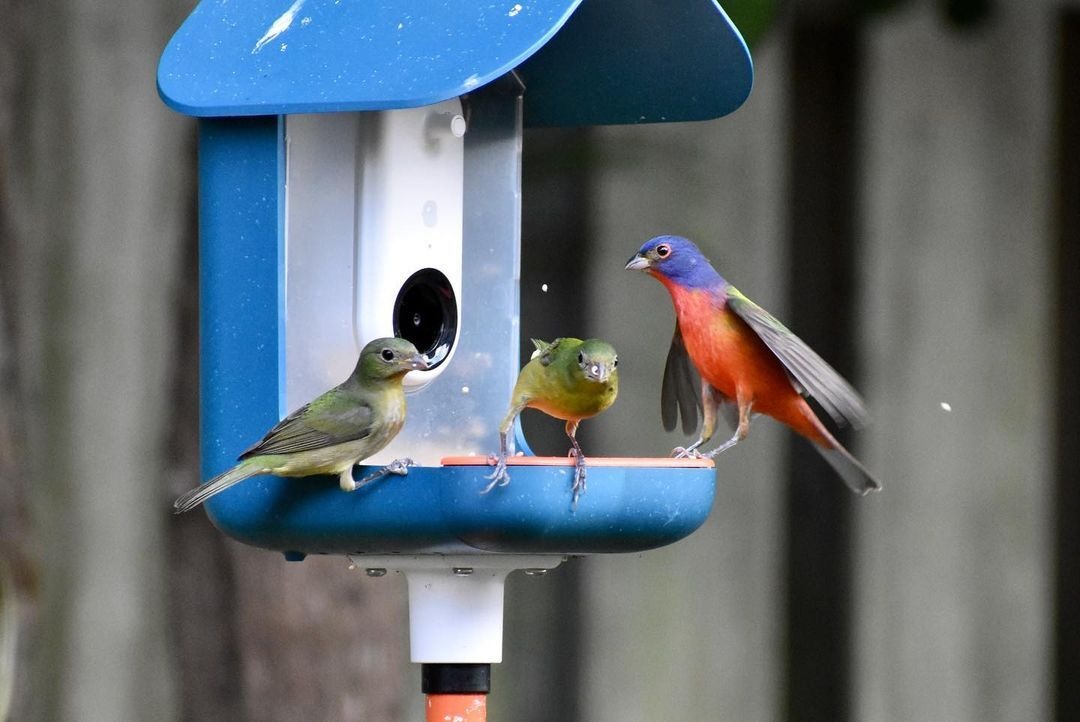
If birds look sick or a local wildlife advisory calls for a feeding pause, follow that guidance before you resume.
How do you know whether the change worked?
Judge a change by what it improves in your yard: less spilled seed, fewer refills, or better access for the birds you want. A short log separates these outcomes.
| Record | Before the change | With one changed feature |
|---|---|---|
| Food and feeder | Note seed type and access design | Name the changed food or feature |
| House Sparrow activity | Approximate visits or time on feeder | Same measure at a similar time |
| Birds you want | Which species can reach food | Whether they can still feed |
| Seed loss | Food remaining and whole seed below | Consumption versus scattering |
Log at similar times of day and in similar weather. Change one thing at a time, because changing food, placement, and feeder design together makes the result impossible to read.
Season and food supply can change who shows up regardless of your adjustment. In an April 2026 r/birdfeeding conversation, one commenter described this for starlings, grackles, and blackbirds:
Give it a couple days but also, it’s currently migration and they’re really hungry. Usually I don’t get a lot of starlings, grackles, or blackbirds on my saff, but a few are eating it at the moment because they need something and it’s easy because it’s right there. Once there are more bugs out, they tend to leave it alone.