Keep ordinary backyard bird feeders up through seasonal changes and general bird-flu headlines unless a specific hazard calls for a pause. Sick birds, contaminated food, bear activity, or nearby poultry can change that. Identify the risk and deal with it before you put food back out.
When should you take down bird feeders? Check the trigger first
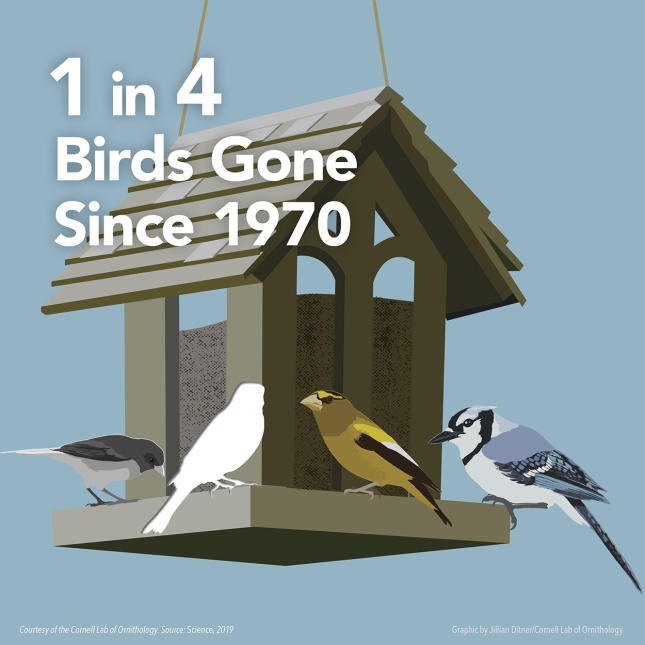
A sick finch at a shared tube feeder, a bear searching for spilled seed, and a bird-flu headline in a home without poultry each call for a different response.
| What you notice | Feeder decision | What changes it | Go to |
|---|---|---|---|
| One apparently sick bird | Temporarily remove feeders used by the bird and clean the affected area | Continued illness, local wildlife guidance | Sick or dead birds |
| Several sick or dead birds | Treat as a more serious problem and seek agency guidance | Number of birds, any local advisory | Sick or dead birds |
| Bird-flu headlines alone | No automatic nationwide shutdown for ordinary songbird feeders, per Cornell | Poultry nearby | Bird flu and poultry |
| Chickens or ducks at home | Remove wild-bird feeders or keep them well away from the flock | Wild-bird access to poultry, feed, and water | Bird flu and poultry |
| Bear activity near the yard | Remove accessible bird food and feeding attractants | Continuing bear activity | Bears and seed |
| Wet, spoiled, or moldy seed | Discard the seed and clean contaminated equipment | Persistent contamination or illness | Bears and seed |
| Normal change of season | No automatic seasonal removal date | A real safety concern | Birds without feeders |
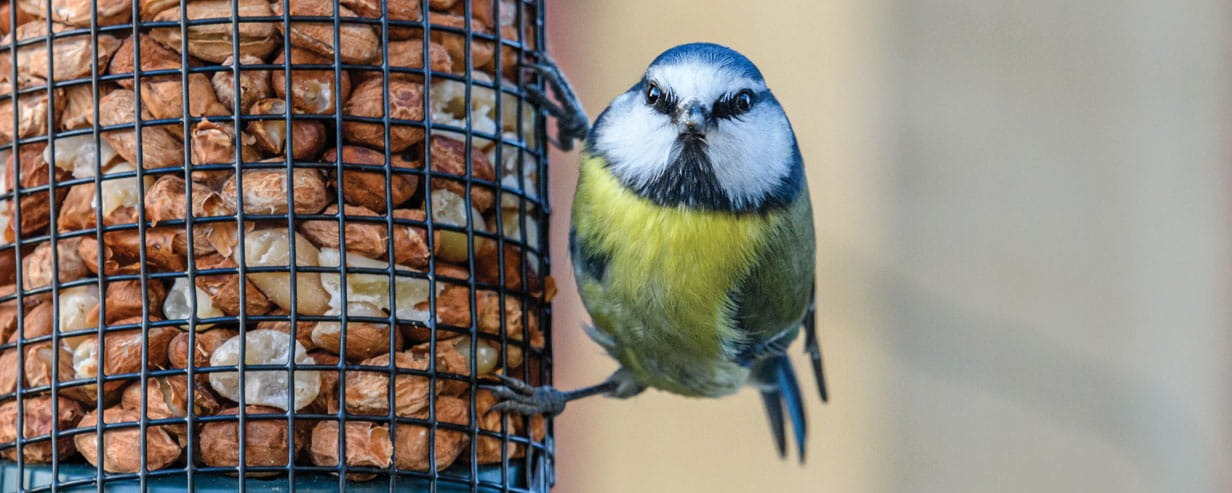
A wet seed tray is a food-hygiene problem. A sick bird at the same tray is an illness problem. If both apply, handle both.
A state or local wildlife directive overrides general feeder advice, especially during disease events or in black-bear habitat.
A sick or dead bird at the feeder: what to assess before you pause
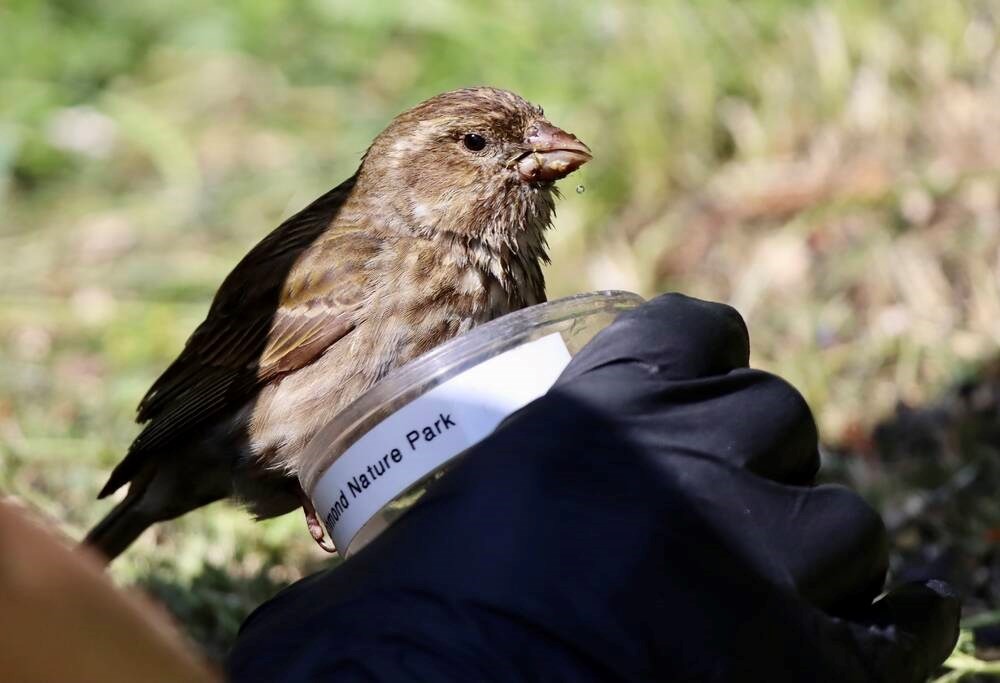
An unusually still bird, fluffed feathers, crusted eyes, or trouble moving are reasons to take precautions at a feeding station. Several diseases cause these signs, and you can’t diagnose salmonellosis, mycoplasmal conjunctivitis, avian pox, or a cause of death by looking.
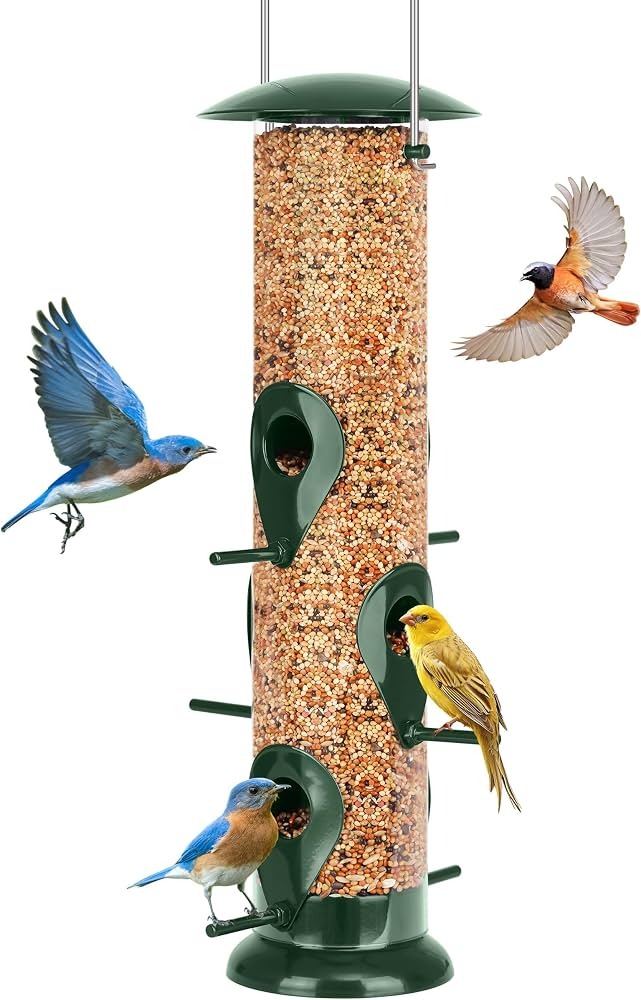
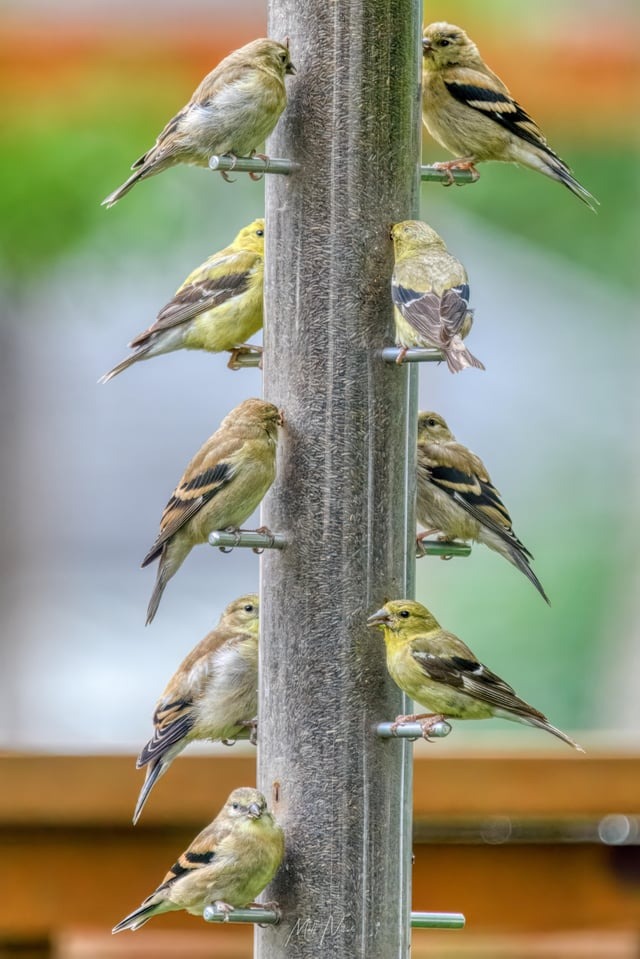
A House Finch can touch the ports of a tube feeder with its face, while a platform feeder collects droppings among the seed. Shared birdbaths, spilled seed, and food on the ground widen the contact area beyond one hanging feeder.
Cornell Project FeederWatch recommends temporarily removing feeders used by an apparently sick bird and cleaning the affected feeding area. When several sick or dead birds turn up over a short period, Pennsylvania Game Commission guidance also advises considering leaving birdbaths empty during the response.
One uncertain observation is different from repeated illness or several deaths close together. Record the species if you can identify it confidently, the number of birds, the location, and the time of each observation. For repeated or clustered cases, contact a state wildlife agency or qualified wildlife rehabilitator promptly. For more on what to look for, see possible illness signs at feeders and appropriate next steps.
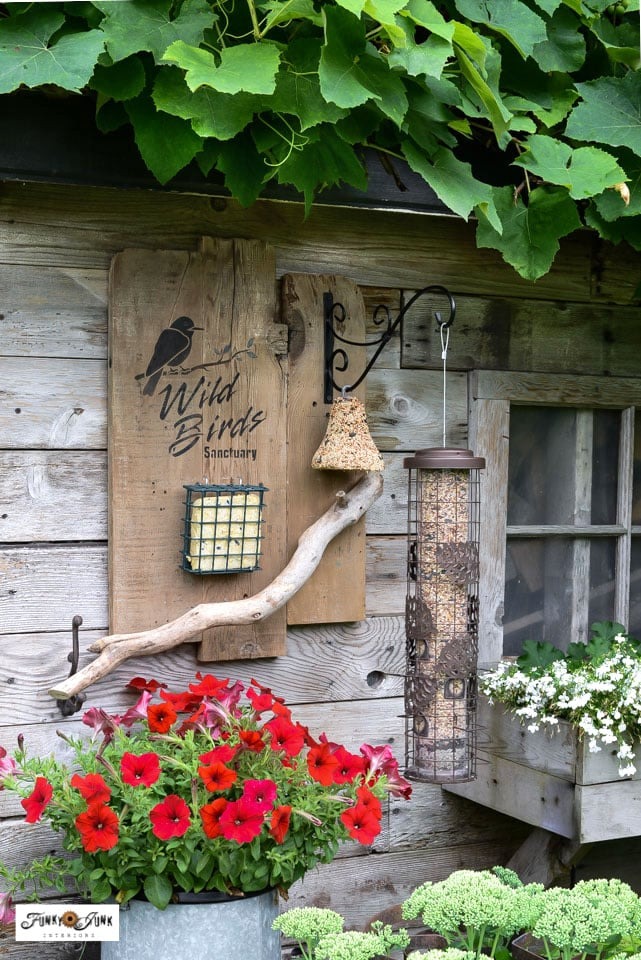
A birdwatcher in Southwest Portland described finding several dead birds and reaching out to local wildlife organizations:
PSA for people in the Portland, Oregon area. After finding 4 dead Pine Siskins and 1 dead Lesser Goldfinch in SW Portland (Hillsdale area) in less than 24 hours, I contacted ODFW and the Bird Alliance of Oregon. I was told that Salmonella cyclically spreads through local populations (transmitted via bird droppings), and some birds like pine siskins are especially vulnerable.
Don’t catch, transport, or medicate a wild bird based on a suspected diagnosis. Wildlife professionals can advise on safe help when intervention is appropriate.
Why cleaning a feeder helps but may not be enough
Cleaning removes contamination from feeder surfaces. It does not remove the sick bird. If that bird returns, it exposes the feeder again, and susceptible birds can keep catching the infection from it directly.
Mycoplasma gallisepticum (MG), associated with conjunctivitis in House Finches, spreads through contact involving the eyes and shared feeder ports. Salmonella spreads through droppings that contaminate food or feeding surfaces. A fomite is an object or surface that carries an infectious agent.
Cornell’s Project FeederWatch cleaning guidance distinguishes high-contact tube-feeder ports from trays where droppings accumulate. Check the surfaces birds touch and whether sick-looking visitors keep using them. A more detailed feeder and birdbath cleaning guide covers the cleaning procedure.
Two House Finch experiments with different exposure routes
A May 2026 study in Ecological Solutions and Evidence tested cleaning of tube-feeder surfaces in captive House Finches. The results changed with the exposure conditions.
| Experiment | Cleaning tested | Observed result | Meaning for feeder care |
|---|---|---|---|
| Contaminated feeder was the exposure route | Commercial bleach wipes on high-use surfaces | 0 of 8 receivers infected with cleaning; 5 of 8 control receivers infected | Cleaning interrupted transmission through the surface |
| Susceptible birds housed with infected House Finches | Shared feeder surfaces wiped every other day | No significant reduction in MG transmission or disease progression | Bird-to-bird exposure continues after surface cleaning |
The Meyers and colleagues’ 2026 study examined MG transmission in captive House Finches under controlled exposure conditions.
Bird flu headlines, backyard poultry, and local advisories
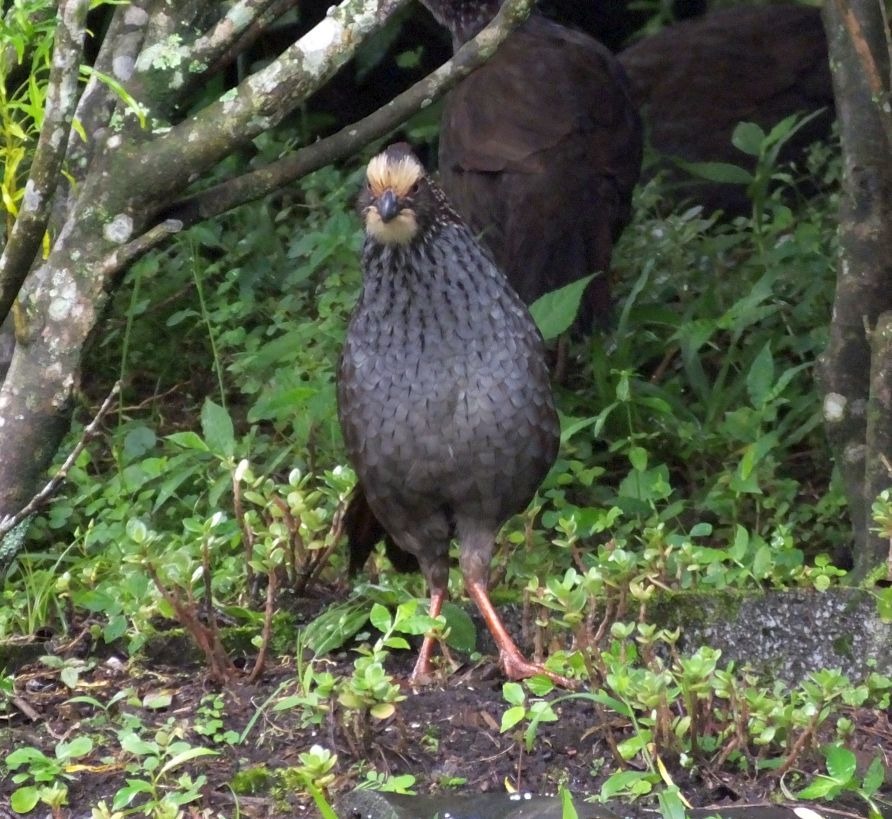
In guidance dated January 21, 2026, Cornell did not call for a blanket shutdown of ordinary songbird feeders in homes without poultry solely because of HPAI news. It reported relatively few detections among typical feeder-visiting songbirds, while acknowledging documented infections and the possibility of stricter state advice.
Households with chickens or ducks face a different risk. USDA APHIS advises shielding poultry, feed, and water from wild birds, and Cornell advises removing wild-bird feeders or keeping them well away from the flock.
California published more restrictive guidance on August 25, 2022, so check the state advice that applies to your location and flock.
Bears and spoiled seed: two different reasons to remove food
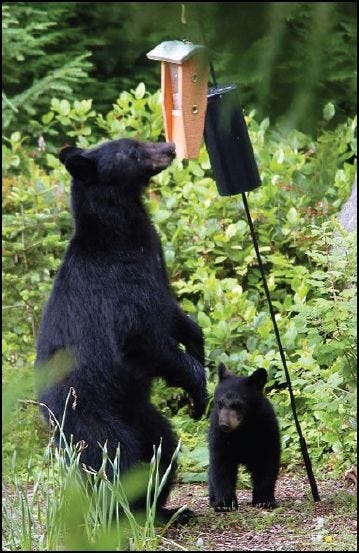
Birdseed can attract black bears into yards. In bear habitat, the first signs of local bear activity justify removing a feeder, even if no bear has reached it. Spilled seed, stored feed, and other accessible attractants still matter after the feeder is inside. For seed choices, see choosing bird seed for backyard birds.
MassWildlife advises taking feeders down at the first sign of bear activity and does not identify a universally safe feeding season in active bear areas. New Jersey Fish & Wildlife advises avoiding bird feeding where bears frequent a property. For people who feed anyway, its state-specific guidance includes daylight feeding between December 1 and April 1, along with attractant controls.
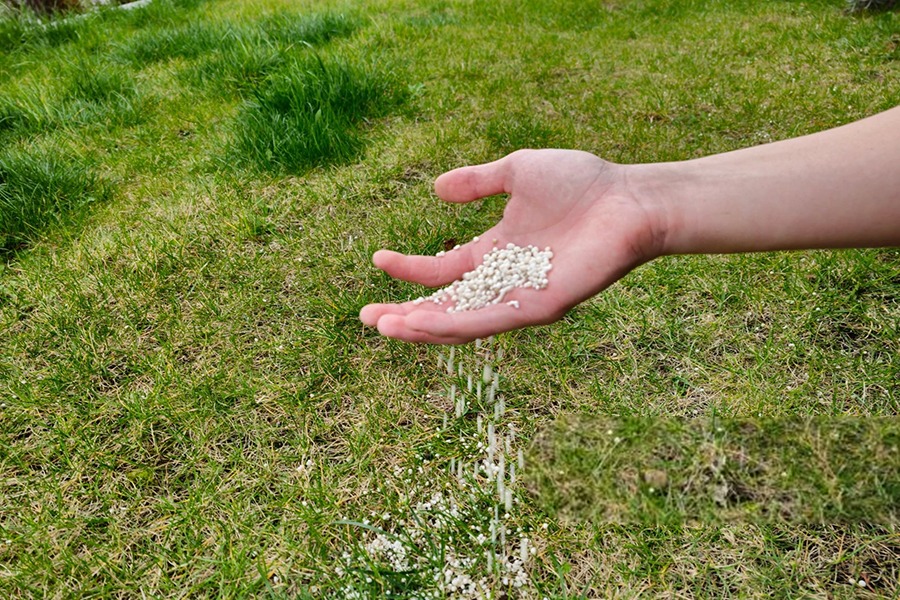
Rain-soaked seed is a food-hygiene problem. Discard visibly moldy or spoiled seed, clear the feeding surfaces, and clean contaminated equipment before you use the station again. Penn State Extension’s feeder-disease guidance covers seed condition and sanitation, including the problems caused by accumulated waste and old food.
How long should feeders stay down, and when can they go back up?
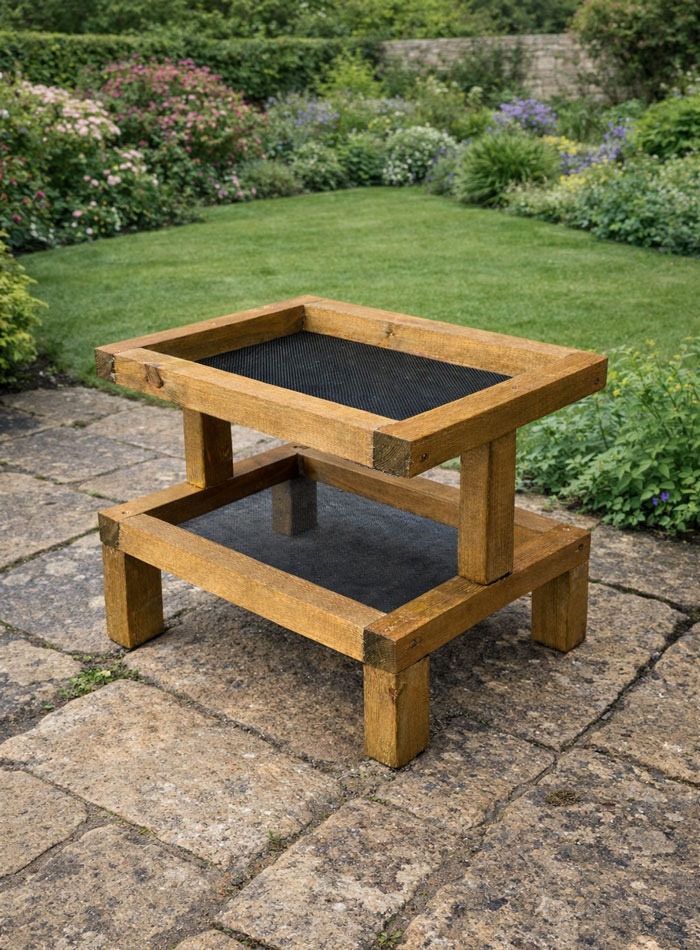
Cornell’s sick-bird guidance suggests taking affected feeders down for a couple of weeks. That interval applies to illness. Bear activity, poultry exposure, and spoiled seed each have their own restart conditions.
Cornell also notes that when you remove one feeding station and many others remain nearby, birds can crowd onto the remaining feeders. The illness precaution still stands.
One feeder owner described what happened after putting disinfected feeders back out:
3 weeks go we had 2 feet of snow and I saw a sick purple finch. Pulled down feeders, sat out 2 weeks, bleached them, put em back up 9 days ago. I go to the side yard – And all the birds fly away and this gal is still on the feeder and lets me walk right up to her. … I let her eat until she took off then pulled feeders down. I have never had this happen before, maybe I’ll just take the feeders down for 3 or 4 weeks.
Before restarting a feeding station
Put feeders back up once every item below is done:
- The reason you stopped has been dealt with. If it hasn’t, keep the pause in place.
- Spoiled food is discarded and contaminated equipment is cleaned.
- Illness sightings at the affected stations have stopped. If they haven’t, reassess and seek wildlife advice.
- Local wildlife directions are satisfied. If they aren’t, follow the local direction.
- If you keep poultry, its feed, water, and housing are protected from wild birds. Resolve that before you resume feeding wild birds nearby.
- If bears were the reason, accessible attractants are gone and local restrictions are met. Until then, keep food attractants removed.
Will birds be okay while the feeders are down?
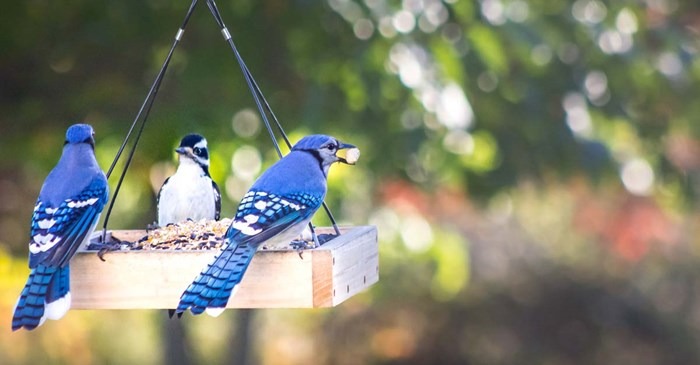
Wild birds forage from several natural food sources. Audubon’s seasonal-feeding advice describes that broader food supply and notes that severe snow or ice can change local conditions.
A new backyard birdwatcher described removing feeders after seeing a potentially sick finch and then watching familiar birds return:
I had to take down my feeders yesterday for the first time due to a potentially sick finch (something with its feet) and I have been so down about it since. My regulars keep coming by looking confused by the feeders being gone. I had my resident Northern Flicker flying back and forth between where the two feeders usually are and my newest visitor the Hairy Woodpecker flying back and forth chirping too 🙁 I just wish I could explain to them what’s going on! I’ve only been backyard birding for a few months and it’s been bringing me so much joy so it’s been a real bummer having to take them down. So how do you all get through it until they can go back up? I’m sure that sounds ridiculous but what can I say haha, they’ve stolen a piece of my heart!
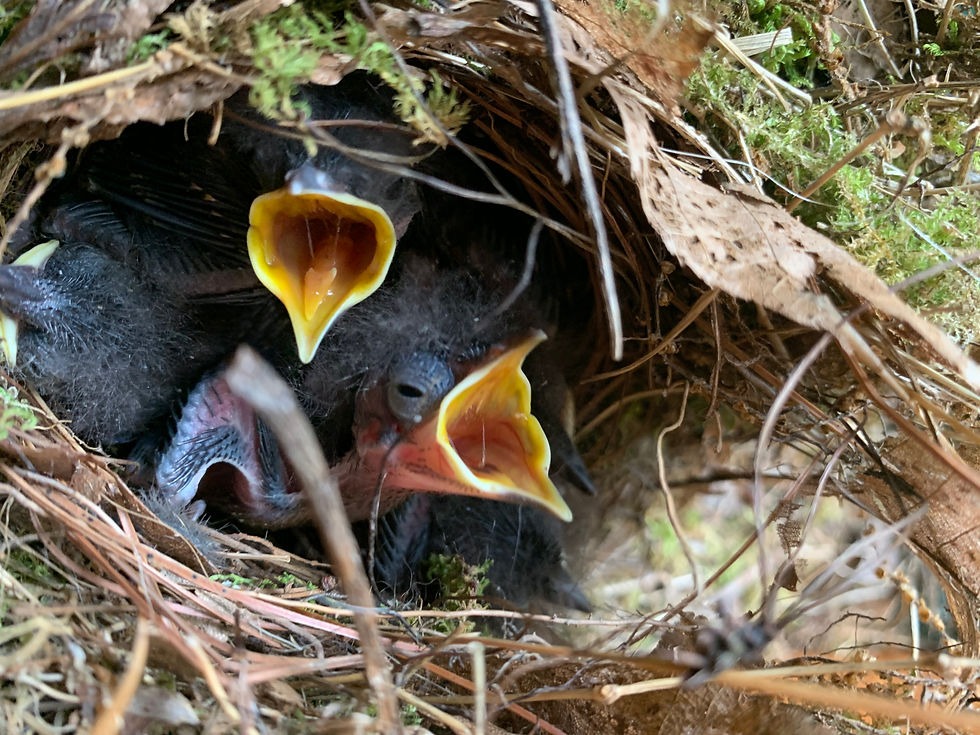
During a pause, you can watch birds work the trees, bark, and cover for natural food. Over the longer term, locally native plants that provide food and shelter for birds support wildlife without drawing every visit to one feeder.