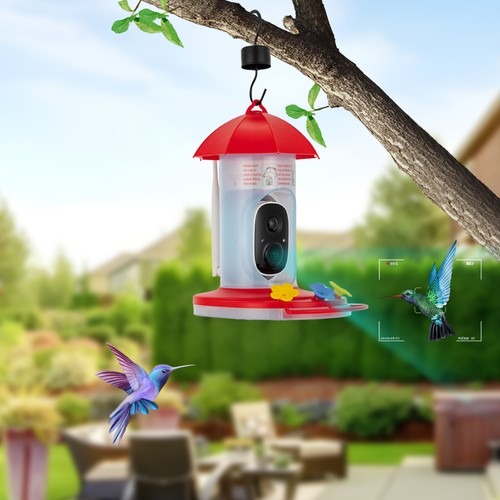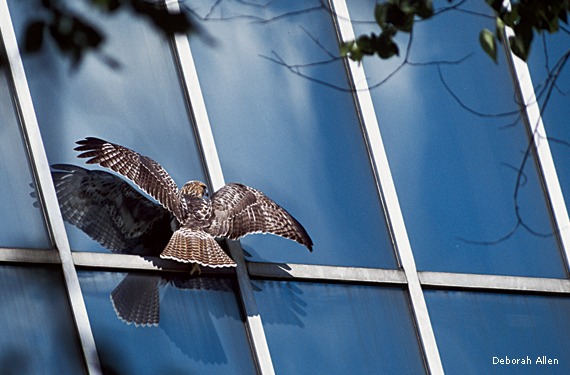
Start by asking whether the feeder is new, the whole yard has gone quiet, or only one feeder is being avoided. Fix spoiled seed, sick birds or a hazardous location first. Then pick the matching branch, inspect one likely cause and compare visits at similar times before you change anything else.
Start With the Two Questions That Change the Diagnosis
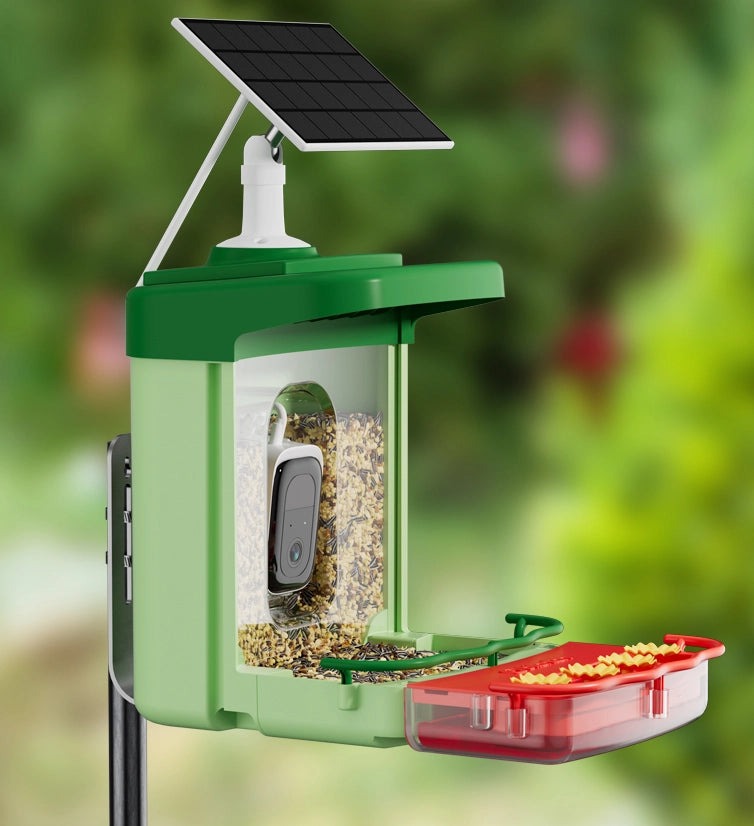
Has this feeder ever attracted birds? And are birds still using another feeder nearby? A new installation, a suddenly deserted station and one ignored feeder beside a busy one each call for a different check.
| What you notice | First check |
|---|---|
| New feeder, no visitors yet | Whether birds can find it, how exposed it is, and whether the food and feeder suit them |
| Previously busy feeders all go quiet | Seasonal food, weather, habitat and disturbance |
| One feeder goes unused while another stays busy | Differences in food, access, movement and position |
| Seed disappears, but you never see a visitor | Spilled seed, squirrels or other animals, and birds visiting between your watches. Work out how the food disappears before you call the feeder unused. |
| Food looks spoiled or birds appear sick | Feeder hygiene and wildlife safety. See the next section. |
Rule Out Unsafe Food and Illness Before Trying to Attract More Birds
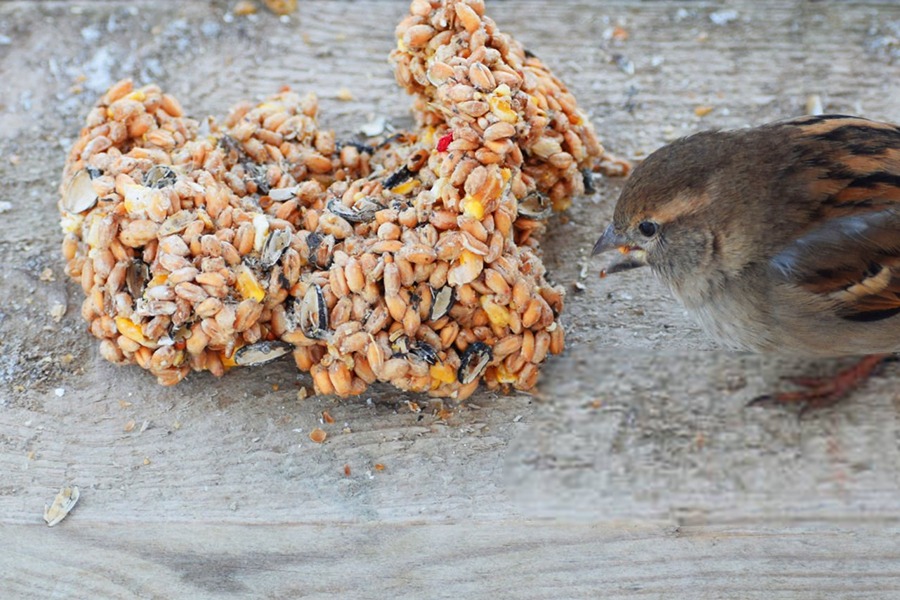
Wet, clumped or moldy seed should go out of birds’ reach. Remove it and discard it where wildlife can’t get to the pile. Cornell’s safe summer feeding guidance explains why moisture and heat spoil stored and exposed food.
Clean and dry the affected surfaces before you offer fresh food. The full procedure for trays, hoppers and ports is in the guide to cleaning a bird feeder safely.
If a bird looks ill, clean the feeders and nearby feeding surfaces more often and consider disinfecting them. Taking affected feeders down for a while can be the right call, depending on the local disease situation and whether other feeding stations are nearby. Follow wildlife-health guidance, and contact a licensed wildlife rehabilitator or veterinarian for an animal that needs care. Don’t put medication into seed or try to treat wild birds yourself.
Birds sometimes eat food that looks spoiled, so a bird feeding is no proof that the seed is safe.
If a Feeder Used to Be Busy, Look for Changes Beyond the Feeder
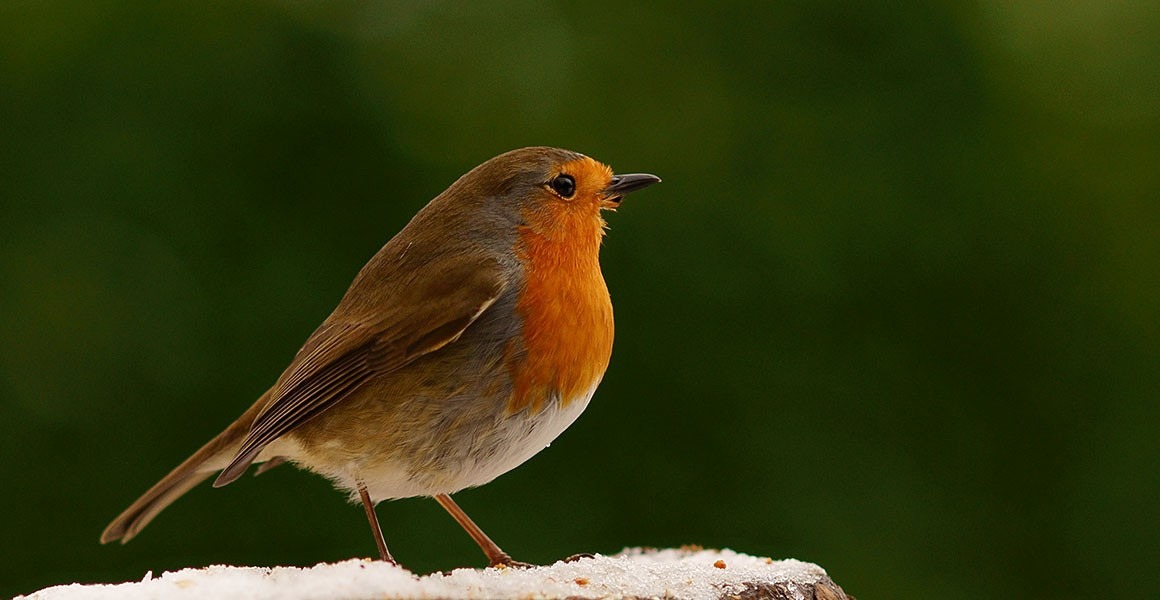
A once-popular feeder can go quiet even when its seed and hardware haven’t changed. Birds also forage for wild seeds, fruit and insects, and shifts in that supply, the weather, habitat or predator activity change how they use feeders.
Cornell Project FeederWatch names these environmental influences as reasons feeder numbers fluctuate. A hopper that used to need frequent refills can stay nearly full while the yard offers different food or cover.
Look at what changed around the feeder:
- Natural food: Trees, shrubs and other plants may be offering seeds or fruit.
- Predator activity: A hawk nearby can affect behavior, but seeing one doesn’t prove why visits dropped.
- Habitat and disturbance: Removed vegetation, construction or more traffic can change the setting around a station.
New Jersey Audubon has pointed to abundant natural food and mild winter weather as possible reasons for quieter feeders in its region. A yard elsewhere in the United States may follow another seasonal pattern.
If One Feeder Is Ignored, Compare It With the One Birds Still Use
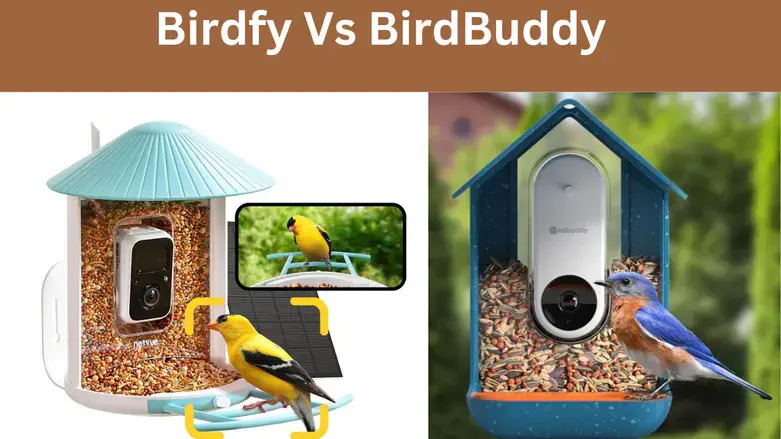
Birds are visiting your yard, so the difference lies between the two stations. Compare them on food, access, movement and position.
| Feature | Compare side by side |
|---|---|
| Food | Seed type and condition. Different offerings suit different visitors. |
| Access | Perches, ports, tray or tube layout. One design can be easier for a particular bird to use. |
| Movement | Firmly attached versus swinging or rotating |
| Position | Cover, exposure and nearby disturbance. Conditions can differ within the same yard. |
| Visits | Birds you see landing versus clips a camera saved |
Watch the feeder yourself before you take an empty camera history as proof that nothing lands there. A camera only shows what the device is documented to record.
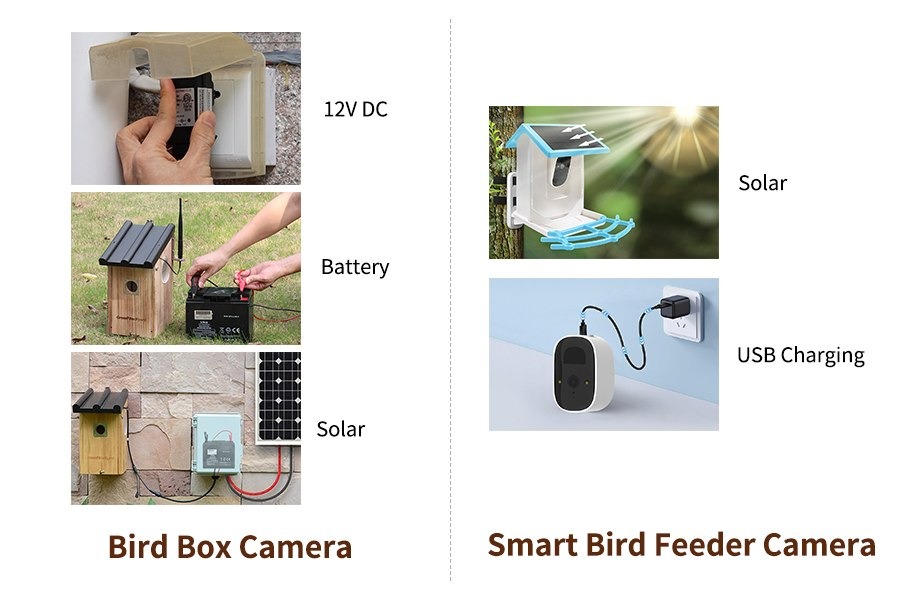
Inspect the Seed and the Feeder’s Openings, Not Just How Full It Looks
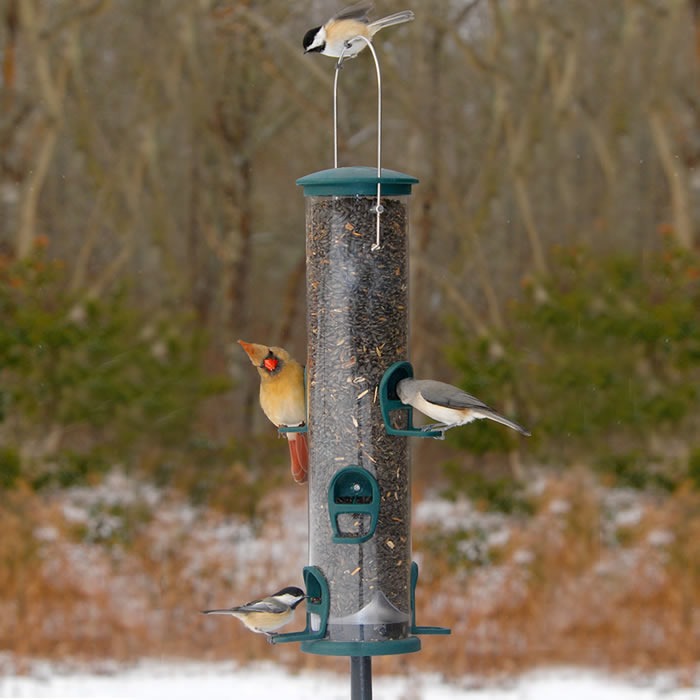
A full reservoir can hold clumped seed that no longer flows to the openings. Check the feeding ports, mesh, perches and drainage. Can birds reach the food, and can they stand or cling where the design expects them to feed? Clear any blockage or repair an accessible part following the feeder’s instructions. A clean-looking exterior can hide a blocked port.
Match the Food and Feeder to Birds You See Nearby
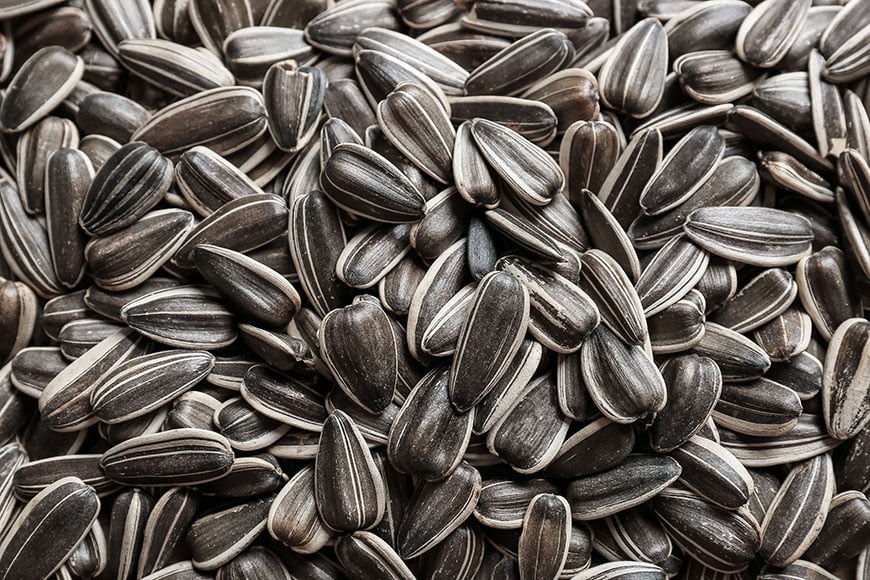
The seed has to suit the birds likely to use the feeder. Black-oil sunflower attracts many familiar feeder species, while Nyjer, sunflower kernels and mixed seed suit different feeding habits. Cornell’s bird seed guide explains these distinctions.
Watch which birds are active in your yard, then check whether they can use your feeder and will take the food in it. A species foraging in a nearby tree may never become a regular at a narrow-port tube feeder.
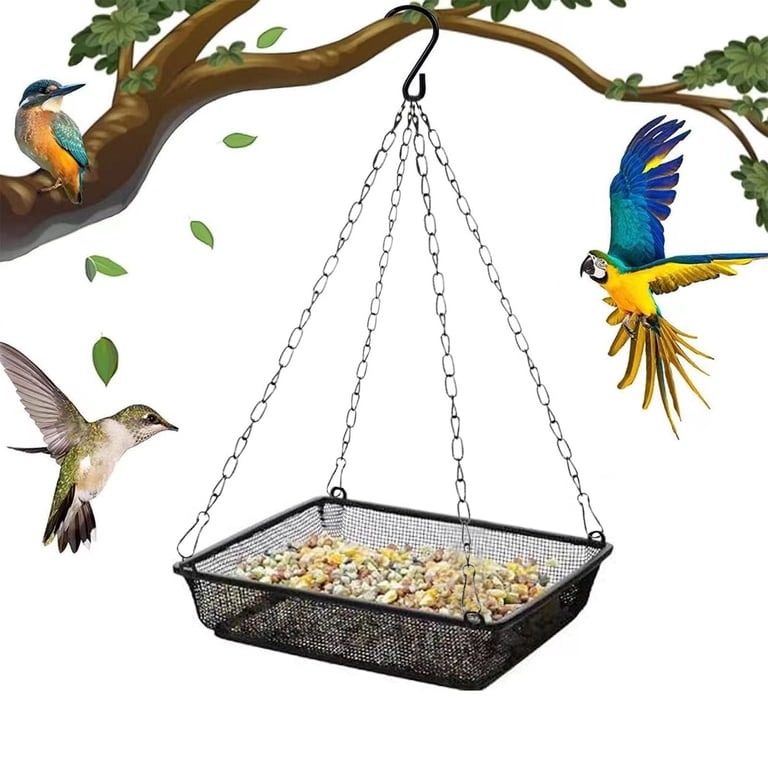
Mixed seed can leave rejected ingredients behind, which makes the feeder look fuller than its useful contents. Food choice varies with species and conditions.
For a fuller food-by-species comparison, see which seed suits the birds near you.
Check Feeder Placement for Window and Predator Risks
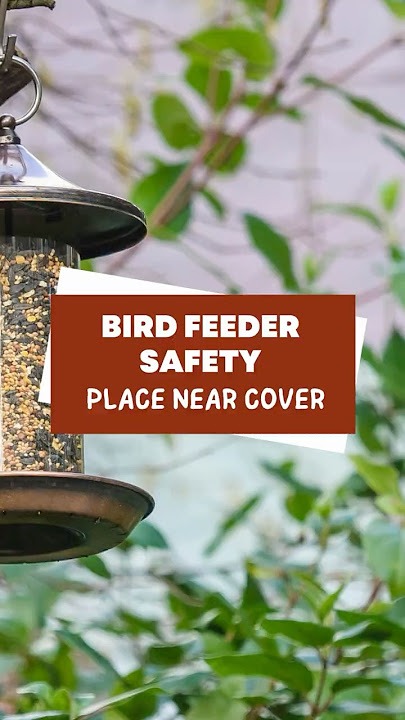
A good spot lets birds approach easily and keeps glass, cats and disturbance out of the picture. Nearby vegetation gives birds refuge, but the same shrubs can hide a stalking cat. Check windows separately for collision risk.
Cornell’s feeder placement guidance describes putting a feeder within about 3 feet of a window to limit the speed of a potential strike. A separate Cornell collision-prevention discussion mentions positioning feeders more than 30 feet away and making the glass itself more visible. Roughly 10 feet from natural cover is a suggested compromise, adjusted for cats, squirrels and the layout of your yard. These distances address different risks, and none of them guarantees safety.
Review a prospective spot before you move the feeder:
- Approach: Can birds reach the feeding surface and leave without crossing open ground?
- Cover: Does nearby vegetation offer shelter without giving cats a place to hide?
- Glass: Could reflected trees or sky lead birds toward a window?
- Disturbance: Would foot traffic, a door or wind interfere with visits?
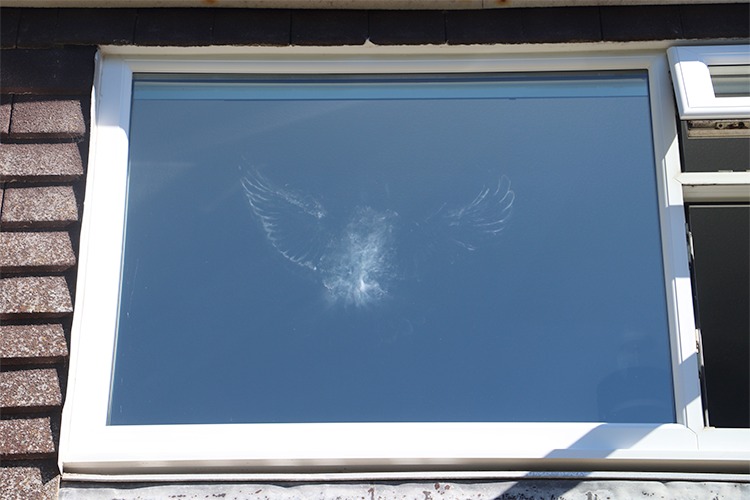
An exposed suburban fence may be a reason to consider another mounting point, but a move toward bushes beside reflective glass can create a worse hazard. For a detailed layout decision, see safe feeder placement near windows and cover.
Change One Safe Thing, Then Watch for a Meaningful Difference
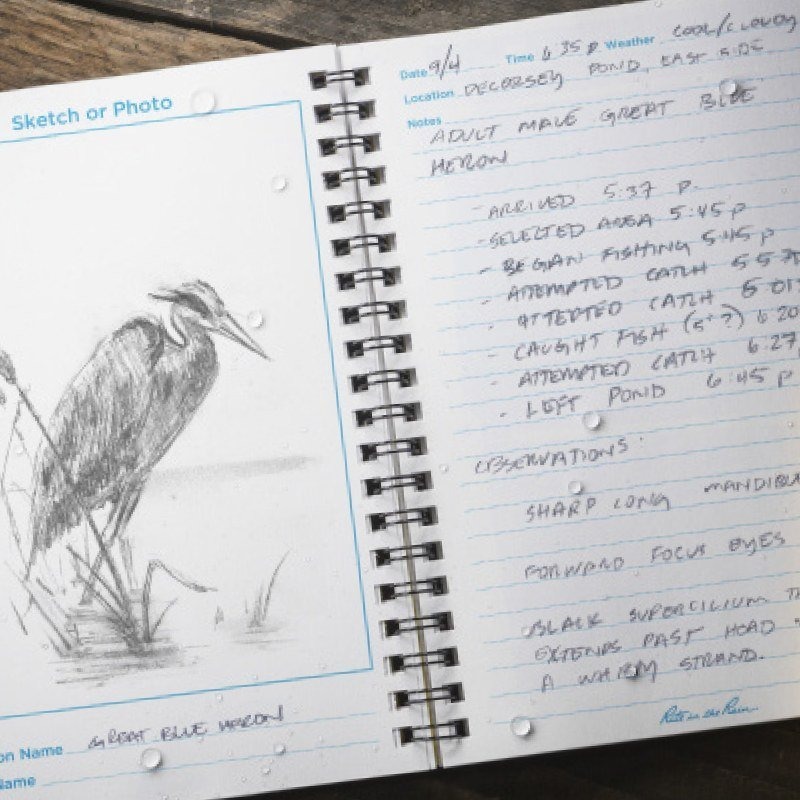
Write down your visits before and after each adjustment, then repeat a similar watch later and compare. Cornell Project FeederWatch accepts observation periods with zero birds, and your own watches can work the same way. The relevant checks for feeders, plants, and backyard habitat appear in the backyard-bird habitat guide.
| Record | What to note |
|---|---|
| Before the watch | Date, time of day, approximate duration, weather and notable yard changes |
| During the watch | Visits at each feeder and birds seen elsewhere in the yard |
| After your change | The one safe change, when you made it, and activity during a similar later watch |
If food, location and hardware all change together, you can’t tell which change coincided with new visits.