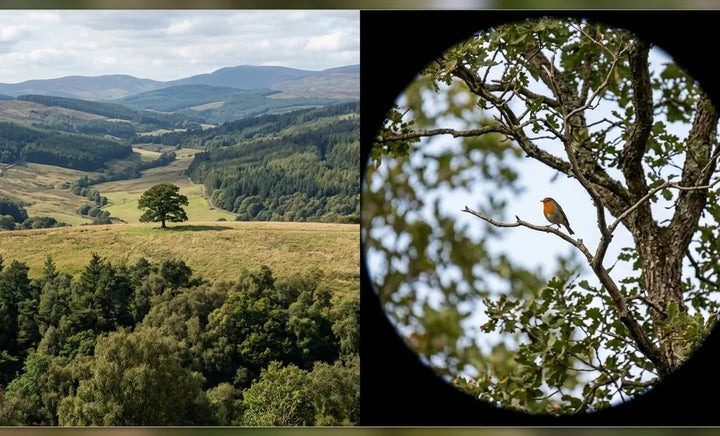
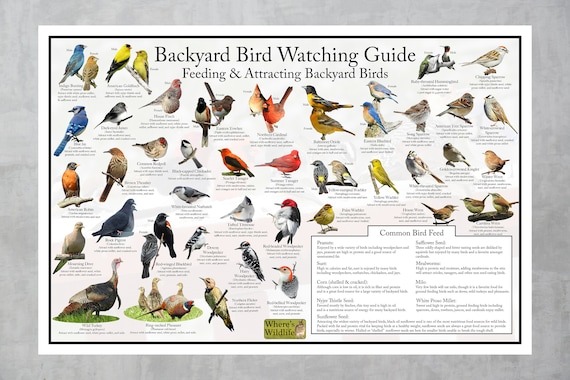
For most first outings, bring an ID resource, a way to take notes, weather-ready basics, and binoculars if they help you see comfortably. Add a spotting scope when you keep meeting birds too far away for binoculars. Bring a dedicated camera when the outing is about photographs. Choose by habitat, viewing distance, fit, and how long you’ll carry the gear, then test the setup on an ordinary bird before you upgrade.
Match Your Birdwatching Kit to the Outing
Gear that works beautifully at a lake can be a nuisance on a wooded trail. A duck resting far across open water is a different problem from a small bird darting through leaves, and an afternoon of wildlife photography needs a third setup.
Ask where the birds will be, how fast they move, how far away you’ll watch them, and how long you’ll carry your gear.
| Your outing | Take or use now | Try or borrow | Skip for now |
|---|---|---|---|
| Backyard or neighborhood park | Local ID guide or app, notes, comfortable outdoor basics | Familiar binoculars, such as 8×32 or 8×42 | Spotting scope and extensive camera kit |
| Dense woods or brush | Binoculars with quick, comfortable focus and a wide view | A lightweight 8×32 or another wide-field model | Extra magnification that makes moving birds hard to find |
| Open coast or wetland | Binoculars, field reference, weather protection | Steadier higher-power optics or a scope and tripod | A scope, until distant viewing becomes a regular need |
| Long walk or travel | Water, suitable shoes, weather layer, compact ID and note-taking method | Lightweight 8×30 or 8×32 binoculars and a comfortable strap | Bulky gear that adds little to the outing |
| Birdwatching with eyeglasses | Binoculars that give a comfortable full view with your usual glasses | Models with different eyecups and eye relief | Binoculars you haven’t tried with your glasses |
| Photography-focused outing | Gear that suits the photos you want | Camera, lens, or supported digiscoping arrangement | Photo gear for simple observation |
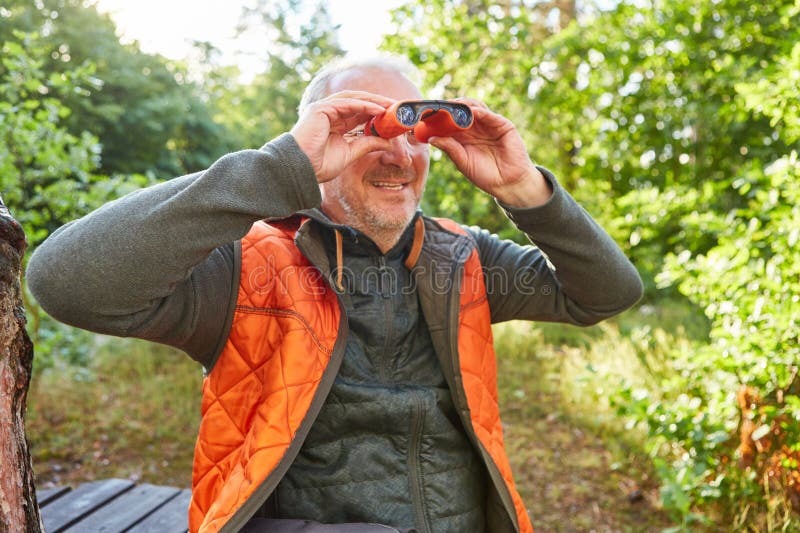
A strong spec sheet won’t help if the binoculars feel heavy on your walk or you can’t see the full view through your glasses. Habitat, field notes, and binoculars are covered in your First Birdwatching Walk: What to Do and Notice.
Before your next outing, sort each item into three groups: take, try or borrow, and leave home.
Start Birdwatching with What You Already Own
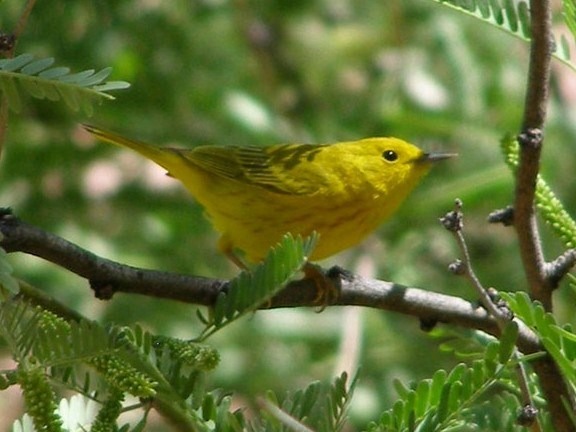
You can begin by watching and listening, with a local bird ID resource and simple notes. A phone with an ID app and notes suits a screen-friendly outing. A regional field guide and a paper notebook work when battery life, glare, or personal preference gets in the way. Pack water, footwear, and clothing for the weather. Borrowed or already-owned binoculars give you a trial run before you decide whether to buy a pair.
Choose Binoculars by Field of View and Focus
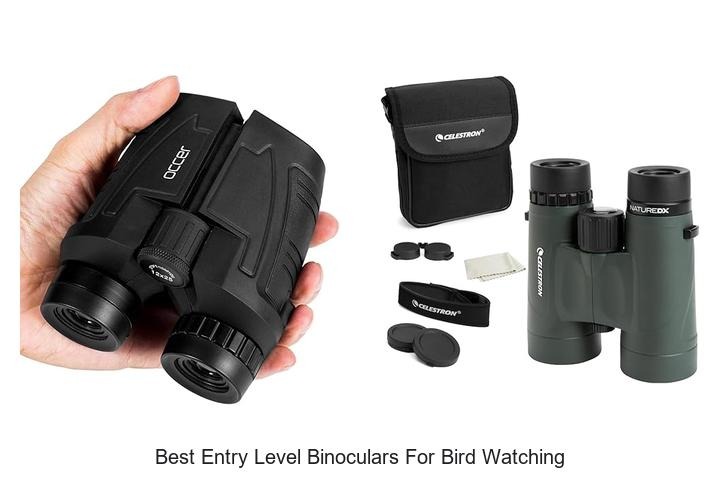
Finding and following birds depends more on a wide field of view and comfortable focusing than on the biggest magnification number. Detail only helps once you’ve located the bird, steadied the image, and focused. The checks for magnification, image steadiness, and field of view appear in 8×42 vs 10×42 binoculars for birdwatching: which fits your birds.
Labels such as 8×32 and 10×42 give two numbers: magnification first, then objective-lens diameter in millimeters. An 8× binocular makes a subject appear about eight times larger in angular size than it does to the unaided eye. With a similar optical design, a larger objective can admit more light but usually adds bulk. Diameter alone doesn’t set brightness or overall optical quality. To weigh magnification, close focus, and field of view, cross-check with how to choose binoculars for birdwatching.
Higher magnification helps with distant birds when the view is steady, and it makes hand shake more noticeable. Field of view depends on the binocular’s design. It’s usually specified in degrees or in feet at 1,000 yards, so compare equal units across models. Cornell Lab explains the choice in its field-of-view and close-focus guidance.
| Feature | What changes | Most relevant situation |
|---|---|---|
| Field of view | Amount of scene visible and ease of keeping a moving bird in sight | Woods, branches, scanning |
| Focus-wheel operation | How quickly and comfortably the image becomes sharp | Birds at changing distances |
| Close focus | How near a subject can be and still come into focus | Nearby feeders, paths, close perches |
| Magnification and steadiness | Apparent detail balanced against visible hand movement | Open habitats and distant birds |
| Grip and carried weight | Comfort when raising and holding the binoculars | Frequent viewing and longer walks |
In a shaded tree, a small bird can cross several branches before you finish focusing. A broad field gives you room to follow it, and a responsive focus wheel keeps up as its distance changes.
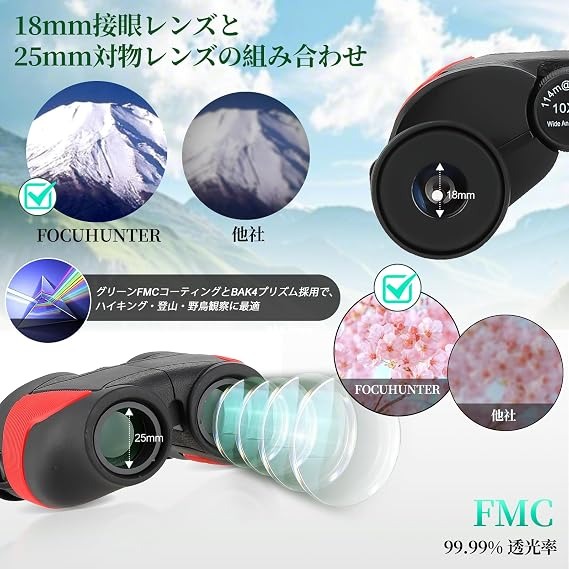
Close focus is the opposite problem. A bird near your window or on a path can sit closer than a given model can focus, so check the model’s published near-focus distance if nearby subjects matter to you.
8× is a solid choice for general birding. 10× suits you if you’re comfortable with its steadiness and watch more distant subjects.
Audubon field-tested binoculars for its 2019 guide. Its method shows how to compare pairs in practice, and its model verdicts belong to that year’s test.
Try Binoculars with Your Own Eyes and Glasses
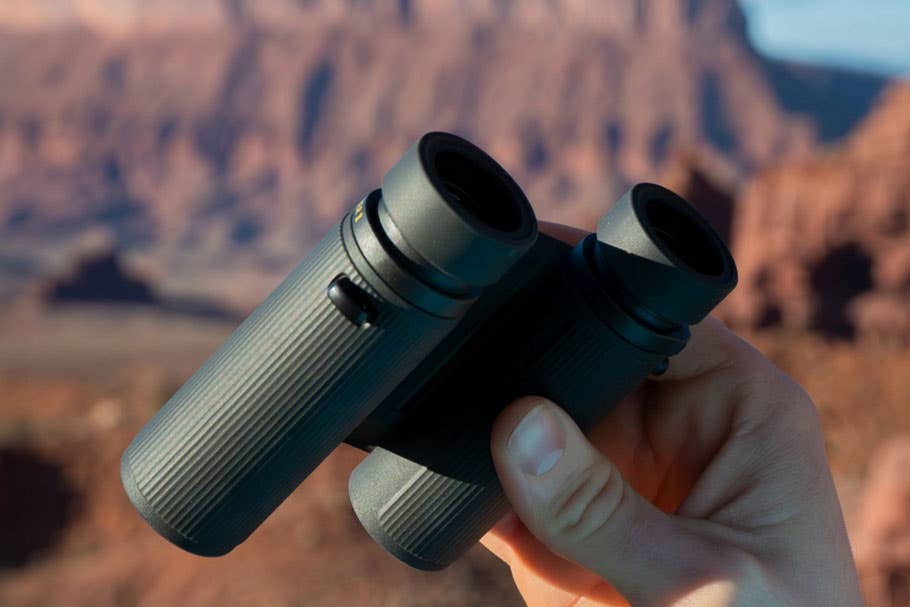
Binoculars that look sharp to one person can frustrate another. Your glasses, eye position, face shape, grip, and the adjustments on a given model all affect comfort.
Dark areas around the view or missing pieces of its circular edge mean the eyecups or the distance from your eyes to the eyepieces need adjusting. Cornell Lab describes these symptoms in its binocular fitting guidance. A short trial with the glasses you normally wear exposes the problem.
A binocular fit procedure
- Wear your usual glasses. Start with the frames in their normal position on your face.
- Set the hinge. Adjust interpupillary distance until you see one comfortable circular image.
- Position the eyecups. Test the positions until you see the whole scene without persistent black areas or cropped edges.
- Set center focus and the diopter separately. On binoculars with a right-eyepiece diopter, view a stationary object through the left eyepiece and turn the center wheel until it’s sharp. Then view the same object through the right eyepiece and turn the diopter adjustment until it’s sharp. If the diopter is elsewhere, follow the binocular’s control layout.
- Check natural handling. Raise and lower the binoculars, use the focus wheel, and see whether the view stays comfortable as you move.
- Judge the complete fit. The image should be easy to find, focus, and hold without strain.
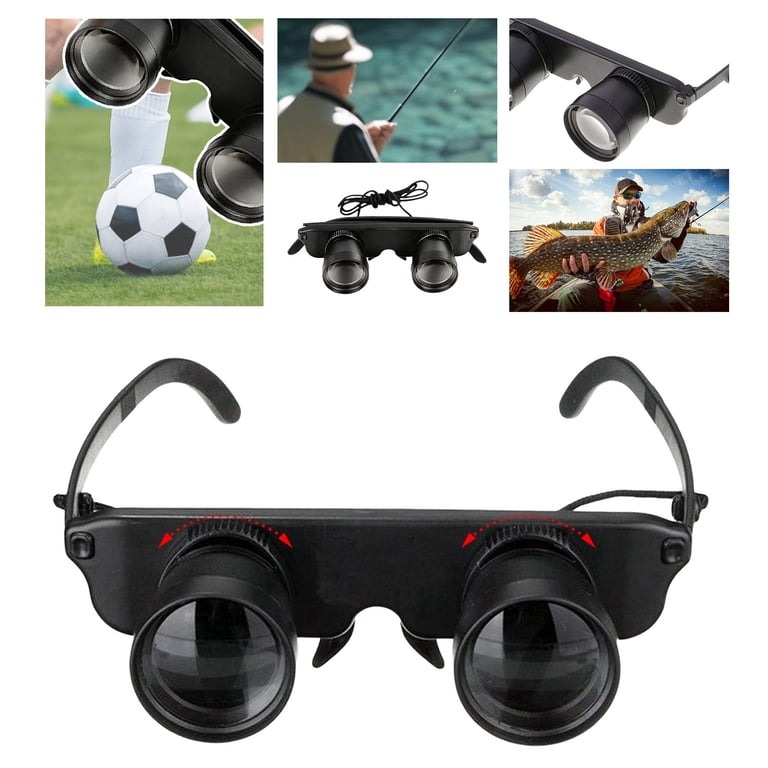
Eye relief is the distance at which the eyepiece gives its intended usable view. With glasses between your eyes and the optics, both the published eye-relief figure and the real eyecup arrangement matter.
One birder liked their binoculars but still struggled with this:
I am an eyeglass wearer and go birding all the time. I currently have 10×42 Nikon Monarch HGs and I really like them. I was curious though, if I switched to 8x42s would the eye relief be better for eyeglass wearers? My only complaint about my binos are the eye relief can be troublesome at times and I’m wondering if it has anything to do with the 10x magnification. Thanks!
The problem here is comfort with glasses. Switching from a 10×42 label to an 8×42 label doesn’t guarantee suitable eye relief or eyecups.
What if I change my eyeglasses?Run the fit procedure again with the new frames. Their shape and position change how easily your eyes reach the intended viewing point.
When to Use a Spotting Scope and Tripod
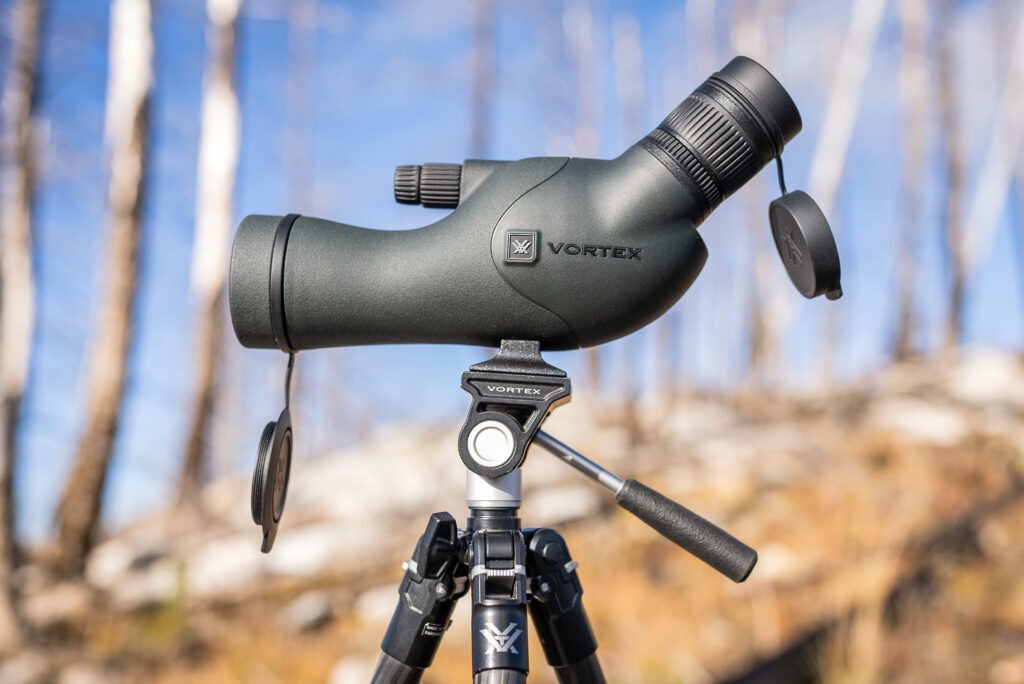
Consider a spotting scope when you repeatedly want a steadier, more detailed look at birds too distant for handheld binoculars. Broad wetlands, shorelines, and waterfowl resting far offshore are typical cases.
Binoculars stay better for scanning and following moving birds. A scope earns its place for examining detail once you’ve found a distant subject, and it adds a tripod, setup time, and weight to carry.
A duck across a broad marsh is easy to find and too far for its markings to show in binoculars. A scope on a tripod fixes that distance problem when the observation is worth the setup.
One coastal waterfowl watcher described gear that didn’t match the job:
Hi everyone! I’m seeking advice on binoculars for birding. My primary use of my current binoculars—the Nikon Eagleview 8-24×24—is watching and identifying waterfowl sitting off the coast. I feel like these binoculars aren’t meeting my needs very well. The image field seems really tight, and I’m struggling to focus past 8x magnification. I got these as a gift some years back and am looking to upgrade. Does anyone have experience with the Eagleviews? Have you also found them to be “meh”? Also would appreciate recommendations for higher quality binocs in the 200-300 dollar range. Thank you so much!
The writer describes a tight view and trouble focusing above 8× while watching coastal waterfowl with the named zoom binoculars.
Borrow a scope and tripod to try when all three apply:
- Distant birds are a regular interest. You often study waterbirds or shorebirds beyond a comfortable binocular view.
- You can handle the equipment. A tripod and extra setup time fit your locations and trips.
- The extra detail changes the observation. You’re trying to make out features your binocular view leaves unclear.
If you mostly watch close, fast-moving woodland birds, you have little reason to carry a scope. If the borrowed setup does help, compare scopes together with their tripods and eyepieces as one carrying and viewing system.
Use Merlin, eBird, Field Guides, and Notes for Different Jobs
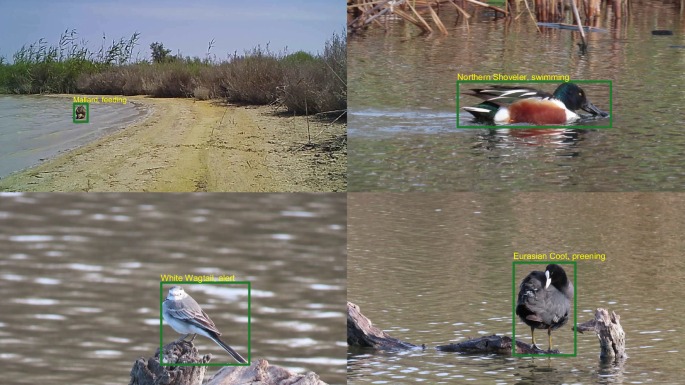
ID suggestions, birding checklists, printed references, and personal notes each do a separate job.
| Tool | Main job | Useful moment |
|---|---|---|
| Merlin Bird ID | Suggest possible identifications from available clues | Comparing a visible bird or unfamiliar sound with likely species |
| eBird and eBird Mobile | Record observations on checklists | Documenting a visit and the birds reported during it |
| Regional field guide | Compare field marks, similar species, illustrations, and range information | Checking a candidate against birds expected in the region |
| Notebook or phone notes | Preserve details of the observation itself | Keeping the date, location, appearance, behavior, and sounds |
Merlin gives you a shortlist. Check it against the bird’s markings, voice, behavior, and habitat before you commit to a name. An eBird report records that someone reported a bird at a place and time. The bird may have moved on by the time you get there.
One birder hunting for a belted kingfisher ran into exactly that uncertainty:
So today I went looking for my lifer belted kingfisher. Heard a call I’d never heard before but it didn’t sound exactly like the recording I listened to and I wasn’t at the exact location reported on ebird, so I decided to move on. Went to the location and didn’t find it there, so I listened to some more recordings and that was probably it. Went back to the same location and didn’t find it. Feeling pretty stupid.
The writer later suspected the unfamiliar call was a kingfisher.
When you see or hear an uncertain bird, write down what you observed: date, place, distinctive markings, call, habitat, and behavior. Then compare it with a guide, recordings, or an ID suggestion before you enter a species name.
A phone recording of the sound helps with later comparison. Playing recordings back to attract or provoke birds is a separate welfare concern covered by responsible birding practices.
Can I record sightings when my phone has no connection?Yes. Before an outing without reception, download the regional bird pack for that area so its local species list works offline. eBird Mobile lets you save an offline checklist for later submission. Until you submit it, the record stays on that device under Not Submitted and isn’t backed up to your eBird account. If you lose the device, you can lose the unsubmitted checklist. Follow the eBird Mobile submission guidance when connectivity returns.
A regional guide lets you compare local species without a screen. Pick one whose coverage and range maps match the places you visit.
Cameras, Straps, and Extras: Carry What Supports Your Goal
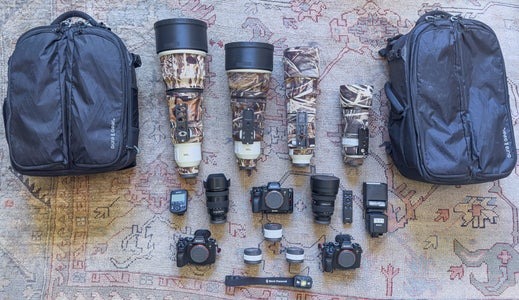
Bird photography and birdwatching have different priorities. If you want to bring home images, a camera and suitable lens are central. If you want to watch behavior, binoculars leave your hands and attention freer. Photography means adjusting settings, tracking focus, framing, and waiting for the moment. That work is rewarding, and it changes how you spend your attention outdoors.
One birder preferred days without a camera:
Whenever I go out with a camera, I find myself so focused on getting the settings right, getting focus on the bird, and trying to frame a good shot that I’m never really watching the bird. I love the feeling of a perfect photo, don’t get me wrong, but I ENJOY birding more when I leave the camera at home and just pack my binoculars. Does anyone else feel like this or am I just a weirdo?
If photography is your main goal, the trade-off runs the other way. A phone can document some encounters, but detailed photos of distant birds call for dedicated equipment.
Straps, harnesses, and bags need the same thought as binoculars. A strap keeps them within reach, and a different carrying arrangement may feel better on a long walk. Comfort depends on your fit, the length of the outing, and what else you carry.
Test the Setup on Birds Without Putting Them at Risk
The field test is whether you can find, focus on, and follow an ordinary bird with the gear you already have. Binoculars that feel comfortable indoors can still be awkward to aim when a bird moves unexpectedly.
Choose a common bird you can see from a normal distance without disturbing it. A park bird perched in the open works.
A simple field check
- Find the bird unaided. Note where it sits or moves before you raise the binoculars.
- Raise the binoculars. Keep looking at the same point as the eyepieces come up.
- Focus the image. See whether the wheel is easy to turn while the bird stays in view.
- Follow its movement. If it moves, see whether you can keep it in view without losing it again and again.
- Pinpoint the problem. Is it finding the bird, holding it in view, focusing, or carrying the gear comfortably?
A bird calling from a dense tree is hard to locate even with good binoculars. Finding the bird with your unaided eyes first improves the next attempt. If you still can’t see comfortably, the cause is fit or the equipment.
The American Birding Association’s Code of Birding Ethics puts bird welfare and habitat protection first. Don’t approach sensitive nests, trespass, disturb habitat, or play calls to provoke birds just to test equipment.