A very large blue-gray wader with a heavy pointed bill, a pale head with a black stripe, and a neck folded in flight is a Great Blue Heron. Juveniles, the white form in southern Florida, and crane or egret lookalikes look different, so check those before you decide.
How to Identify a Great Blue Heron
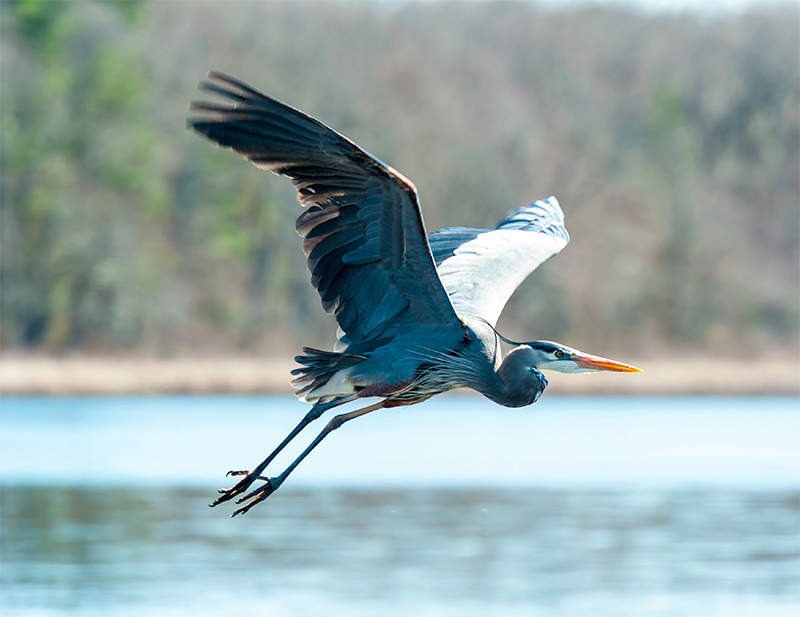
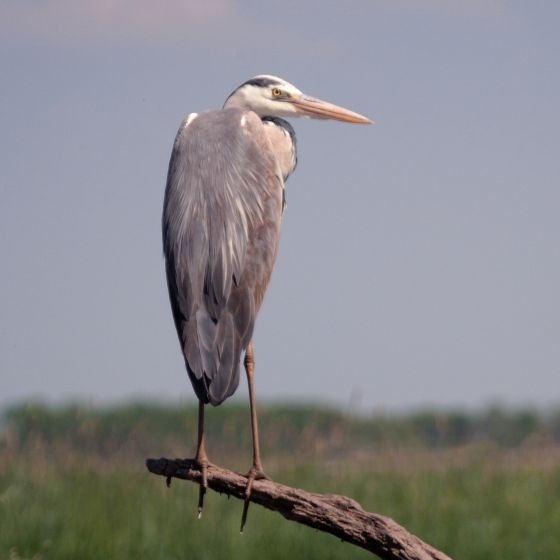
The Great Blue Heron (Ardea herodias) is North America’s largest heron. Long legs lift its blue-gray body above the water, and a curved neck leads to a thick, spear-shaped bill. On a typical adult, a broad black stripe runs back from above the eye across a pale face and crown.
Some adults carry shaggy plumes on the head, neck, and chest. Plumes change with age and breeding condition, so treat them as supporting detail. On a clear side view, the bill and head pattern are the stronger marks.
Great Blue Heron size
The Cornell Lab identification guide gives these measurements:
| Measurement | Great Blue Heron |
|---|---|
| Length | 38.2 to 53.9 inches (97 to 137 cm) |
| Wingspan | 65.8 to 79.1 inches (167 to 201 cm) |
| Weight | 74.1 to 88.2 ounces (2,100 to 2,500 g) |
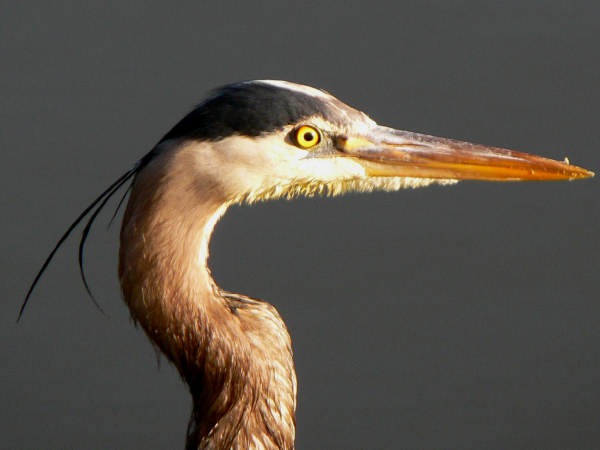
In flight, the wings are broad and rounded, with relatively slow wingbeats. The legs trail behind the tail, and a pale forewing contrasts with darker flight feathers. A standing bird may stay nearly motionless beside a shallow stream, then take a few measured steps.
Start with the bill and the striped head, then check the overall silhouette. Together they make a stronger case than blue-gray color alone. For a closer look at bill shape, plumage, and habitat, read how shape, color, behavior, and habitat identify a bird.
Great Blue Heron vs Crane, Egret, and Other Lookalikes
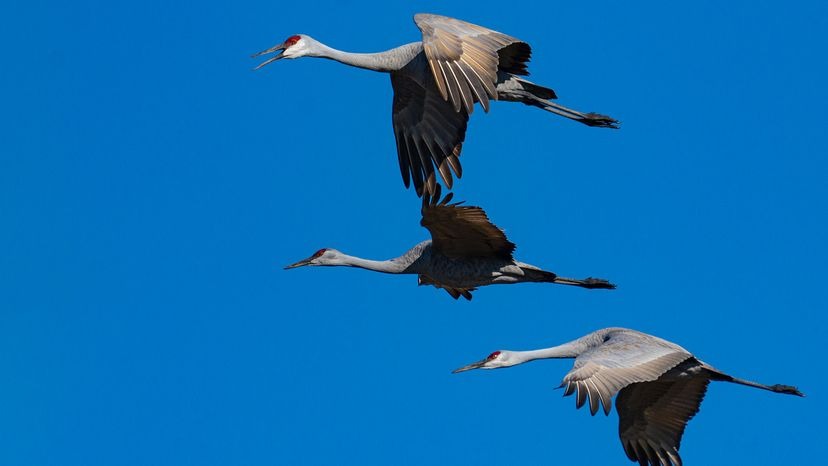
Flight posture gives the quickest first split. A Great Blue Heron usually draws its neck back into an S-shaped curve, while a Sandhill Crane generally flies with its neck outstretched. Both trail their legs behind them. A heron sometimes extends its neck too, so combine a fleeting neck view with the bill, body shape, and other marks.
Which large wading bird are you seeing?
| Candidate | Useful field marks | Condition that matters |
|---|---|---|
| Great Blue Heron | Large blue-gray body, heavy pointed bill, pale head with a black stripe; typically folded neck in flight | Juvenile and white-form plumage differs |
| Sandhill Crane | Bulkier shape, usually extended neck in flight; adult has a red crown and more uniformly gray appearance | The red crown is an adult feature |
| Great Egret | White body, slender bill, dark legs, and no Great Blue-style head plumes | Compare carefully with a white Great Blue in southern Florida |
| Little Blue Heron | Substantially smaller; adult lacks the Great Blue’s yellow bill and distinctive dark crown pattern | Immature Little Blue Herons have different plumage |
| Tricolored Heron | Smaller bird; nonbreeding adult has a darker blue neck with a narrow white line down its front | Season and age affect the visible pattern |
To tell large white birds apart, check the bill and legs. A Great Egret has a slim bill and dark legs. The white Great Blue has a heavy yellow bill and pale yellowish legs.
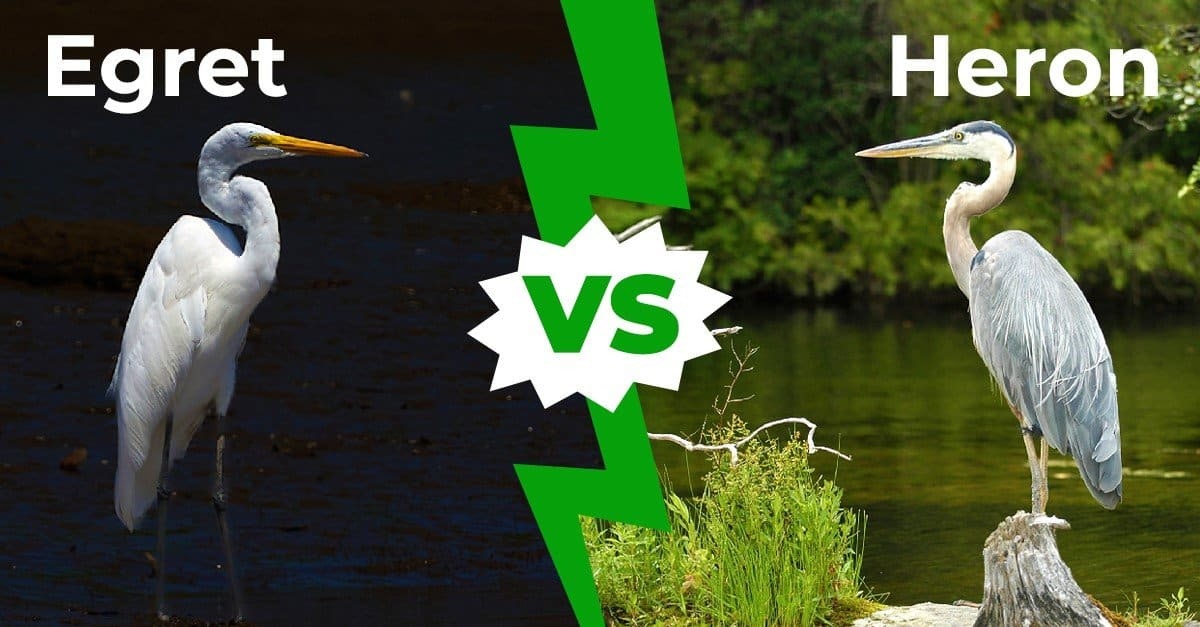
A Gray Heron can look remarkably similar to a Great Blue, but it is mainly an Old World species. For a routine US wetland sighting, start with the herons, egrets, and cranes found locally. For the marks that separate the two, see gray heron vs. great blue heron: field marks that matter.
If the bird is standing still and you can’t see it fly, go by the head and bill and match them to the table.
Adults, Young Birds, and the White Great Blue Heron
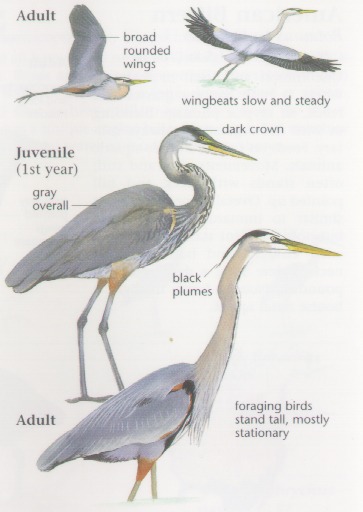
A juvenile has a more streaked neck and less defined head markings than an adult, so it may not match a photograph of a breeding adult.
Can you tell a male Great Blue Heron from a female by its plumage?Adult males and females look much alike in an ordinary field view. Young birds often have duller, browner plumage and less-developed plumes.
White Great Blue Herons in southern Florida
The all-white form, often called the Great White Heron, is associated with the southern Florida coast and the Florida Keys. It has the heavy build of a Great Blue Heron.
In the Florida Keys, a white wader standing in shallow water may hide its legs. A clear side view of the heavy bill and overall bulk separates the Great White Heron form from a Great Egret.
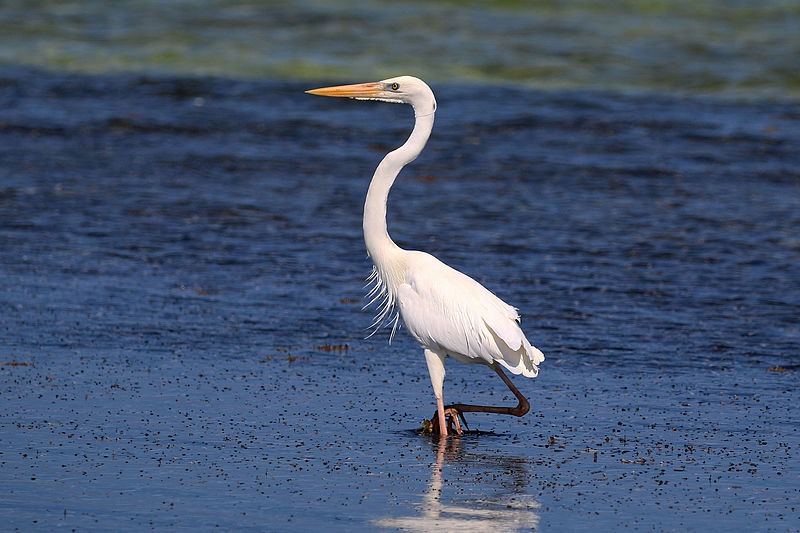
Würdemann’s Heron is another Florida form, with a mostly white head and neck above a powdery blue body.
Where Great Blue Herons Live and When You Might See One
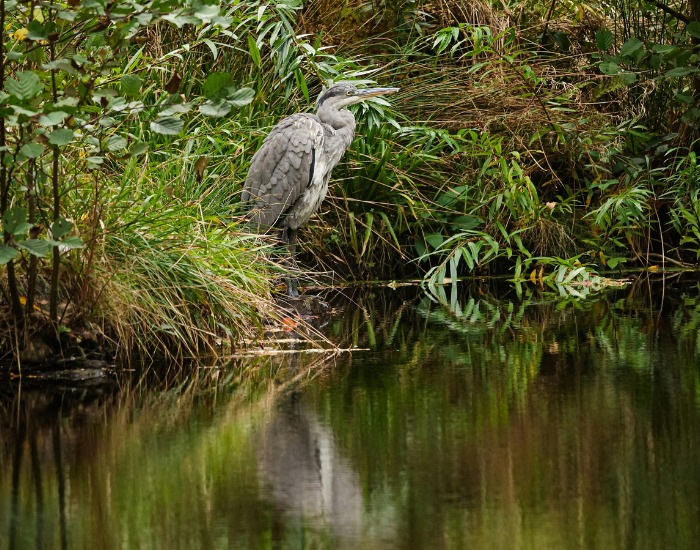
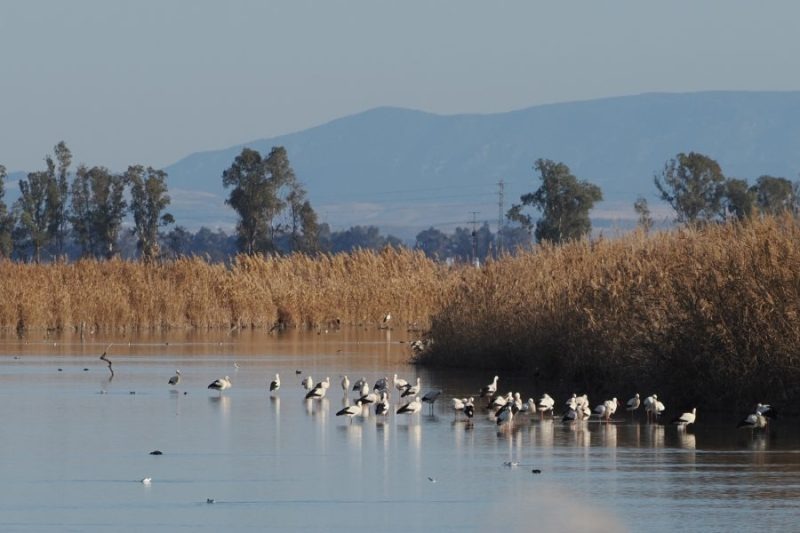
Great Blue Herons use fresh and salt water. They feed along rivers, lakes, marshes, sloughs, shorelines, and ponds, and sometimes hunt in fields or agricultural land. A city wetland park can offer suitable habitat if prey is accessible.
Shallow water makes the bird’s stalking and waiting easy to watch. A creek through a developed neighborhood and an open coastal marsh can hold the same species, even though the landscapes look very different.
Does the Great Blue Heron migrate?
Migration varies across North America. Many northern birds east of the Rockies migrate toward warmer areas, including parts of the Caribbean, Central America, and northern South America. Some Pacific Coast populations, along with birds in milder southern regions, stay through the year.
The eBird Status and Trends map shows modeled seasonal relative abundance. It reflects broad patterns drawn from observations, not a live inventory of an individual pond.
To choose a place to watch, check dated local eBird checklists or hotspot observations for your season and location. Recent sightings help narrow the search within the wider range.
What Great Blue Herons Eat and How They Hunt
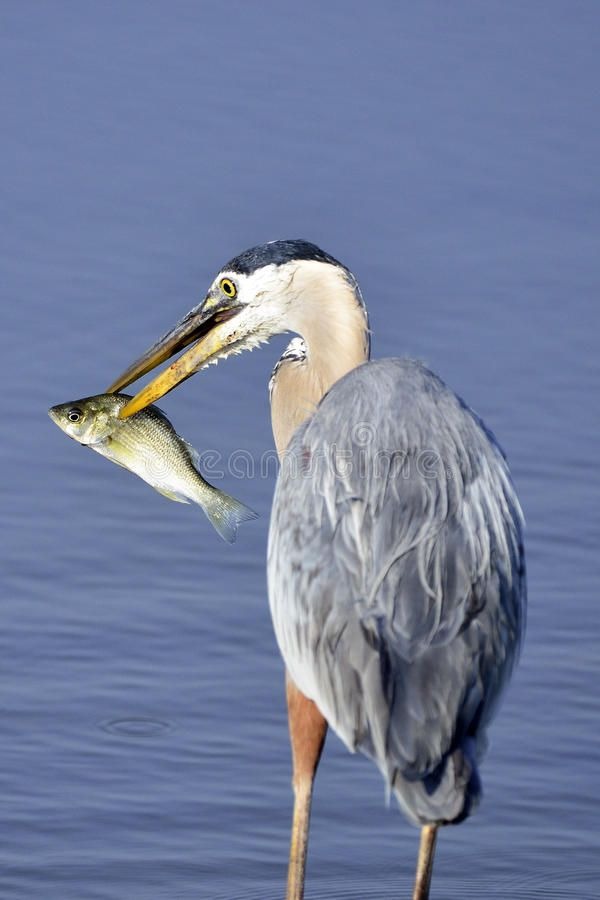
A Great Blue Heron is a patient hunter. It stands motionless in shallow water or creeps forward with its neck poised above the surface. When prey comes within reach, the neck shoots out and the bill strikes.
Fish are an important part of its diet. It also eats frogs, salamanders, snakes, turtles, insects, small mammals, and occasionally birds.
Small prey is seized in the bill. Some larger fish are impaled and manipulated before being swallowed.
Why a Great Blue Heron May Visit a Backyard Fish Pond
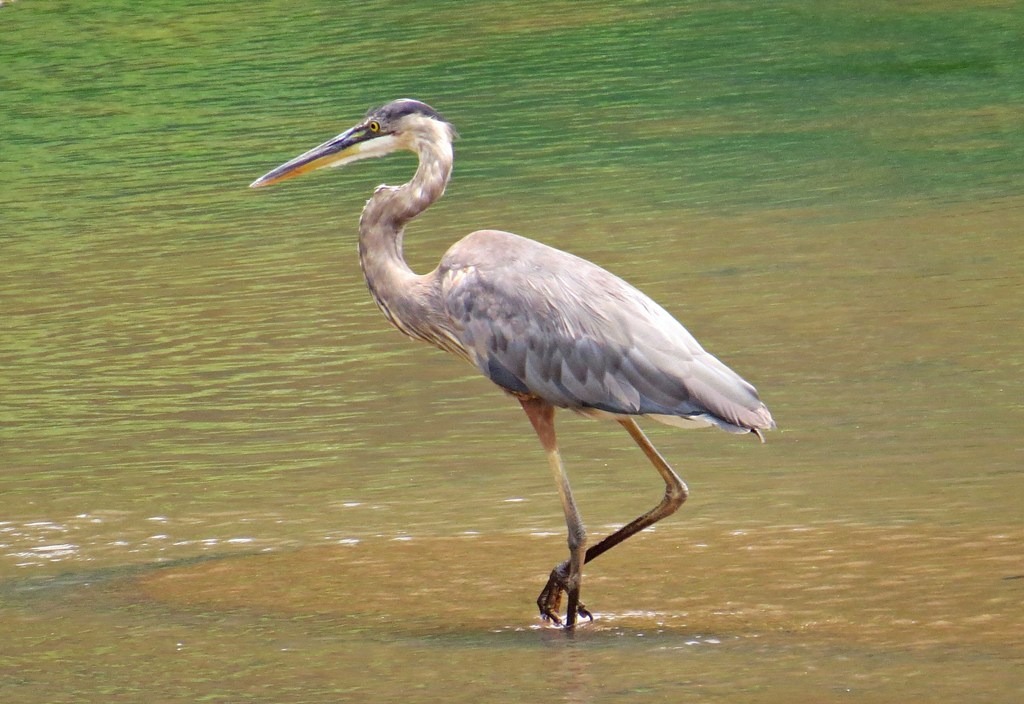
Goldfish in an open pond can attract a Great Blue Heron, and a visit puts your fish at risk. The bird is protected under federal migratory-bird law, so any deterrent has to be legal and safe for wildlife.
Great Blue Heron Calls and Why You May Hear Nothing
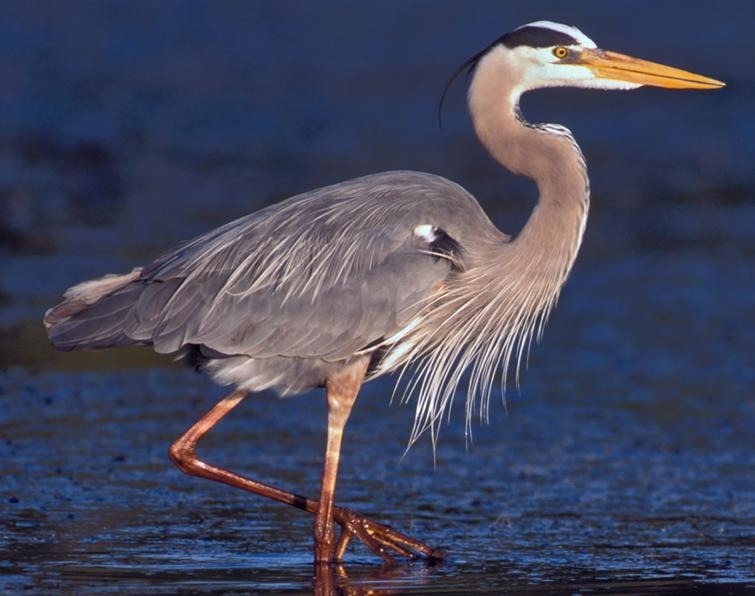
The Great Blue Heron’s voice is harsh, with croaking, squawking calls that can sound surprisingly loud around a colony. Adults also call during other interactions.
A solitary heron waiting for a fish can stay silent the whole time.
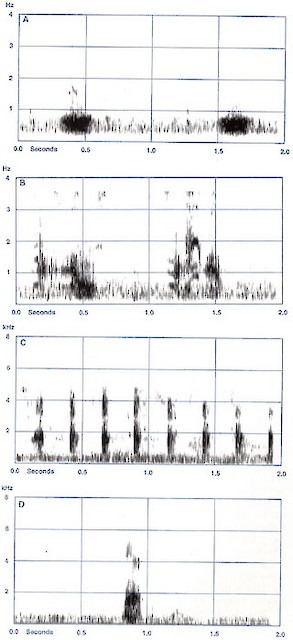
For a reference, play an authenticated species recording from Audubon or American Bird Conservancy. A call is additional evidence alongside the visible bird and the setting.
Nesting, Heronries, and Family Behavior
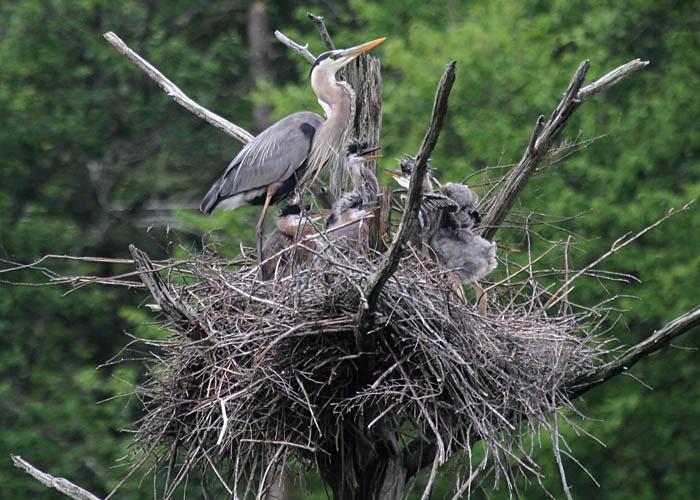
Great Blue Herons often feed alone, yet many breed in colonies called heronries or rookeries. A colony may hold numerous bulky stick nests in neighboring trees.
Large nests are commonly built high in trees, and some reach around four feet across. The species also nests in bushes, mangroves, and other suitable sites, including some human-made structures.
Eggs, incubation, and growing young
Courtship includes displays of head and neck plumes, movements of the bill, and the exchange of nesting sticks. Cornell gives the following breeding ranges:
| Breeding measure | Reported range |
|---|---|
| Eggs in a clutch | 2 to 6 |
| Incubation | 27 to 29 days |
| Nestling period | 49 to 81 days |
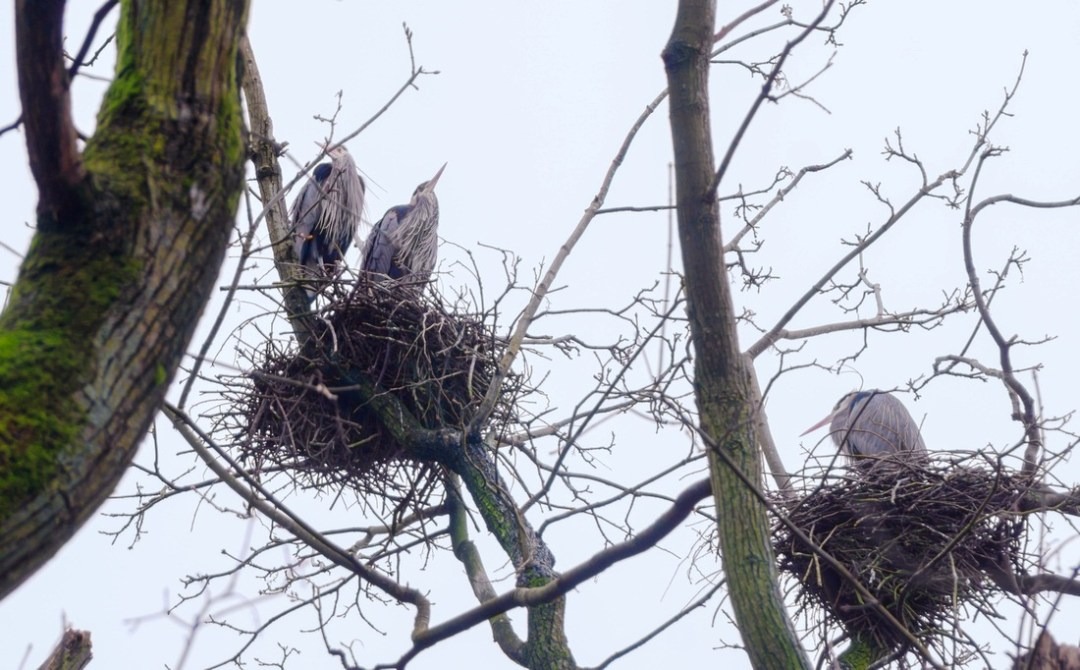
Several herons on one shoreline may just be foraging. A heronry has nests and breeding activity.
Does a large stick nest mean herons are nesting there now?No. An old nest may remain after a breeding season. Current occupancy depends on activity observed from a respectful distance, such as adults tending the nest.
How to Watch a Great Blue Heron Without Disturbing It
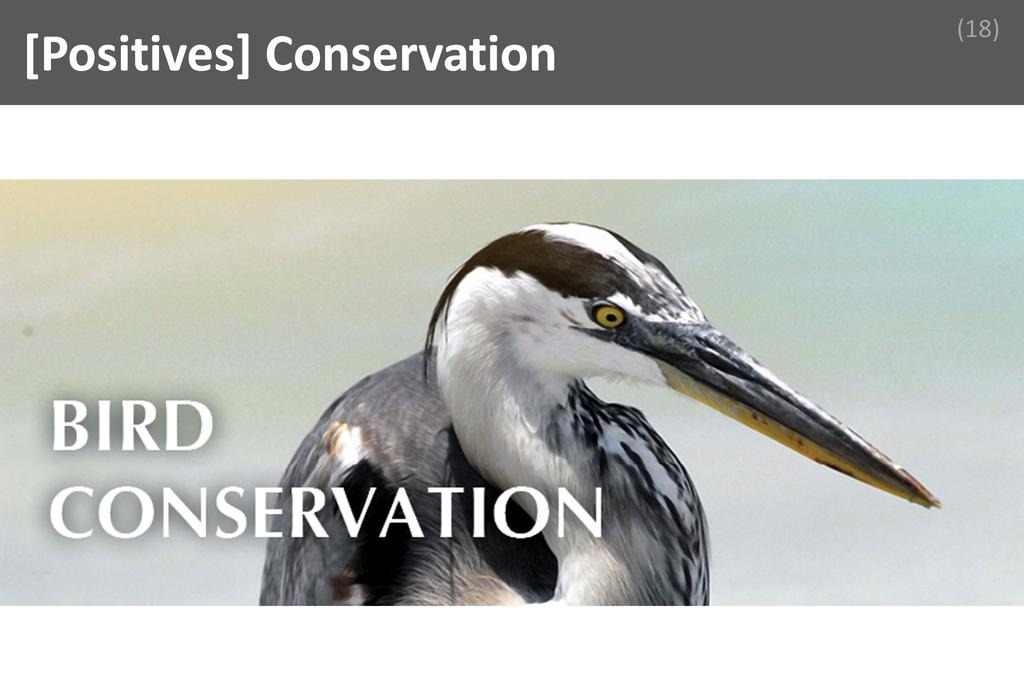
Use a public path or established viewing area where the heron can keep feeding, resting, or tending its young. Binoculars and a camera show its features without a close approach.
A bird that stops feeding, turns unusually alert, retreats, or flies off as you approach is disturbed. Give it more space, and leave if needed. An occupied nesting colony needs extra care because disturbance affects eggs, chicks, and attending adults.
The American Birding Association’s Code of Birding Ethics gives observation guidance, and US Fish and Wildlife Service guidance covers the protection of migratory birds and active nests. Do not approach occupied nests, handle chicks, or pursue a bird for a photograph.