Birdseed goes bad. Throw out any batch that is moldy, persistently damp, musty, rancid or clearly contaminated. If it shows none of that, judge it by its age, type and how it was stored. Keep your next supply cool, dry and protected from pests.
A bag left in a closet for months and seed that sat through several rainstorms in a feeder have faced very different conditions. Age matters, but so do the temperature, moisture and pests the seed has met.
How to Tell if Birdseed Has Gone Bad
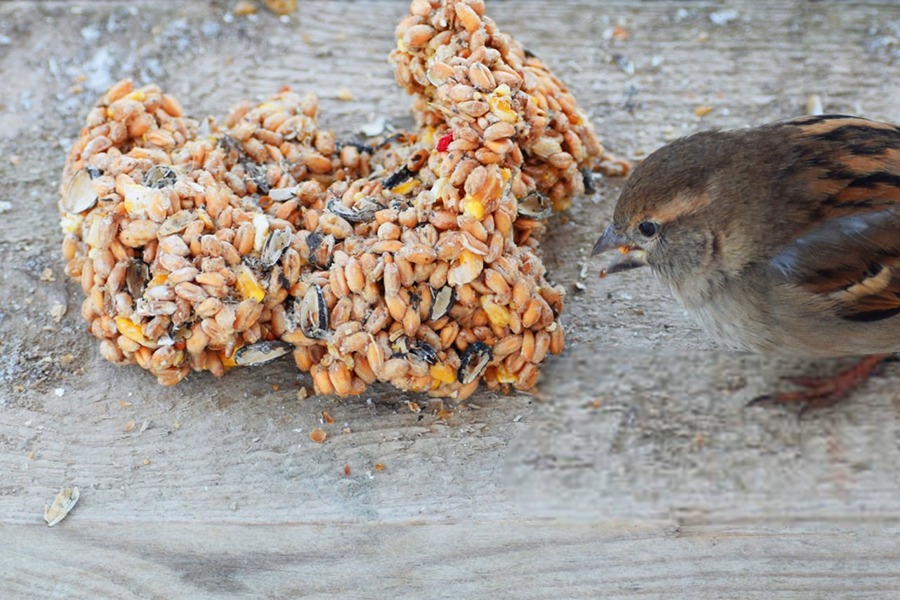
Discard birdseed with visible mold, lingering dampness, a musty or rancid smell, or clear contamination. An old bag with none of these signs is fine to use if it stayed cool, dry and sealed.
Check a representative portion of the batch in good light. Look below the surface of the bag, especially if the seed got wet or smells odd.
| What you find | What it may mean | Decision |
|---|---|---|
| Mold-like growth, persistent dampness, mustiness or a rancid odor | Significant spoilage concern | Discard the affected batch |
| Unexplained clumps or an unusual smell | Moisture damage or deterioration | Find the cause before feeding |
| Webbing, larvae or damaged packaging | Insect activity or pest access | Isolate the bag and check for pests |
| An old opening date but no warning signs | Freshness depends on the seed and how it was stored | Fine to use if the bag stayed cool, dry and protected |
| Dry, intact seed with no concerning signs | No obvious spoilage | Use it if it was stored well |
Check any unexplained clump, especially where water could have got in. Dust and insect silk are easy to mistake for fungus, so judge the smell, moisture and surrounding seed together.
Warmth and moisture encourage fungal growth. Cornell Lab of Ornithology warns about mold developing in bird feed under unfavorable summer conditions.
Some molds produce mycotoxins, and you can’t rule them out by sight or smell. That is why you discard seed with mold or persistent dampness.
Say an opened bag has a musty, damp patch near the bottom. The moisture can reach seed well beyond the visible patch, so discard the batch. Drying or rinsing the seed does not fix it.
How Long Does Birdseed Last?
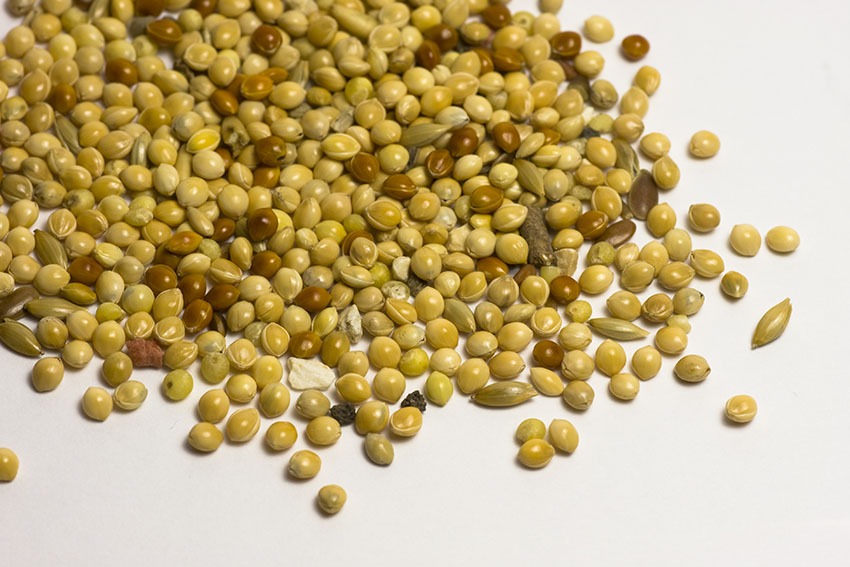
The Wild Bird Feeding Institute gives a broad reference of roughly 6 to 12 months for birdseed stored under favorable conditions. The actual time depends on the seed and the conditions it sits in.
Seed deteriorates sooner in heat or humidity, in damaged packaging, or when moisture gets inside. A sealed bag in a cool, dry space faces less risk than an opened bin that gets handled again and again in a garage.
Seed type matters too. Sunflower seed, sunflower hearts, Nyjer and mixed seed contain different components, including oils that deteriorate in storage. Stale seed is less appealing to birds, and rancid oils can cause digestive problems.
For a bag with no obvious spoilage, check the purchase or opening date, seed type, packaging condition and exposure to heat or moisture. Follow any storage directions on the original package.
What Bugs, Webbing and Larvae in Birdseed Can Mean
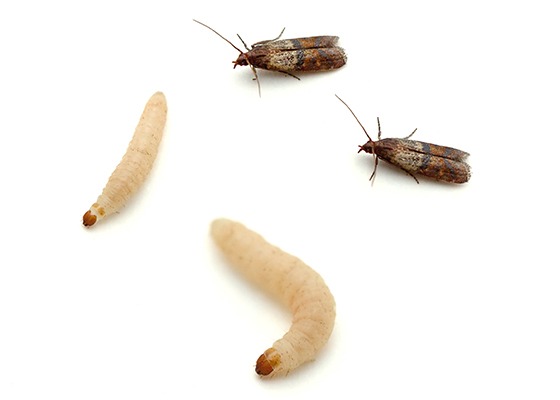
Stored-food insects can produce webbing in birdseed. Larvae, moths or silk-like strands point to an infestation, though the strands alone don’t mean the seed is moldy.
Insects that infest grain and other dry foods can get into seed while it is packaged or stored. Indianmeal moths are one example covered in University of Minnesota Extension’s stored-food pest guidance. Insects found near flour or cereal can also threaten other dry foods in your home.
If you find webbing or larvae, isolate the bag from other seed and pantry staples. Check the packaging and nearby dry foods for damaged seams, larvae or spreading activity.
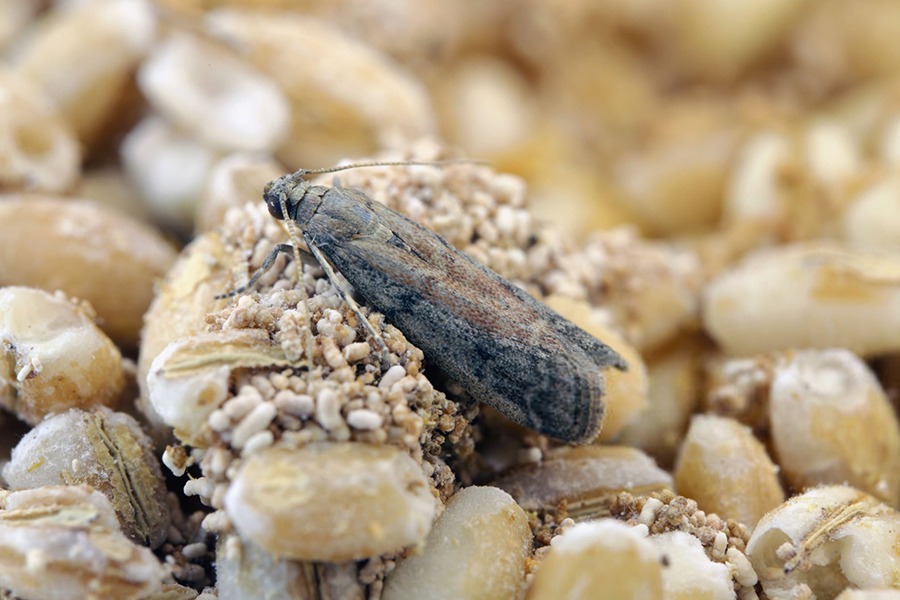
Some wild-bird retailers accept limited insect presence in otherwise sound seed. University of Minnesota Extension recommends disposing of infested household stored foods. If a bag has extensive webbing, damaged packaging or uncertain moisture exposure, dispose of it.
Don’t scatter infested seed outside to get rid of it. Don’t treat birdseed with mothballs, pesticide dust, household fumigants or improvised chemical mixtures.
If you can’t tell what the strands are and the seed looks bad, set the batch aside and buy fresh seed.
Can Freezing Birdseed Help, and What Won’t It Fix?
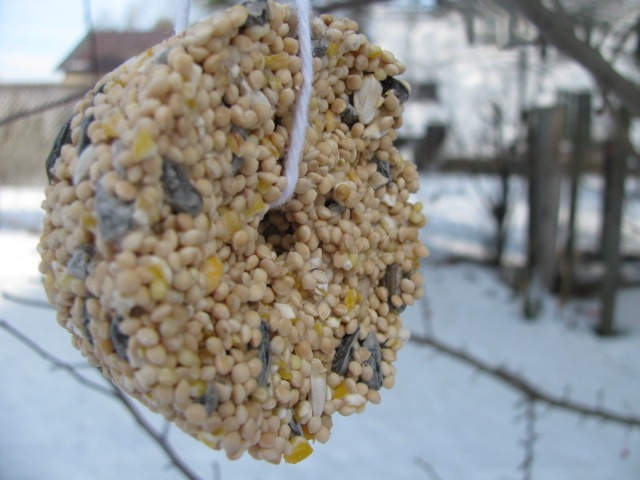
Freezing helps with a minor insect problem in otherwise sound, dry seed. Wild Birds Unlimited recommends freezing the supply for five days.
Let the closed package warm toward room temperature before you open it, to reduce condensation.
Freezing does not rescue moldy, musty, persistently damp or contaminated seed, because it can’t establish that fungal toxins are gone. Discard that seed.
Where to Store Birdseed: Indoors, in a Garage or in a Shed?
Pick a place that keeps birdseed cool, dry, safe from pests and easy to inspect. A garage works when conditions are right. An indoor spot can be a poor choice if seed is exposed to pantry pests or moisture.
A shaded shed may stay dry through one season and turn damp in another. A garage has room for bulk storage, but its temperature can climb substantially in summer.
| Storage location | Main advantage | What can go wrong | What to assess |
|---|---|---|---|
| Indoor storage area | More stable conditions | Pantry pests can reach household dry foods | Dryness, containment and distance from groceries |
| Garage or shed | Space for larger containers, away from food | Heat, condensation and rodent access | Seasonal conditions and entry points |
| Covered porch | Easy access to frequently used feed | Rain, humidity and wildlife exposure | Weather protection and container condition |
The Wild Bird Feeding Institute suggests about 40 to 70°F (4 to 21°C) for storage and calls temperatures below 80°F (27°C) favorable for freshness.
One r/birdfeeding commenter stores seed indoors because of humidity:
I store mine indoors because it’s so damn humid where I live 95% of the year. So it’s just in rolling plastic containers marketed as dog food storage. Edited to add: I keep everything in their original bags (or in a large ziplock bag if the bags are not resealable). The storage containers just keep everything contained and orderly.
Indoors, a poorly contained bag can bring pantry pests close to your groceries, especially when it sits next to flour, cereal or other dry foods.
Choose a Container That Fits the Storage Problem
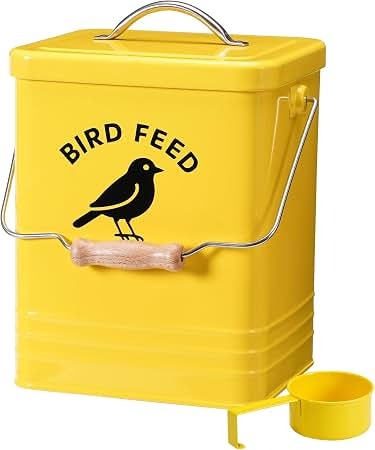
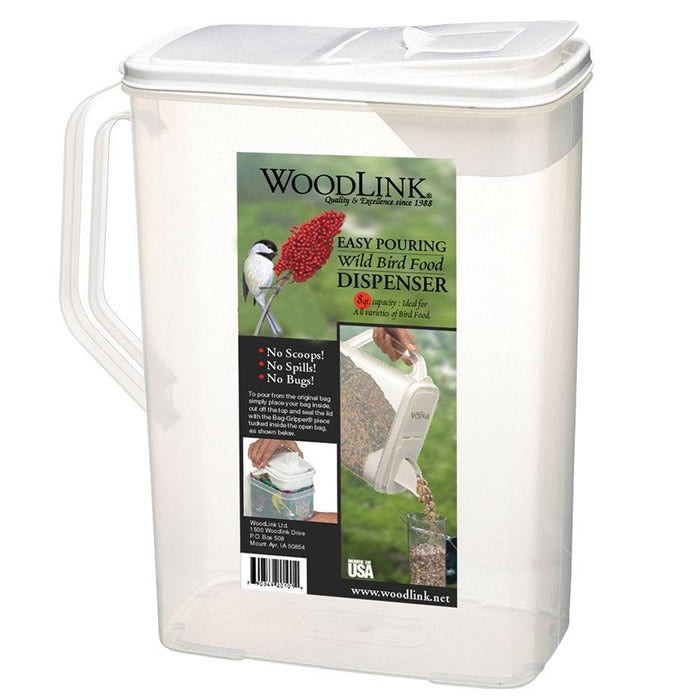
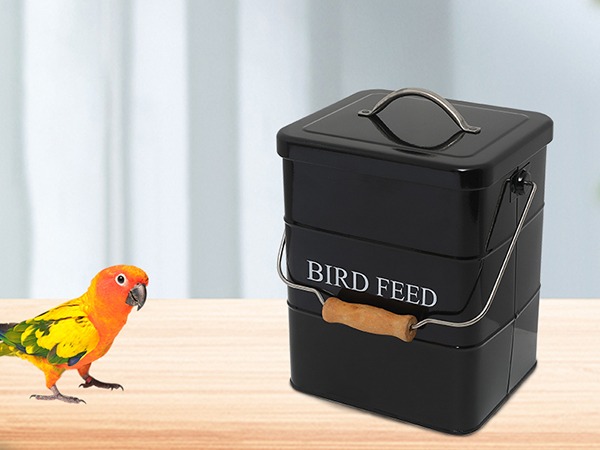
A good container has a secure lid, fits the amount you keep and protects against the hazards where it sits. The right one depends on whether your main worry is rodents, moisture, insects, convenience or space.
| Container | Potential advantage | Limitation to consider |
|---|---|---|
| Galvanized metal can with lid | Sturdy, and resists some rodent access | Bulky; lid fit and location still matter |
| Rolling plastic pet-food bin | Convenient for indoor use and regular access | Plastic can be chewed or damaged |
| Gasketed food-service bucket | A fitted seal helps limit pest and moisture entry | Seal condition, capacity and cleaning still matter |
| Reused picnic cooler | Convenient enclosed storage | Weather resistance and pest exclusion are unverified |
A large metal can suits someone who goes through several bags in a busy feeding season. With one small feeder and little room, it’s awkward.
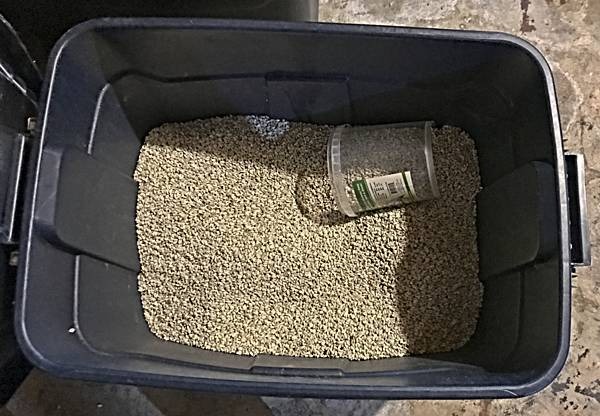
Another commenter in the same discussion uses a cooler:
I keep mine in one of those big old plastic igloo coolers, just dumped the bag in. Pretty tight seal so it stays fresher and doesn’t get bugs. You can find a billion of them at your local thrift store for like $5 a pop, plus they take stickers REALLY well so you can cover it in cute bird stickers.
Whatever you choose, check that the lid closes tightly, that you can lift it and that you can reach the bottom to inspect and clean it.
Keep New Birdseed Fresh: Buy, Label and Rotate
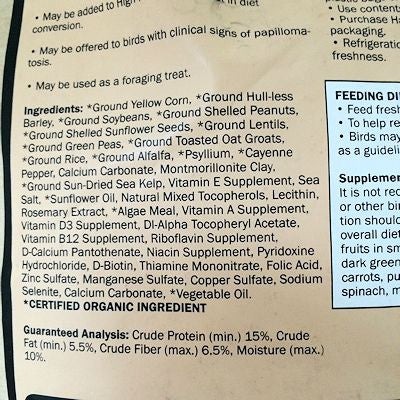
Buy only what you can use in a reasonable time, so you don’t find half-forgotten seed after a season of heat or humidity.
- Match the purchase to your use. Notice how quickly you empty your feeder before choosing the next bag size. Several active feeders empty a large bag fast; with one feeder, a smaller bag creates less waste.
- Keep the product details. Retain the original label or record the seed type and any storage instructions from the manufacturer.
- Mark when you opened it. A date on the bag or container makes an old supply easy to spot.
- Use older acceptable seed first. Rotate sound stock before opening another bag, and check stored supplies periodically, especially after bad weather or signs of pests.
Nyjer, often sold as thistle, shows why smaller purchases sometimes make sense. A slow-moving finch feeder can leave a large supply sitting longer than you intended.
Keep a questionable older batch apart from the fresh purchase. Mixed together, they make it hard to find and discard the affected seed.
If you’re replacing a batch and want to change the mix, see choosing a fresh seed mix for your backyard birds.
What to Do With Seed Left in a Feeder
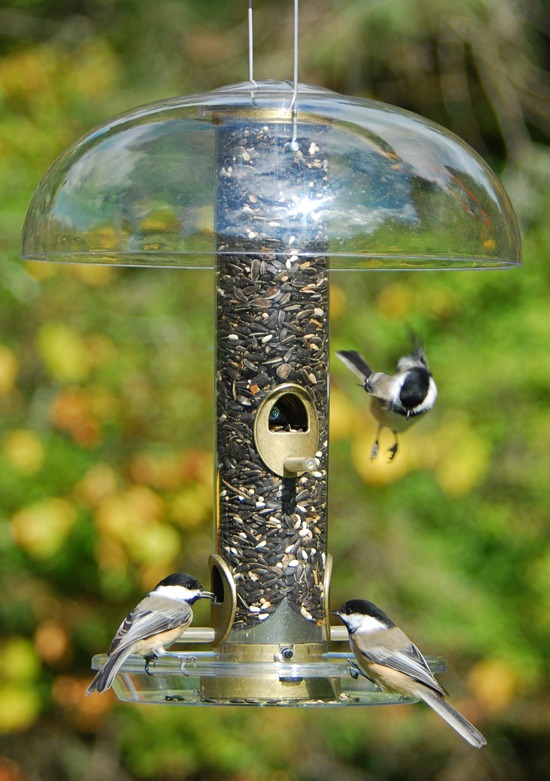
Seed in a feeder faces rain, humidity, temperature swings and visiting animals, none of which a closed bag in a dry room has to deal with.
After rain or a long damp spell, check what’s left in the feeder. Remove wet, moldy or questionable seed. Clean the feeder, let it dry completely, then add a small amount of fresh seed.
The Cornell Project FeederWatch cleaning guidance covers feeder hygiene in detail. For the step-by-step on the equipment itself, see how to clean and fully dry a bird feeder before refilling.
Fill smaller amounts in humid or rainy weather so less seed sits outside waiting to be eaten, and match the amount to how quickly birds visit that feeder. If birds look unwell, read what to do when birds appear sick at feeders.
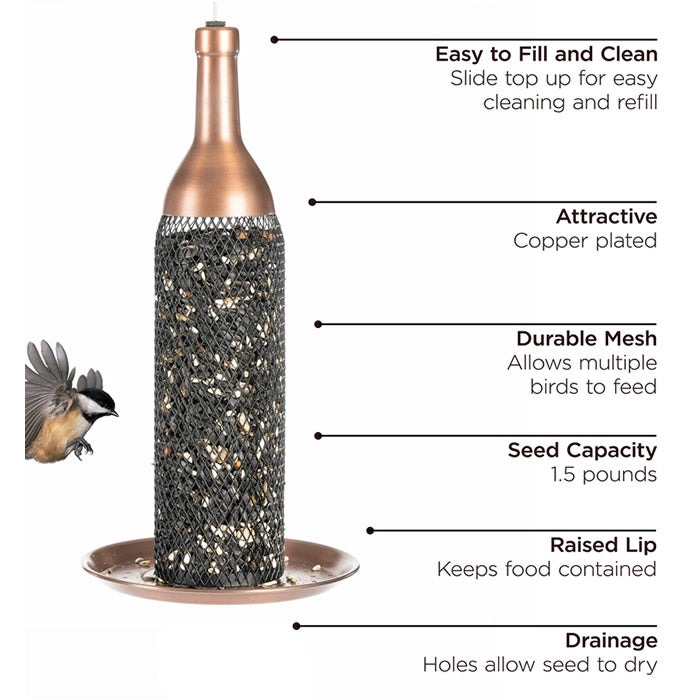
A full feeder with few visitors isn’t necessarily spoiled. If the seed is fresh and the feeder is clean and dry, a lack of activity says nothing about spoilage. To find out what’s keeping birds away, read why birds may be ignoring a feeder even with fresh seed.