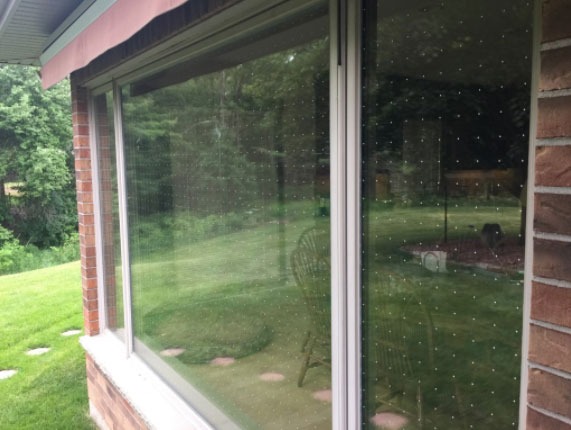
Put your feeder where birds can see the nearby glass, cats have no easy ambush route, birds can reach cover, and fallen seed is easy to clean up. If your only spot leaves a serious collision or predator problem, change the setup or skip the feeder. A distance rule won’t fix it. Inspect the windows and approaches from ground level first.
A feeder you can watch from the kitchen can still be badly placed. The problems sit outside your view: a picture window reflecting trees, a cat under the hedge, a railing that gives squirrels a clear path to the seed.
Older guides place feeders either very close to windows or far away from them. A February 2026 Ornithological Council fact sheet explains why a fixed distance cannot make a feeder safe while the glass stays hazardous. Where birds fly from, where they shelter and what happens beneath the feeder all affect the choice.
Check the glass before measuring a feeder location
A window that reflects trees or sky looks like open habitat to a bird. Glass can also look like a clear passage when you can see vegetation or daylight through panes on opposite sides of a building.
A feeder brings birds back to the same spot again and again. When something startles them, they fly fast toward any pane that looks like an escape route. Your favorite viewing window may be the first one to fix.
Stand outside and look at the glass from the proposed feeder position, then from the surrounding lawn or patio. Check it in different daylight. A window that looks dark from inside can show a bright reflection of the tree line from the yard.
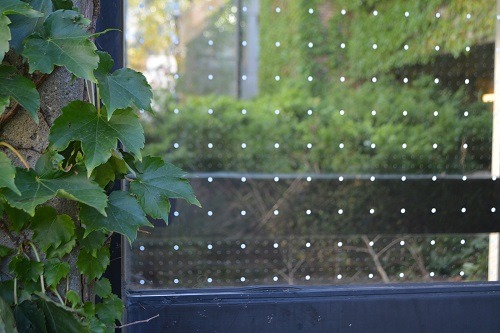
For hazardous panes, the Ornithological Council’s feeder fact sheet recommends making the exterior glass visible to birds. Its February 2026 guidance favors closely spaced markings, ideally in a pattern around 2 by 2 inches, and also recognizes a 2 by 4-inch pattern. Those numbers are center-to-center spacing across the glass.
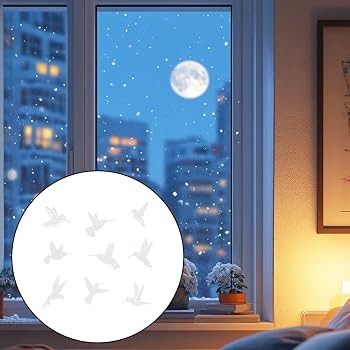
An exterior screen or a pattern of dots, tape or lines breaks up the reflected scene. Scattered decorative silhouettes leave wide areas untreated. Cornell’s window-collision guidance likewise recommends closely spaced markings covering substantial portions of the glass. Treatment reduces collisions without ending them, so apply it to the outside of the dangerous window.
Why the familiar feeder-distance rules disagree
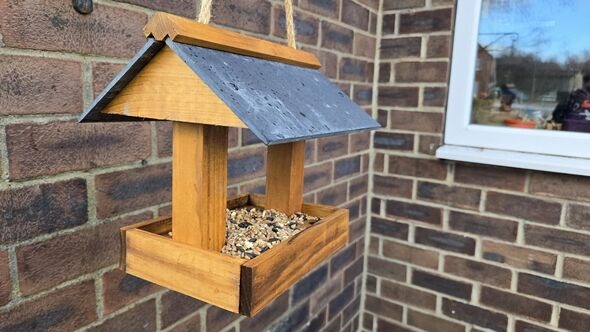
The familiar 3-foot and 30-foot rules try to cut collisions in opposite ways. A feeder very close to a window limits the speed a bird can gain before it reaches the glass. A distant feeder separates regular feeding activity from the window.
| Published guidance | Source and context | What it addresses |
|---|---|---|
| Within 3 feet | Cornell, April 2009 | Older close-window recommendation intended to reduce impact speed |
| Within 3 meters | University of Florida IFAS Extension | Another close-window recommendation for constrained feeder placement |
| More than 30 feet, about 10 meters | Washington Department of Fish and Wildlife guidance | Separating feeding activity from the immediate window area |
| Make hazardous glass visible regardless of feeder distance | Ornithological Council, February 2026 | Addressing reflections and transparent passages that can cause collisions |
Three feet and three meters are different distances. UF/IFAS uses meters in its bird feeder selection guidance. Don’t swap one for the other.
Ten meters was the farthest distance the study behind the fact sheet tested, so it can’t tell you a reflective window is safe farther out. The close-placement rule rests on impact speed. Glass visibility and a bird’s approach route matter either way.
A 2016 citizen-science study in Alberta found that homes with feeders had 1.7 times the modeled window-collision risk. This was an observational association in Canadian households, and season, vegetation and neighborhood also entered the model.
Take a feeder 15 feet from a picture window that reflects nearby trees. Its distance falls between the familiar recommendations, yet the reflection is still a flight hazard. Cornell has also published newer guidance that questions the older distance rules.
Balance escape cover with space from stalking cats
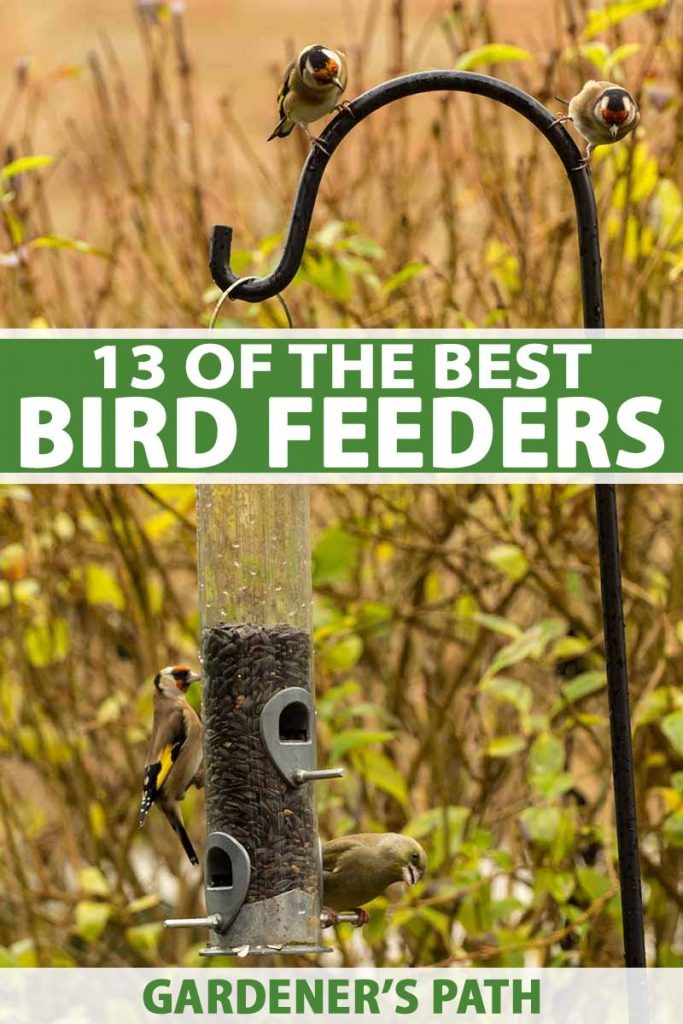
Nearby vegetation gives feeding birds a place to rest or retreat. Evergreen branches and shrubs also shelter them from weather. But low, dense cover can hide an outdoor cat waiting to approach the feeder. For more on outdoor cats and feeders, see how outdoor cats affect backyard birds and what you can do.
Cornell Project FeederWatch calls about 10 feet from substantial branches or cover a good compromise between refuge and access for cats or squirrels. UF/IFAS suggests keeping feeders 10 to 15 feet from bushes.
Humane World for Animals is more specific about cats: keep a feeder at least 12 feet from grass or shrubs that provide hiding cover, and keep suitable tree refuge within about 15 feet where possible. The two figures address different hazards. A tall tree offers a quick upward escape. A low hedge hides a crouching cat.
Judge the spot from ground level. Find where a cat could wait, approach unseen or leap at a bird, then check whether a startled bird can reach higher cover without crossing that route.
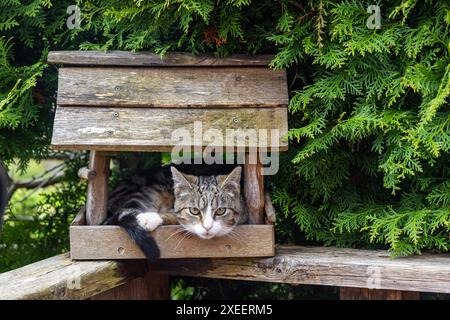
The ground under the feeder counts too, because some birds eat the dropped seed. Your indoor cat can’t reach them. Neighborhood cats can.
Check branches, fences, decks and poles for squirrel access
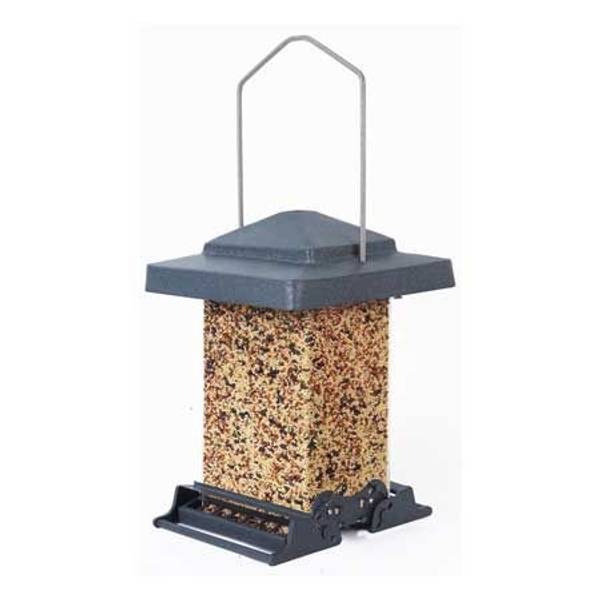
A feeder hanging well above the ground is still easy for squirrels to reach. Tree limbs, deck railings, fences and roof edges can give them a route that skips the lower part of the support.
UF/IFAS notes that squirrels can jump up to about 10 feet and recommends placing suitable feeders roughly 10 to 15 feet from tree trunks and overhanging branches. A baffle blocks animals climbing the pole, as long as the squirrel can’t reach the food from another direction.
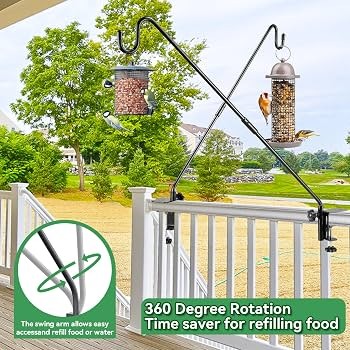
Trace the path to the food: branches, rails, fence tops, then the pole. A well-placed baffle on an isolated support cuts climbing access. A neighboring limb makes the same baffle useless.
Choose a feeder footprint you can keep clean
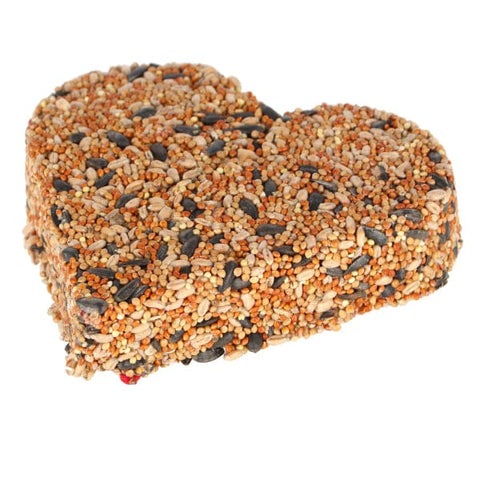
The area under a feeder is part of the feeder. Birds drop seed, hulls pile up, and moisture turns old food into spoiled material. Droppings and uneaten food make easy cleaning important for bird health and household pest management.
A window-mounted feeder leaves debris on a narrow sill, in a planter or in mulch against the house. A feeder hung over a garden bed does the same if the spilled food lands where you can’t collect it.
The fact sheet discusses contamination from moisture and accumulated feeding material. UF/IFAS recommends removing spilled seed that can attract rodents.
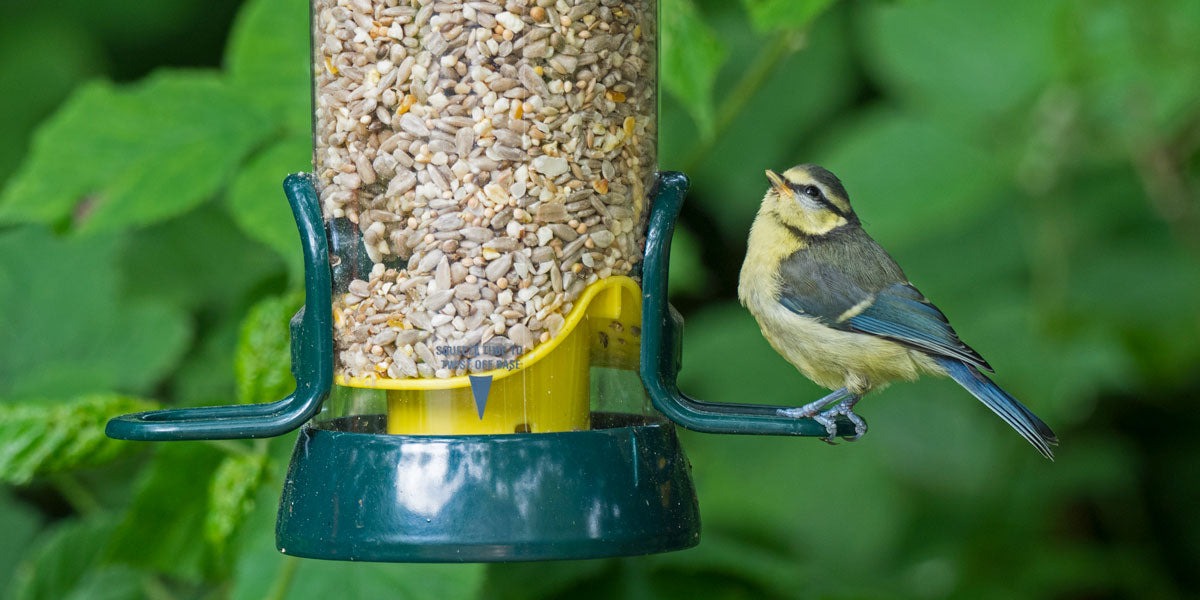
Check under the feeder after birds have been feeding. Note where hulls and whole seeds collect, whether the surface stays damp, and whether you can clear spoiled material and droppings from every part of it. A catch tray reduces the seed reaching the ground, though it won’t catch every dropped seed.
Check mounting height, exposure and refilling access
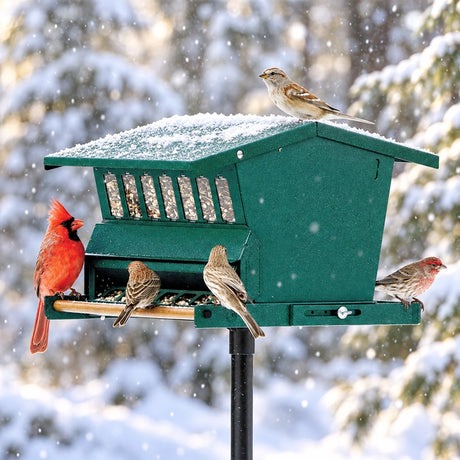
Feeder height depends on the feeding style and the birds. Ground-feeding species use different arrangements from birds at elevated tube or hopper feeders, so no single height fits every feeder. A sheltered position cuts weather exposure, and shade can help a nectar feeder where warmth speeds spoilage.
Before you install the support, check that it is secure. Make sure you can fill, remove and clean the feeder comfortably, without unsafe climbing or reaching across a balcony edge. A spot with an excellent view and difficult maintenance access needs a different mounting arrangement.
Choose between real yard options when every spot has a drawback
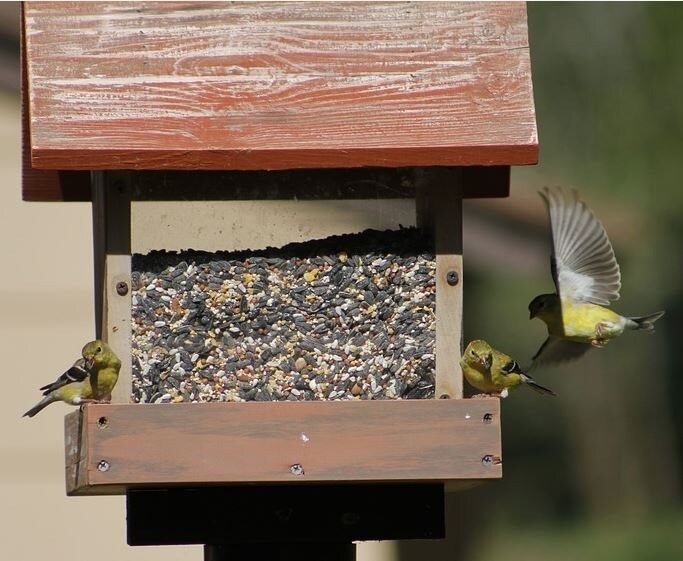
A small yard or balcony may not offer a spot that fits every published distance. Compare the hazards each position has and decide which ones you can fix. For native plants, shallow water and feeder upkeep, see how to make a backyard more attractive and safer for birds.
Compare two or three feasible positions, and set aside any that keep a serious hazard you can’t fix.
Suppose one spot sits beside a large picture window and dense brush where cats might hide. A second is on open lawn, with tree refuge nearby and a manageable area under the feeder. Choose the open lawn if its nearby windows are treated and cats have no obvious ambush route. If that site faces untreated reflective glass or lacks usable refuge, change the arrangement before you install.
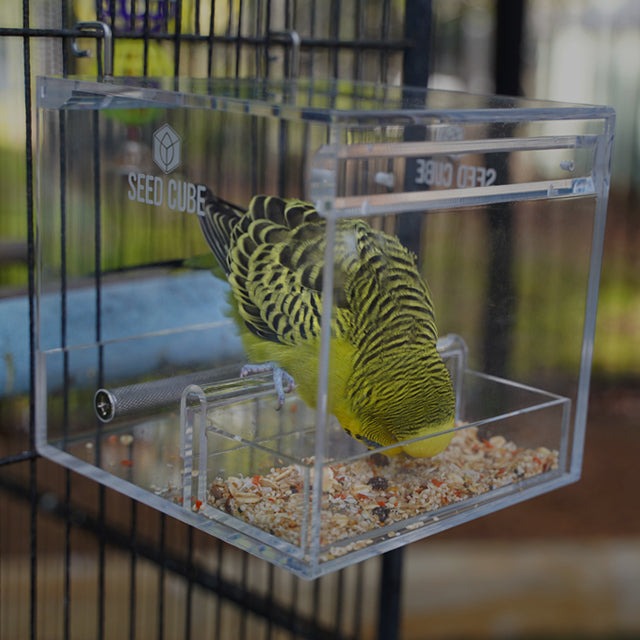
Some properties have no manageable feeding spot. If your only convenient spot sits beside an obvious ambush point, pick a different location or plant more native vegetation around the yard. Locally appropriate native planting gives food and shelter without pulling birds to a dangerous feeder, and it can be more useful than buying another one. Supplemental feeding is optional.
Watch for problems after you hang the feeder
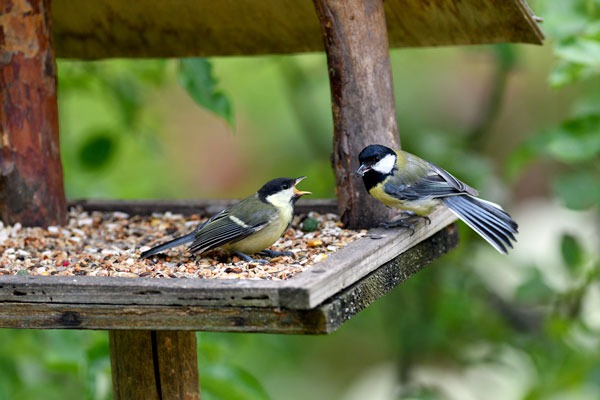
Watch where birds arrive and where they flee. Their routes show where they pass near dangerous glass, and a window may turn strongly reflective only at certain times of day.
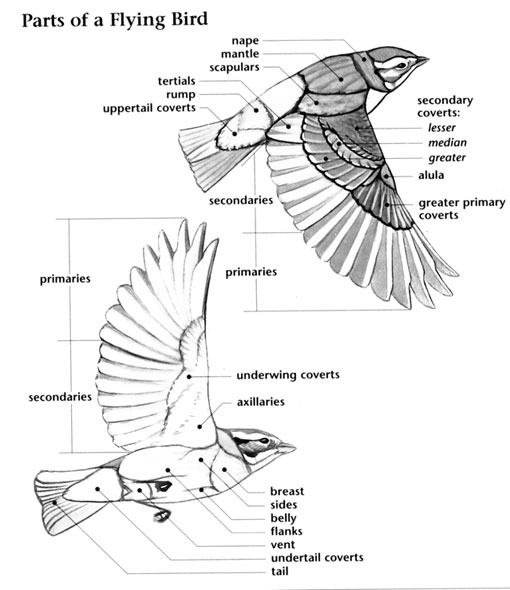
Keep a short log for seven days: flight routes, times when glass reflects trees, window strikes, cat or squirrel activity and fallen seed. A quiet week doesn’t prove the spot is safe, because light and season change. For more on window glass, feeder placement and wildlife hazards, read the bird-safety guide.
A window strike means you reassess the glass treatment and the placement. If a cat keeps stalking or seed debris gets out of hand, change the feeder setup or stop feeding. If sick birds appear or a wildlife advisory applies, follow your local wildlife agency’s guidance. Don’t try to diagnose birds at the feeder.
The fact sheet’s February 2026 guidance also recommends stopping feeding if wild ducks or geese frequent the feeder area. You can resume after no waterfowl have been present for a few days, in line with its avian-influenza precautions.
For window treatments, see how to prevent birds hitting windows.