For a typical U.S. home, make the glass visible from outside. Cover the entire pane with high-contrast marks spaced no more than two inches apart, or use a properly designed exterior screen or bird-safe cord system. If you can’t reach the outside or need something removable, pick a method that fits those limits. Check the finished job from outdoors, and call a licensed wildlife rehabilitator if a bird is hurt.
How to stop birds from hitting your window
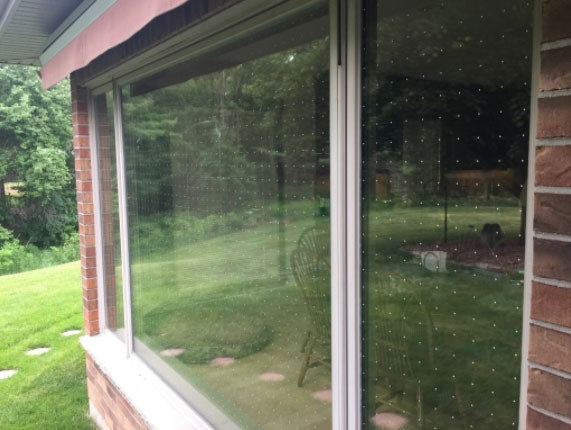
Start with the pane birds have already hit. A window that reflects trees or sky looks like open habitat to a bird, even when the glass is obvious to you indoors. Your first job is to make the whole pane visible to a bird flying at it.
One decorative bird silhouette in the middle of a large pane leaves most of the glass looking open. The American Bird Conservancy’s guidance for homes explains why full coverage and visible markings matter.
One new homeowner described the problem:
Pretty much as the title says. We just got a house and we get a lovely amount of sunlight through these enormous windows we have, but the issue is birds keep flying into the windows. This morning we found our first dead one. Usually they smack into it and fly off but this poor baby didn’t survive the impact. 😞 I don’t want any more birds to get hurt, so how do I stop them from flying into the glass?
If you have several windows, start with the glass that has taken strikes or reflects the most.
Why birds fly into windows, and how to tell which problem you have
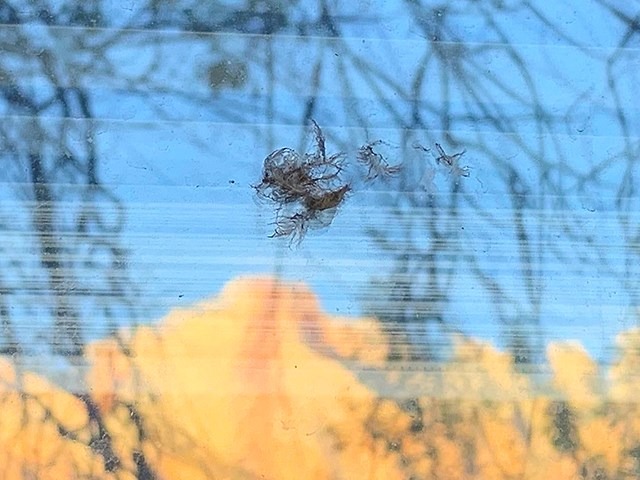
Birds hit windows when the glass shows a place they think they can fly to. That place can be a reflection on the surface or a real view through the building.
A window facing trees reflects the foliage so well that birds fly at the image. A glass corner or two aligned windows work differently: the bird sees vegetation on the far side and treats the glass in between as an open route.
Some birds do something else. They keep pecking at their own reflection as if it were a rival, mostly during breeding season.
| What you observe | Likely explanation | How to tell |
|---|---|---|
| A bird flies straight at reflected trees or sky | Habitat reflection | The outside surface looks like a place to fly into |
| A bird flies toward a plant visible beyond the house | Transparent flight path | Aligned windows look like a passage |
| A bird keeps returning to tap, flutter or peck at one spot | Territorial reaction to its reflection | Repeated visits, not a single accidental hit |
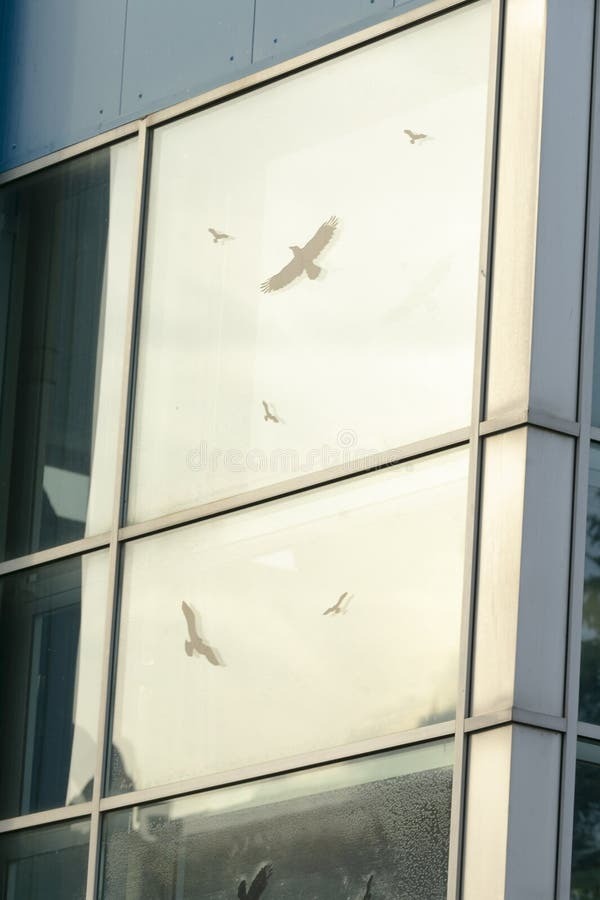
Take a west-facing picture window. At one time of day it reflects a stand of trees. At another it looks dark and barely reflective. A bird coming in from the side sees something different again.
Go outside and study the suspect glass in the lighting where strikes happen. Look for reflected habitat, openings that seem to run through the building, and signs of repeated pecking. One strike won’t tell you the bird’s motive, but these three checks give you a place to start.
Which window treatments prevent bird strikes?
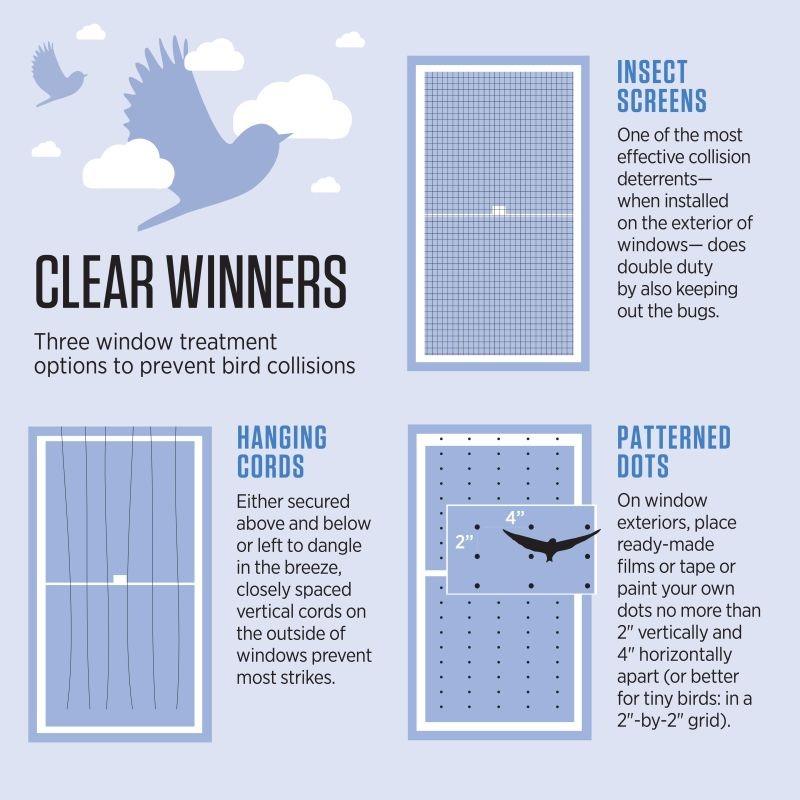
Pick a method that makes the dangerous glass visible from outside and that you can install correctly on your window. Then choose among those by looks, removability, reach and upkeep.
| Treatment | Best for | Main consideration |
|---|---|---|
| Exterior dots or decals | Windows you can reach, where a repeating pattern is fine | Coverage must be dense and complete |
| Exterior stripes or patterned tape | Panes where a measured line pattern works | Keep the gaps between stripes within the spacing limit |
| Tempera paint or patterned soap | A temporary fix or a low-cost trial | Weather and cleaning wash it off |
| Purpose-designed hanging cords | Large windows with a spot to mount them | Follow the specified cord spacing and attach securely |
| Exterior insect screen or engineered barrier | Windows that take a properly fitted exterior screen | Check mounting, window operation and wildlife safety |
| Bird-specific patterned exterior film | A continuous finished look | Product design and exterior visibility decide the result |
| Inside-only markings (limited fallback) | No exterior access | Reflections outside can hide the marks |
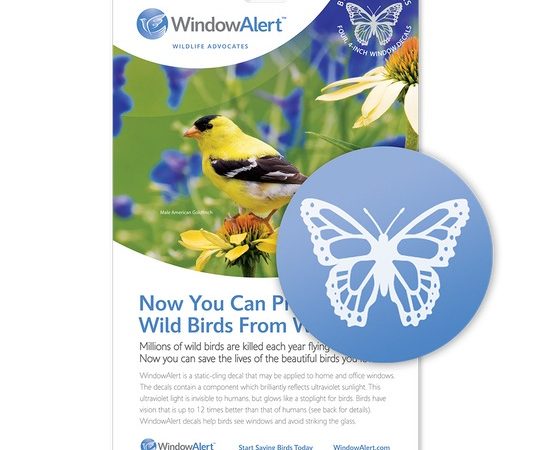
Check UV-reflective products carefully. American Bird Conservancy notes that some birds, including Mourning Doves, may not perceive the UV signal some products rely on.
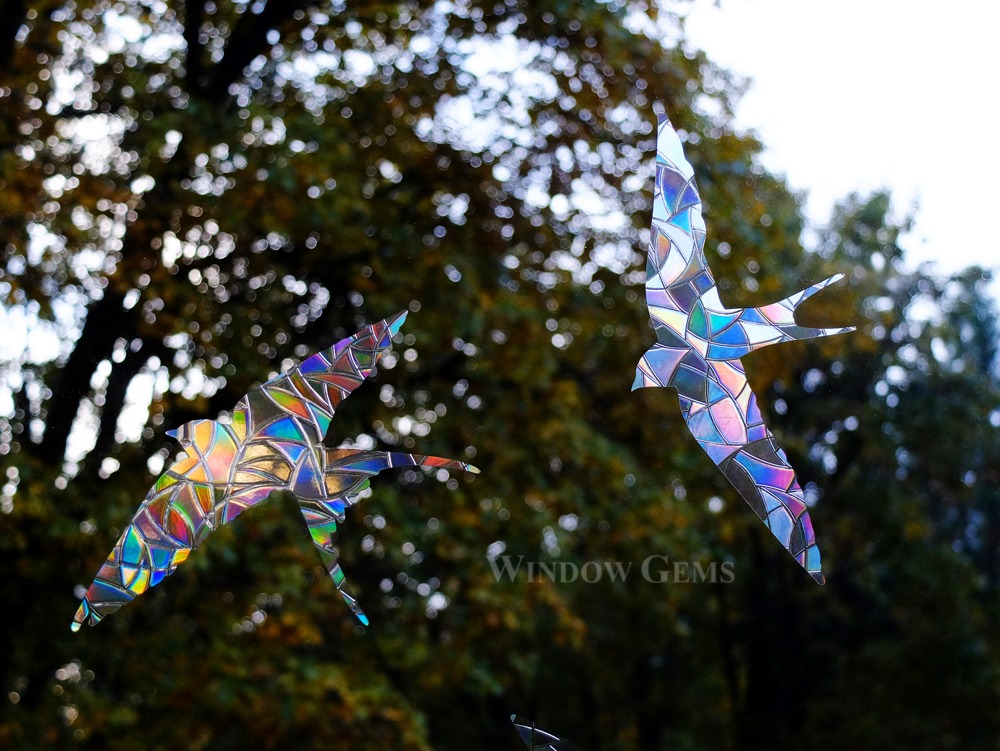
One person who had seen several low-speed hits wanted safer windows that still looked decorative:
Hi everyone!! Recently I’ve had several birds fly into my windows , low speed luckily so all are okay , but I want to prevent this from happening again so they don’t get injured. What do I need to do for my windows ? I’ve seen decals / stickers? What about wind chimes or any decorative hanging things from the windows ? I don’t mind putting stuff up for them , I guess I am hoping to incorporate my style into it and if there’s any small businesses you’d recommend on Etsy or online that sells these types of things please share ! If I can support small business before ordering from Walmart Or Amazon that’d be awesome! Thank you !
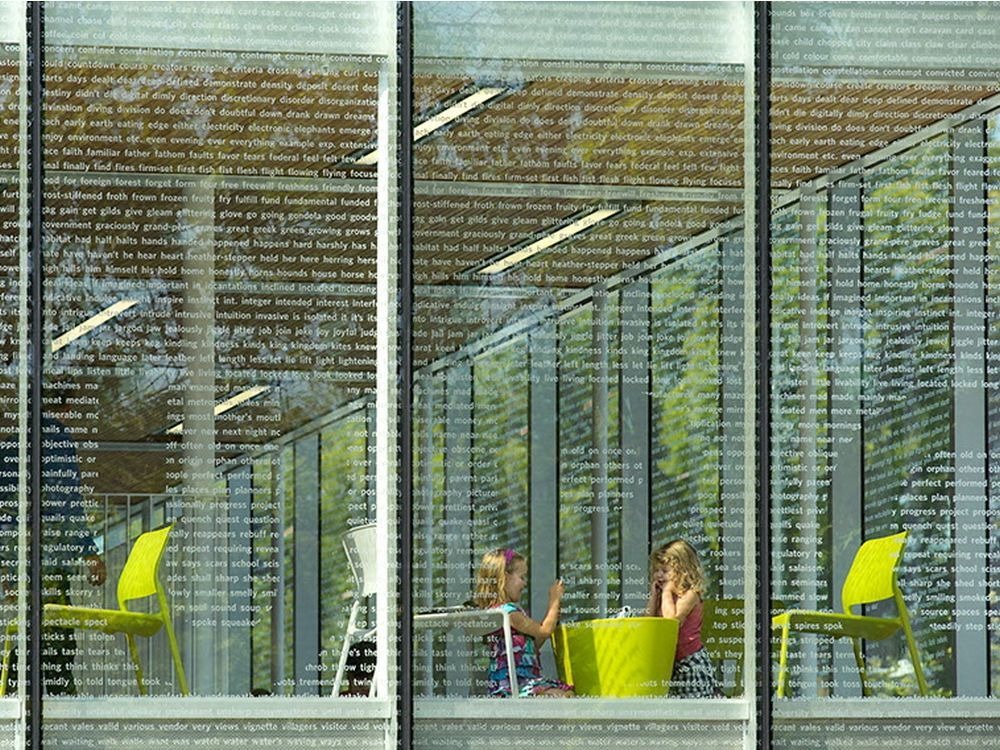
Evenly spaced dots, orderly lines or patterned temporary paint look like a design choice and still interrupt the flight path.
If a window has to open or slide, rule out any treatment that blocks it before you compare looks and upkeep.
How to apply bird-safe window dots, lines, or paint
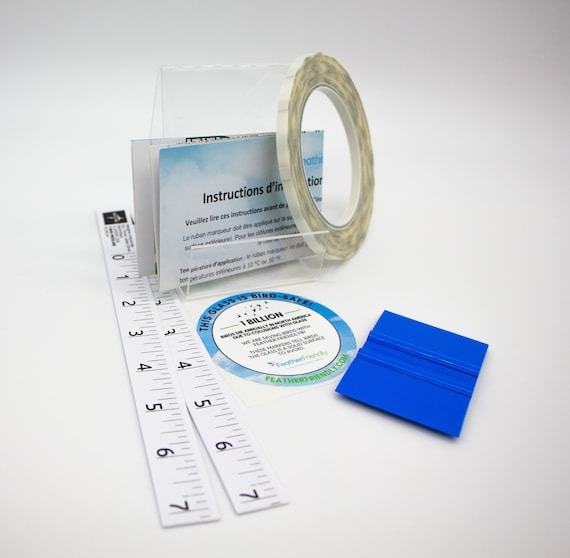
An effective pattern has measurable dimensions. The U.S. Geological Survey, American Bird Conservancy and the National Park Service recommend leaving no more than two inches of open space, vertically or horizontally, on ordinary exterior dots and lines.
- Dots: Use marks at least ¼ inch (6.35 mm) in diameter.
- Lines: Use stripes at least ⅛ inch (3.18 mm) wide.
- Spacing: Keep horizontal, vertical, and diagonal gaps to a maximum of two inches (5.08 cm) for ordinary dot or stripe patterns.
- Coverage: Extend the design across the entire hazardous pane, including its edges and upper portions.
- Visibility: Marks should be discernible from approximately 10 feet (3 meters) away under the window’s normal viewing conditions.
Use a ruler, pre-spaced marking material or a stencil to keep the layout even. On a patio slider, a handful of decals at eye level leaves a lot of bare glass above and below them.
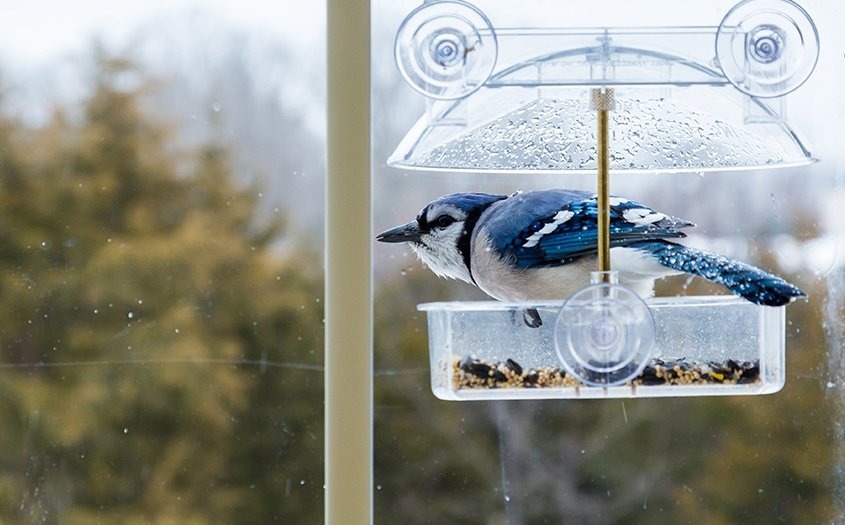
The exterior face matters. A 2023 controlled flight experiment tested two window films on 72 captive zebra finches. Exterior BirdShades produced clear evidence of greater avoidance, while evidence for exterior Haverkamp was marginal. Neither film gave a statistically significant benefit when applied to the interior. This was an aviary test, not a study of homes.
Acopian BirdSavers is a different design: continuous vertical cords. Cornell describes them at approximately four-inch intervals. Never use that spacing for small dots.
Measure the pane, lay out your repeating exterior pattern, and apply it across the entire hazardous area. Follow the material’s installation instructions and work from a safe position.
What if you rent, have huge windows, or cannot reach the outside?
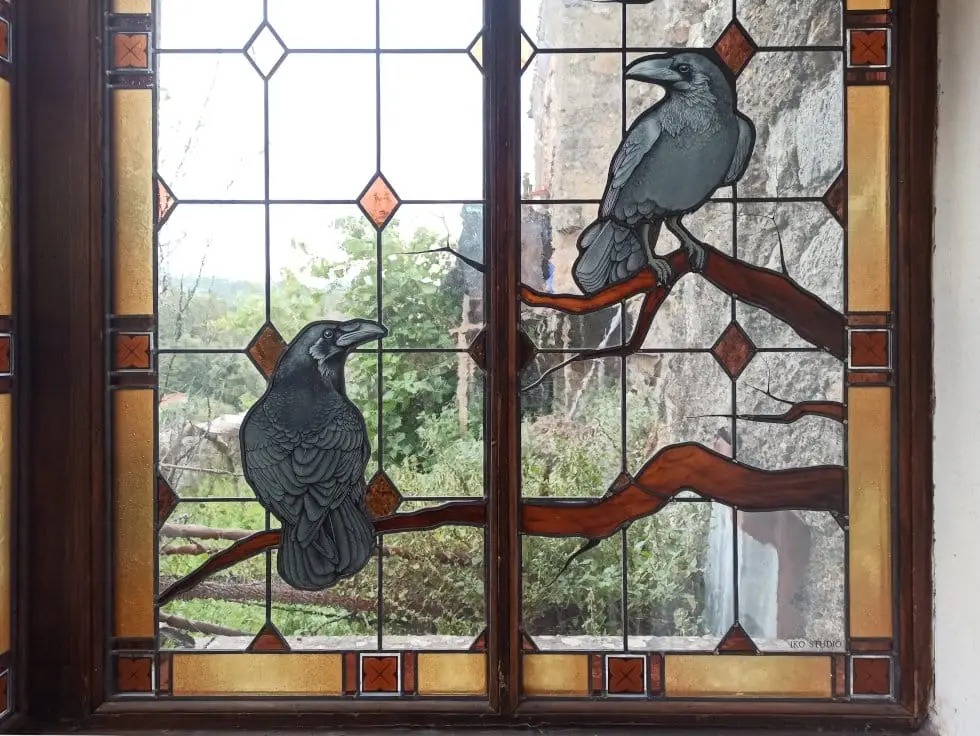
Large picture windows need a lot of coverage, a lease may forbid alterations, and high exterior glass is unsafe to reach without proper equipment or a professional.
Renters can look at temporary exterior paint or a purpose-designed removable system. Before installing, confirm how it comes off, whether it works with your glass, what mounting it needs, and what your lease or property manager allows.
One renter described how hard it is to find something that keeps the view and satisfies a landlord:
Hi everyone, After hours of searching on internet with no success, I’m turning to the wisdom of Reddit for help. There are two big bay windows in my living room, and it has happened twice now that a bird has crashed into it. Only one of them made it 🙁 I am only a tenant and my landlord won’t allow anything glued / permanent as the glue will leave dirty marks and be a nightmare to remove. I have looked everywhere for a film with either a discreet pattern or one of those textures only birds can see. Or even a one way mirror I guess would work ? But all of them come in permanent film to be glued. I’m looking for an anti static film so I can remove it easily when we move and not get in trouble with the landlord. Can anyone advise a brand product ? I am based in France but obviously can order form anywhere online and install ourselves. Many thanks !!
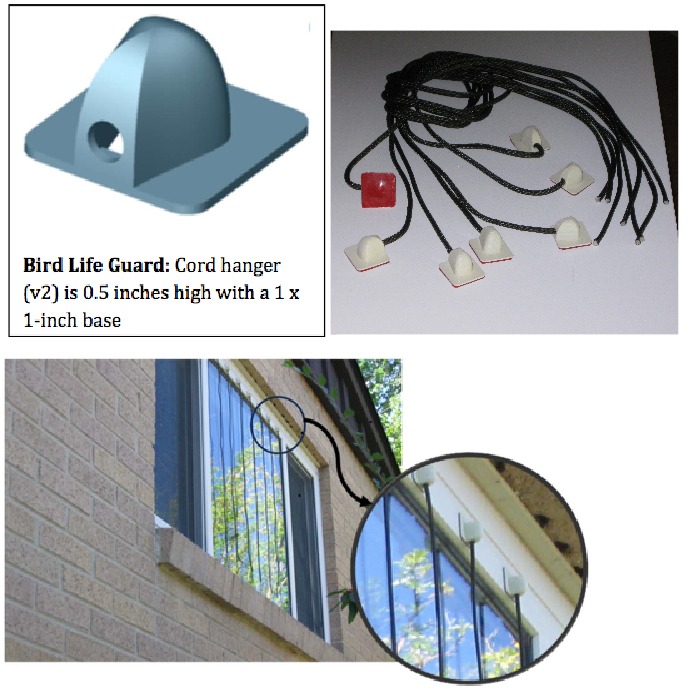
For extensive glass, estimate the total area first. A design that suits one narrow window can take far more time and material across a picture window or sliding wall. On those, a fitted screen, a continuous cord arrangement or exterior patterned film are often easier to maintain.
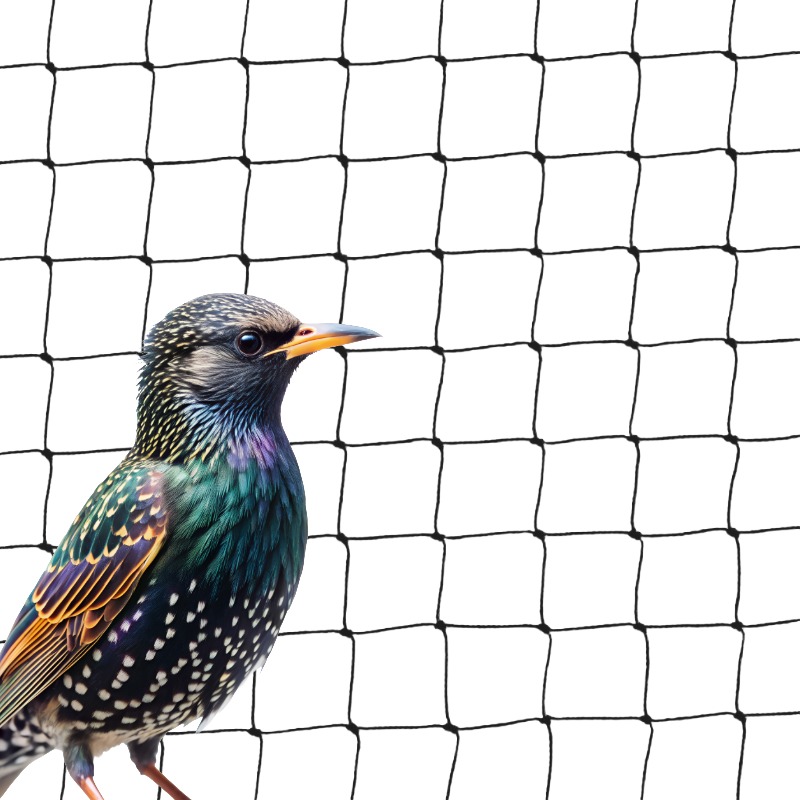
Upper-story glass calls for a properly equipped installer or a system that can be fitted safely. Loose, improvised netting creates an entanglement hazard, so choose the mounting and material with care.
If you can’t treat the outside, American Bird Conservancy describes a visibility check for inside-only markings. View the pane from outdoors repeatedly as daylight and reflections change, every two to three hours starting in the morning. The marks must stay visible through the reflection. Passing this check doesn’t prove the markings prevent collisions.
Why do birds still hit windows after you’ve added decals?
| What is happening | Cause | Fix |
|---|---|---|
| Birds strike near a lone sticker | Large reflective areas left bare | Replace the sparse arrangement with complete coverage |
| Stickers show indoors but are hard to see outdoors | Exterior reflection hides interior marks | Switch to a solution that is visible from outside |
| Strikes return after rain or cleaning | Temporary marks have worn off | Restore the pattern or choose a more durable system |
| A bird hits a corner or side panel | Another pane creates a reflected or see-through route | Treat that glass too |
| Markings look faint against the reflection | Too little contrast | Raise contrast using a documented pattern |

A 2026 Ottawa field study recorded 225 collisions involving 51 species during 2024 and 2025. Façades treated according to guidelines were associated with fewer collisions (β = −2.18, p < 0.01). Improperly treated façades did not differ significantly from untreated ones (β = −0.38, p = 0.23). These are field observations from Ottawa buildings.
Do bird feeders, migration, or nests change the window risk?
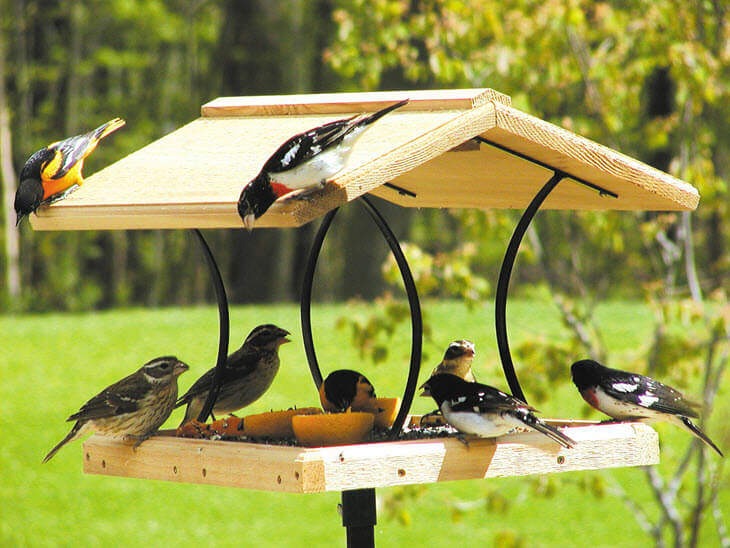
A feeder, birdbath or berry-bearing plant draws birds close to glass. Birds moving between food, cover and reflected vegetation make the nearest windows a priority.
Feeder-distance advice differs. Michigan Audubon describes placing feeders within three feet or beyond 30 feet of windows, while Cornell cautions that older distance rules don’t replace treating hazardous glass. Think about the flight paths around your feeder, and for the setup itself see safer feeder-placement guidance.
Many birds migrate after dark, so reduce unnecessary exterior lighting during migration.
If a nest is active near a balcony or window, plan the installation so you don’t disturb the birds.
What if a bird has already hit your window?
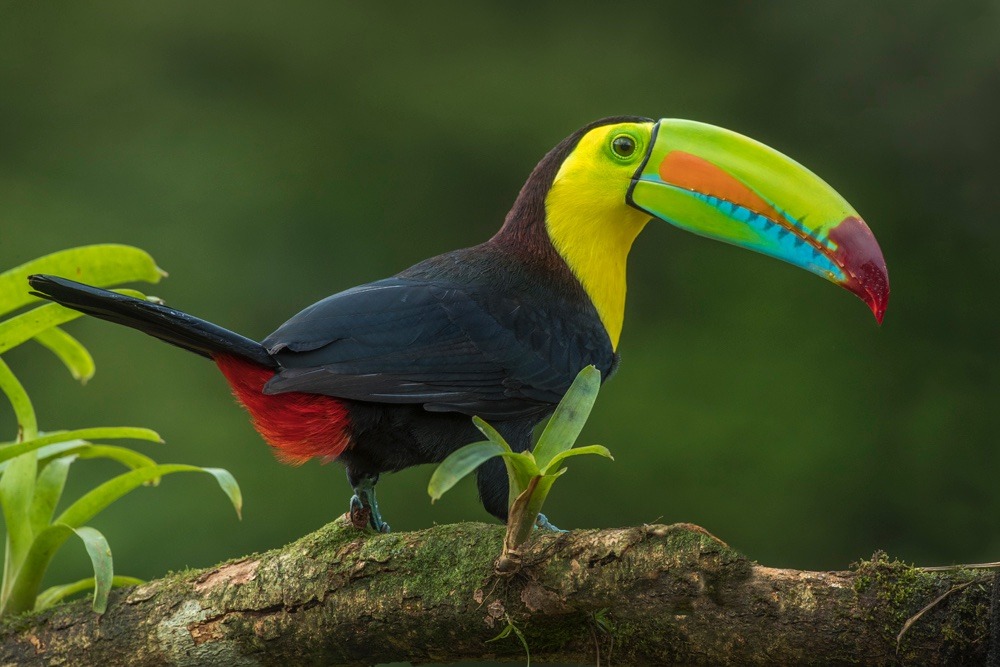
A bird that flies away after striking glass may still be injured. If a bird is stunned or grounded after impact:
- Gently place it in a ventilated paper bag or cardboard box.
- Keep it in a warm, dark, quiet place away from pets and children.
- Do not offer food or water.
- Contact a licensed wildlife rehabilitator promptly, following International Wildlife Rehabilitation Council advice.
If help is unavailable, or an active bird risks injury while confined, the IWRC allows opening the container outdoors so the bird can leave at its own pace. A bird that can’t leave or shows signs of injury still needs care, as explained in what to do after a bird hits your window.
How to check whether your window treatment is doing its job
Once the treatment is up, go outside and examine it for visible gaps and enough contrast. Then recheck as seasons and light change. A pane looks different in direct sun, with reflected trees, with a dark interior, or with a view through another part of the house, and new reflections or flight paths can appear.
Weather, cleaning and daily use wear down temporary or attached treatments. Look for missing dots, peeling material, washed-away paint, damaged cord attachments and newly bare glass. A replacement window or new landscaping can also create a new reflective surface.
If strikes occur, keep a simple log: date, approximate time, affected pane, reflection or lighting conditions, condition of the treatment, and whether the bird needed professional help. A quiet stretch without strikes doesn’t mean the glass is now completely safe.
The full checks for window glass, feeder placement and wildlife hazards are in the bird-safety guide.