If the cat is yours, keeping it from roaming unsupervised protects backyard birds best. If it belongs to someone else, reduce its hunting opportunities in your yard and use humane local options. If a bird has been in a cat’s mouth or claws, contact a licensed wildlife rehabilitator right away.
How Much Harm Do Outdoor Cats Cause Backyard Birds?
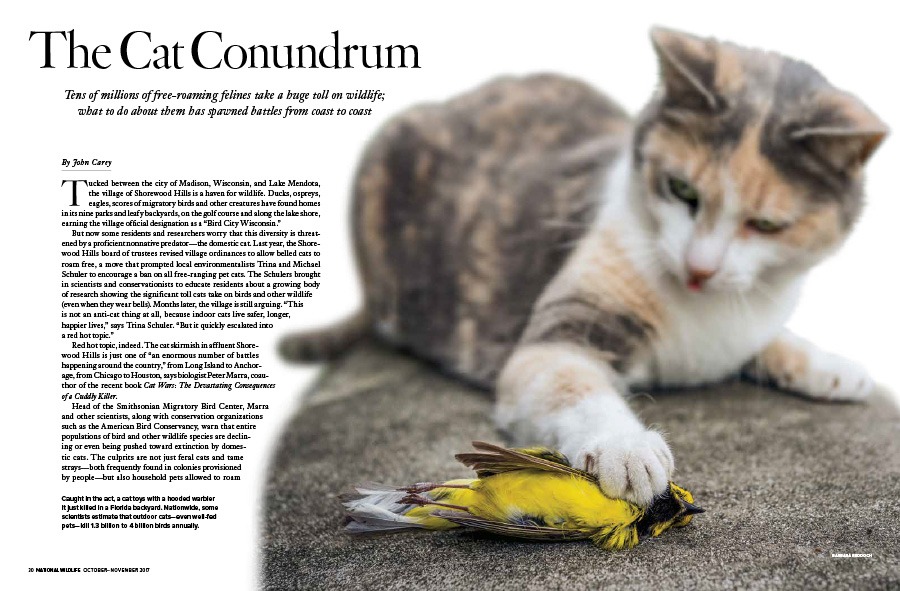
Free-ranging domestic cats are a substantial source of wild-bird mortality in the United States. In a widely cited 2013 study, Scott R. Loss, Tom Will and Peter P. Marra estimated that cats kill between 1.3 billion and 4.0 billion birds each year in the contiguous United States, with a median estimate of 2.4 billion.
The researchers attributed about 69% of estimated bird deaths to unowned cats.
The model covered owned cats allowed to roam and unowned free-ranging cats. It built its estimates from published predation research and assumptions about cat populations. These are modeled annual estimates for the contiguous United States.
The study’s December 12, 2013 corrigendum corrected the calculation of its uncertainty intervals. The bird-mortality estimate used here is the corrected range.

A bird on the doorstep is only part of what a cat catches. Cats also hunt away from their owners, so animals brought home are a different measure from all animals caught or killed.
Cats disturb nests too. In a UK experiment with a simulated cat threat near blackbird nests, adults changed how they provisioned their nestlings, and later nest outcomes were affected.
Habitat loss, window collisions and other hazards also affect wild birds. Cats are one hazard you can reduce close to home. For window glass, feeder placement and other wildlife hazards, see the bird-safety guide.
Why Are Birds Especially Exposed Around Some Yards and Feeders?
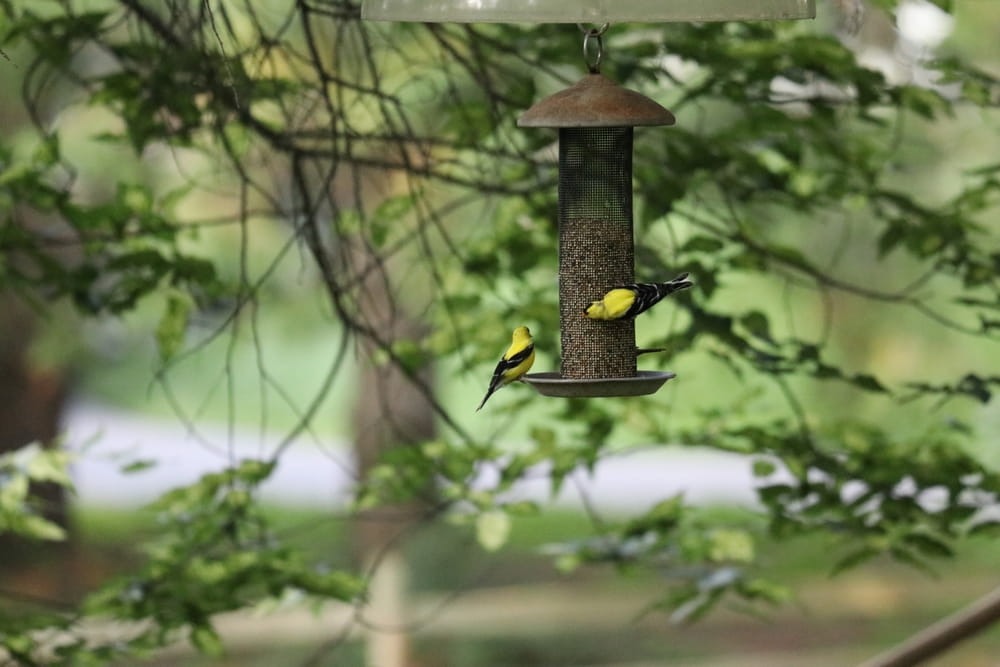
Seed on the ground under a feeder draws ground-foraging birds such as Mourning Doves and juncos to one predictable spot. Even birds that never use the perch end up there. A cat can reach that spot through low shrubs or alongside a structure. Birds need nearby escape cover, but dense hiding places can also conceal a stalking cat. Fledglings still learning to fly spend time on or near the ground around nesting areas, which raises their risk. Watch where birds land and feed, and where a cat could approach unseen. Loose feathers or fewer feeder visitors don’t prove a cat did it. A witnessed encounter does.
If the Cat Is Yours, What Protects Birds?
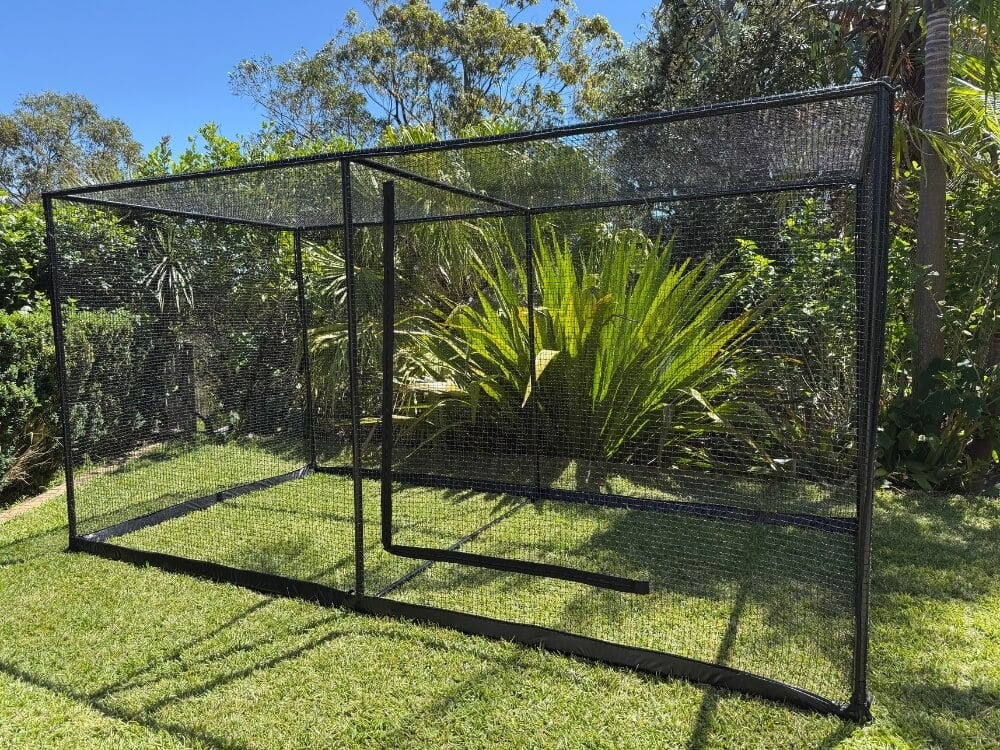
The most reliable control is your cat’s access to the outdoors. Keep it indoors, in a securely enclosed outdoor space, or outside only under direct supervision, and it can’t roam into areas where birds feed and nest.
The U.S. Fish and Wildlife Service and American Bird Conservancy both recommend these options, including catios and controlled leash or harness outings for cats that enjoy being outside.
A catio gives a cat outdoor sights, sounds and fresh air inside a physical boundary. It works only if the enclosure is secure, with doors and openings the cat can’t get through.
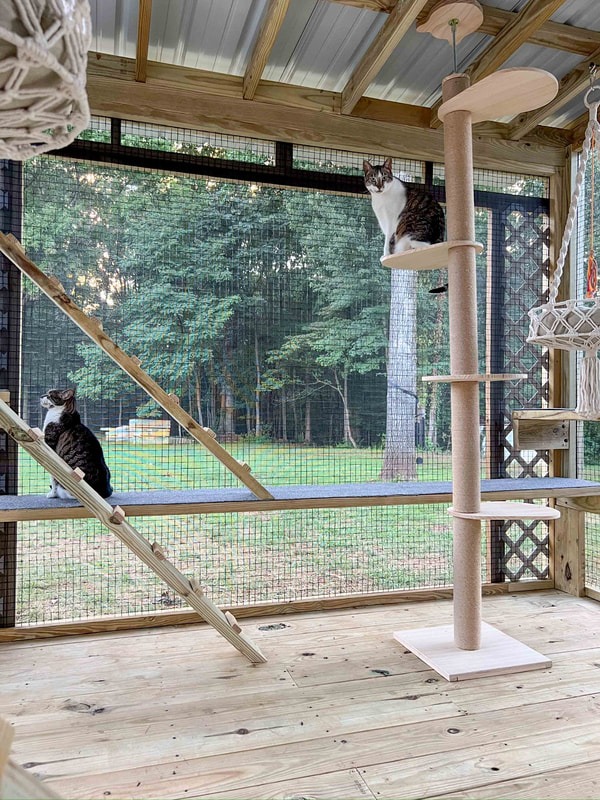
A cat used to roaming needs patience through the change. Play, climbing and other enrichment make a controlled routine more engaging.
When a Neighbor’s Cat Is Stalking Your Feeders
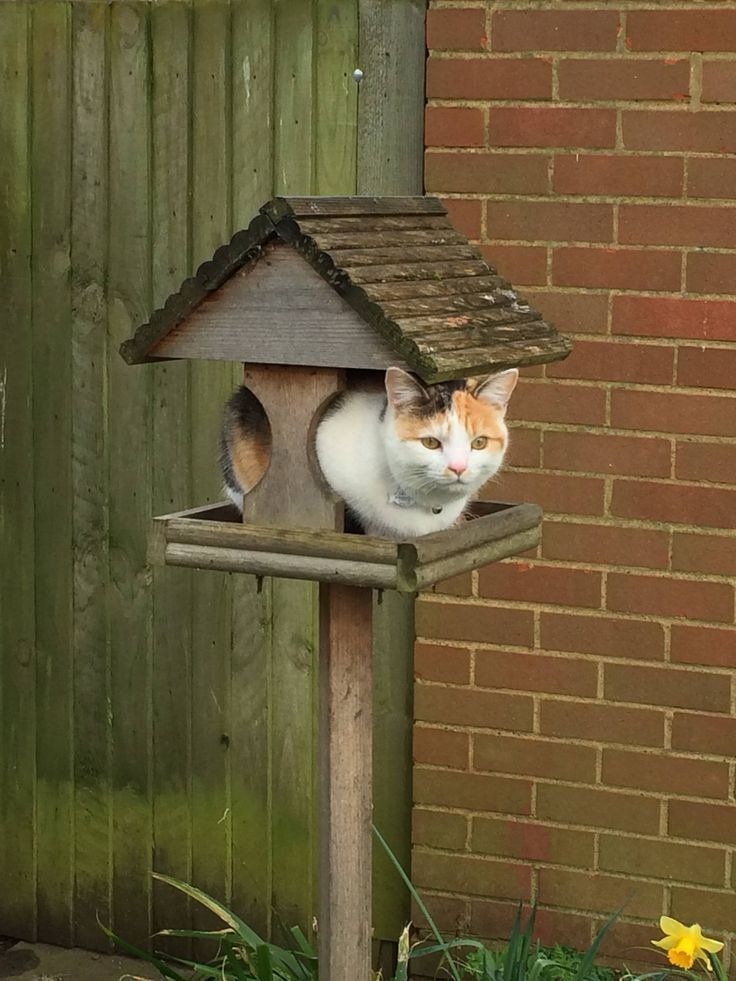
You can change conditions on your property and describe what you have seen. The cat’s owner controls its daily access.
I have a couple cats, one in particular is my neighbors cat who like to stalk my bird feeders. I was going to place a few motion activated sprayers but I worry it will spray my ground feeding birds. I don’t want to deter my little Mourning Doves and Juncos from coming by. What else could I do to deter them?
Before you make a claim about the cat, sort the evidence:
- Passing through: A cat walks across the yard with no hunting behavior.
- Stalking: It crouches, waits or keeps approaching birds around the feeding area.
- Observed capture: Someone sees a catch or records footage of it.
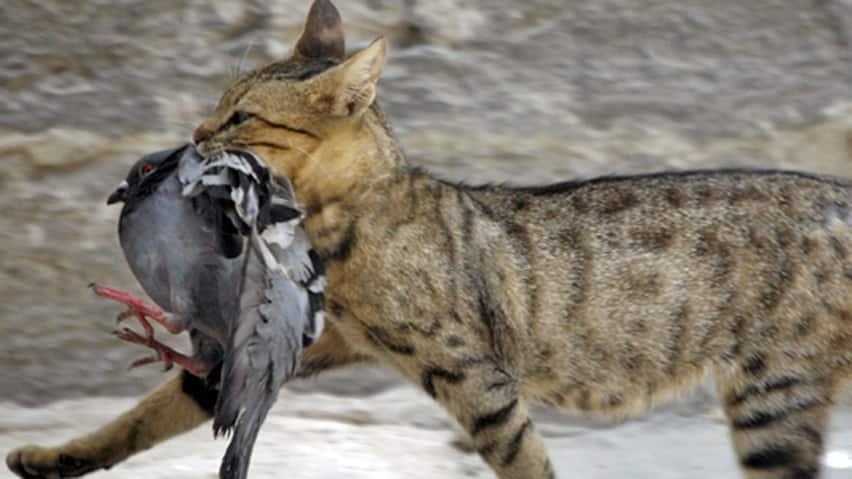
Record the date, location and behavior you directly observe. Photos or footage can show whether the same hunting pattern keeps recurring. Keep personal information private, and separate what you saw from what you suspect.
When it is safe, talk to the owner about the specific thing you saw. For example: “I’ve noticed your cat waiting beneath our bird feeder. Could we work out a way to keep it away from that area?” That makes a clear request without accusing the cat of an unwitnessed kill.
If it continues, local animal services or a humane organization can explain the options in your area. Don’t retaliate, confront anyone or try to capture another person’s pet without proper authority.
Should You Change Your Feeder or Stop Feeding for Now?
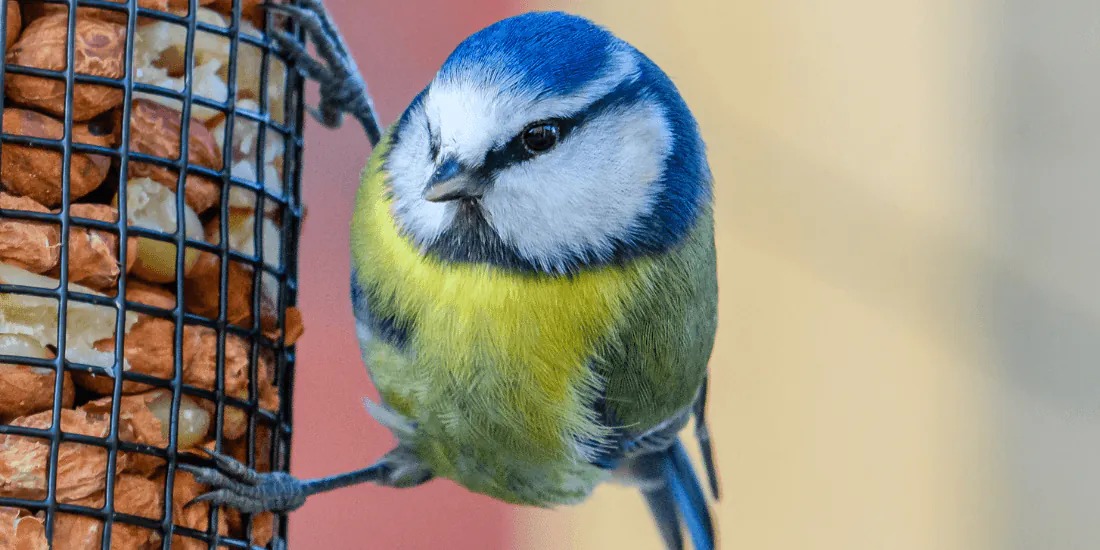
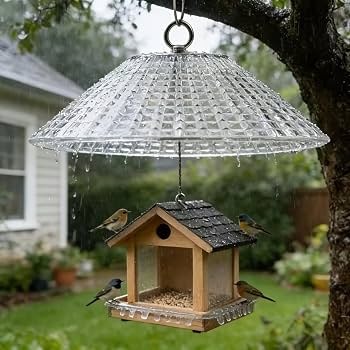
A feeder draws birds to one predictable spot. Dense low vegetation, garden structures and concealed approaches make that spot easy for a cat to stalk. If a cat has learned to wait there, changing the setup can reduce the risk.
Cornell’s Project FeederWatch discusses keeping feeders about 10 feet from cover with strong branches that cats or squirrels could use as jumping-off points.
As the only house in my immediate area without a dog outside, I have similar issues with neighboring cats using my yard to travel and discovering my bird feeders. Besides chasing them out constantly, I’ve tried all manner of repellants and such, including planting stinky things they don’t like, the only thing that really helped was removing any place they could hide/stalk. Pinecones under and around plants and shrubs, and poultry netting or fencing around beds. They still use my yard for safe travel between the houses, but they don’t stick around to hunt as much. Pretty sure all bets are off when I’m away from home for any length of time though. I love cats, but dealing with my neighbors’ cats is infuriating.
| Adjustment | What it does | What to weigh |
|---|---|---|
| Use a seed-catching tray and manage spilled seed | Keeps food from collecting in an exposed ground-feeding spot | Some species naturally forage on the ground |
| Change low stalking cover | Reduces concealed approaches close to feeding birds | Birds still need places to escape |
| Move the feeder | Separates the feeding spot from a known cat approach | Other hazards near the new spot |
| Consider a feeder-pole predator guard or a suitable low barrier | Blocks some approaches | Results depend on the layout and the cat’s behavior |
| Pause feeding temporarily | Stops drawing birds to a station a cat is stalking | Birds may shift to other areas; the cat still roams |
If a cat keeps hunting near the station, pick one change you can make and watch whether the cat still reaches the birds. If no safer feeding spot is available, pausing for a while is a sensible option. The guide to placing bird feeders to reduce hazards covers the broader positioning problem, including windows and nearby vegetation.
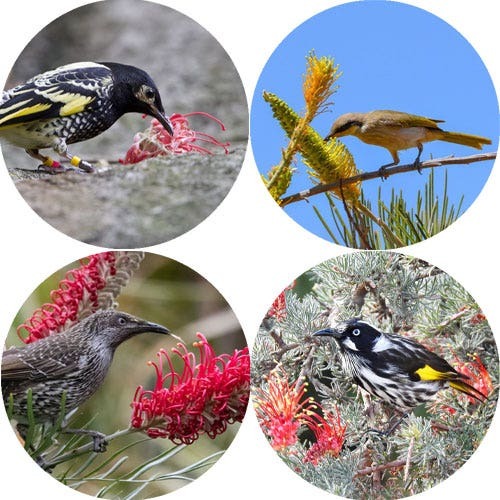
Motion-activated sprinklers can disturb birds as well as cats. Concentrated essential-oil repellents can pose animal-safety risks, so don’t assume they’re harmless. If you’d rather move away from a concentrated feeding station, native plants and a more dispersed habitat are another option. See creating a bird-friendly yard.
Do Bells, Bright Collars, Play or Feeding Changes Stop Cat Predation?
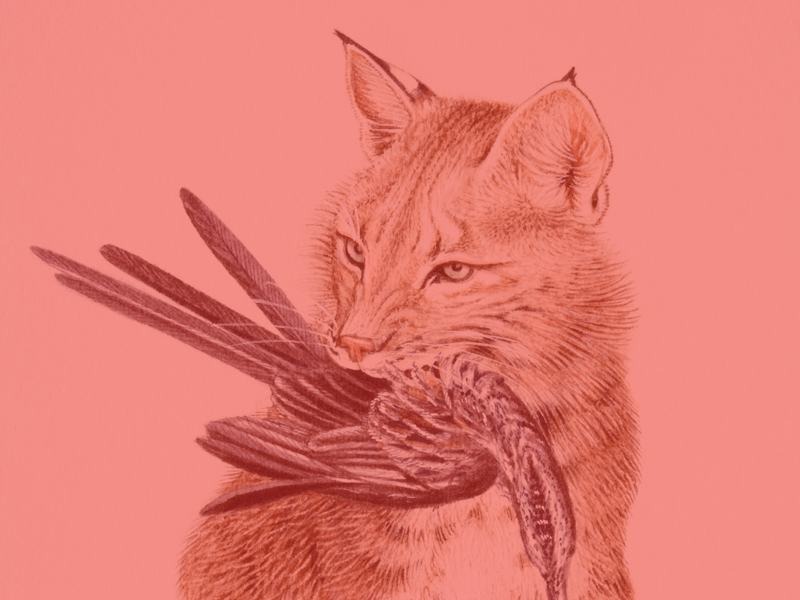
Some interventions cut the number of animals cats bring home while leaving outdoor access unchanged.
A 2021 study in Current Biology followed 219 households with 355 cats in southwest England over 12 weeks. The trial by Cecchetti and colleagues compared approaches involving food, play and collar accessories.
| Approach | What it is | Reported result |
|---|---|---|
| Indoor life or secure outdoor containment | Prevents unsupervised access | No reduction percentage measured in this trial |
| Daily object play | Behavioral enrichment | 25% fewer animals brought home |
| Specified meat-rich food intervention | Feeding intervention | 36% fewer animals brought home |
| Bright Birdsbesafe collar cover | Visual warning accessory | 42% fewer birds brought home |
| Bell | Audible warning accessory | No discernible effect in this trial |
The play and food figures count all prey brought home. The collar-cover figure counts birds only.
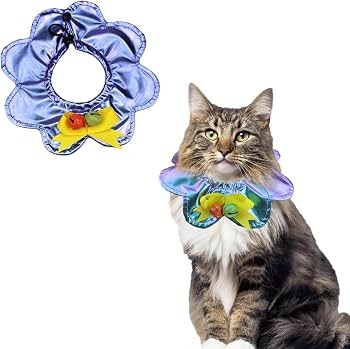
Other studies report different results for bells. A colorful collar cover can make a stalking cat easier for birds to see.
The food intervention was a condition the researchers studied, not a prescription for an individual cat’s diet. Ask a vet before making significant dietary changes.
What if the Visiting Cat Seems Stray or Unowned?
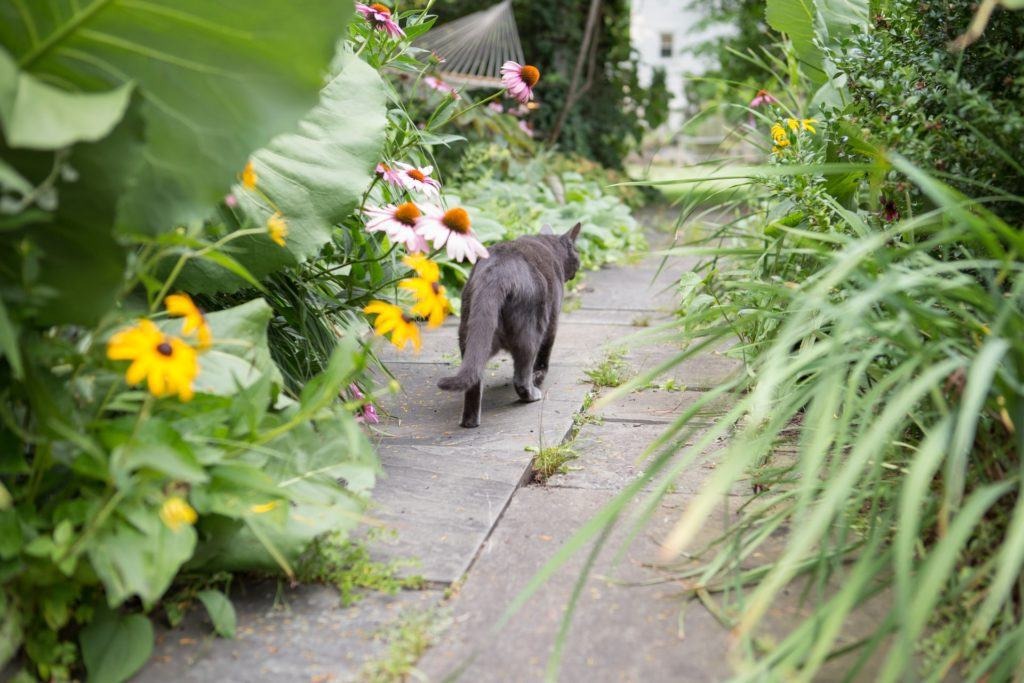
A cat with no visible owner might be a stray pet, an unowned feral cat, a community-managed animal or an owned cat allowed to roam. You can’t always tell from its appearance, and management rules differ by locality.
Strays will show up from time to time, and so far every time it’s been intact male cats. I took in the first, (neutered him of course), the second it took me months to find a place for him, and now a third shows up. I feel awful for them in the winter, so I have a shelter but I also feed the birds and I want to keep both the cat and birds safe. … All the shelters within 2 hours of me have been constantly full and don’t accept new cats 🙁
Trap-neuter-return, often called TNR, is debated among conservation groups and animal-welfare advocates. Sterilization does not stop an individual free-roaming cat from hunting.
Contact a local humane organization, animal-control service or shelter to find out which options are authorized before you trap, move or manage a cat whose owner is unknown.
If a Cat Has Already Caught a Bird
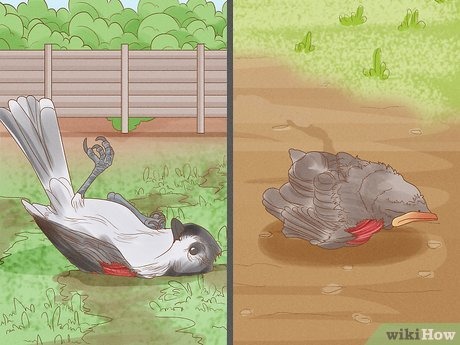
A bird caught in a cat’s mouth, claws or teeth can have injuries too small to see. Some injured birds can still move or fly, which makes them hard to assess.
After physical cat contact: Contact a licensed wildlife rehabilitator or wildlife authority promptly, even if the bird looks alert and no injury is visible. Follow their instructions on handling and transport.
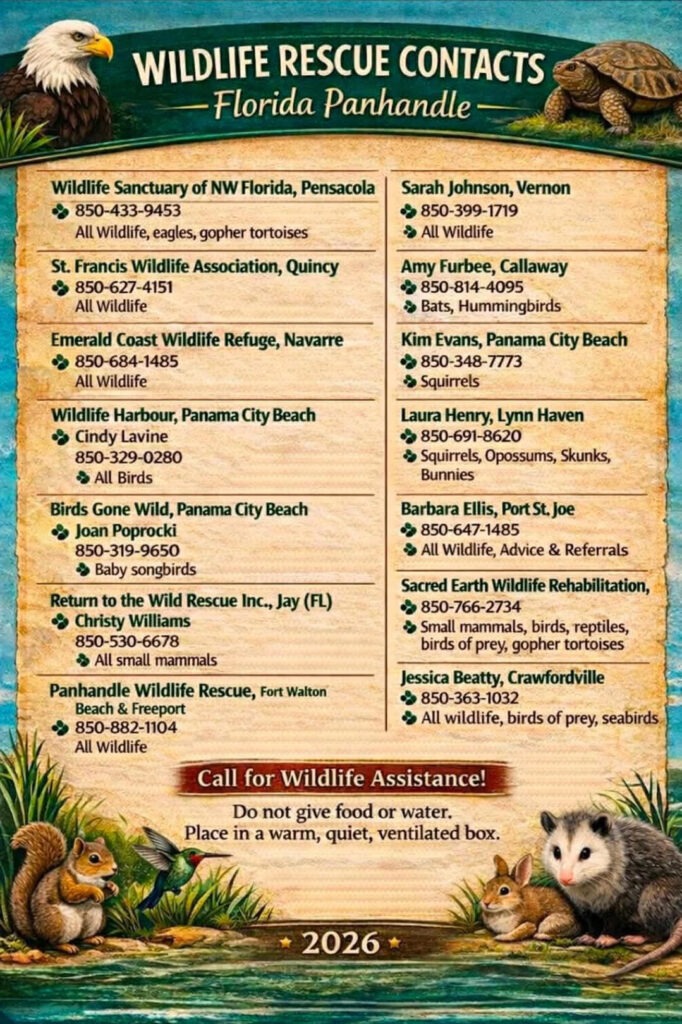
Animal Help Now is one way to find wildlife help. Some state agencies also maintain directories of licensed rehabilitators. Massachusetts, for example, provides one. Service areas and intake availability vary by provider.
Home medication, improvised feeding or amateur wound treatment cannot replace qualified wildlife care. For broader first-response advice, see finding help for an injured wild bird, which covers injury, flight and window collision.