For a typical U.S. backyard feeder, plain black-oil sunflower is a sensible first seed for many common seed-eating birds. Switch to something else when your target birds, feeder openings, shell litter or wet conditions call for it.
What Bird Seed Should You Buy First?
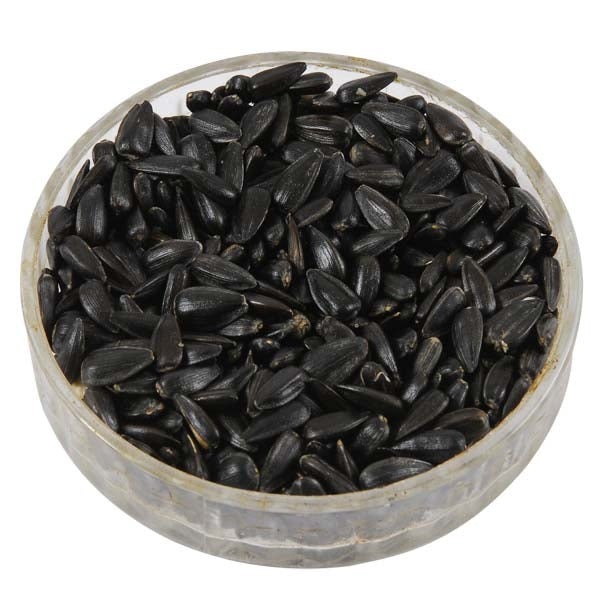
Black-oil sunflower has a thin shell, and a broad range of familiar seed-eaters can open it, including chickadees, cardinals, finches and some woodpeckers.
Juncos and doves forage low to the ground, so white proso millet fits them better. A finch feeder with tiny ports suits nyjer. On a balcony where sunflower shells would pile up, sunflower hearts work if you keep them dry.
Research backs up sunflower’s appeal. In a 2014 study in Wildlife Society Bulletin, David J. Horn, Stacey M. Johansen and Travis E. Wilcoxen found black-oil sunflower, medium sunflower chips and white proso millet particularly attractive among ten types examined. The original seed and feeder study documents those observations.
From 2005 to 2008, 173 observers across 38 U.S. states and three Canadian provinces recorded 1,282,424 visits by 106 bird species during 20,077 sessions of 45 minutes each. What you see in your own yard depends on the species living there, the season and the feeder.
Match Bird Seed to Birds and Feeders
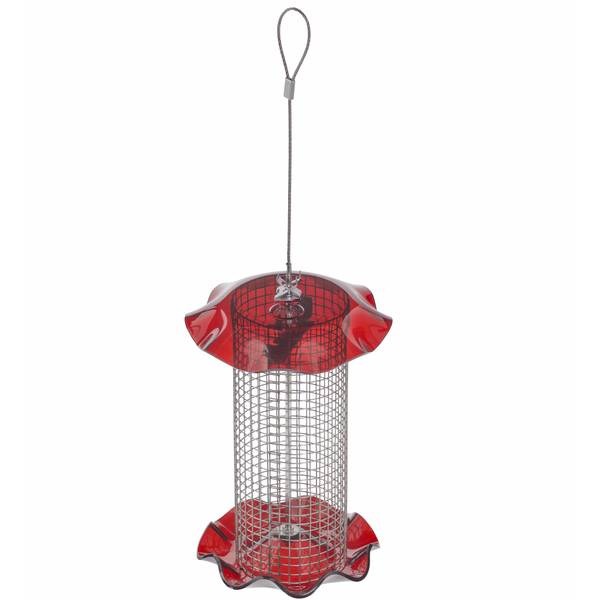
Pick the seed and the feeder together. A bird that likes a seed will still skip a feeder with an awkward perch, and tiny nyjer pours straight through a tube built for larger sunflower seed.
The chart below matches each food to the birds that eat it and the feeder that holds it.
| Food | Birds that eat it | Best feeder | What to expect |
|---|---|---|---|
| Black-oil sunflower | Cardinals, chickadees, many finches, some sparrows and woodpeckers | Hopper, tray, accessible tube | Broad appeal; empty shells below |
| Sunflower hearts or chips | Many sunflower-eating species, including small seed-eaters | Dry, well-drained feeder with ports that fit | Less shell litter; spoils when damp |
| Striped sunflower | Some larger-billed sunflower eaters | Hopper or tray with wide openings | Thick shells block some birds |
| White proso millet | Juncos, sparrows, doves, quail | Low tray or clean ground | Feeds ground birds; House Sparrows come too |
| Nyjer | American Goldfinches, Pine Siskins and some redpolls | Finch feeder with tiny ports | Draws small finches |
| Safflower | Cardinals and some other seed-eaters | Hopper or tray | Acceptance varies; deters some pests, not all |
| Plain peanuts or peanut hearts | Jays, nuthatches, chickadees, titmice | Tray, hopper or peanut feeder | Pieces suit smaller birds; keep dry |
| Milo or sorghum | Some ground feeders, mainly in western settings | Low tray | Often rejected in eastern feeder mixes |
| Cracked corn | Some doves, quail and larger ground feeders | Small amount on a tray or low spot | Spoils when wet; draws unwanted birds |
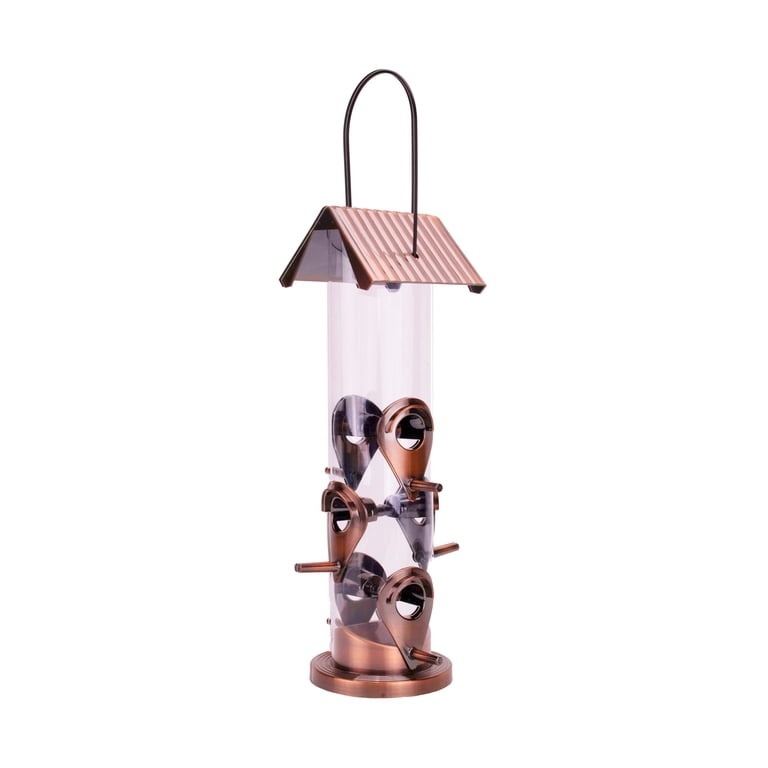
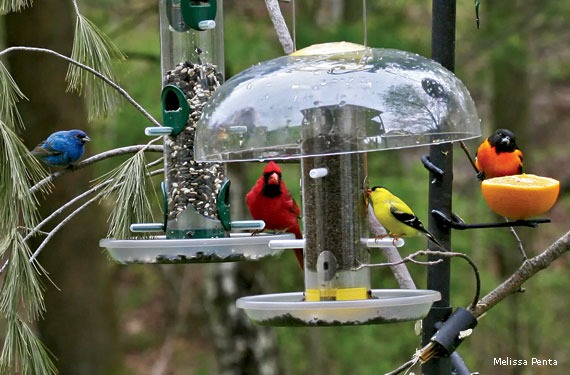
A hopper offers a broad landing area, while a tube limits access by perch and opening size. A tray gives larger and ground-foraging birds easier access. Juncos and Mourning Doves, for example, often feed beneath a hanging station while the tube above stays full.
Check the ports, perch space and drainage on your own feeder. Low trays and ground feeding also call for clean food and attention to predators. Cornell’s Project FeederWatch food guidance describes the corresponding seed preferences.
Black-Oil, Striped, or Hulled Sunflower?
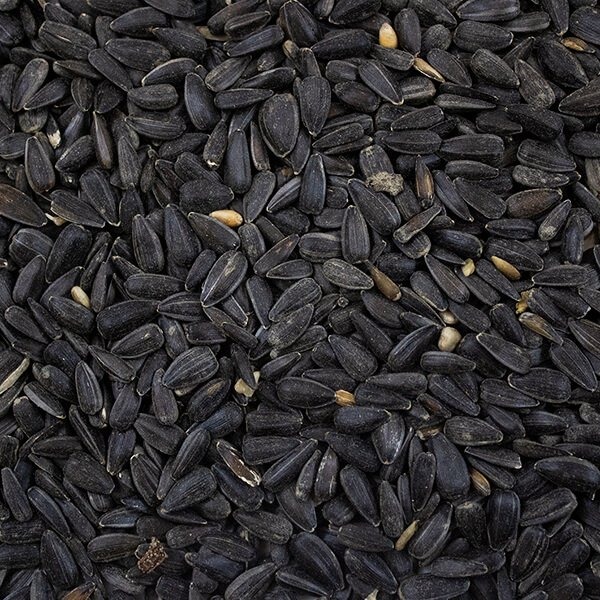
Sunflower comes in three forms. Each differs in shell access, litter and moisture tolerance.
| Sunflower form | Shell and bird access | Debris and moisture | Reason to choose it |
|---|---|---|---|
| Black-oil | Thin shell that many seed-eaters can open | Empty hulls collect beneath the feeder | General-purpose feeding |
| Striped | Thicker shell; harder for some smaller birds to open | Empty hulls collect too | Filters out some birds when they dominate |
| Hearts or chips | No shell; exposed kernel | Little litter; damp food spoils or clumps | Patio or balcony with a dry feeder |
Striped sunflower’s tougher shell discourages House Sparrows and blackbirds that struggle to open it, as Cornell explains in its seed-type guide. Birds with stronger bills keep feeding.
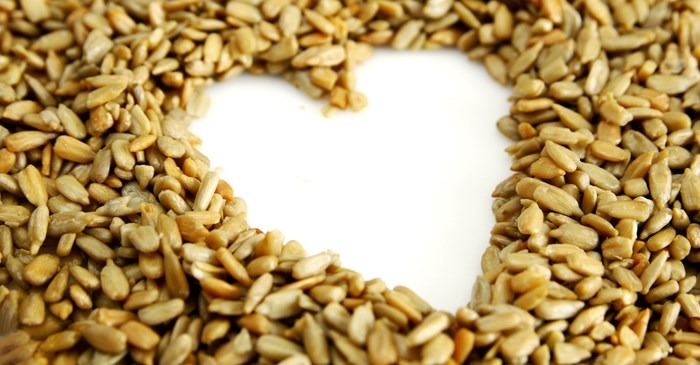
Hearts solve the shell-litter problem most directly. With the kernel exposed, many sunflower eaters take them easily, but damp conditions spoil them faster. A poorly drained tube can hold wet clumps of chips long after rain.
A no-mess blend uses shell-free ingredients and aims to cut the food birds leave behind, including rejected filler. Scattered edible pieces still fall. Check the contents to see whether the promise holds up in your yard.
White Millet and Milo Serve Different Birds
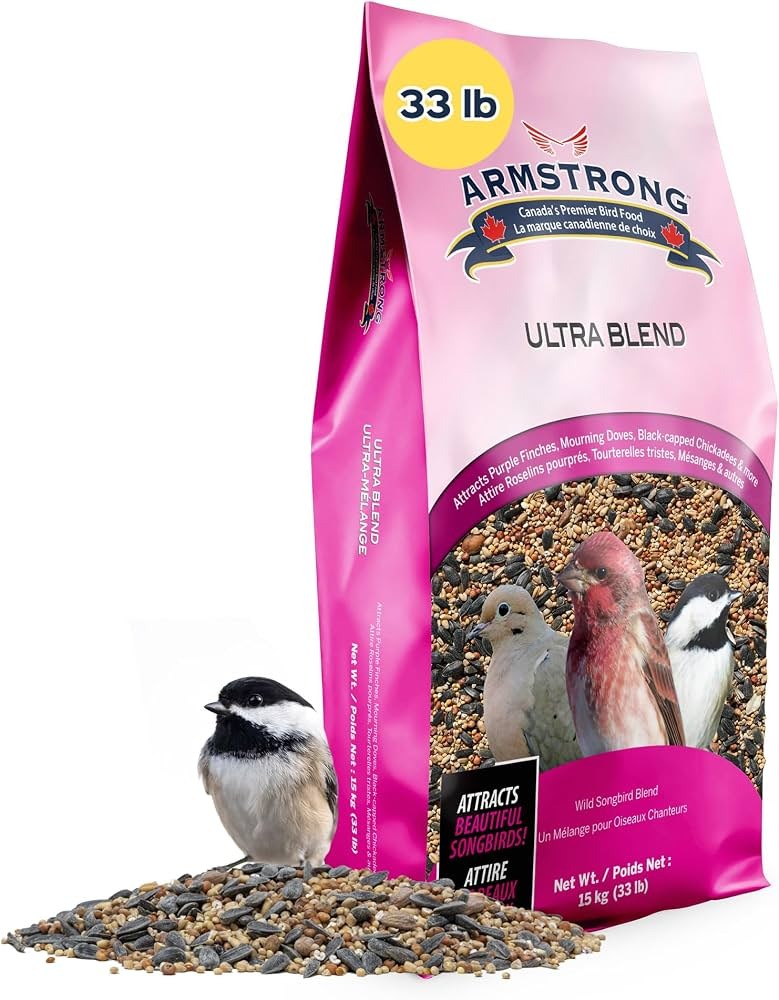
White proso millet is good food for birds that forage on or near the ground. Juncos, sparrows, doves and quail take it. A small tray in a yard visited by juncos has a different audience from a hanging sunflower tube.
Milo, also known as sorghum, behaves differently in a seed mix. Some western birds eat it, while many eastern feeder birds leave it behind. Red millet and other grains also go uneaten where the birds favor sunflower.
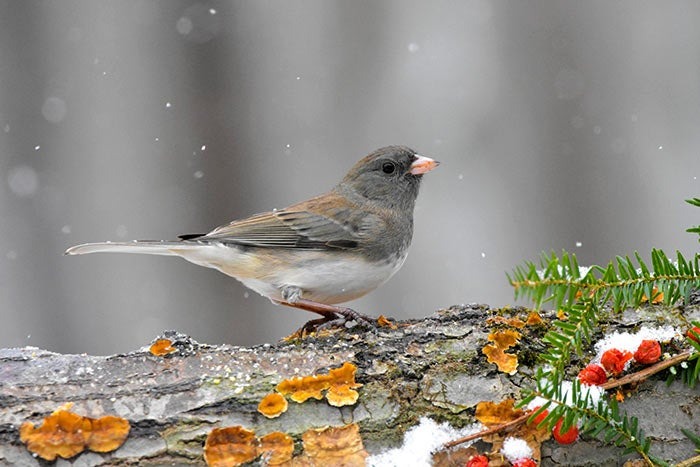
A modest amount of white proso millet suits ground feeders, but it also attracts House Sparrows and cowbirds you may be trying to keep away.
When Nyjer, Safflower, and Peanuts Make Sense
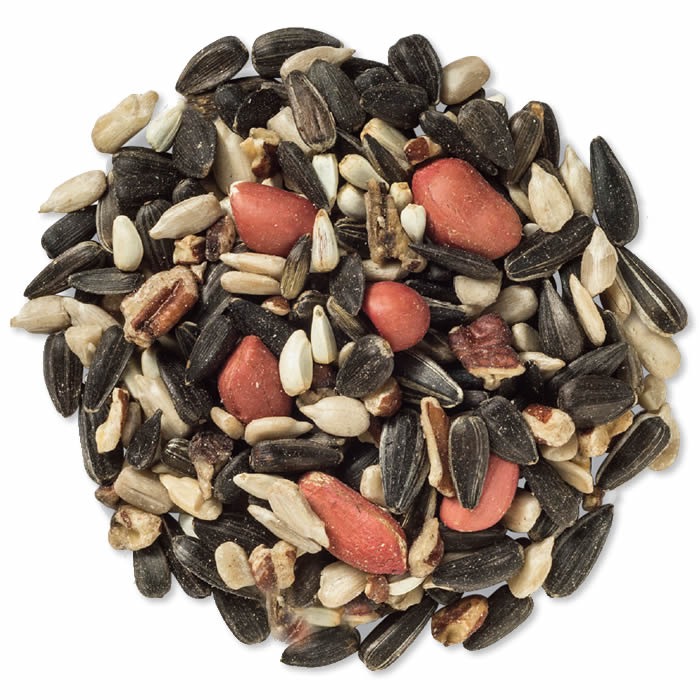
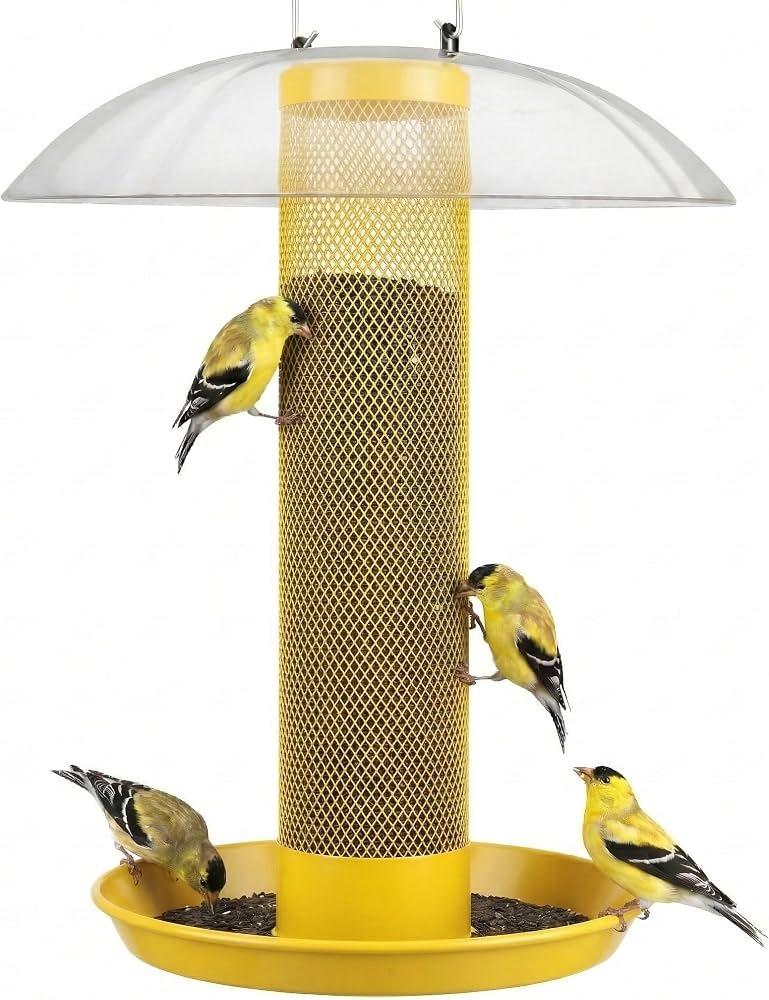
Nyjer for finches
Nyjer, often sold as thistle seed, comes from Guizotia abyssinica, a plant unrelated to North American thistles. Its tiny size calls for a finch feeder with narrow ports.
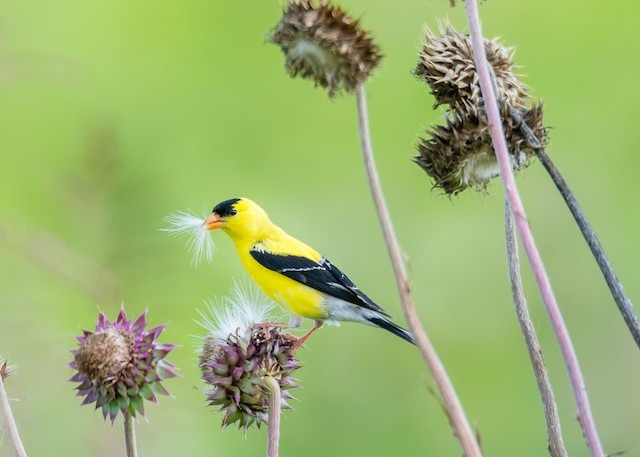
American Goldfinches, Pine Siskins and some redpolls use it when they are present. If goldfinches visit elsewhere but ignore your nyjer feeder, check the food condition, the feeder access and what else is on offer. A seasonal drop in visits alone does not show what goldfinches prefer.
Safflower for some cardinals
Cardinals and some other seed-eaters take safflower. Squirrels, House Sparrows and starlings sometimes keep using feeders stocked with it, so its deterrent effect varies by yard.
If House Sparrows crowd the feeding area, see guidance for House Sparrows at bird feeders for the feeder design and bird behavior involved.
Peanuts for jays and smaller birds
Jays handle larger pieces of plain peanuts. Nuthatches, chickadees and titmice take peanut hearts or smaller pieces. Use plain, unsalted, unflavored food and keep it dry.
Read the Birdseed Bag Before Buying
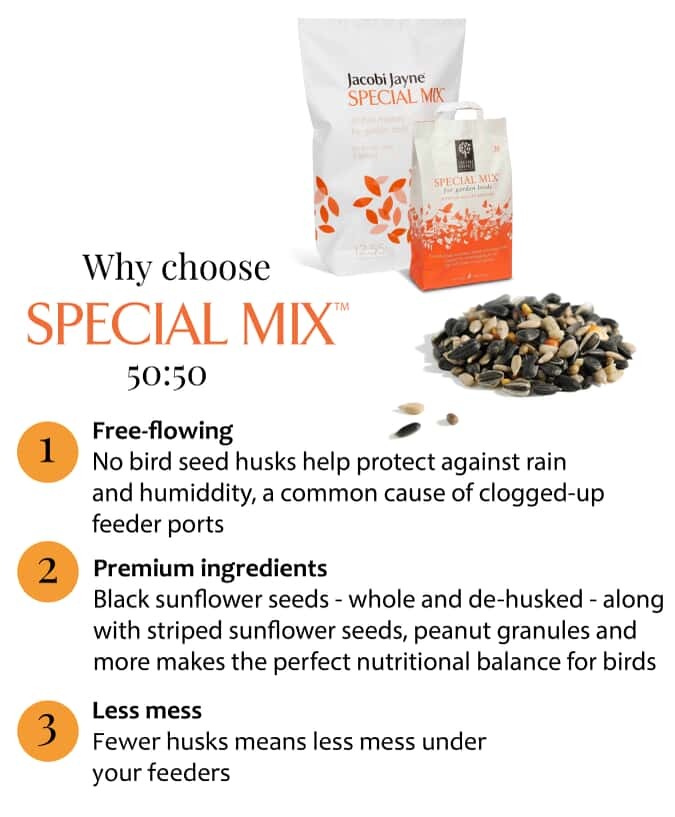
Commercial mixes can serve several kinds of birds when their ingredients fit your birds and feeder.
For animal-food products under the applicable rules, the FDA describes ingredient declarations as using common or usual ingredient names in descending order of predominance by weight, with certain exceptions. That order hints at the composition but gives no exact percentages. The FDA animal-food labeling guidance explains the regulatory framework.
| Bag description | What to look for | Buying implication |
|---|---|---|
| Ingredient declaration | Named seeds and prominent components | Match the contents to your birds and feeder type |
| No-mess or no-waste | Hulled ingredients and grains birds eat | Less litter depends on both shells and rejected filler |
| Finch or cardinal blend | Actual seeds and a feeder those birds can use | Pictured birds can guide the choice; WBFI-logo bags have specific pictured-species rules |
| Anti-squirrel claim | Ingredients and any stated deterrent mechanism | Results depend on the animals and your setup |
| Large value bag | Useful contents and the amount you can keep fresh | A low price can come with a large uneaten remainder |
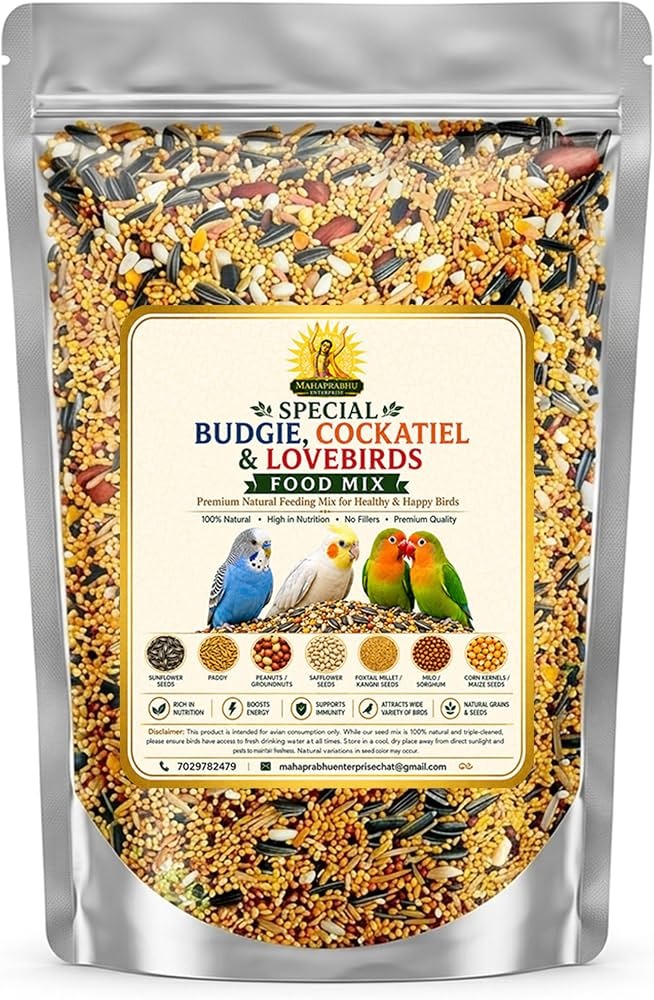
The Wild Bird Feeding Institute’s voluntary Quality Standards logo adds conditions for participating products, including individually identified ingredients in order of predominance and pictured or featured bird species buyers could reasonably expect at feeders. Federal ingredient-declaration requirements apply to animal foods within their scope.
At the store, compare the named ingredients with your birds and feeder, and buy only what you can offer and store in good condition. A mix of sunflower and white millet suits a yard with both perching and ground feeders. A grain-heavy bag leaves a lot behind at a sunflower tube.
Why Birdseed Ends Up Under the Feeder
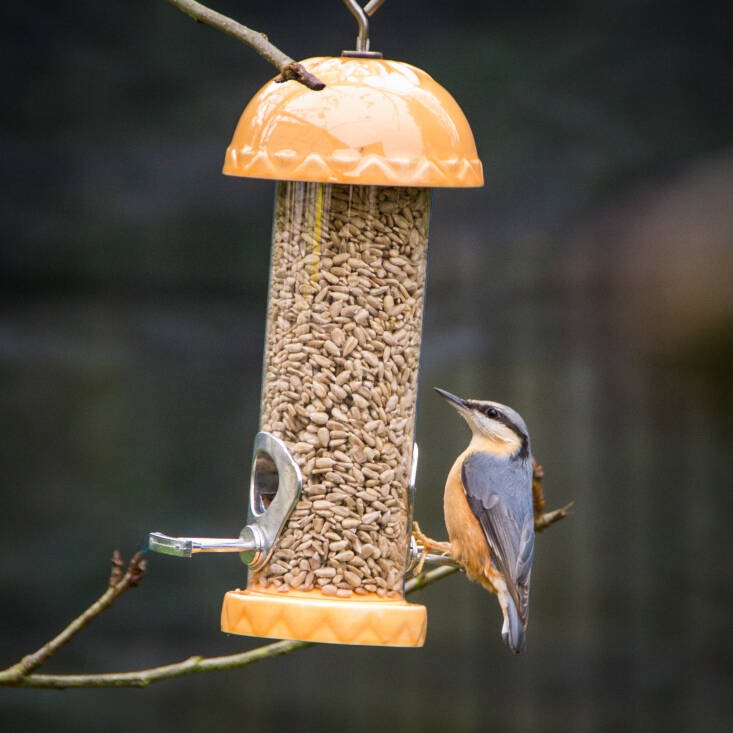
Material under a feeder can be empty shells, whole seeds or both. The mix tells you whether the birds are opening the food or leaving usable ingredients behind.
Sunflower eaters may carry a seed away or open it at the feeder and drop the hull. Birds sorting through a mixture sometimes take their favorites and flick the rest aside. A busy feeder makes plenty of debris even when the birds are eating well.
| Material on the ground | What it means | What to do |
|---|---|---|
| Empty split sunflower hulls | Kernels have been removed | Hulled sunflower cuts shell cleanup |
| Whole grains of the same type | Birds are passing over or spilling that ingredient | Rethink the mix and feeder fit |
| Shells mixed with intact seed | Birds are both eating and scattering | Work out which part is still edible |
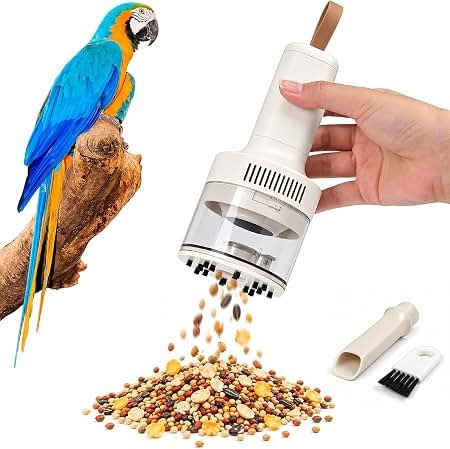
Check a small sample under the feeding area. An empty hull has already given up its kernel. An intact grain is purchased food nobody ate. On a paved patio, black husks look like a big mess even when the birds ate most of the kernels.
Repeated piles of intact milo or other grains mean the blend fits your birds poorly.
Keep Birdseed Dry and Safe
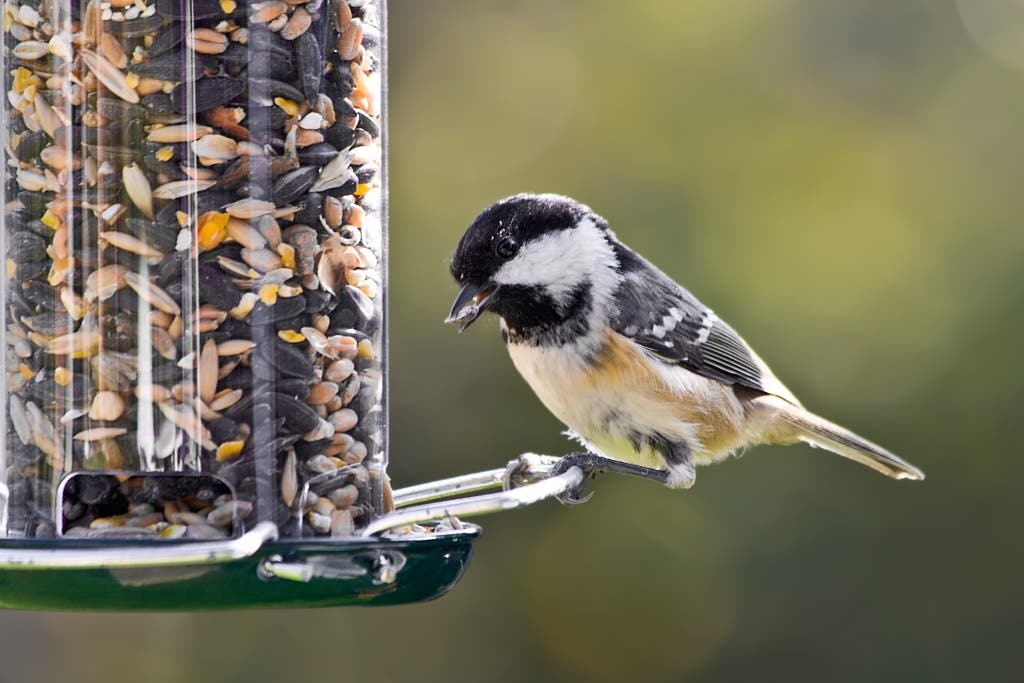
Throw out wet, moldy or foul-smelling feed, especially exposed sunflower hearts, peanuts or corn. Before refilling, check the food for clumps and visible spoilage and make sure the feeder drains. Full procedures are in safe bird feeder cleaning and birdseed storage guidance. Never offer red- or pink-dyed chemically treated planting seed to wild birds, as University of Florida IFAS Extension warns.
Test One Change Before Buying More
- Offer a small amount. Fill the feeder with enough food to see normal use, without committing to a big trial of an unfamiliar seed.
- Note actual eating. Watch which birds take or open the seed.
- Notice repeated leftovers. A grain that stays after the other food disappears does not suit your birds.
- Change one thing. Try a different seed or fix an obvious feeder-access problem, and keep everything else the same.
Season, weather, local bird presence and other food sources also affect visits, so a rise after a seed change may have another cause.
If birds avoid the station entirely, read why birds are not visiting the feeder. Seed is only one cause.