If you bird in the U.S., keep a pocket notebook for your own memory, use eBird for a structured checklist, or use both. Mark an eBird checklist complete only when birding was the primary purpose of the outing, you made a genuine effort to find and identify birds, and you reported every wild bird species you confidently identified by sight or sound. One unidentifiable bird doesn’t make it incomplete. In the field, write down the date, place, what you saw or heard, and what you’re unsure about. Afterward, keep your notes and confirm the checklist was submitted.
Choose the record you want to keep
A personal journal, a life list, and an eBird checklist each capture a different part of an outing. Pick based on what you want to remember and whether you plan to submit a structured survey to eBird.
Take a made-up backyard watch on May 12, 2024, from 8:10 to 8:25 a.m., with birdwatching as the purpose. A Northern Cardinal visits the feeder twice, and you can tell it’s the same bird. While it’s in view, an unseen bird gives an unidentified two-note call from the shrubs.
| Record | Entry from that same hypothetical watch | What it preserves |
|---|---|---|
| Field journal | “May 12, 2024, 8:10 to 8:25 a.m.; backyard by shrubs; one Northern Cardinal seen at the feeder twice, same individual; unidentified two-note call; quick sketch.” | The setting, behavior, count reasoning, sketch, and the unfinished identification |
| Life list | Northern Cardinal, May 12, 2024, if new under your personal listing rules; no species entry for the unknown call. | The species you’ve met across outings, with no claim about effort or how many individuals |
| eBird checklist | May 12, 2024; backyard observation point; Stationary; 8:10 a.m. start; 15 minutes; Northern Cardinal, count 1; complete if all confidently identified species were reported. | A session tied to a place and an effort, once the records are actually submitted |
The example assumes you confidently identified the cardinal and no other species. The unknown call stays in your notes.
Identifications saved in Merlin don’t reach eBird on their own. You have to submit them separately to turn them into checklist observations.
Write down the details that will disappear first
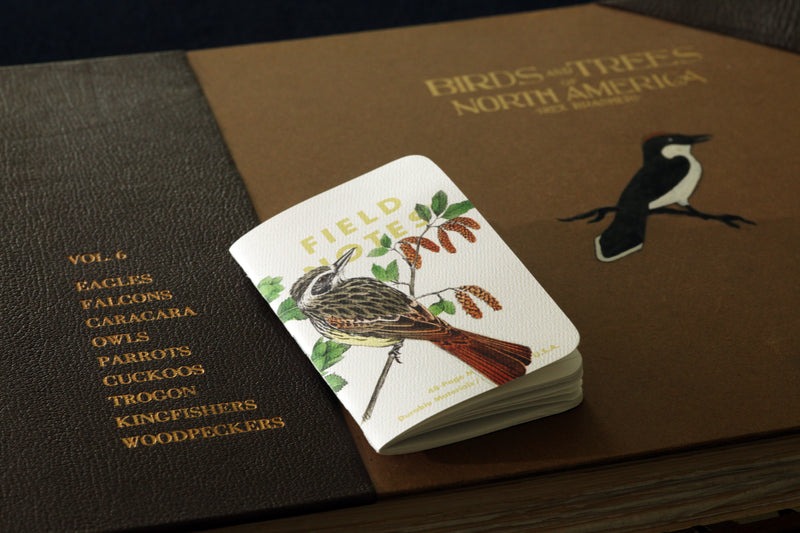
A field note is worth writing when it holds something you’d otherwise forget: a pale wing mark, a two-note call, where the bird sat in the tree, which way it flew. Date and place make the description make sense later.
Field-note pattern: [date and approximate time] | [place and habitat] | [appearance or sound] | [number or uncertainty] | [behavior, sketch, or original recording]
Filled in for the backyard watch above, the pattern gives the journal entry from the table. Add weather and light when they help you reconstruct what you could see. Cornell’s field-notebook guidance covers sketches, original notes, and transcription.
Behavior can matter as much as markings. In a thread about birdwatching journals, one birder described what they noticed in a small group of turkeys visiting the yard.
For instance, there’s a flock of five turkeys that frequently comes to my yard this fall. One thing I noticed is that they are all males; not a hen among them. Another is that one of the turkeys gets picked on by the others a lot. I’m not quite sure if this one bird is trying to join the group for safety, or did something that upset the other birds. I haven’t learned how to spot it apart from behavior yet. That appearance thing is something else you could record. maybe you spot a cardinal with a white feather on its neck, very distinctive. You might get to where you could identify every regular bird you see in a given place, based on small variations on behavior or looks.
The turkey story has two parts: what happened and a guess about why. “One bird was displaced repeatedly” records what happened. Why it happened can stay in the journal as an open question. Distinctive feathers, posture, and repeated behavior help you recognize an individual on another visit.
Paper notebook, eBird, or both: choose when to use the screen

Paper suits a birder who wants to sketch fast and keep their eyes on the birds. Digital entry gives every observation the same fields and makes records searchable. In a hybrid workflow, the pocket note supplies the raw detail for an eBird checklist you write up later.
One birder keeps a small pad for outings and a separate diary and list at home:
My wife bought me the Sibley Life List & Field Diary for Christmas. I keep it at home and use it to track my life list and write dates/locations of noteworthy species. When I’m out birding, I use the small notepad (.94 at the drugstore) to write down species seen. Fits in my pocket and I think it’s perfect. For my 2026 list, I printed out the ABA Checklist. These are all the birds eligible for an ABA Big Year (even though I’m just doing my own thing at my own pace). I also leave this at home and update new species when I get back. I do not use eBird. I think it’s a great app and very useful and valuable, but I am seriously trying to reduce my screen time and I want birdwatching to be one thing that is sacred.
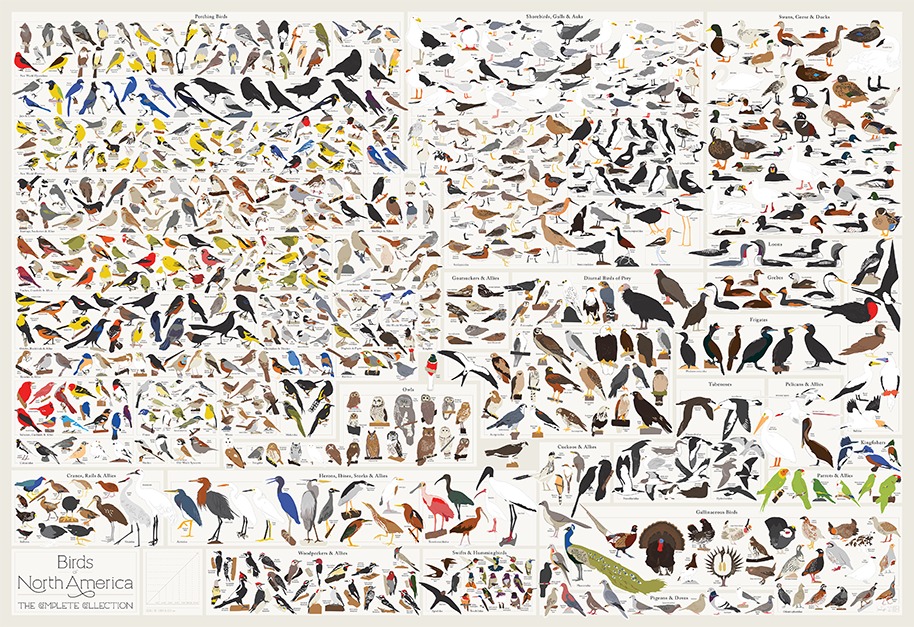
You can contribute to eBird and still start on paper, as long as the checklist you eventually submit uses the real date, place, protocol, species, and counts from the outing.
Give each eBird checklist the right place and observation type

Pick the protocol that matches what you did. Sat at a feeder? Stationary. Walked a trail looking for birds? Traveling. Spotted a bird on an errand? Incidental. Every checklist needs the true date and location plus the effort details its protocol asks for. For eBird hotspots, habitat, and dated sightings, see how to find useful birding hotspots.
| Observation situation | eBird protocol | Deciding condition |
|---|---|---|
| Birdwatching from one spot, such as a backyard feeder | Stationary | You stayed at a fixed site and can describe your effort for the session |
| Birdwatching along a trail or route | Traveling | You looked for birds while moving, and you have the time and unique distance |
| Spotting a bird on an errand unrelated to birding | Incidental | Birding wasn’t the primary purpose. The checklist is automatically incomplete. |
| Birdwatching where you know the date but lack required effort details | Historical | Birding was the primary purpose and you know the exact date, but start time, duration, or distance is unavailable |
These definitions come from eBird’s observation-protocol guidance. A short, planned birding session is Stationary or Traveling, depending on movement and effort.
A Traveling checklist uses unique distance birded. If you bird one mile out and return along the same trail, you have walked two miles but report one mile of unique distance. If your route crosses widely separated habitats, set the location and checklist boundaries where you actually made the observations, and don’t invent GPS precision.
Can two people share an eBird checklist?Yes, if you birded together. Separate groups use separate checklists.
Count birds without counting the same visitor twice
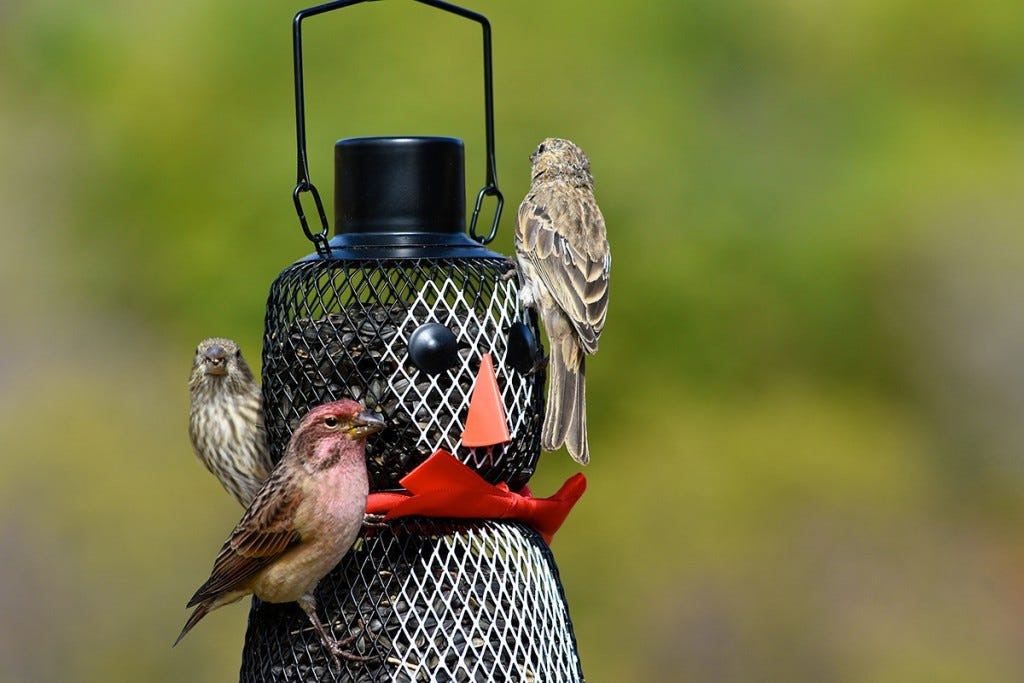
An eBird count is the number of individual birds you detected during one checklist. A recognizable bird that leaves the feeder and returns twice makes three appearances but is still one bird.
- Same recognizable visitor: Count it once for the session, even if it comes back to the feeder.
- Birds visible together: Three birds in view at once means a count of at least 3.
- Presence without a count: eBird’s
Xmeans you detected the bird but didn’t count how many.
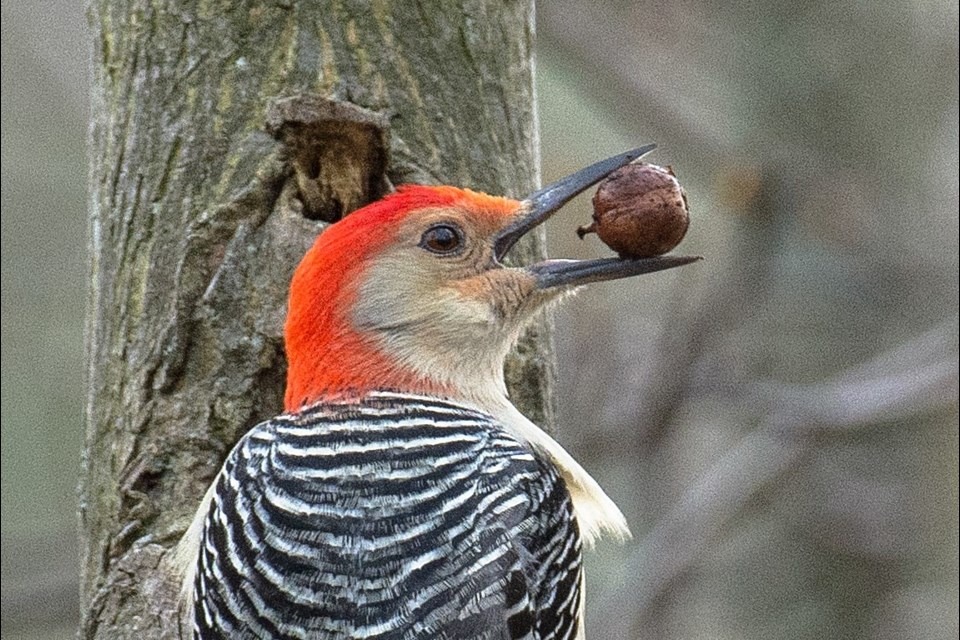
For a flock that keeps changing, give a conservative estimate based on what you can tell apart. When you can make a reasonable numeric estimate, report it. eBird favors that.
Record what you heard or saw, even when the ID is uncertain
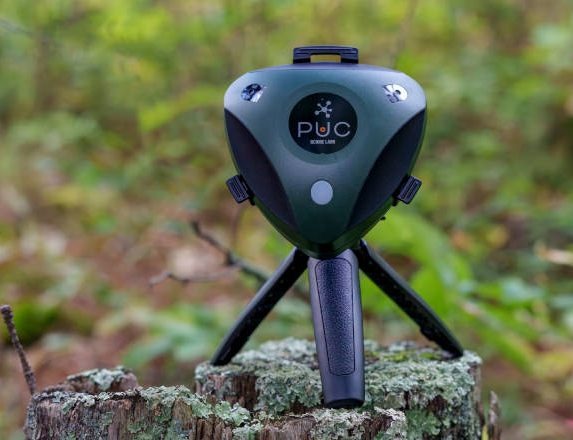
You can report a bird you identified confidently by its call, even if you never saw it. Note whether each ID came from sight, sound, or both. The evidence you have sets how precise the species claim can be.
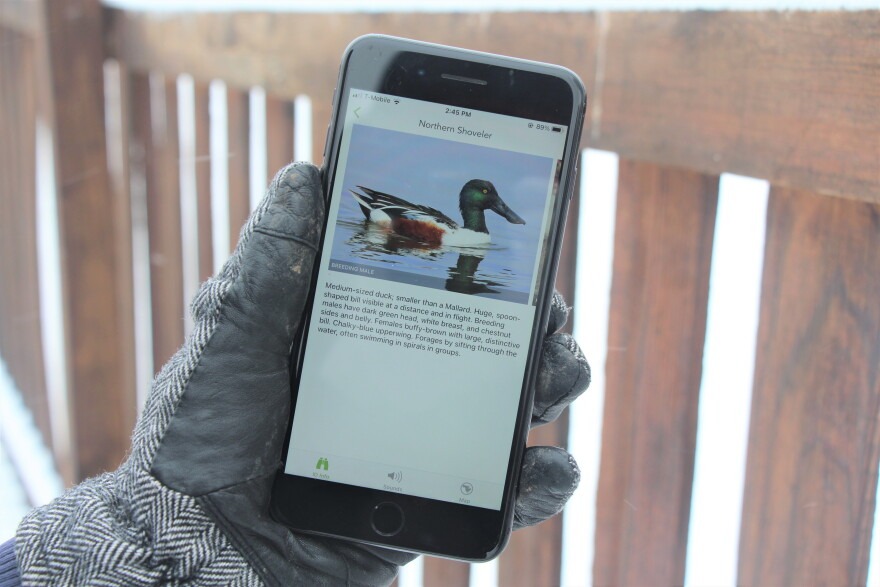
Merlin Sound ID suggests candidates for an unfamiliar call. Before you record one as confirmed, compare it with the recording, the audible features, habitat, season, and distribution. Cornell covers this in its Merlin Sound ID best practices.
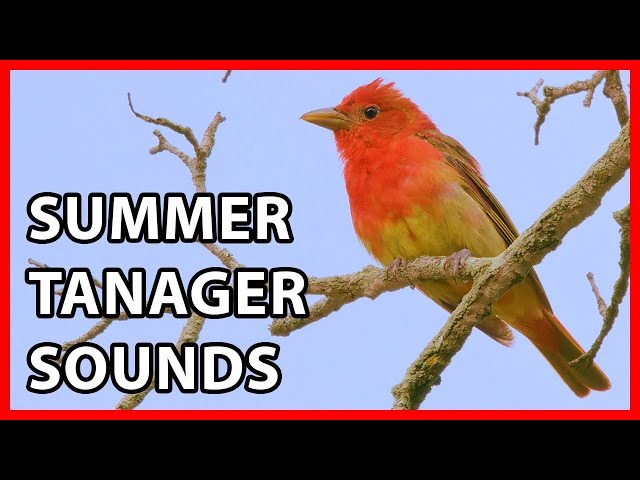
One birder watched a Summer Tanager sing while Merlin flipped between two labels:
There is a Summer Tanager that has been coming to my yard every spring for the last few years, and it has a song that is a little “off.” It’s kind of between a “normal” Summer Tanager and a Baltimore Oriole. I know it’s a Summer Tanager because I’ve seen it singing. Out of curiosity, I let Merlin try to identify it. Merlin thinks it’s both–half the time it says Summer Tanager and half the time it says Baltimore Oriole.
Seeing the bird let this birder sort out the conflicting suggestions. For a bird you can’t see, keep the recording and compare its features with reliable examples. If Merlin Sound ID helped you identify a bird, Cornell recommends attaching the recording to the eBird checklist, especially for an unusual species. For a cross-check that weighs habitat, field notes, and binoculars, see when to use Merlin Bird ID versus eBird.
When your evidence only supports a group, eBird offers sp. categories and slash pairs for some uncertainties. Which one fits depends on the taxonomy and the distinctions you can support. Until an unfamiliar call becomes identifiable, describe its pitch, rhythm, and repetition in your notes.
Mark an eBird checklist complete only when it really is
A core eBird checklist is complete when three things are true: birding was the primary purpose of the outing, you made a genuine effort to detect and identify birds, and you reported every wild bird species you confidently identified by sight or sound. Completeness describes your observation and reporting effort. It doesn’t claim you detected every bird present.
| What happened | Correct completeness decision |
|---|---|
| You birded deliberately, tried to identify birds, and reported every species confidently identified by sight or sound | Complete |
| You birded deliberately but deliberately excluded a species you confidently recognized from its voice | Incomplete |
| You birded deliberately, listed all confidently identified species, and heard an unidentifiable sound | Complete. The unidentified sound doesn’t change that. |
| You happened to notice a bird while doing something unrelated to birding | Incomplete, under the Incidental protocol |
Your private life list can require a visual sighting under your own rules. The official criteria are in eBird’s primary-purpose and complete-checklist guidance.

Before you pick Complete, ask yourself: Was I deliberately birding and trying to identify birds? Did I report every wild bird species I could confidently identify by sight or sound? For checking bill shape, plumage, and habitat, see how shape, color, behavior, and habitat identify a bird.
Keep an offline checklist from disappearing
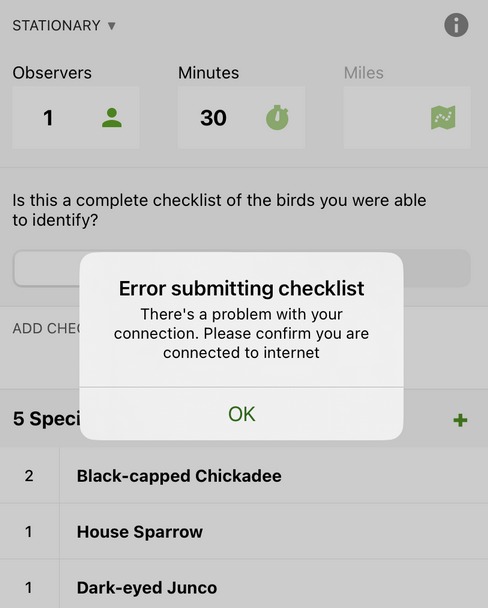
An eBird Mobile checklist is stored on your device before you submit it. Reinstalling the app or losing the phone loses that unsent record.
On a wooded trail without service, the Not Submitted area of eBird Mobile is the only place that outing’s checklist exists until you submit it.
GPS is an estimate, and a saved checklist can carry a map point that’s slightly off.
Back from the trail, compare the checklist’s mapped point with where you actually watched the birds.
Document unusual sightings without exposing sensitive places
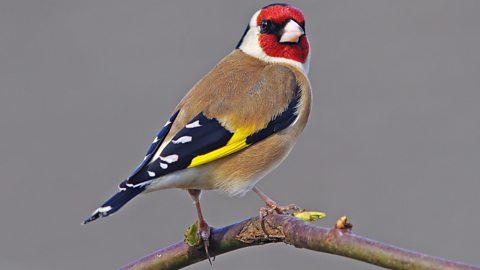
For an unusual sighting, record the field marks, sound, behavior, how you counted, and what separates your identification from the alternatives. Attach only photos or audio from that encounter and location. Submit accurate details to eBird, which restricts public display for species designated sensitive. Take extra care when you share an exact nest, roost, or private-property location somewhere else. Reviewers check whether your documentation supports the identification.
Review the record, submit if appropriate, and keep the original
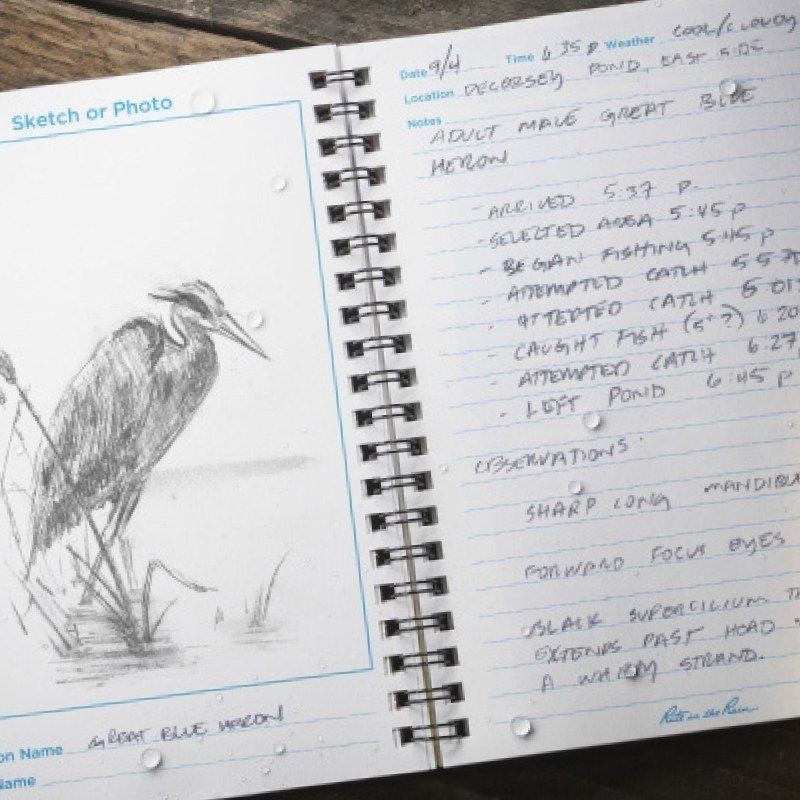
After the outing, compare your original field note with the matching digital checklist. Check the date, location, protocol, effort, and bird entries against what happened, and fix errors using the evidence you recorded.
A sketch or recording can settle a tentative ID later. Keep the original note next to the later interpretation so you can see what you observed first.
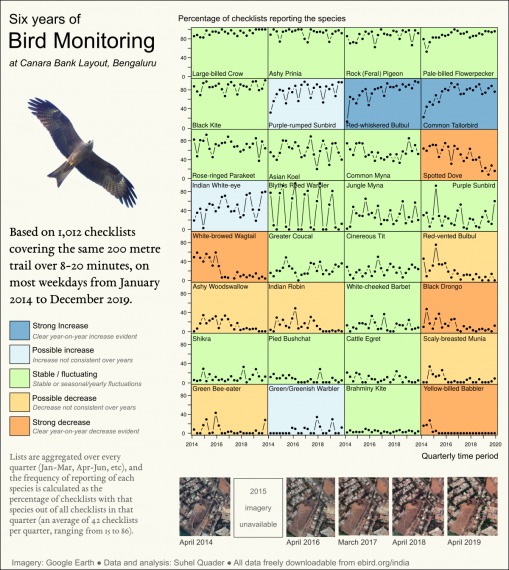
If you contribute to eBird, submit the checklist once you have a connection and confirm it’s the correct one. A record still under Not Submitted hasn’t been sent.