For a short, easy walk, bring water, clothing that suits the weather, and a way to watch or note birds. Take binoculars if you own a pair. Add navigation and safety gear when the route is remote or the conditions are rough. If you can’t manage the forecast or the route’s hazards safely, change the plan or postpone. Otherwise, run through your checks and go.
A half-hour walk around a familiar park asks very little of your bag. A day on a muddy wetland trail is different, especially when the weather turns or the nearest facilities are far away.
Choose Your Day-Trip Type Before You Pack
Start with the route, how exposed it is and what facilities exist. Those three tell you whether a compact kit will do.
| Type of outing | Typical setting | What to pack |
|---|---|---|
| Short, accessible walk | Familiar park, paved loop, nearby facilities | A small baseline kit, plus binoculars or a guide if you want them |
| Longer or uneven walk | Wetland path, muddy trail, changing terrain | The baseline, plus footwear, protection and supplies that match the terrain |
| Remote or exposed day route | Limited services, uncertain reception, longer return route | Route navigation, a safety plan and emergency supplies |
A short route can still be hard in extreme heat or for someone with mobility needs. A longer, familiar path with good access can be easier to prepare for than a short, exposed one.
Before you pick a category, think about how long you’ll be out, what the surface is like, where you can turn back and what facilities are nearby. Add your own mobility and access needs to that list. Every item you add should have a reason: weather, navigation, comfort or a specific activity.
Pack a Small Baseline for a Short, Accessible Bird Walk
On an easy walk with a safe way back and ordinary facilities, the essentials fit in pockets or a small bag. You need something to keep you comfortable and hydrated, and something to watch or record birds with.
| Item or check | Why it belongs, and when |
|---|---|
| ☐ Drinking water | Keeps you hydrated. Adjust the amount to the conditions and your own needs. |
| ☐ Suitable shoes and clothing | Comfort on the planned surface and in the expected weather. Footwear and layers change with the terrain. |
| ☐ Phone, notebook or field guide | Record a description or look up an identification. Pick the one you’ll actually use. |
| ☐ Personal essentials | Medication, plus anything you need for access or mobility. |
| ☐ Sun or insect protection | Pack it when the weather and habitat call for it. |
| ☐ Snacks | Useful on longer outings or where you can’t buy food. Optional for a brief visit near facilities. |
| ☐ Binoculars, if you have them | Make distant details easier to see. Helpful, but optional. |
Audubon advises that binoculars help beginners but are not required. A phone for notes, a field guide or careful looking can make a familiar greenway walk worthwhile. If you already own a comfortable pair, bring them.

Adjust for Weather, Terrain, Insects and Safety

The forecast and trail conditions decide what you add to the basic kit. They can also decide whether you go at all.
| Condition | What changes | Decision or restriction |
|---|---|---|
| Rain, wind or cold | Protective layers, matching footwear and dry storage | Check the forecast for your route |
| Strong sun or heat | Sun protection, water, shade and rest stops | Follow local heat alerts and adjust the plan |
| Muddy or wet ground | Footwear with good traction and clothing for the surface | Confirm the trail is still usable |
| Grassy, wooded or brushy habitat | Tick precautions and protective clothing | Follow tick-prevention guidance |
| Remote or poorly serviced route | Navigation and emergency supplies | Follow the destination’s outdoor-safety rules |
The National Weather Service uses three heat alerts, and each one changes a birdwatching plan differently. An Extreme Heat Watch means prepare for potentially dangerous conditions. A Heat Advisory is a reason to reschedule or change your outdoor activity. An Extreme Heat Warning means avoid outdoor activity, especially during the hottest part of the day. A shaded morning walk and an exposed afternoon trail call for different choices, even in the same area. The National Weather Service heat guidance explains the alert categories.
For trips with a lot of exposure, the National Park Service Ten Essentials gives you a preparedness checklist. Its ten systems are navigation, sun protection, extra clothing, illumination, first aid, fire, repair tools, nutrition, hydration and emergency shelter. Use it most on routes with few services, where a delay would matter. Match the gear to the destination and its rules, including fire restrictions.
The CDC identifies grassy, brushy and wooded areas as places where ticks are a risk. Its tick-prevention guidance includes staying near the center of the trail and using an EPA-registered repellent according to its label.
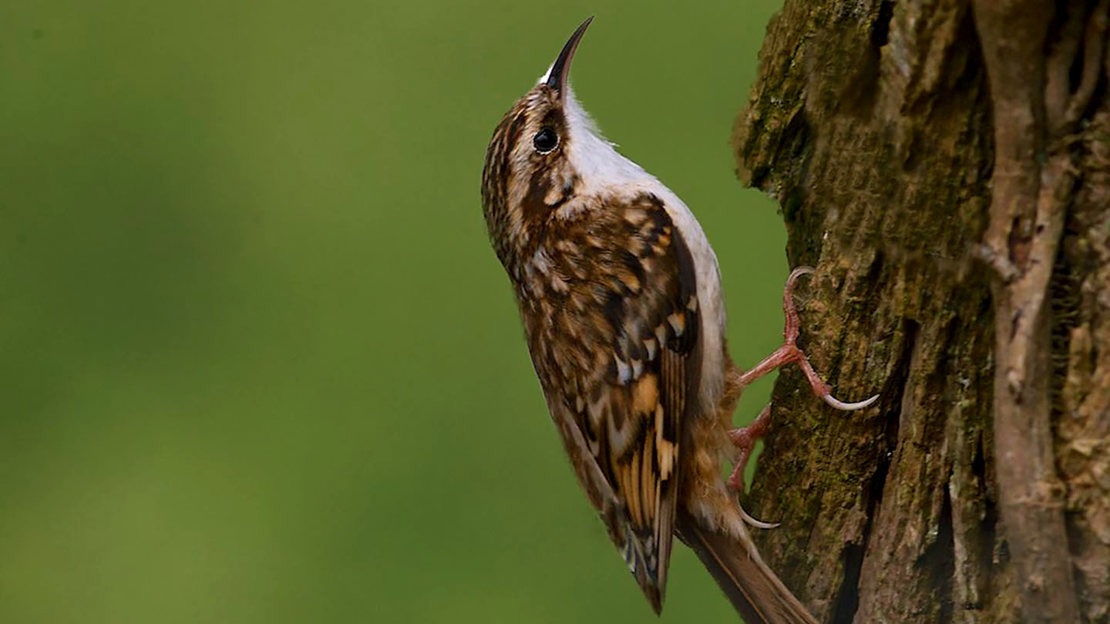
If you can’t manage the hazards safely, choose a less exposed route, a different time or another day. A closed trail or an active warning stays a reason to skip, no matter what you carry.
Carry Binoculars and Other Gear Without Fighting Your Pack
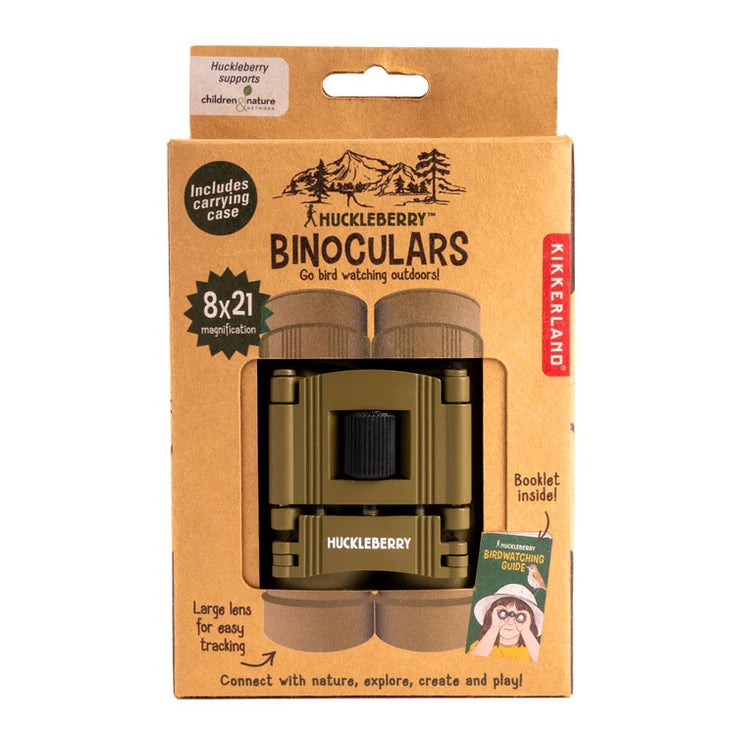
Set up your bag so binoculars, water and phone are easy to reach and your hands stay free for moving safely.
Start with the purpose of the trip. For birding, fast access to binoculars matters. If photography is the main goal, expect to carry a camera, extra equipment and more weight.
A simple strap works for some people. Others prefer a binocular harness or a small day pack, especially when carrying optics for a long time. Choose by fit and comfort, and by how the gear sits together when you wear it.
One birder described how much the ideal setup changes from walk to walk:
Hopefully this counts as a birding related topic. But as an avid birder in my county, I am always curious when I see other birders around and what their “setups” are. I know it’s very much based on what each person would want on their person and what gear they use, and the length of the trail you are birding. I like to bird for 2-4 miles, but sometimes you just want to walk the 0.5 mile trail without bringing your entire setup or don’t want to suit up for a small local event.
The same person carried a camera on a harness, binoculars, water and hiking supplies. A bottle carrier got in the way when they bent over, and hydration setups built for longer walks were hard to reach.
Put on the bag and gear you plan to use. With your hands free, raise your binoculars, reach for your water and open your phone. Walk a bit and bend over as you would on the trail. If straps tangle, items swing or water is awkward to reach, adjust the setup. Make sure any harness fits both you and the equipment.
On a short park loop, leave the tripod, spotting scope and spare camera accessories at home. Bring them for a photography outing or distant views if you can carry them comfortably.
Prepare Merlin, eBird and Offline Maps Before You Leave
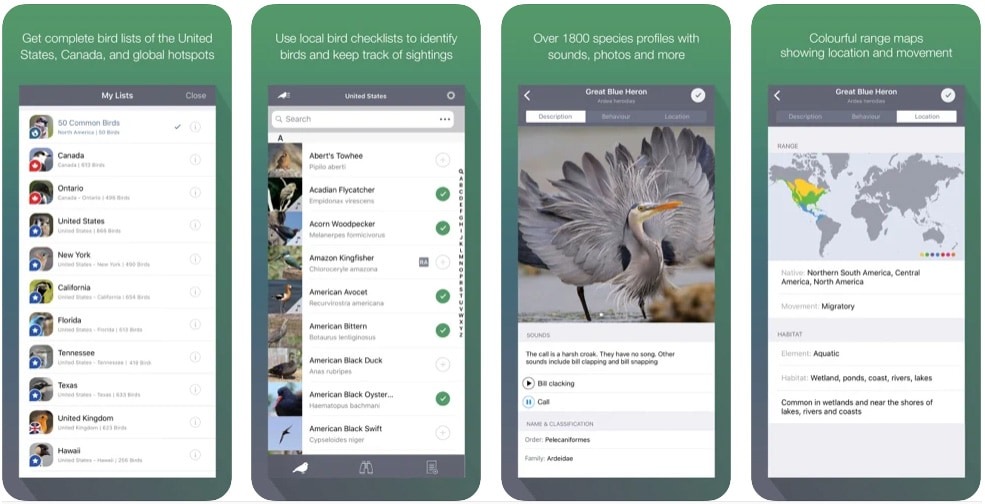
A phone can identify birds, record sightings and handle navigation. Each job has its own offline setup.
| Tool | What it does | Preparation before departure |
|---|---|---|
| Merlin Bird ID | Offers Sound ID, Photo ID and offline field-guide content | Download the Offline Birds packs for your destination to get the field-guide content. Sound ID and Photo ID don’t need that download. |
| eBird Mobile | Provides regional bird lists and records your sightings | Download the regional pack and set up your recording |
| Offline navigation map | Keeps you oriented on the route when reception drops | Save the route and confirm you can open it offline |
Cornell describes Merlin’s Sound ID and Photo ID as available offline, with no bird pack required. Compare every suggestion with what you can see or hear.
eBird has a separate purpose. Its downloadable regional packs put local species lists on your phone without reception. According to Cornell’s eBird Mobile instructions, you can also record checklists while offline.
A birder traveling to another state ran into a different app problem:
My last lifer was added to Merlin back in February. I’ve logged out of and in to Merlin. I’ve force stopped both apps and re opened them. I’ve tried simply dragging down in Merlin to refresh the list. Nothing. This hasn’t been a big deal because I’ve just been birding in my home town and haven’t seen any lifers. But now I’m on vacation in a new state, and I’m seeing lots of lifers. I’d really like to get it fixed!
Merlin’s life list stopped updating. That is a display problem, separate from whether an eBird checklist was submitted.
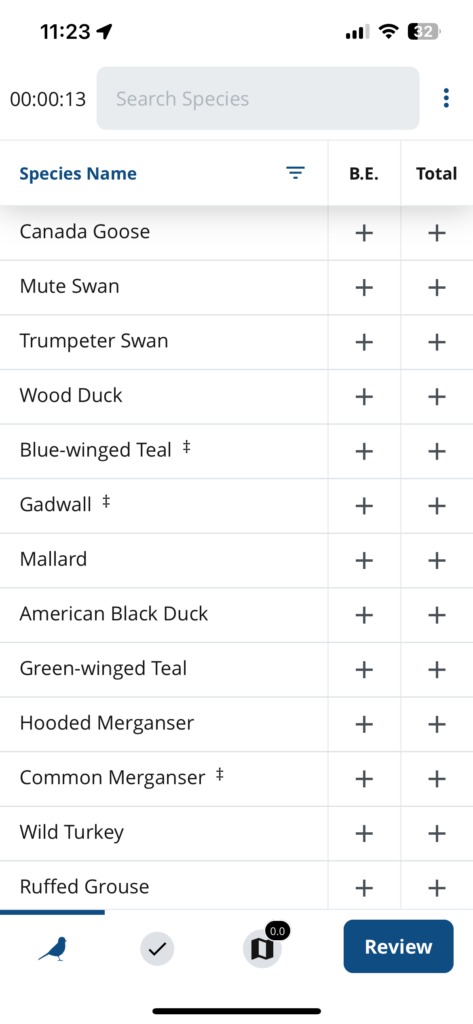
Before you lose service, run a Merlin identification with your destination location so it’s saved offline. Download what you need for the destination, save a route map if reception may be unreliable, and test each function you plan to use with no connection. Charge your phone. On a longer day, bring an external battery if you’ll use apps heavily.
If You’re Joining a Group, Check What the Leader Provides
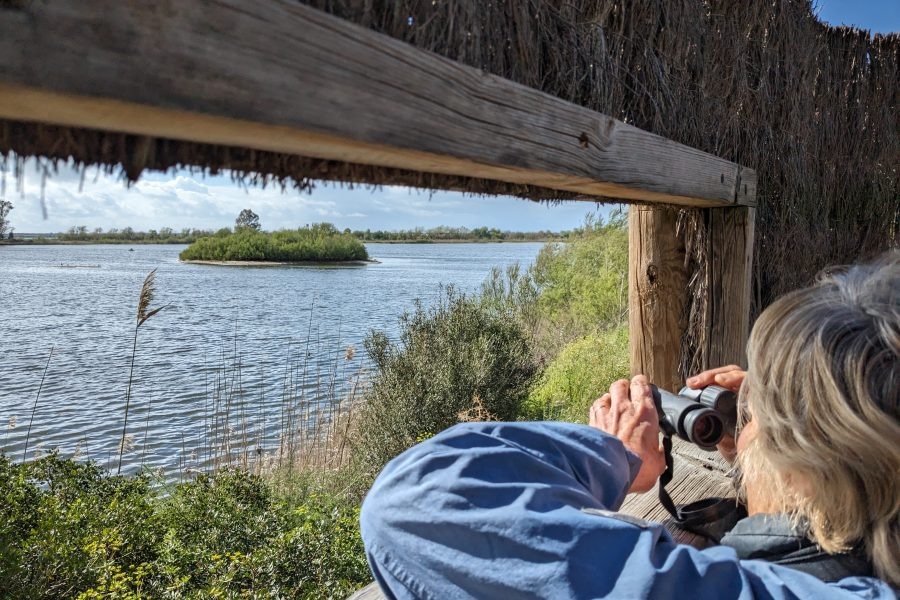
A guided outing may come with shared equipment, so check what the leader provides before you pack everything you own.
One beginner described preparing for a first group outing:
I’m a birding beginner and in a couple of weeks I’ll attend my first birding outing with a group. It’s the end of summer here, it’s a whole day affair walking/birding near the water so I want to be well-prepared.
They planned to bring sun and insect protection, boots for possible mud, and Merlin.
The participant already owned a Canon EOS R50 with its kit lens, and the organizer was to supply binoculars and a field guide.
Before a club outing, confirm the walking distance, meeting point, terrain and expected duration. Ask whether binoculars, a field guide or a shared spotting scope will be available, and whether the outing includes transport, breaks or restroom access.
A loaner can save you a purchase for one event, but availability and quality depend on the organizer. If you own comfortable binoculars, bring them. If you don’t, you can still join and learn with the gear and guidance on hand.
The Evening-Before and Doorstep Readiness Check
Split the final check into what you can fix before leaving and what means changing the plan.
The evening before
- Access and forecast: Read destination notices, confirm opening and parking arrangements, and check the forecast and local alerts for your route.
- Return plan: Decide how and when you’ll get back. On a less-serviced route, follow the National Park Service advice and tell someone your destination and expected return time.
At the door or trailhead
- Ready: Your kit is packed and within reach, and the route is still open and manageable.
- Adjust: Fix a forgotten item or a changed meeting point before you start.
- Change or postpone: The route is closed, the way back is cut off or conditions are unsafe, and you can’t resolve it.
Keep the Outing Safe for Birds and Other People
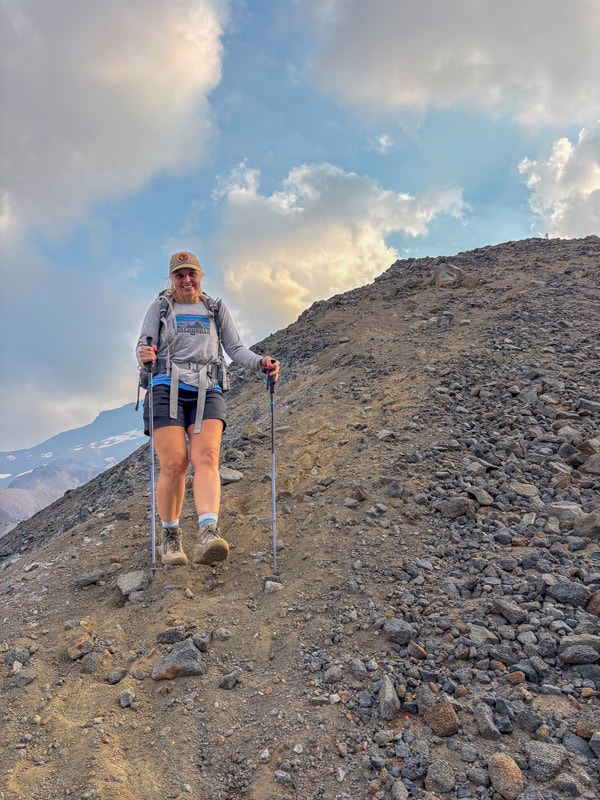
The American Birding Association’s Code of Birding Ethics calls for minimizing disturbance to birds and their habitats, especially around sensitive nesting, roosting and feeding areas. Respect posted boundaries, private property and other trail users, and take your litter with you.
Don’t use playback to draw birds closer for a photograph. Recordings can disturb wildlife and interfere with other observers. A nearby nesting site may also carry restrictions beyond general birding guidance. For nests, approach distance and recorded calls, see ethical birdwatching around sensitive birds.
After the Walk, Save Your Sightings and Reset Your Gear
If you recorded sightings in eBird while offline, finish the job once you have a connection.
- Reconnect: Get back online.
- Review: Open any checklist under Not Submitted, review the sightings and select an accurate location before submission.
- Submit: Send the checklist to eBird.
- Confirm: Check that it appears as submitted in your account.
An offline checklist stays on your phone until you reconnect. It isn’t preserved on eBird.org until you submit it, so losing the device first can mean losing the record. For field notes, uncertain species and eBird checklists, see how to record a bird sighting reliably.
If you walked through grassy, brushy or wooded areas with possible tick exposure, follow the CDC’s after-outdoor recommendations: check your clothing, equipment, pets and body. Dry and put away your equipment, recharge your devices and replace any supplies you used.
For a first outing, see your First Birdwatching Walk: What to Do and Notice.