Watch birds from a spot where they can keep doing what they were doing. If your presence changes their behavior, back away and find a quieter way to look or listen. A bird that freezes or stops feeding is responding to you, even if it stays put. Nests, roosts, and sensitive habitats call for extra restraint, and posted restrictions override your own read of the bird.
When approaching a bird changes its behavior
A bird doesn’t have to fly away to be disturbed. Start by noticing what it’s doing: hunting, feeding, resting, calling, or tending young. Then watch for a change that follows your approach. If it goes motionless as you get closer, it’s freezing under stress. A single glance your way is just scanning.
Audubon’s ethical photography guidance lists signs such as freezing, hunching, a defensive posture, and movements that show a bird is ready to take flight. Give the bird space at the first of these. Don’t wait for a dramatic escape.
| What you see | What it means | Your response |
|---|---|---|
| Feeding or hunting continues | No visible reaction to you | Stay quiet where you are |
| Feeding stops or the bird keeps watching you | You’re interrupting it | Pause and stop advancing |
| Freezing, crouching, or defensive posture | It’s stressed even though it hasn’t flown | Back away quietly |
| The bird repeatedly moves away or flushes as you advance | Your movement is pushing it out of its activity | Withdraw and leave the area open |
If the bird is still tense after you back off, leave the area and don’t come back for another close approach.
In a 2023 qualitative study at Hornøya, Norway, researchers found that some birdwatching tourists read seabirds’ apparent tolerance of people as a sign that the birds were undisturbed.
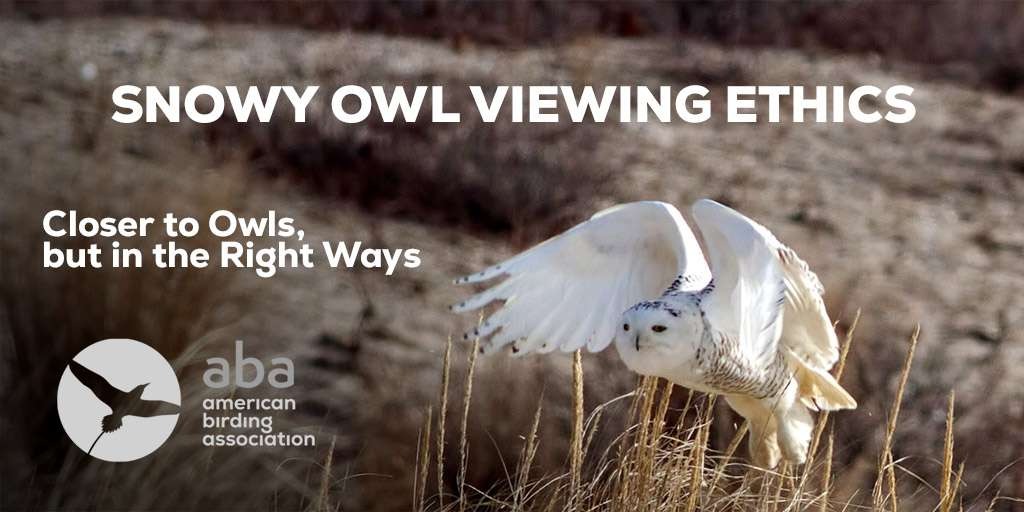
One observer described a photographer chasing a Short-eared Owl across a field for a better shot. The bird settled in a tree, and the photographer approached again.
The issue was that this woman was nonstop chasing the bird from one end of the field to the other to get her shots. Over and over. The bird eventually got tired and sat in a tree, and the woman got super close to get more “amazing shots.” This is a horrible thing, but the reason may not be immediately clear. You see, birds like this short-eared owl have a finite amount of energy. Most of that energy is spent hunting. When a bird wastes its strength being chased away, it’s using up energy it should be using to hunt. It might miss a meal, making it tired and slow—and easier to be picked off by a predator. Or it may not be able to feed its young. Or it just becomes tired and pissed for a day.
The American Birding Association’s Code of Birding Ethics puts bird welfare first and calls for minimizing stress, particularly at sensitive sites.
How close can you get without disturbing birds?
No single distance is safe for every bird, season, and setting.
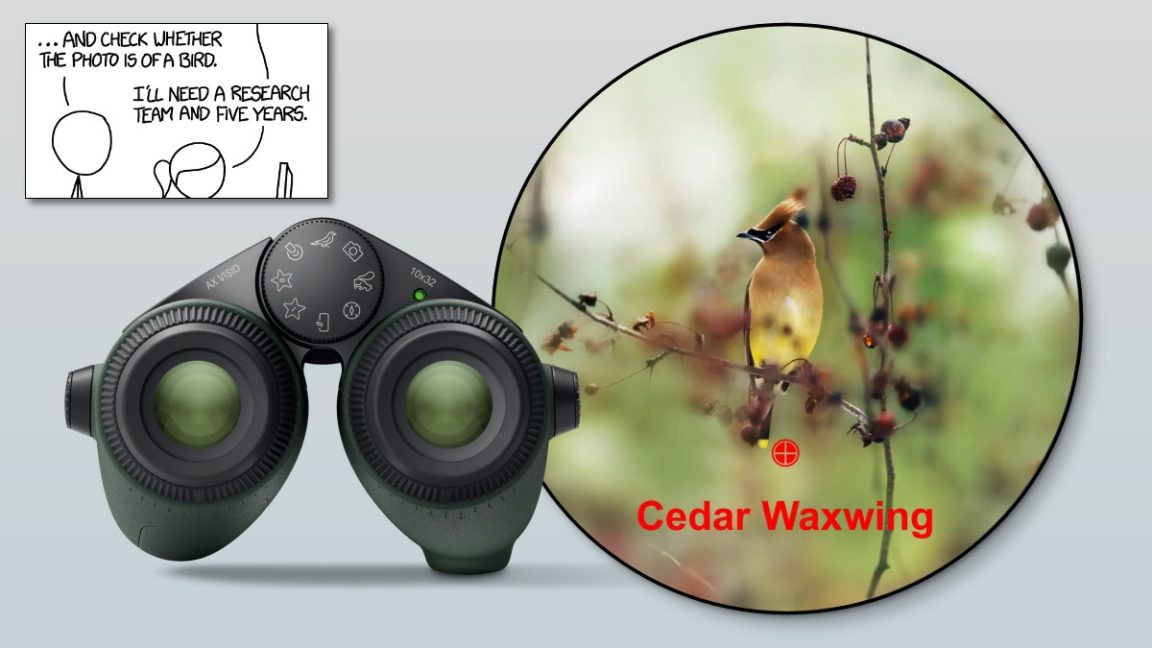
Pick an authorized viewpoint with a clear sightline. Binoculars, a telephoto lens, an established blind, or a patient wait bring useful detail into view and leave the bird room to act naturally. You can watch a hawk hunting across an open meadow from the path without walking into the field.
Think about the bird’s way out as well as your line of sight. If you stand across its route to food, a roost, or an escape opening, you change the encounter even when you stay still.
What if a bird approaches me?Stay still and leave it a clear route away. Don’t touch, feed, or follow it, even though it came to you on its own.
Nests, fledglings, roosts and feeding sites need extra restraint
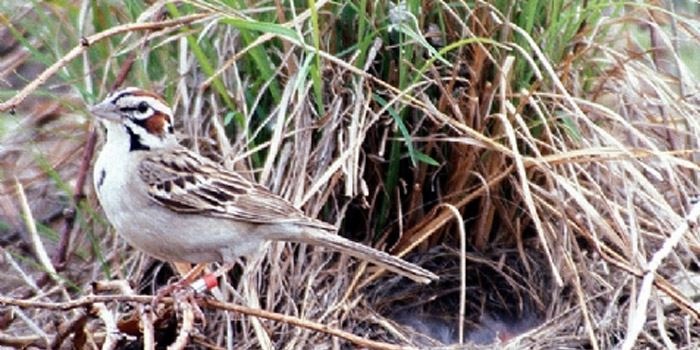
An occupied nest raises the stakes of a close approach. Adults stop feeding, return less readily, and react to a visitor’s repeated movements. Clearing foliage for a photograph also exposes the nest and makes your route obvious. For young birds on the ground, see what to do after finding a baby bird on the ground.
Leave vegetation, eggs, and young alone. Weather, nesting stage, and the risk of drawing predators to the site all raise the cost of even a brief visit. Cornell Lab’s nest-observation guidance covers these factors for careful monitoring. Casual birders have no reason to inspect an active nest.
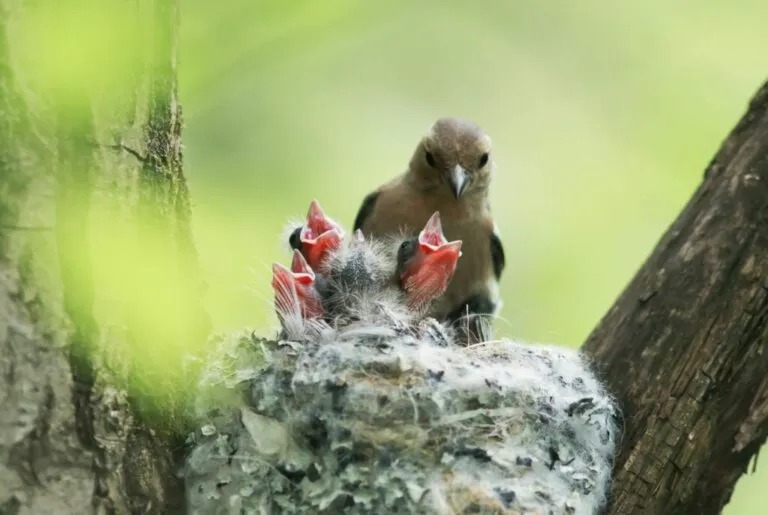
Young birds close to fledging need particular care. Cornell warns that disturbance at this stage can push a chick out of the nest too early. A chick that leaves before it’s ready struggles to return and faces greater risks outside.
The same restraint applies to an occupied roost or a major feeding concentration. Resting birds and feeding groups can’t avoid a stream of people without interrupting what they’re doing.
The ABA offers a code of responsible conduct, and land managers set restrictions for particular locations. The U.S. Fish and Wildlife Service’s bird-nest guidance covers protections under the Migratory Bird Treaty Act. Consequences depend on the species, nest status, activity, and any applicable authorization.
Photographing a nest with chicks in it is where the disturbance happens. Posting the photo after they fledge doesn’t undo that, and a website can have its own rules against it.
A bird that looks injured is a job for qualified local wildlife help. Handling or relocating any bird is a separate care decision outside casual nest observation.
Recorded bird calls, private listening, and pishing
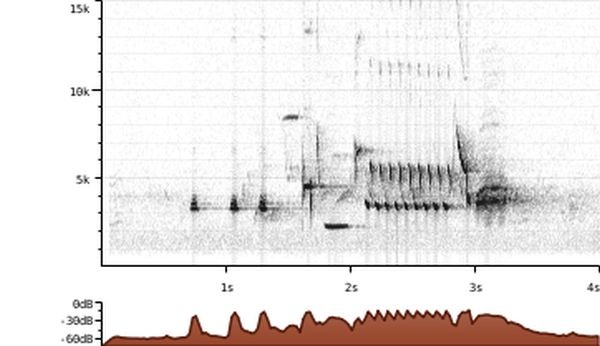
Listening to a bird doesn’t affect it. An identification app can help you compare a sound privately, but playing a recording through a speaker outdoors can draw wild birds in.
Pishing means making repeated soft hissing or squeaking sounds to get birds’ attention. You make the sound yourself, and it’s meant to draw a response. Quiet observation works without either method.
| Situation | What’s happening | What to do |
|---|---|---|
| Passive listening | A wild bird calls naturally | Listen without trying to draw it nearer |
| Private sound comparison | You check an identification example | Keep the sound private and check phone volume |
| Broadcast playback | A speaker plays a call audible to birds | Avoid recreational attempts to lure a response |
| Pishing | A person makes attracting sounds | Skip it at sensitive or crowded sites |
An unexpectedly loud sample from a phone can become field playback even when the original aim was identification.
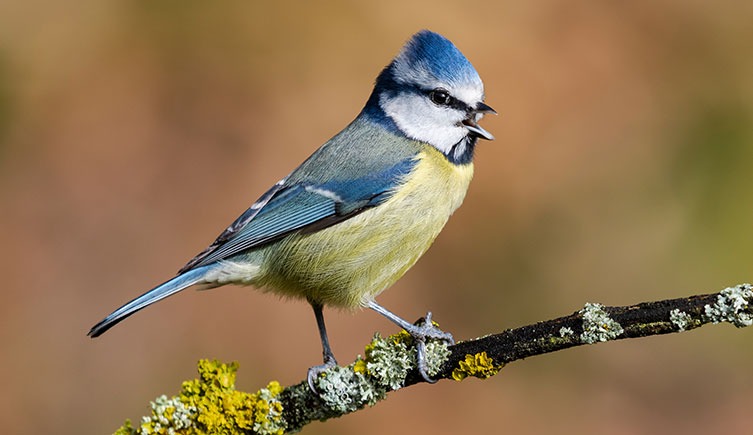
The ABA advises limiting recordings and other attraction methods. Mass Audubon’s birding code advises against broadcasting songs to attract birds. David Sibley’s 2011 discussion says the ethics of playback depend on the situation.
A library worker reported using a House Finch recording to coax a trapped bird out of a suspended ceiling.
Given the vast size of the ceiling space, and the lack of ability to direct it to an open window or doorway, I decided to try and lure it out of the ceiling by playing a recording of house finch babies calling while being fed. I put a short audio clip of juvenile house finches on repeat on my phone and set the phone on a top shelf near the opening we created by shifting a ceiling tile. The trapped bird actually called to the birds on the recording. After about 20-30 minutes I moved the chirping phone to a shelf at floor level. It actually worked! The bird dropped out of the ceiling, and was quickly retrieved by my coworker in a cloth and released just outside the door it likely came in.
For a trapped bird, start with local wildlife help.
Photograph the bird where it is. Don’t make it move.
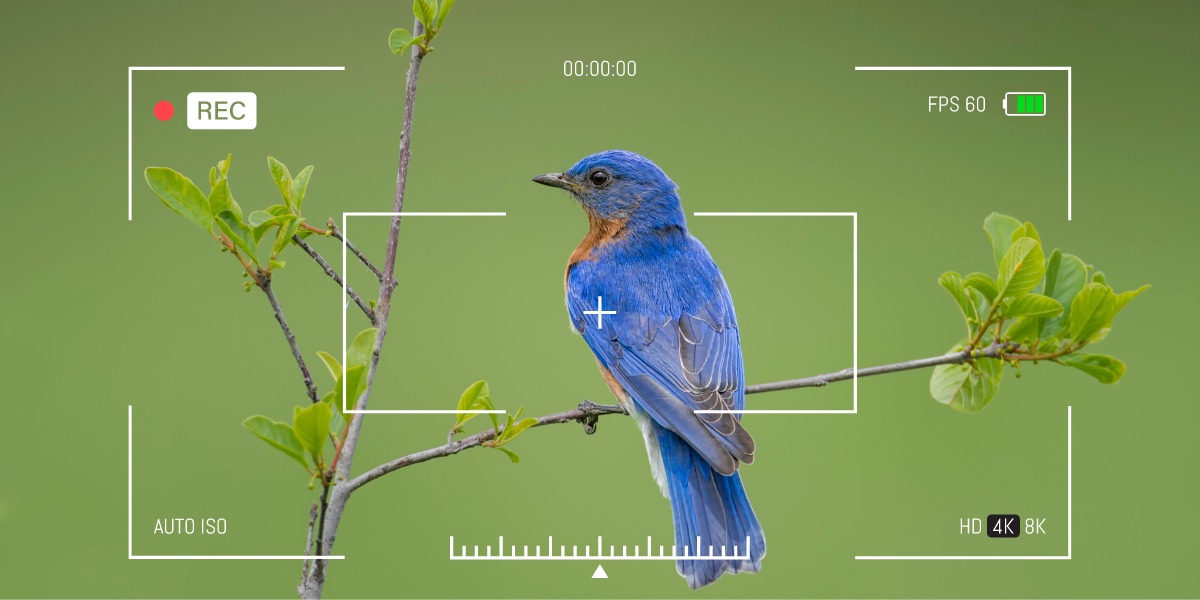
Bird photography becomes intrusive when getting the image means moving the subject. Chasing a bird from perch to perch, having someone flush it toward the camera, or approaching until it leaves a hunting spot all change the behavior you wanted to capture.
The National Audubon Society’s ethical photography guidance sets specific boundaries for common field techniques.
- Pursuit and deliberate flushing: Never make a bird move or take flight just to get an action shot.
- Baiting: Don’t offer prey or other bait to draw predatory birds into a staged photo. Audubon treats a properly maintained bird feeding station differently.
- Drones: Don’t fly recreational drones toward birds or breeding colonies for images. Launching, landing, or flying drones on National Park Service lands generally requires authorization, and rules in other jurisdictions differ.
- Flash: Be especially careful around nocturnal birds at night, including owls and nightjars. Audubon cautions against intrusive flash.
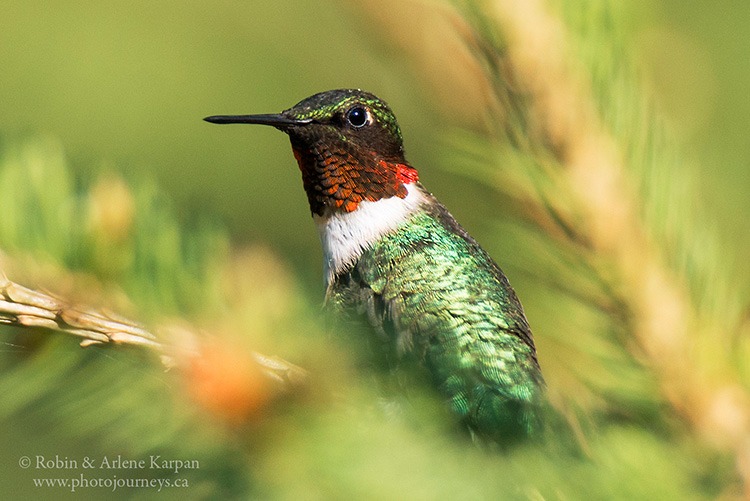
Plan the shot around the bird’s existing movements and your permitted position.
Respect trails, closures, property and other birdwatchers
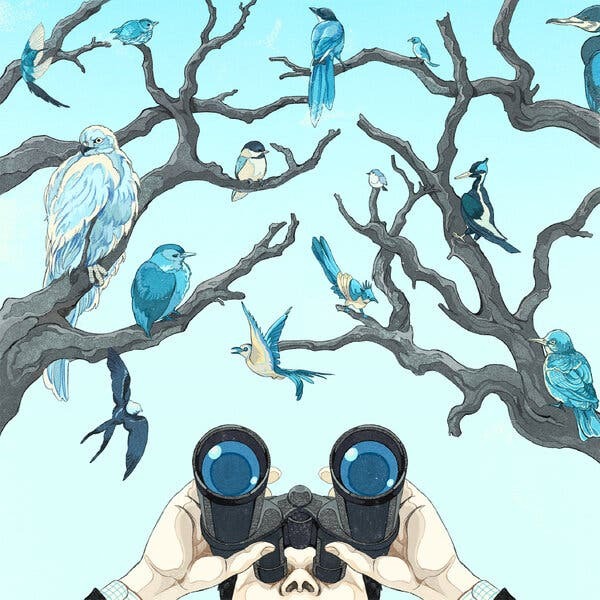
Read the posted restrictions and the land manager’s visitor rules before you leave a boardwalk or lead a group toward a sighting. Those rules override your own read of the bird. Parks and refuges set their own conditions for dogs, groups, distance from wildlife, and stopping points. Cutting through marsh plants damages habitat. Public trail access gives you no permission to enter neighboring private property or ground that’s temporarily closed. Keep paths clear, give other visitors room at established viewpoints, and don’t surround birds with a crowd.
Think before sharing a rare bird’s exact location
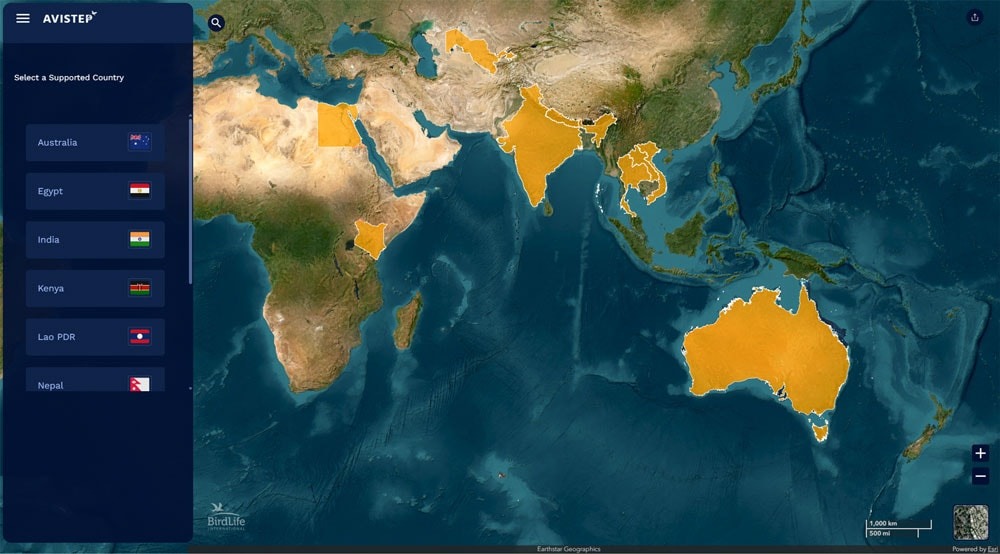
Accurate reporting helps bird records and citizen science. Publicly posting the exact position of a nest, roost, or vulnerable bird can also send crowds to that spot.
eBird designates certain Sensitive Species when public location information could contribute to targeted disturbance, capture, or exploitation. Its automatic visibility protections apply to designated species in relevant regions or seasons. An unusual sighting can fall outside that classification.
| Situation | Visibility or wildlife issue | What to do |
|---|---|---|
| Formally designated Sensitive Species | eBird restricts public display of sensitive observation details | Use the platform’s protections and report accurately |
| Vulnerable site with no automatic designation | Immediate reporting can send visitors to the location | Delay submission; eBird suggests eight days or more to avoid Alerts |
| Checklist hidden manually | The observed species are hidden from public outputs, but the outing’s date and location may still appear in Recent Checklists; hidden sightings cannot be used for scientific analysis while hidden | Restore visibility when the sensitivity has passed |
| Shared photo or video with GPS data | Metadata can reveal exact coordinates | Remove sensitive location information before sharing |
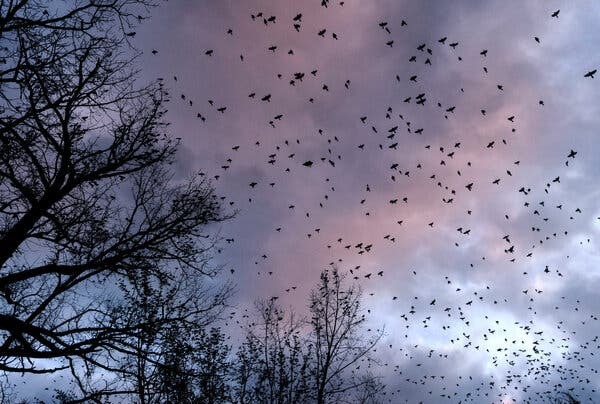
The eBird Sensitive Species guidance describes the reporting choices. You can keep a truthful observation and still limit its public exposure. Never falsify a species or location to protect a site.
What if someone else is disturbing the birds?
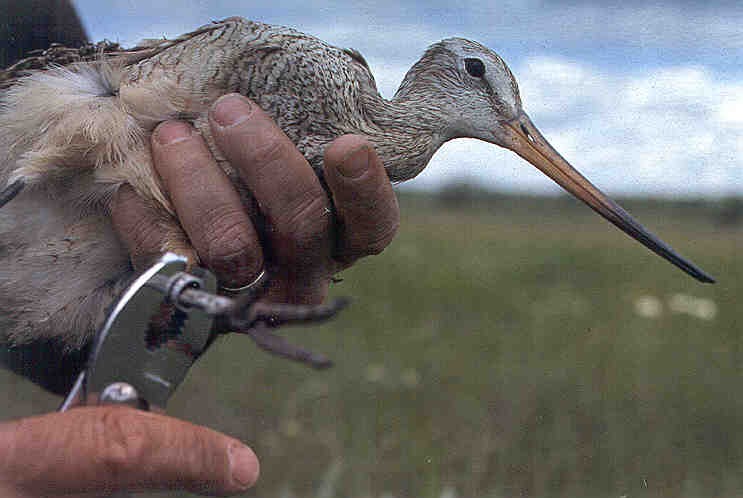
Seeing a person pursue a bird or ignore a closure is unsettling. If you feel safe speaking up, give a brief, polite reminder tied to what you see or to a posted rule. If an owl stops hunting as visitors approach, say, “It looks like we’re interrupting its hunt.” That states the concern and blames no one.
Don’t argue next to the bird. Avoid threats, obstruction, or physical intervention. If a visitor keeps up serious disturbance or ignores a clear restriction, go to a ranger, refuge staff member, land manager, or wildlife authority.
The ABA’s ethics code covers respect for other people as well as wildlife. If you’re the most experienced birder in the group, set the pace and hold back first.