To identify an unfamiliar wild bird in the United States, start with its shape, color pattern, behavior, and habitat. Then narrow the options by location and season and compare the field marks that separate the likely species. If your notes can’t separate them, record the broader bird group or leave the species unidentified.
What to notice before the bird flies away
You might get only a few seconds, or a glimpse through leaves. Use that time to fix what the bird looked like and what it was doing, before you start flipping through pictures.
Start with the overall form. Is the bird small next to one you know? Does it sit upright, stretch along a branch, or stay close to the ground? Size is a handy comparison, though it gets hard to judge at a distance. Then look for whatever stands out: a long tail, a thick bill, a pale eye ring, a contrasting wing mark, an odd way of moving. Any one of these will help you later more than “brown” or “gray” will.
A compact field note follows this order:
- Relative size: Compare the bird with a species you know.
- Shape: Silhouette, posture, bill, wings, and tail.
- Pattern: One or two visible markings and where they appeared.
- Movement: How it perched, flew, walked, or searched for food.
- Context: The setting, location, and date.
A note can be as short as: small bird; thin pointed bill; pale line above eye; moved through branches; wooded park.
That note is an observation. “Warbler” would be an interpretation, and it still needs checking.
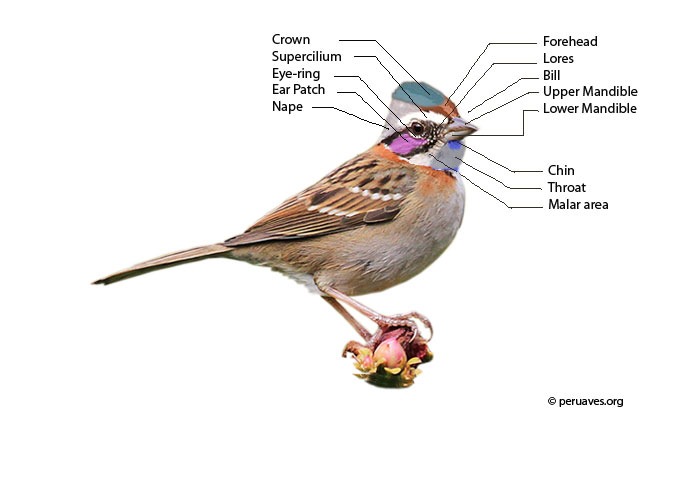
Four terms make notes easier to write. A wing bar is a contrasting mark across the wing, and an eye ring surrounds the eye. The throat is the area beneath the bill; the rump is the lower back just before the tail. You don’t need every anatomical term for your first walk. Start with the marks you can locate and describe.
A photo helps when you have one, but a clear look at the bird’s structure and behavior carries information too.
Use all four clues together
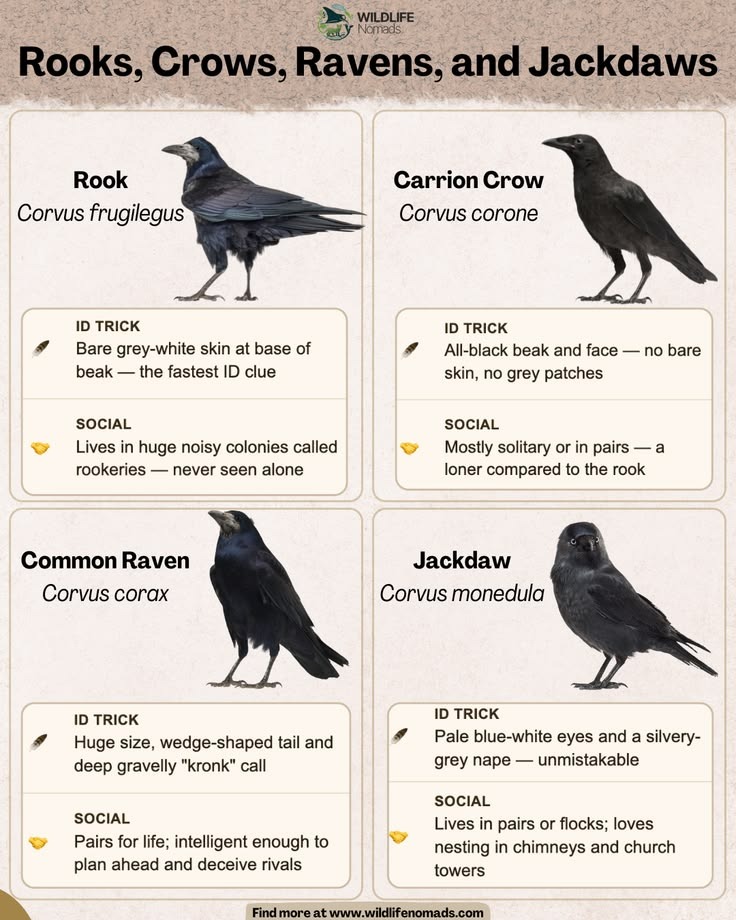
Cornell Lab’s four keys to bird identification are size and shape, color pattern, behavior, and habitat. Together they narrow down the kind of bird in front of you, especially when individual markings are hard to see.
| Clue | What to look for | How it helps | Main limitation |
|---|---|---|---|
| Size and shape | Overall silhouette, bill, tail, wing proportions, posture | Narrows the bird’s likely group and structural type | Distance and viewing angle can distort proportions |
| Color pattern | Position of pale, dark, or contrasting marks | Helps distinguish candidates with similar overall color | Light and plumage variation can change appearance |
| Behavior | Flying, walking, perching, feeding, movement | Adds clues about how the bird uses its surroundings | A single action may be shared by several species |
| Habitat | Trees, open ground, water, marsh, shoreline, urban yard | Makes some candidates more plausible in the observed setting | Species can use multiple habitats |
Picture a bird in dense foliage. You can’t judge its colors, but you see a pointed bill, a short tail, and a bird picking through the branches. That already tells you more than a tentative color name.
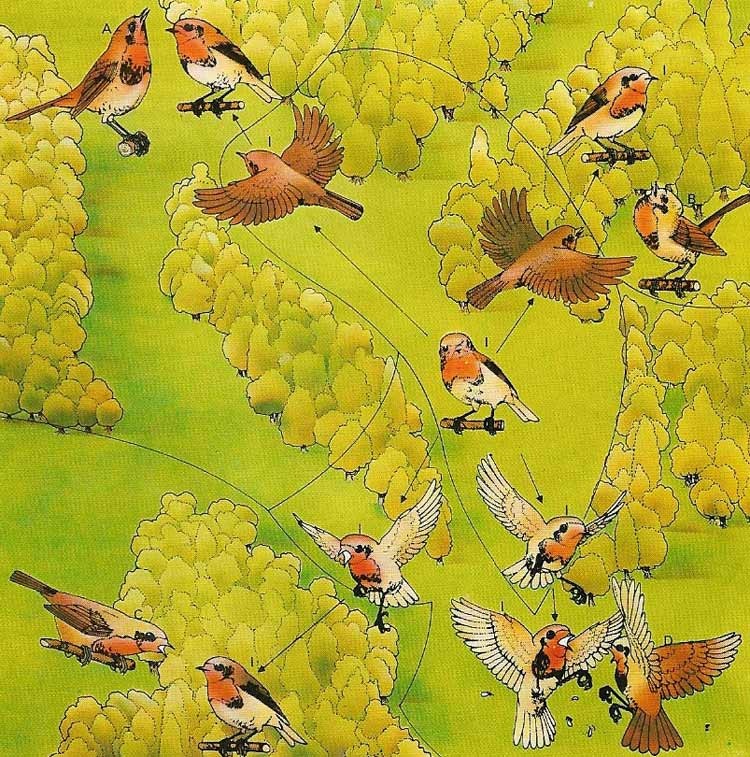
Shape is the best starting point because the outline shows even when details are hidden. Bill proportions, wing shape, and tail form point you to a broad group, and behavior adds how the bird feeds, moves, flies, or uses a perch. Color helps once you can describe a pattern precisely. A pale patch on the wing and a pale throat are different observations, and the location of the mark gives you something to check against a guide.
Let US location, season, and habitat narrow the choices
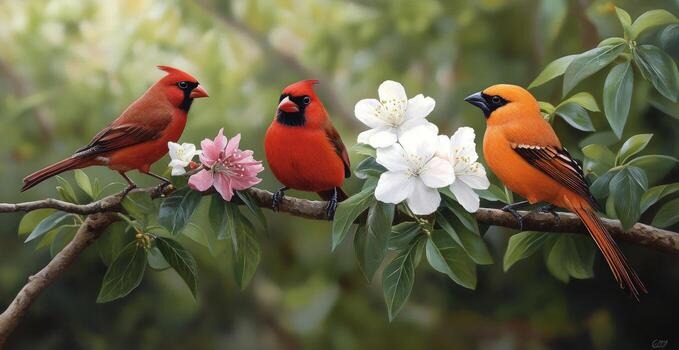
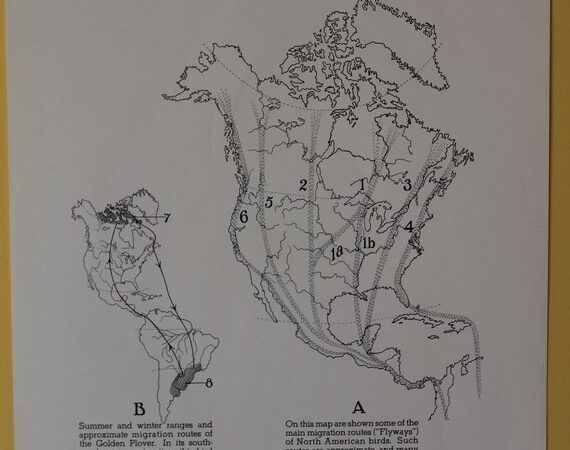
Location, month, and habitat shorten the list of species worth considering. A bird beside a pond gives you a different list from one in dry open country, and your state or region and the time of year narrow it further. Check each plausible species’ range and habitat. Unusual visitors turn up, so a map can’t settle the identification by itself.
Compare lookalikes by what could disprove your first guess
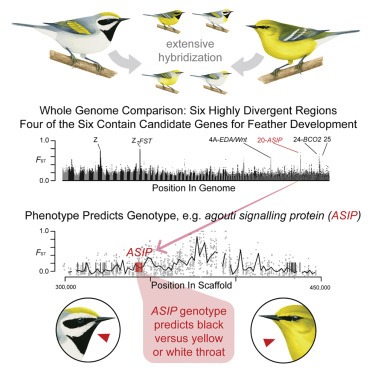
Two birds can share the same color and general shape. What matters is what separates them in the view you had.
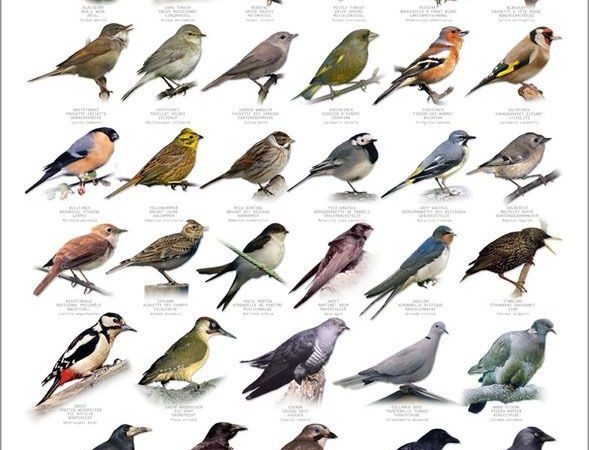
A name feels convincing once you find a photo that resembles the bird, but several species may fit your notes. Compare each one’s identifying features against what you saw, including details that could contradict your first choice. For plumage, range, and song, see the North American bird species profiles.
For each species, pick the features that separate it from the others: bill, tail, posture, wing-mark placement, or flight behavior. Then ask two questions:
- What distinguishing feature would I expect to see if this candidate were correct?
- Did I observe that feature clearly enough to evaluate it?
Unseen and observed absent are different things. If the wing was hidden, a missing wing bar tells you nothing. If your clear view showed a feature that conflicts with a species’ diagnostic mark, that contradiction can change the identification.
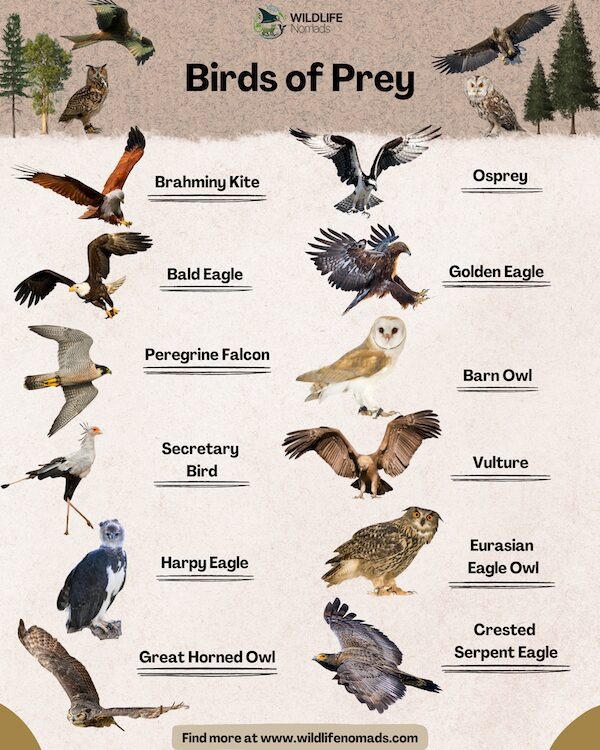
Here is a hypothetical worksheet. The letters stand for possible birds in a field guide, and the characteristics are illustrative criteria, not verified descriptions of particular species.
| Candidate | Expected distinction | What you observed | Assessment |
|---|---|---|---|
| A | A particular wing mark | Wing was hidden behind foliage | Not visible; candidate remains possible |
| B | A long, distinctly shaped tail | Tail was clearly short and differently shaped | Contradicts the candidate if that trait is diagnostic |
| C | A thin, pointed bill | Thin, pointed bill was clearly visible | Supports the candidate but may also fit others |
| D | A contrasting throat pattern | Throat was in deep shadow | Not visible; no decision from this mark |
One real North American lookalike pair makes the test concrete. Cornell’s comparison of Downy and Hairy Woodpeckers describes a Downy Woodpecker’s bill as shorter than its head, while a Hairy Woodpecker’s bill is roughly as long as its head. A clear side view lets you compare those proportions; a hidden bill leaves this particular distinction unresolved.
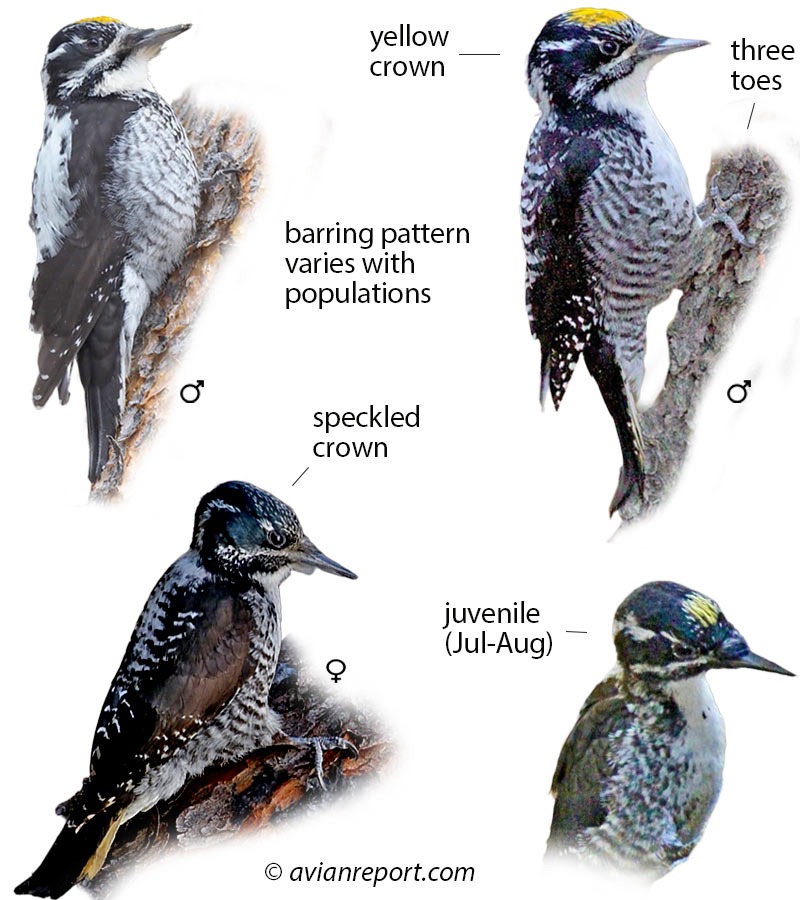
A mismatch is decisive only when you saw the feature clearly and it reliably separates the species. Juvenile birds, seasonal plumage, and awkward viewing angles complicate the comparison. Check wing shape, plumage, and reliable field marks against similar-looking birds: how to tell them apart instead of relying on one clue.
If the view doesn’t settle it, keep two species on your worksheet. Maybe the bill was clear and the tail hidden. Maybe the color pattern fit both birds, but their flight differs and yours never flew. The remaining pair tells you which detail to look for next time. Use reliable reference illustrations and descriptions of both birds, including age and seasonal variation.
When color, lighting, or plumage sends you the wrong way
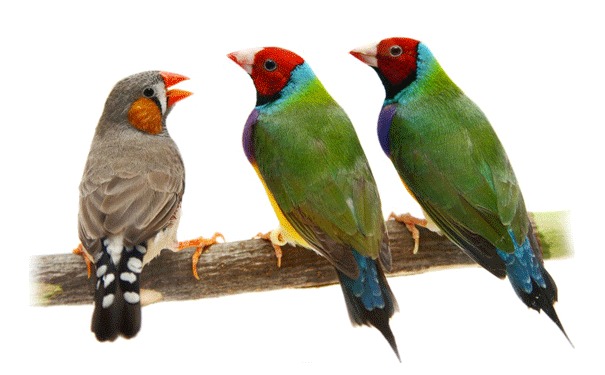
A bird can look quite different from its field-guide picture. Shadow, backlighting, and uneven light change the apparent hue, and plumage varies with age, sex, and molt. A bright area deep inside a tree can look dark, and a subtle boundary between colors can vanish. When the bird moves into better light, the same marks may become easy to see.
A guide’s single photograph shows one plumage. Adult males, females, young birds, and molting birds can all look different, and unusual color variations occur. When a color conflicts with a candidate, check references that show other plumages and compare the bill, tail, posture, and pattern placement.
Use Merlin to suggest candidates, then verify them
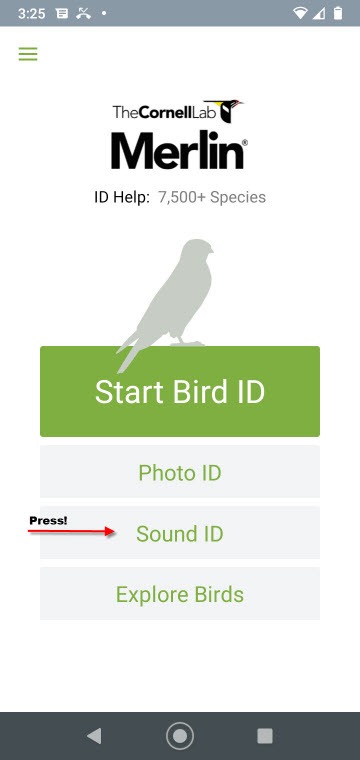
Merlin Bird ID can put names to an unfamiliar bird, especially when you have a photo or recording. Photo ID and Sound ID give you possibilities to investigate; the identification still rests on what you saw or heard.
A photo may show a partly hidden bird, too little detail, or more than one subject. Sound ID struggles when calls overlap or the recording picks up other noise. Sound can support an identification when you recognize a distinctive call and can tell it from similar ones. Some birds stay out of sight even when their calls are clear.
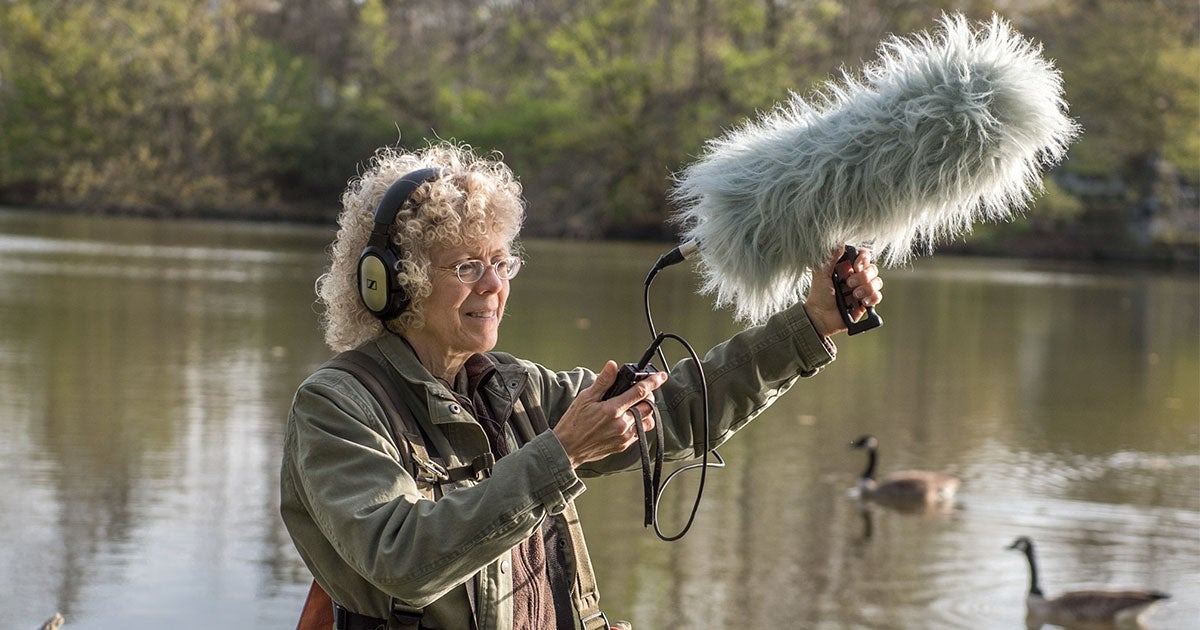
One experienced birder described misleading Sound ID suggestions from a squeaking shoe and a bird singing nearby:
Point 1: Merlin is a great tool for beginners and seasoned birders alike. I’m glad it exists for many reasons. Point 2: Merlin is frequently incorrect. I use Merlin almost daily, and I’m telling you every single time I use it, it makes mistakes. If I didn’t know better, I’d be reporting birds that simply aren’t there on a near daily basis. Example: my shoe squeaked on some wet grass today and Merlin told me I heard a Black-backed woodpecker. I never want to say anything’s impossible, but that’s a pretty impossible bird for my area. Later on, a Brown Thrasher was going off and Merlin “identified” its song as at least 4 different species, repeatedly.
In Merlin Sound ID Best Practices, eBird recommends comparing suggestions with reference sounds, range, habitat, behavior, and season before you report them.
If the bird is gone or you have no usable photo
What you wrote down or clearly remember still narrows the options after the bird has left.
An observation might read: pointed bill, short tail, feeding close to water; head pattern not seen. It can’t name the species, but it is a useful description.
A two-column record keeps seen and inferred details apart:
| Seen or heard during the sighting | Inferred later or unavailable |
|---|---|
| Pointed bill was visible | The bird might belong to a particular family |
| Tail appeared short | Head markings were never observed |
| Bird was feeding near water | A guide photograph suggests a possible species |
| A particular sound was heard clearly | The sound was assumed to belong to the visible bird |
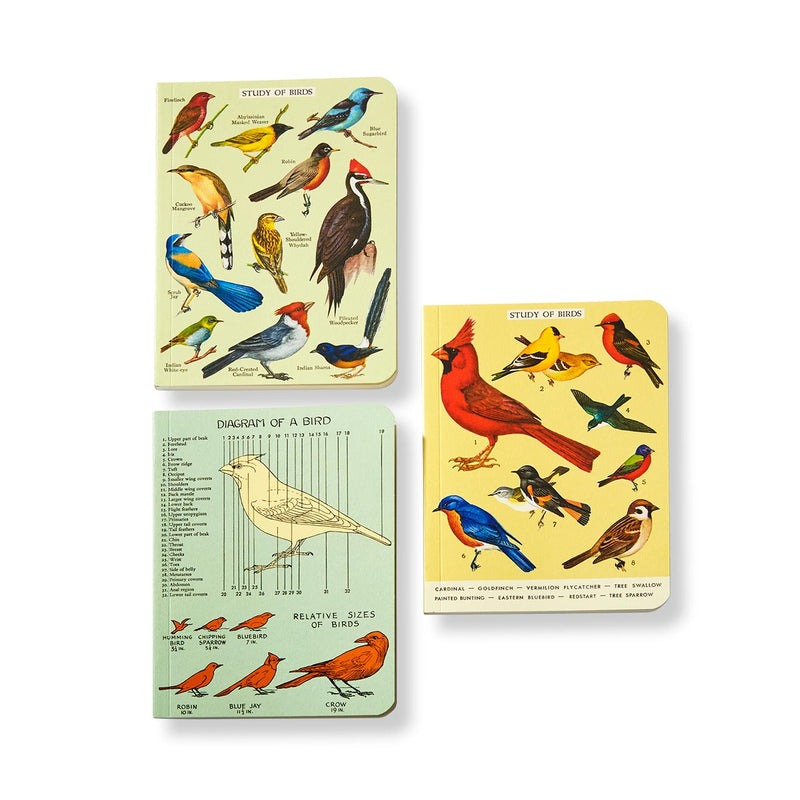
A missing photo doesn’t erase an observation. Binoculars, a recognizable call, and written notes keep useful information. When you reread your notes later, don’t add a wing mark, eye pattern, or sound you never observed. For sighting notes, species uncertainty, and eBird checklists, see how to record a bird sighting reliably before you settle on a firm conclusion.
It’s easy to spot a detail in a field-guide illustration and start remembering it as part of your encounter. The two columns keep recognition and memory apart.
When to stop at “hawk sp.” and how to document an unusual sighting
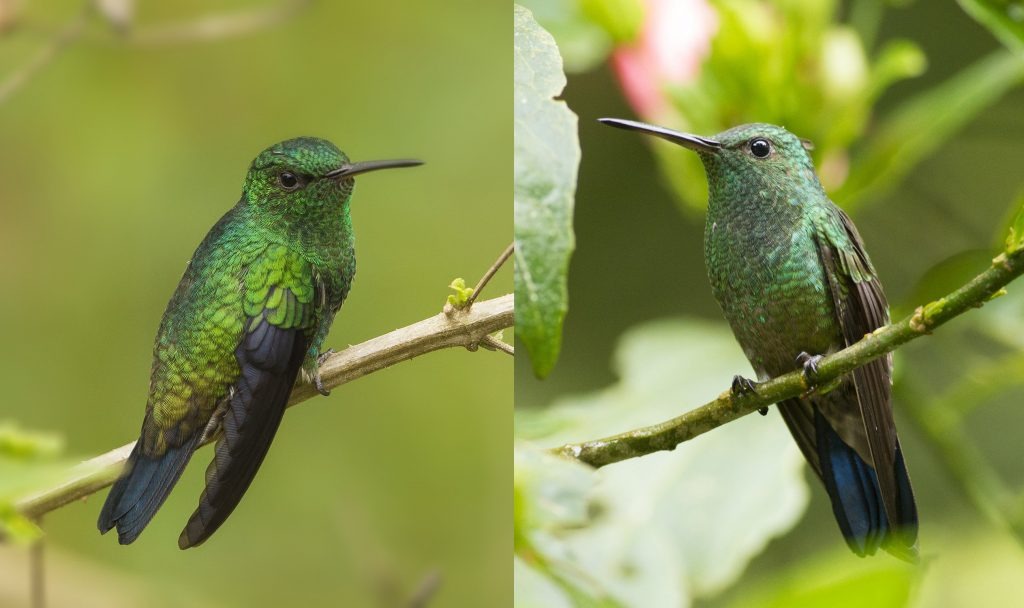
Make an identification as precise as the evidence supports. When you can place a bird in a broader group but not assign it to a species, the group is a legitimate result.
eBird lets you report certain unidentified groups, including hawk sp. for a bird known to be a hawk without enough information for a species-level identification. Its system also includes unresolved choices called spuhs and slashes, as described in eBird’s complete-checklist guidance. The category available depends on which bird group you can identify.
Three outcomes cover the decision:
| What the observation supports | Reasonable identification | Appropriate next action |
|---|---|---|
| Distinguishing evidence supports one species | Species-level identification | Record the species with its supporting observations |
| Enough evidence supports a broader bird group | Group-level identification, such as hawk sp. where applicable | Use the appropriate broader reporting category |
| The evidence cannot reliably establish a group | Unidentified bird or unresolved personal note | Preserve the observation without assigning unsupported precision |
If you confidently recognized a hawk but never saw the marks that separate its species, the group-level option fits.
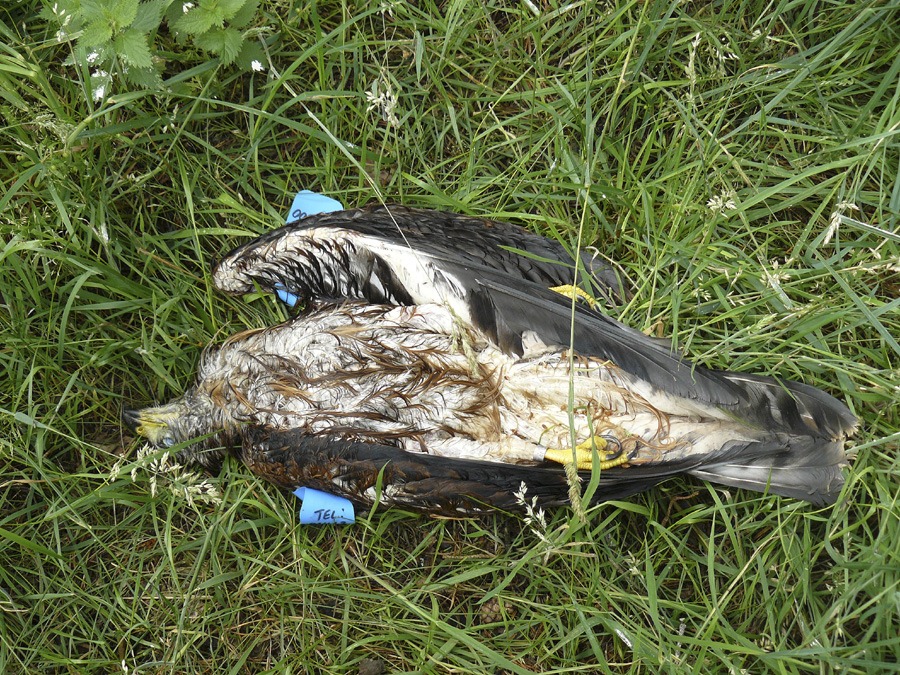
An unusual sighting, especially one outside the expected location or season, needs more detailed documentation. A useful report gives the field marks, date, location, behavior, and comparisons with similar species. Photos or recordings strengthen it.
A beginner described the difficulty of documenting an unusual sighting at a pond on private property:
I love birding but I’m an amateur who does it for fun. A few birders asked me to use ebird. But I’ve run into a problem. Because I’m a beginner I use Merlin a lot to ID birds. My camera is ‘ok’. It’s fine if I’m close enough but my binoculars are better. The problem occurs when I see a rare bird but have no photos to show for it. I feel kinda bad sometimes when my sightings get reported. I got excited to see a Wilson’s snipe at a pond. But The report said I should not have used Merlin ID for it. But the pond is private property. I couldn’t get close enough for a photo. So I just used binoculars and Merlin caught a barely discernible noise. That was really the best I could do.
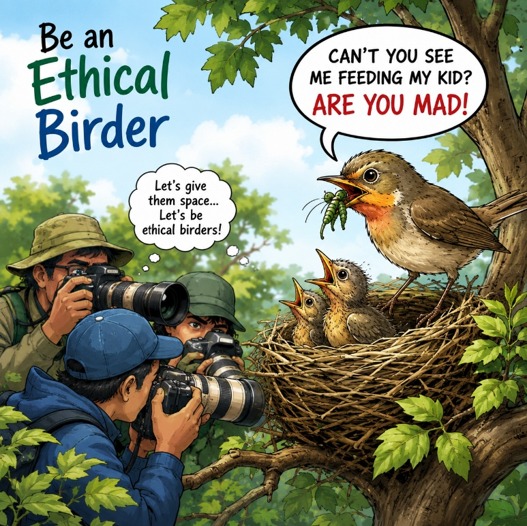
The ABA Code of Birding Ethics covers minimizing disturbance to birds and their habitats. Respect private property, avoid approaching sensitive nests, and don’t use intrusive playback just to get a closer look or another response.
The checks for bill shape, plumage, and habitat appear in the bird-identification methods.