Most birds stay close when it rains. Small landbirds shelter in dense shrubs, against protected tree branches or inside cavities, while waterbirds stay on or near the water. Light showers barely slow them down, but strong wind-driven rain pushes them into cover. If a bird looks injured or won’t respond to you, call a licensed wildlife rehabilitator.
Where Birds Shelter When It Rains
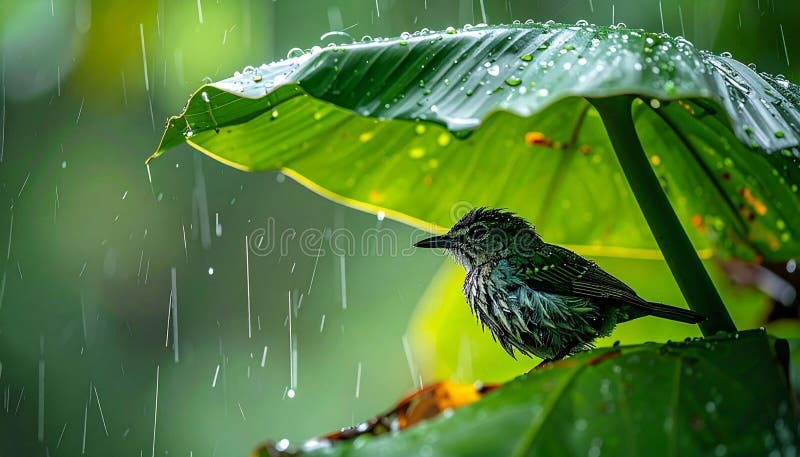
Birds that vanish from exposed branches during a shower are still close by, tucked under dense foliage, next to a tree trunk or inside a cavity.
The Cornell Lab of Ornithology describes cavity shelter and sturdy trunk-side perches as two ways familiar birds wait out a storm.
| Bird group | Likely shelter | What you might notice |
|---|---|---|
| Chickadees, woodpeckers and other cavity-users | Tree cavities or other sheltered roosting spaces | A bird slips into a tree opening and stays out of sight |
| Cardinals, jays, sparrows and other perching birds | Dense foliage or thick branches near trunks | Birds stay low or hidden among branches |
| Ducks, herons and other water-associated birds | Open water, protected shorelines or vegetation, depending on species | Some stay in plain view while others move into cover |
A wooded backyard offers different shelter from an open field or lakeshore, and birds use whatever cover their habitat provides. For more on feeding, flight and roosting in bad weather, see where do birds go when it rains.
Picture a Blue Jay settling near the trunk of a mature tree while a chickadee uses a cavity farther up. A duck on a nearby pond stays in plain view through the same shower.
Before you scan the exposed treetops again, check the trunk side of big branches, dense vegetation and obvious cavities from a safe distance. Leave active nests and occupied cavities alone.
Light Rain, Steady Rain, or a Downpour: What Changes?
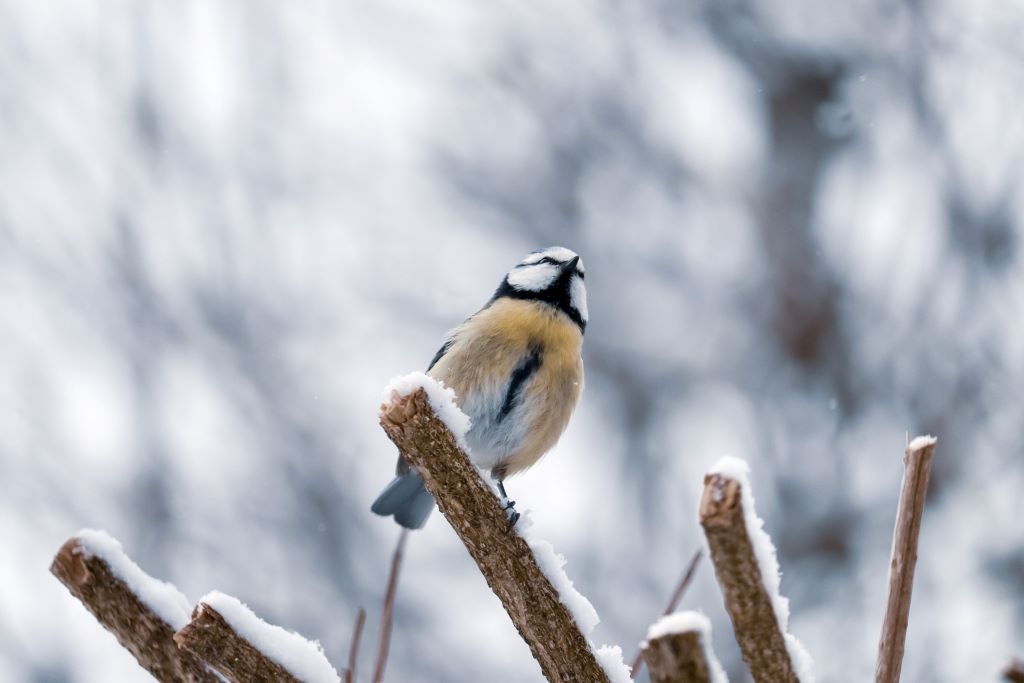
A light shower leaves some birds feeding and moving around much as before. As rain gets heavier and wind drives into exposed branches, protected spots matter more, especially for small landbirds.
| Weather | Perching birds | Cavity-using birds | Ducks and waders | What an observer may see |
|---|---|---|---|---|
| Light rain | Some keep feeding or perching | Activity varies; cavities stay available | Many stay near their usual water habitat | Birds still visible in several places |
| Steady rain | Move more into protected foliage and branches | Some use cavities | Some stay on water; others use protected edges | Fewer exposed perches in use |
| Heavy rain with wind | Sheltered branches and dense cover matter most | Cavities give protection | Some swimmers stay on open water; waders use vegetation or debris for cover | Open areas go quiet |
| Break in the rain | Some resume moving or feeding | Birds come out of shelter | Waterbirds stay visible throughout | Activity is easier to spot |
Wind, temperature, available cover and species all shape the response. In an open yard, even a moderate shower with wind is harder to avoid than steady rain under dense tree cover, so a woodland and a lakeshore look very different in the same weather.
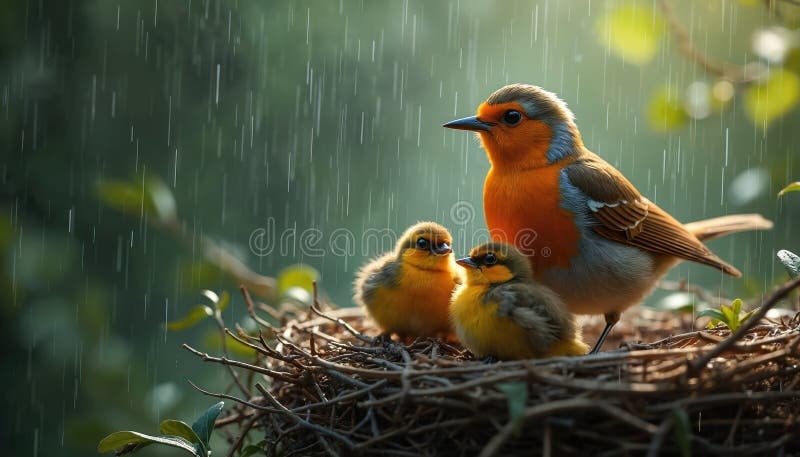
When you watch a familiar yard, note whether the rain is light, steady or wind-driven, then compare movement in the exposed areas with the sheltered edges. That contrast tells you more than the number of birds at the feeder.
How Feathers Keep Birds Drier and Why Some Still Get Cold
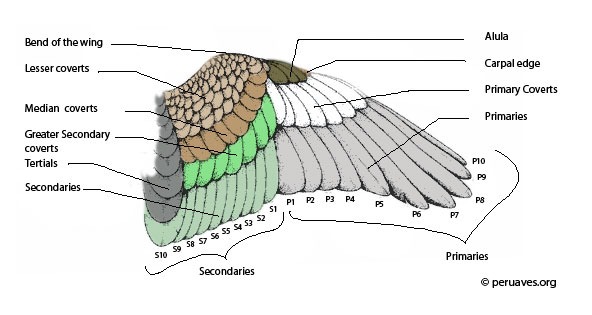
Birds shed water through the fine structure of their feathers.
Overlapping feathers contain fine branches called barbs and barbules, and their arrangement affects how water behaves on the surface. Air trapped in the plumage adds insulation.
That insulating layer matters in cold, prolonged rain. When feathers get soaked and lose some of their insulation, keeping body temperature up takes more effort, and small landbirds are especially prone to losing heat.
In a 2025 study of Cooper’s Hawk feathers, researchers Frank M. S. Muzio and Margaret A. Rubega found that how easily feathers got wet differed by feather type and tracked differences in barbule shape. The Journal of Morphology study abstract reports the findings.
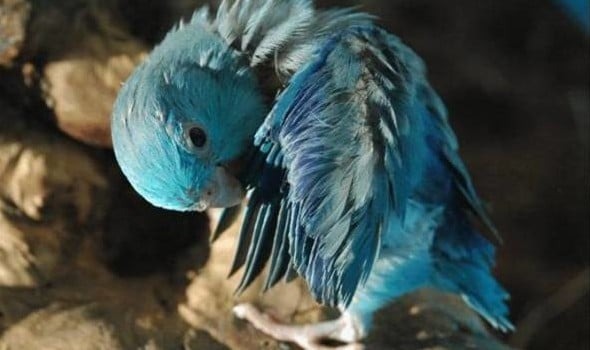
Preening keeps the feather surface in good condition, and secretions from the preen gland help. The structure and arrangement of the feathers themselves are central to how plumage repels water.
Why Some Birds Keep Feeding, Flying, or Bathing in Rain
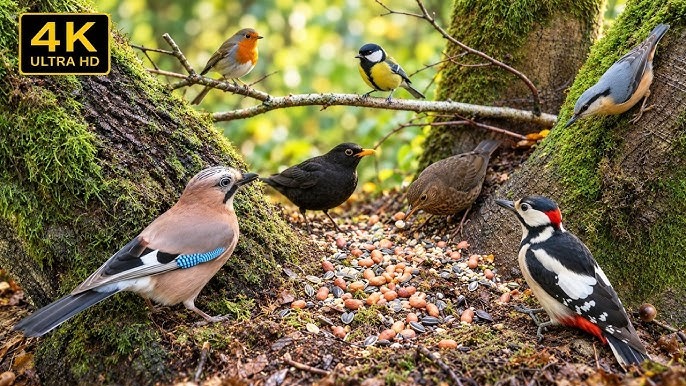
Plenty of birds feed, fly and even bathe in the rain.
In prolonged rain, shelter competes with the need to eat. As foraging gets harder, some birds head out before the rain stops.
Some birds use rainwater to bathe on purpose. Ornithologist Kenn Kaufman has described hummingbirds bathing in water collected on leaves.
Birds can fly in rain but cut back when conditions get rough. Weather, energy cost and the bird’s own ecology all shape that choice.
A 2022 study of GPS-tracked, chick-rearing Magnificent Frigatebirds found that the birds spent more time perching and less time foraging during rainfall. They did not consistently steer clear of rainy locations. These are tropical seabirds, so the result says little about ordinary backyard songbirds.
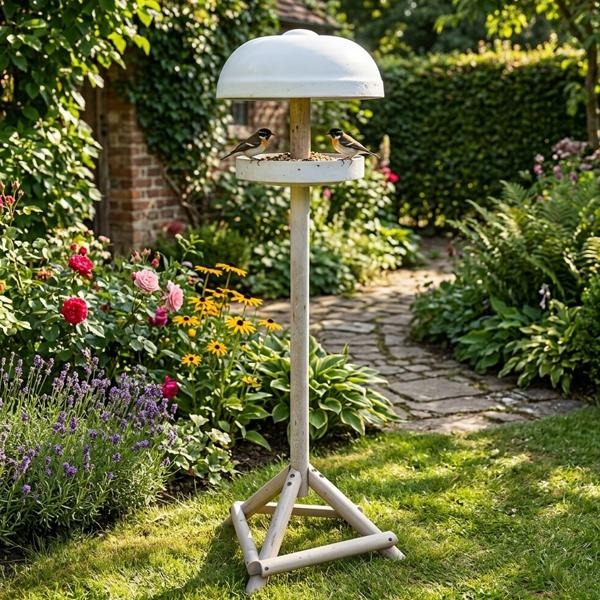
Rain also forces a choice on people who leave seed in exposed backyard feeders:
I have been taking all my feeders down (platform and tube, filled with hulled sunflower seed) every time it starts to rain. Then all the birdies line up around the yard and wait expectantly. I know birdseed can get moldy from the moisture, but would it be safe to let them it a days worth for instance? I feel like I am letting them down and they need extra nutrition during a storm.
Birds keep wanting to feed in the rain. Whether to protect the seed from moisture is up to you as the feeder owner.
Why a Yard Goes Quiet and What to Watch When Rain Lets Up
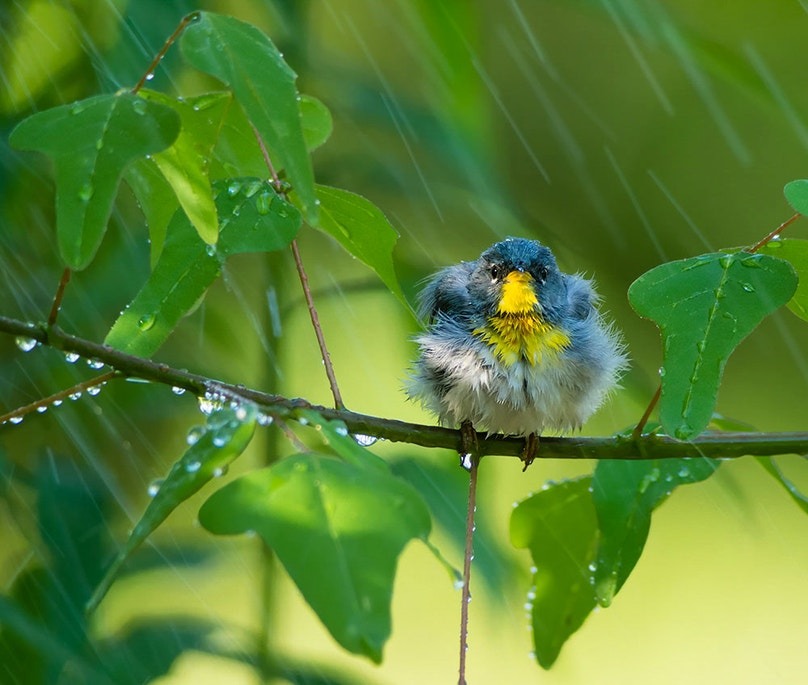
A familiar yard looks empty during rain because sheltered songbirds are harder to see. Audubon’s spring 2026 birding report describes how weather fronts can bring migrants to ground, while ducks and gulls stay conspicuous on open water. During a safe lull, scan shrub margins, protected feeding areas and nearby water from an accessible viewpoint, and record what you see.
When a Soaked Bird May Need Help and When to Leave It Alone
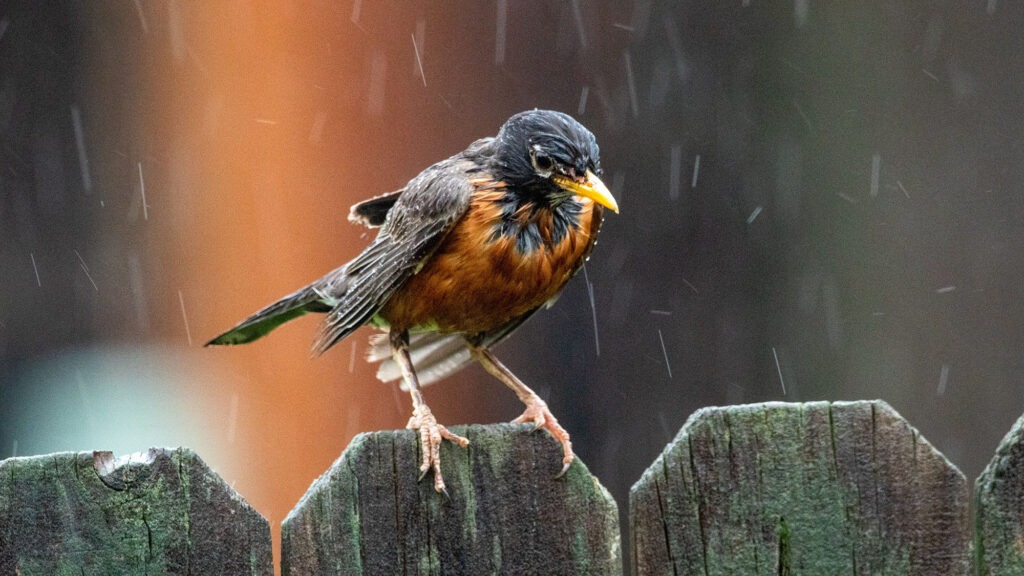
Sitting quietly in rain is normal sheltering behavior, and one clue is not enough to judge a bird. Compare its feeding, flight and roosting against the bird-behavior explanations.
The U.S. Fish and Wildlife Service advises telling healthy young birds apart from animals that need qualified care.
| What you observe | Appropriate response | Important distinction |
|---|---|---|
| An alert bird sitting in shelter or moving normally despite wet feathers | Give it space and watch without disturbing it | Wet feathers don’t mean injury |
| A feathered young bird hopping or fluttering, with no obvious injury or known cat or dog capture | Keep clear and let its parents keep caring for it | A fledgling can be outside the nest normally |
| Bleeding, an apparent broken limb, shivering, unusual unresponsiveness, or known capture or attack by a cat or dog | Call a licensed wildlife rehabilitator | These signs need professional assessment |
A very young nestling with little feather development and limited mobility is a different case from a feathered fledgling. Its developmental stage decides whether it needs help.
One observer wrote after heavy rain:
For context: there has been torrential downpours & flooding in my area. We just walked out to check out the creek & came across this bird, perched, eyes closed, rocking back & forth- my dog went up multiple times to sniff & the bird didn’t move. Should I move him under shelter or help in anyway or leave him be, I am worried he is sick/injured & can’t get to shelter but I also don’t want to cause more damage by interfering. Any advice?
A bird that ignores an approaching animal is more worrying than an alert bird resting in shelter.
Keep pets and children away from a bird that may be stressed or injured. Before you transport it, call a licensed rehabilitator and follow their instructions on containment and warmth. Do not offer food or water unless they tell you to.