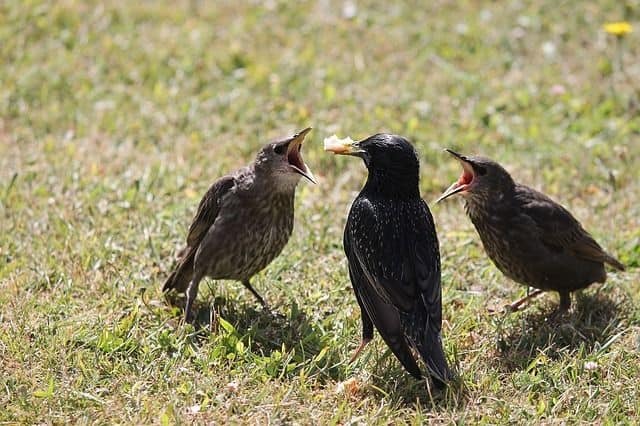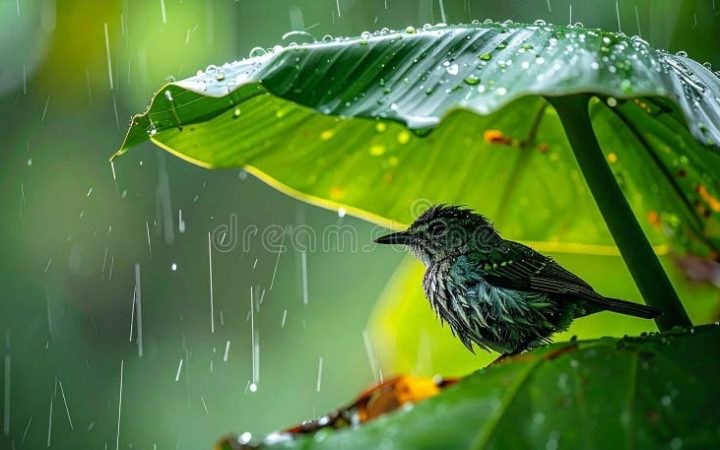
In heavy rain, many small land birds tuck into leafy cover, sheltered branches close to a trunk, or cavities. Ducks often stay on open water, and some birds keep flying through rain. In an ordinary shower, watch quietly from your own shelter. A thunderstorm or a visibly injured bird is a different case, covered below.
Where birds shelter when rain moves in
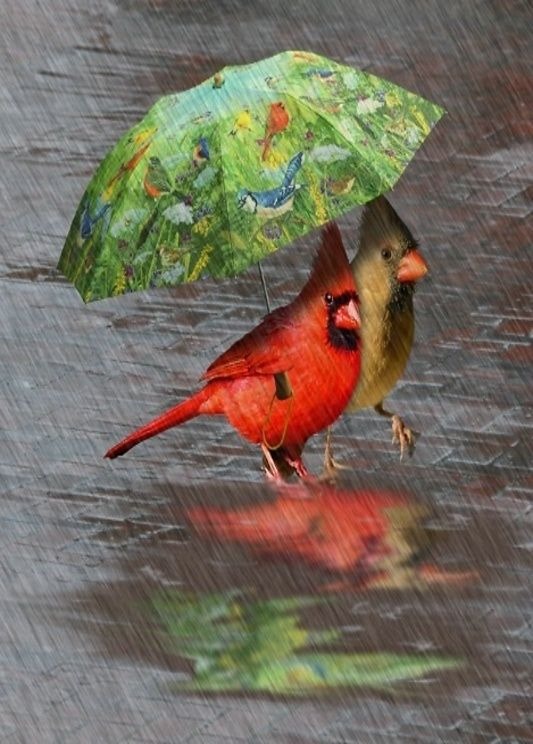
A Northern Cardinal sits in plain view on an open branch one minute, then slips into the leaves and is almost impossible to find. As the rain thickens, it may have moved only a few feet. Leaves and poor light hide it, so it looks gone.
Birds usually shelter close to where they already live. Dense shrubs and evergreens block rain and wind. Jays, sparrows, cardinals and crows perch on thick branches near the trunk, especially on the sheltered side. Cornell Lab of Ornithology describes these positions in its guidance on how small birds handle storms.
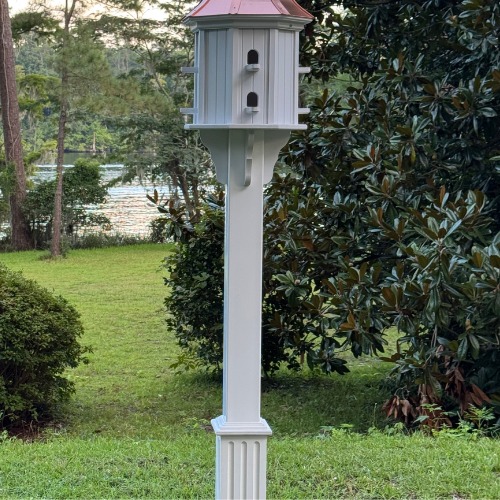
Chickadees, small owls and woodpeckers use tree cavities or roost boxes. A cavity helps even when nobody is nesting in it. For more on feeding, flight and roosting, see where do birds go when it rains.
Match the weather and habitat to where you look
| Weather and what you see | Bird group and habitat | Where it likely went | What to watch next |
|---|---|---|---|
| Wind-driven rain; exposed branches empty | Cardinal, jay or sparrow in a wooded yard | Leafy interior or sturdy branches nearer a trunk | Brief movement along the sheltered side of the tree |
| Hard shower; a small woodland bird disappears | Chickadee or woodpecker around mature trees | Tree cavity or nearby protected foliage | A bird emerging when the rain eases |
| Steady rain; a pond still looks busy | Ducks and other swimming waterbirds | Open water or a less exposed area of the pond | Whether swimming and feeding continue |
| Rain along a marsh or shore | Heron or other wading bird | Vegetated edges or a protected bank | Changes in position along the shoreline |
| Light rain; a small bird keeps moving | Songbird feeding among shrubs | Stays in its feeding habitat | Movement between food and nearby cover |
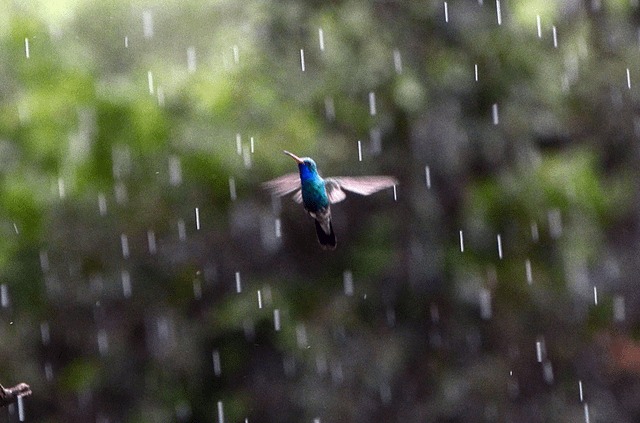
| Rain; a hummingbird remains airborne | Hummingbird near feeding habitat | Keeps flying or uses nearby cover | Whether it pauses or continues foraging |
From a dry spot, scan three places: the thickest shrub, the sheltered side of a substantial trunk, and any visible cavity or covered ledge.
Birds pick different spots in different yards. A covered eave works in one, a hedge in another.
Drizzle, downpour, and long wet spells: what changes
Light rain barely interrupts feeding. Stronger rain and wind make flying and foraging in the open less attractive, so sheltered perches get more use.
A bird that keeps feeding in drizzle has decided the meal is worth being out in the open. When a sudden downpour empties the open branches, birds may still be moving within dense cover. In a long wet spell, hunger can pull them out before the rain stops. Adults feeding young have even more reason to keep searching.
Bedford Audubon describes birds weighing protection against getting enough food. San Diego Bird Alliance adds that birds may feed ahead of severe weather, then use trunks, branches and brush for shelter once it worsens.
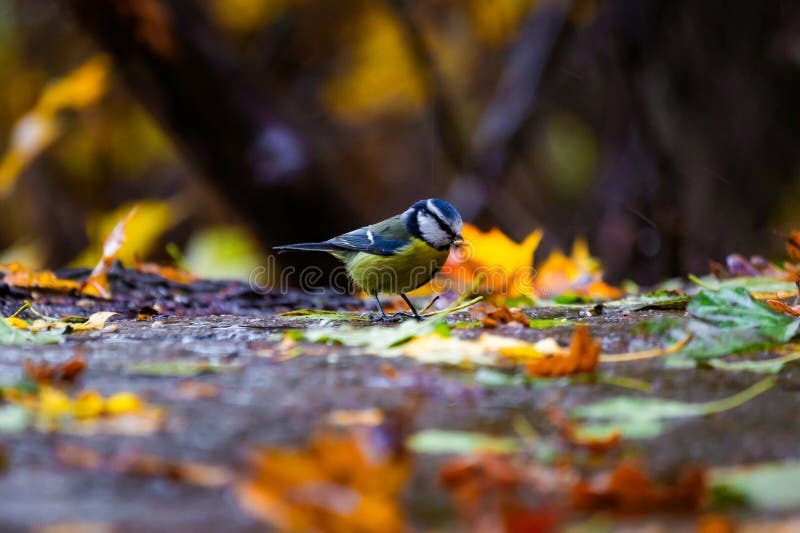
No species-wide rainfall cutoff or fixed maximum shelter time has been established. Wind, food availability and habitat all change how birds respond.
In a thunderstorm, near flooded ground or under lightning, protect yourself first: avoid exposed trees and open water.
How feathers protect birds, and why they sometimes avoid flying
A feather sheds water partly because of its structure. Each vane has branching barbs and smaller barbules that interlock into a light, ordered surface. Preening restores that arrangement and spreads secretions from the preen gland. The oil adds to water repellency on top of the feather’s structure.
Orderly plumage also keeps air and insulation around the body. In long cold, wet spells, losing that insulation costs a lot of energy. A bird resting under cover may be saving energy even though it can still fly.
What five hummingbirds did in laboratory rain
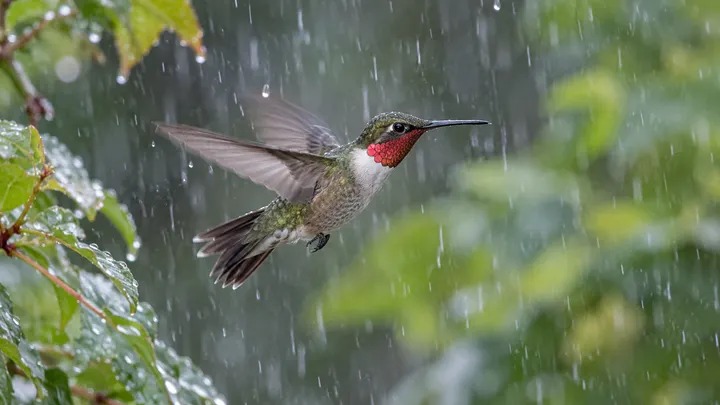
In a 2012 experiment, five male Anna’s Hummingbirds (Calypte anna) kept hovering under artificial rain applied at approximately 270 millimeters per hour. The researchers estimated that the impact energy of this treatment was comparable to natural rainfall of around 24 millimeters per hour.
In moderate rain, wingbeat frequency fell by about 7% compared with no rain. Under the heavy treatment, the birds changed their body and tail posture, beat their wings faster with a smaller stroke, and kept control of their hover.
The original study by Ortega-Jimenez and Dudley estimated that mechanical power rises about 9% with perfect elastic-energy storage, or 57% with none. The authors called zero storage unrealistic and favored the lower figure. These are modeled mechanical-power estimates, not measured calories.
Songbirds, ducks, herons, and hummingbirds do not react alike
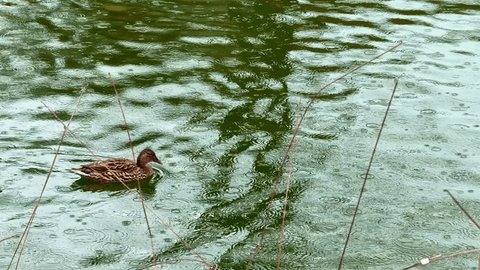
A pond can stay busy when the trees around it look empty. A Mallard already swimming can stay on the water, while a Northern Cardinal works through branches and foliage. The same rain reaches birds with very different movements and food sources.
A Great Blue Heron hunts in shallow water and along shorelines. Reeds, vegetation and protected banks give it cover while keeping it near its food.
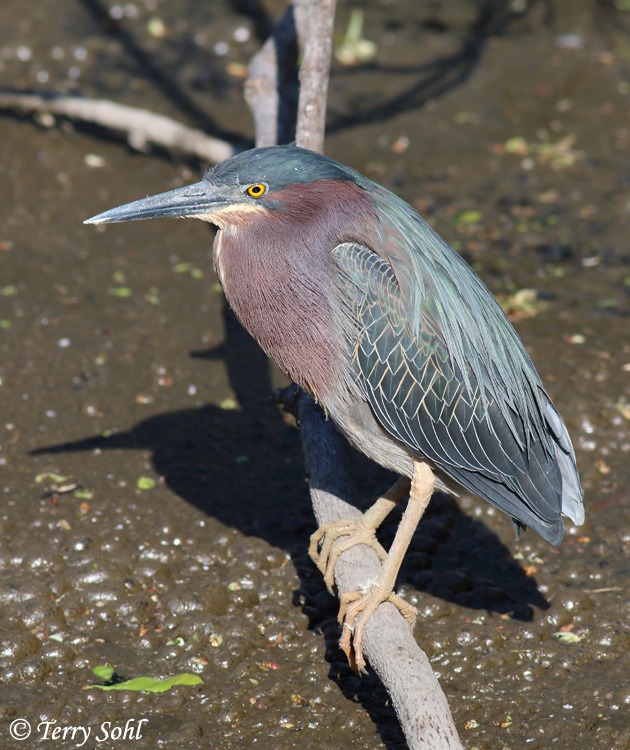
To read a rainy scene, first decide which group the bird belongs to: small perching land bird, cavity user, open-water swimmer, shoreline wader or active aerial forager. Cavity users stay near enclosed cover, and aerial foragers keep moving between food and shelter. Aquatic birds still face exposure when wind and waves get severe.
Where birds reappear after rain, and why a yard may sound quiet

As rain eases, birds return to exposed perches and food from their sheltered edges. Timing depends on food, time of day and disturbance. In a 2022 passive-acoustic monitoring study, three of 41 sampling days had measured or trace precipitation. Fewer calls were detected under rainy or noisy conditions. That could mean birds called less, were harder to detect, or both, so a quiet yard can still hold birds. To check your own yard, stay at one safe viewpoint and compare visible birds and audible calls before, during and after a shower over similar periods, noting rain and wind.
Watching a rain-soaked bird without pushing it into danger
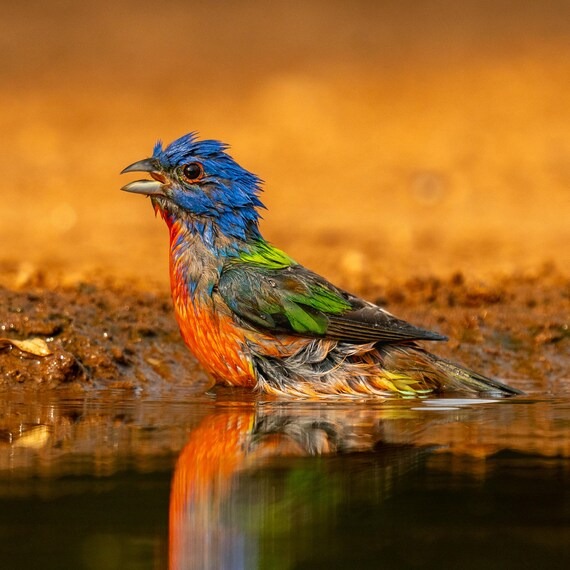
A wet bird sitting very still can look stranded. If it is alert and able to move, it may have chosen that perch on purpose. Walking toward it can startle it into a sudden flight when rain already limits its visibility and maneuvering.
One observer in central Texas described an attempt to guide a bird under an awning during heavy rain:
Hey, we’re having crazy rain here in central Texas and I saw this bird (a robin? I think) just standing in the rain. I couldn’t get a pic of it doing it but just basically head to the sky. We tried to encourage him to get under an awning and he tried to fly away and bumped into a wall 🙁 Honestly my friends and I are very drunk rn but according to our research there’s no reason for birds to do this. Is it ok? Should we try to intervene at all?
Don’t herd an alert bird toward a roof, shake a bush to flush it out, or reach into a shrub where it is sheltering. A head-up posture and wet feathers don’t mean anything is wrong. A bird that can’t stand or doesn’t respond normally is a different case.
If a bird looks injured after a storm, know when to call for help
From a safe distance, check for visible injury or a bird that won’t respond. An alert bird waiting quietly under cover is not the same as one that is bleeding, can’t stand or can’t use a wing.
After torrential rain and flooding, one observer reported a perched bird with closed eyes and little response even as a dog approached:
For context: there has been torrential downpours & flooding in my area. We just walked out to check out the creek & came across this bird, perched, eyes closed, rocking back & forth- my dog went up multiple times to sniff & the bird didn’t move. Should I move him under shelter or help in anyway or leave him be, I am worried he is sick/injured & can’t get to shelter but I also don’t want to cause more damage by interfering. Any advice?
Use observable signs to decide the next step
| What you see | Why it matters | Next step |
|---|---|---|
| Alert bird resting in rain, moving normally when it chooses | It is sheltering for now | Leave it undisturbed |
| Fully feathered young bird hopping on the ground without visible injury | Likely a fledgling still cared for by nearby parents | Keep pets away and let the parents keep caring for it |
| Bleeding, damaged wing, inability to stand or abnormal unresponsiveness | Injury that needs assessment | Contact a licensed wildlife rehabilitator or state wildlife agency |
| Known cat attack or an immediate hazard | Extra danger changes the response | Get wildlife guidance promptly; keep pets away from the bird |
The U.S. Fish and Wildlife Service explains why fully feathered fledglings are usually best left with their parents, and why injured wildlife may need a permitted rehabilitator.
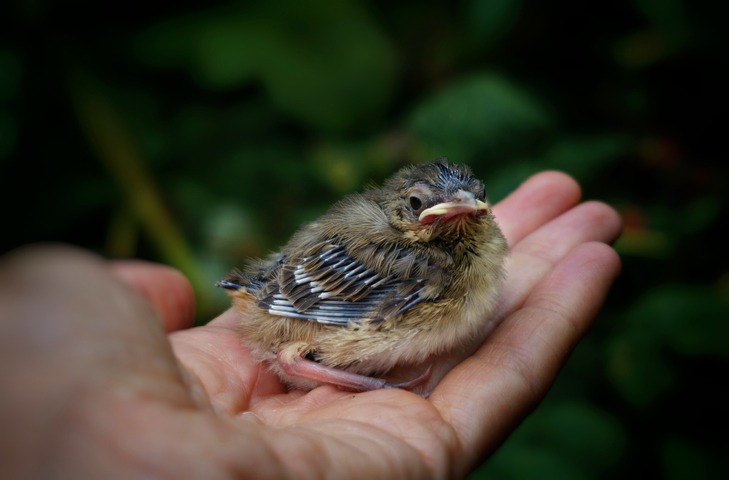
Don’t feed, warm or bring a bird indoors just because its feathers are wet. Wildlife protections and the availability of permitted rehabilitators vary by state.
If you feed backyard birds, keep rain-soaked food from becoming a problem
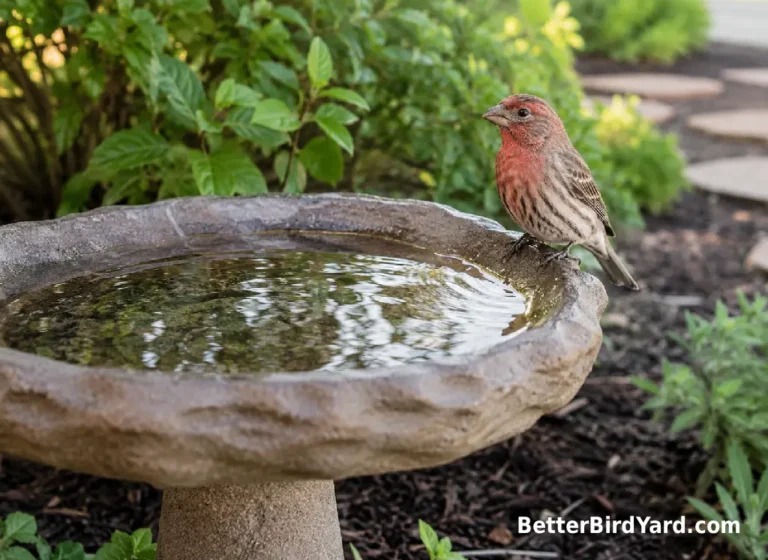
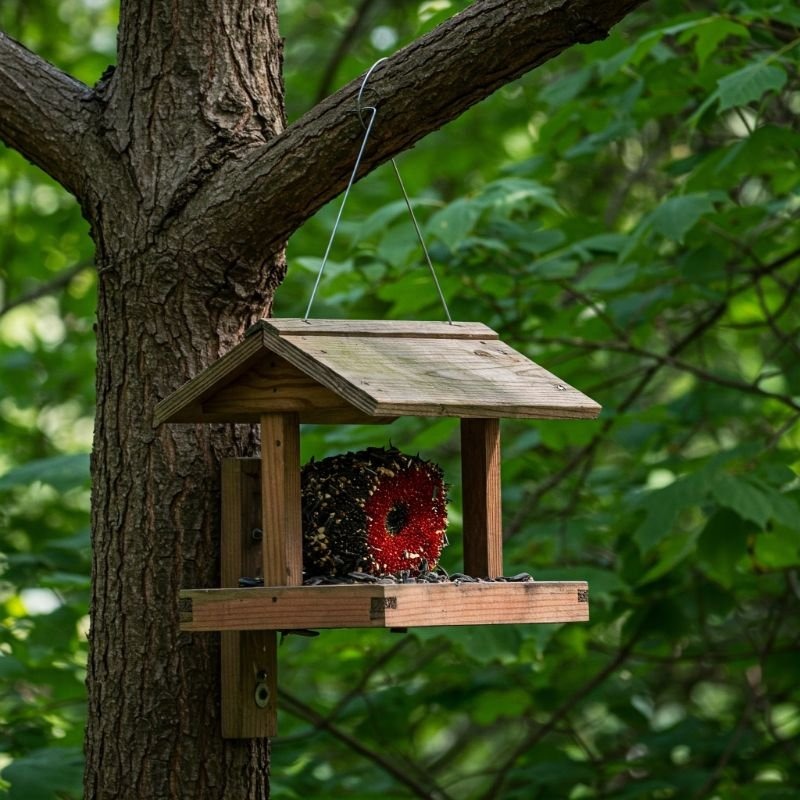
Rain can leave seed damp and clumped in a feeder, especially when wet weather lasts. Spoiled or moldy food means it’s time to clean the feeder.
Cornell Project FeederWatch recommends cleaning seed and suet feeders about every week or two, more often in wet weather or heavy use. Its feeder-cleaning guidance explains the disassembly, washing, rinsing and full drying sequence. Nectar feeders need attention about every couple of days, and more often in warm weather or heavy use.
After extended rain, check the feeder for damp clumps, visible spoilage and blocked drainage. Throw out affected seed and finish cleaning before adding fresh food.
For native plants, shallow water and feeder upkeep, see how to make a backyard more attractive and safer for birds.