Small birds chase hawks to drive them away from a nest, young, food, or territory, to warn other birds, and to spoil the hawk’s hunt. The behavior is called mobbing, and a single bird can do it. Hawks often ignore it, because chasing agile, alert birds costs more energy than it returns.
What Is Mobbing? Can One Small Bird Do It?
Mobbing means a bird repeatedly dives at, calls at, or tails an animal it sees as a threat. One Red-winged Blackbird diving at a Red-tailed Hawk counts, even with no flock around. The Cornell Lab’s explanation of mobbing covers solitary chases as well as groups confronting perched predators. Some chases end in brief contact. Others are nothing but close passes and sharp calls. Look for repeated attention aimed at the hawk. Birds that merely share the same sky are not interacting.
What Are the Birds Trying to Accomplish?
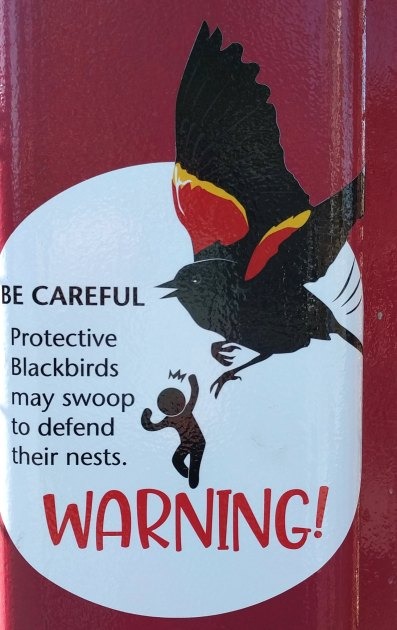
A small bird has several reasons to confront a hawk. The most familiar is defense. A hawk near a nest, eggs, or young provokes repeated dives and alarm calls from an adult, and during the breeding season a Red-winged Blackbird may chase a hawk crossing its territory.
The defended area is often larger than a nest. Birds also guard feeding sites and nonbreeding home ranges, so the same behavior shows up in fall and winter. Cornell describes territorial harassment, individual pursuit, and collective mobbing as three situations a birdwatcher might see.
The Nature Conservancy describes a Northern Mockingbird defending a berry tree in fall.
The noise also costs the hawk its edge. Many attacks depend on surprise, and a bird that shouts the hawk’s position to the neighborhood takes that away and alerts other birds before the hawk gets close.
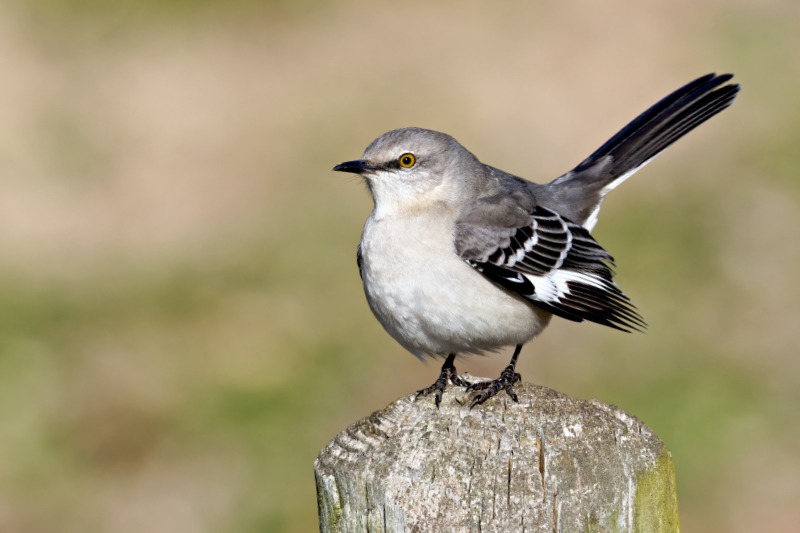
A bird can defend a resource and warn its neighbors in the same dive, so a chase seen without its backstory has more than one explanation.
Why Do Other Birds Join In and What Do the Calls Mean?
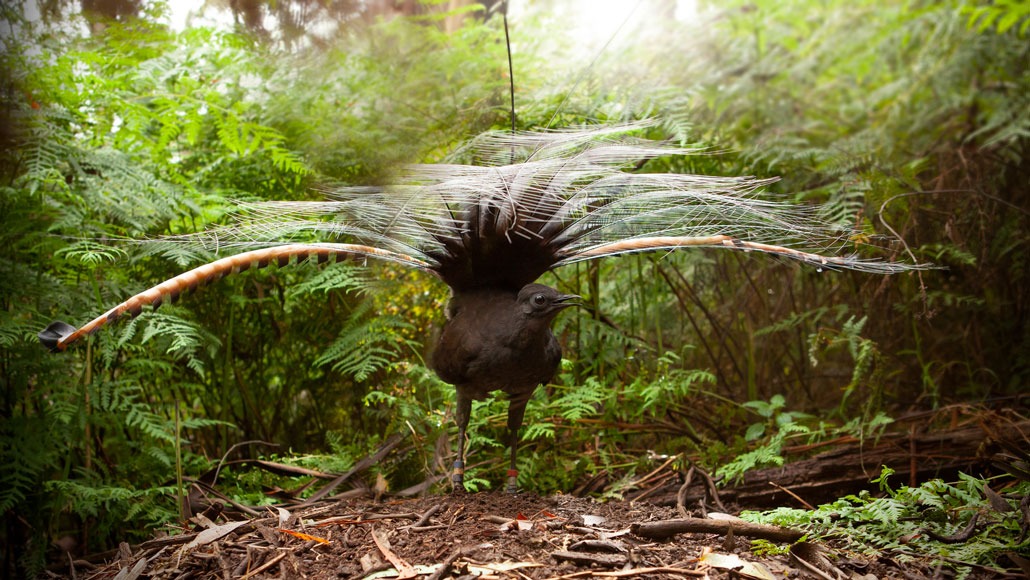
One bird’s alarm calls can turn a confrontation into a noisy gathering. Nearby birds come to the same threat, call from surrounding branches, or follow the hawk when it moves. Several species may join.
A perched raptor makes an easy focus because it stays in one place. Some birds come close. Others call from farther away.
Some mobbing calls carry information about the danger. In a 2005 Science study, Christopher Templeton and colleagues exposed Black-capped Chickadees to 15 species of live predators. The calls changed with predator size, and playback experiments showed that listening chickadees responded to what they heard.
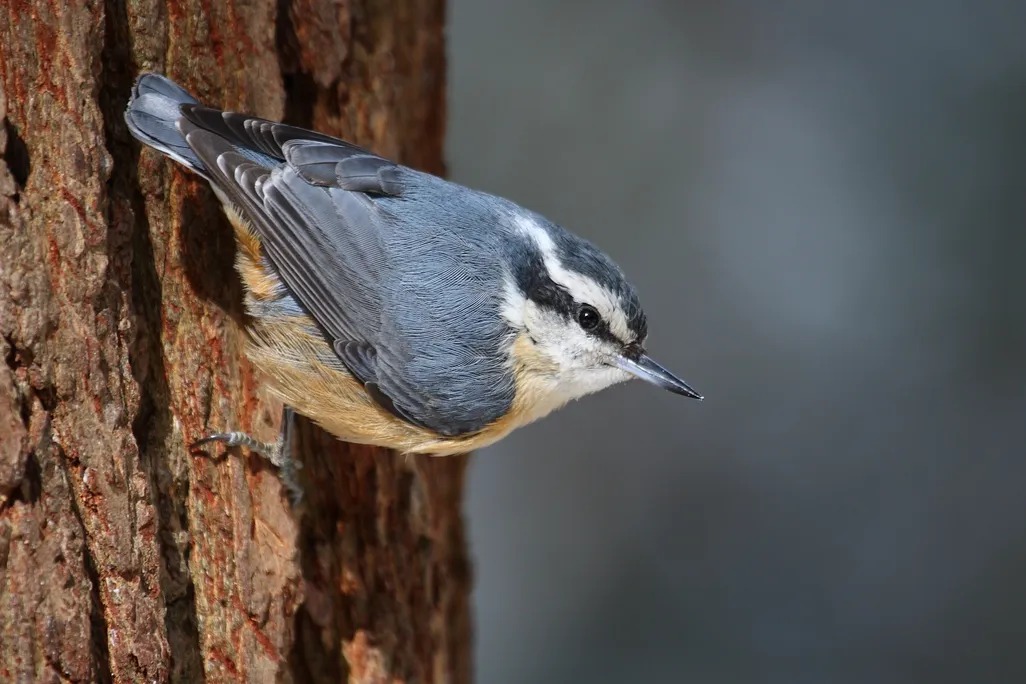
The information crosses species lines too. In a 2007 experiment, Red-breasted Nuthatches picked up threat information from Black-capped Chickadee mobbing calls, so a nuthatch can gain from another species’ warning without ever seeing the predator. In a mixed crowd of jays, blackbirds, and other songbirds, each species may join for its own reasons.
Why Does the Hawk Sometimes Ignore Them?
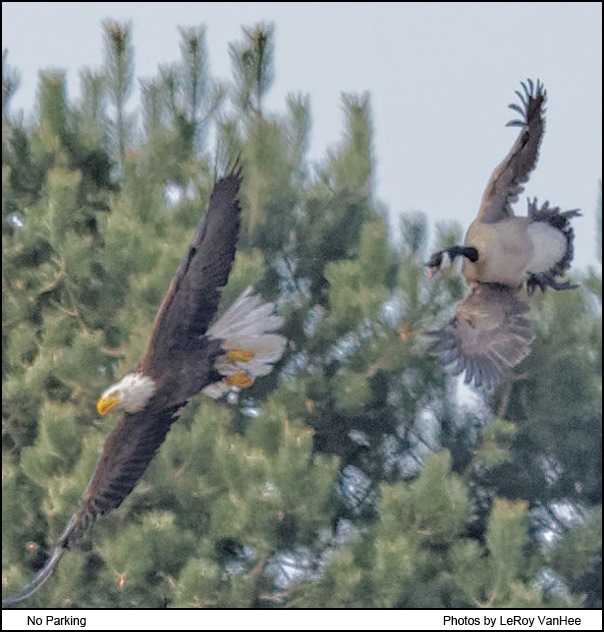
A hawk may sit tight or keep flying while smaller birds harass it, because chasing alert, maneuverable pursuers can cost energy without delivering a meal. Its usual prey and hunting style shape that trade-off. A mobber already knows where the hawk is. It comes in from behind, changes direction abruptly, and keeps just enough distance to stay out of reach. Catching that bird is a different job from ambushing an unsuspecting one. Staying put, or moving to another area, saves the hawk energy.
An observer describing repeated harassment around hawks in rural pastures asked why the birds seemed to receive so little response:
Question. It very much seems the hawks just don’t care. It doesn’t slow them down, cause them to drop their kills, or even appear to make them avoid their daily routines. The hawks also don’t ever seem to retaliate. I have many questions but am really curious from the evolutionary perspective. The small bird behaviour doesn’t seem to benefit them and may even put them at risk. What’s going on?
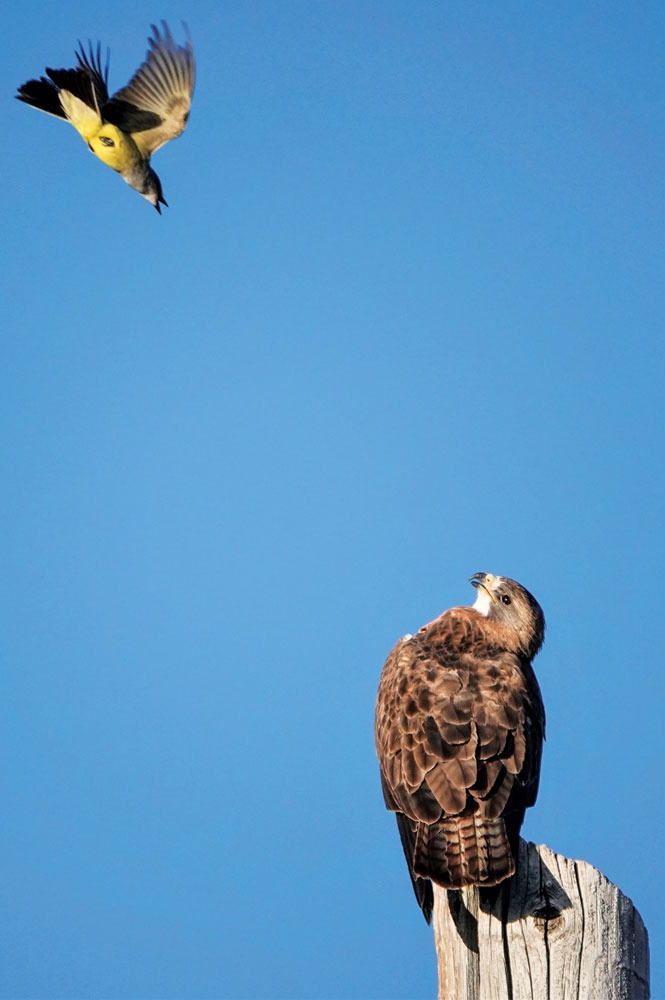
You can see the mobbers’ effort. You can’t see what it costs the hawk. A hawk that holds its perch may have lost its chance to ambush anyone nearby, or it may be crossing the territory regardless.
Do All Small Birds React to Hawks the Same Way?
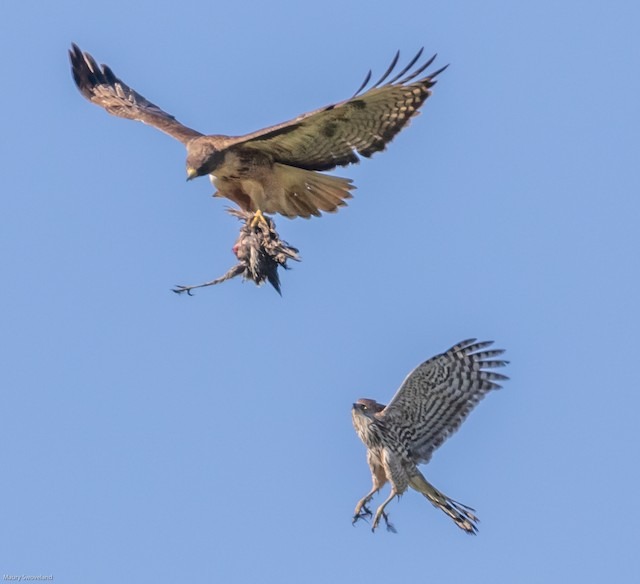
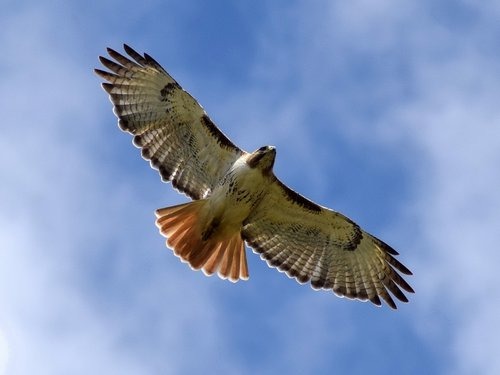
The kind of hawk matters, because different raptors hunt different prey in different ways. A soaring Red-tailed Hawk and an agile Cooper’s Hawk pose different risks to a small bird that comes in close. The checks for plumage, range, and song are in Red-Tailed Hawk identification and field marks.
| Hawk | Hunting or flight context | What changes for a mobber |
|---|---|---|
| Red-tailed Hawk | Often soars and takes small mammals, though it also eats birds | An alert, agile pursuer is hard to catch, but close approaches still carry risk |
| Cooper’s Hawk | Agile bird hunter that can pursue prey through wooded habitats | A mobber that gets close faces a predator built for catching birds |
| Sharp-shinned Hawk | Small raptor specializing in hunting birds, often through cover | Its small size does not make it safe for the birds around it |
Birds also adjust their alarm behavior to the threat in front of them. In 2007 and 2008, Chad Soard and Gary Ritchison studied eight Carolina Chickadee flocks in Madison County, Kentucky, using raptor mounts of different sizes. Alarm-call elements and behavior changed with the threat level. A 2026 systematic review of Paridae, the chickadee and tit family, looked at responses to non-threat, low-threat, and high-threat stimuli. Its findings support graded threat responses in that family.
If wing and tail shape, proportions, and flight behavior don’t pin down a hawk, record it as an unidentified hawk.
Can Mobbing Make a Hawk Leave or Hurt a Bird?
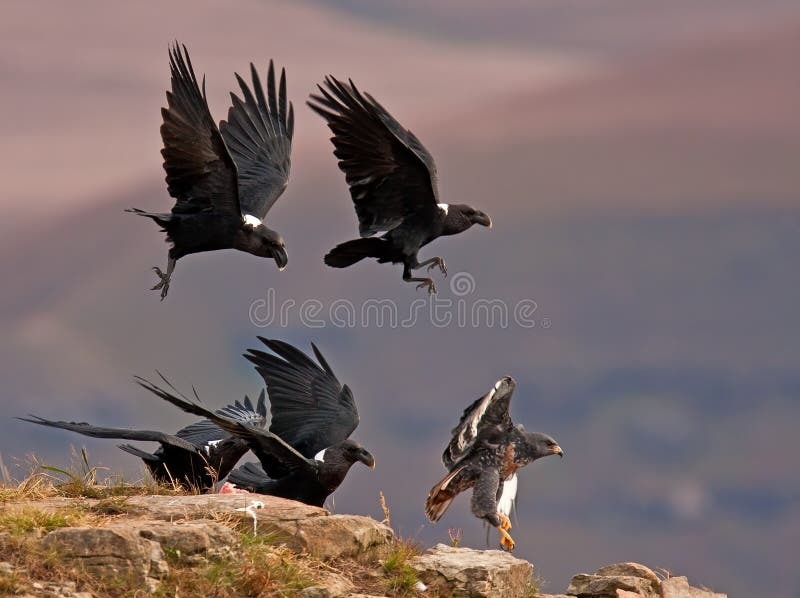
A mob sometimes ends with the hawk flying away. In other encounters the hawk stays on its perch, changes course, or keeps hunting while smaller birds follow. Driving a threat off helps birds defending space or young, and a hawk that stays may still face prey that already knows it is there. Close passes put the smaller birds at risk, and some encounters involve contact. A 2022 review by Nora Carlson and Michael Griesser weighs the costs and benefits of mobbing and points out gaps in what we know about its ecology.
One observer reported a dramatic encounter involving a hawk carrying a rabbit and a mixed group of pursuing birds:
all of a sudden this giant hawk swoops down right on top of the bunny and the poor thing started crying. and THEN the birds got really loud. the hawks takes off, flew right by my porch, followed by a team of grackles. they were sounding the alarm and a team of blue jays, robins, and blackbirds came out of their respective trees and went straight for the hawk. it made the mistake of landing on top of a power pole, those little birds were relentless. so much so that the hawks takes off dropped the bunny and took off, small birds in tow. the sparrows stayed in place the entire time but were definitely sounding alarms as well. nature is amazing to experience.
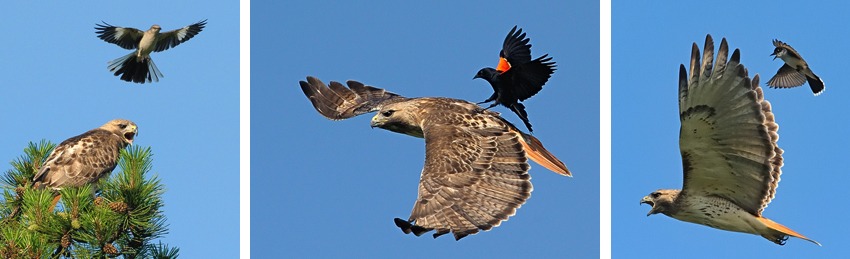
The observer says the hawk dropped the rabbit under pursuit. Whether the mob caused that is unknown.
How to Tell What You Just Witnessed
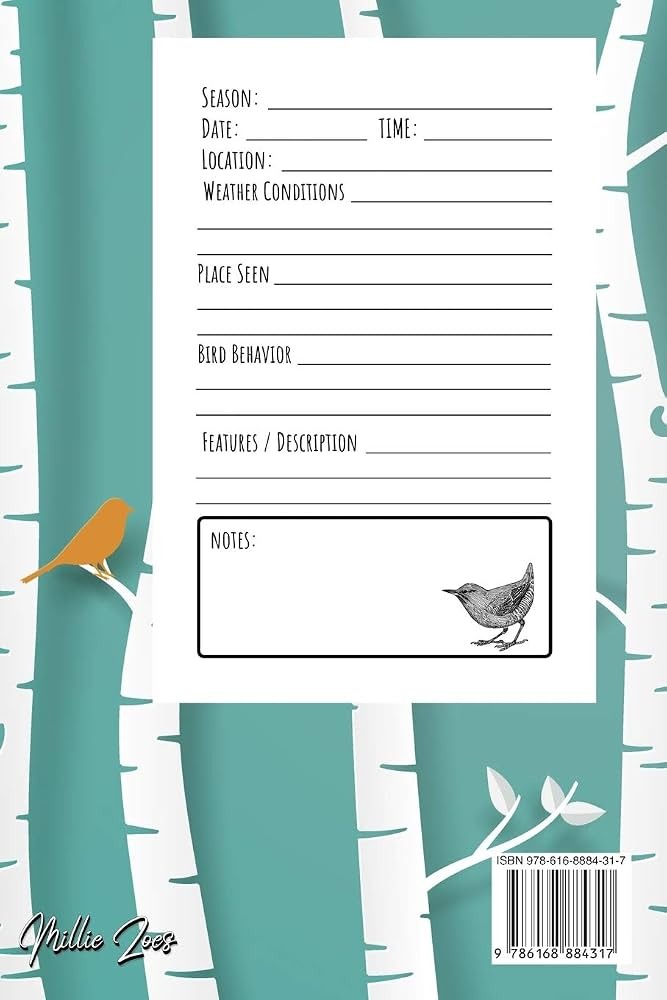
Judge a sighting by five observable clues: what the smaller birds do, who takes part, what the hawk does, the setting, and how it ends. Together they separate a directed confrontation from two birds flying the same route. For feeding, flight, and roosting, read the bird-behavior explanations before you settle on a conclusion.
| What you can see | What it suggests |
|---|---|
| One bird repeatedly swoops at a hawk | Solitary mobbing or territorial defense. A nest may or may not be nearby. |
| Several species call and approach one raptor | A shared reaction to a threat, with alarm calls drawing others in. Each bird may have its own motive. |
| A hawk remains perched under harassment | The hawk sits through the encounter. Its wider hunting chances may still have suffered. |
| A hawk changes direction or leaves | The hawk moved during the interaction. Mobbing may not be the cause. |
| A nest, young birds, or a food source is visible | Defense of that resource, though other birds may join for other reasons. |
Species, habitat, and season change how you read each row.
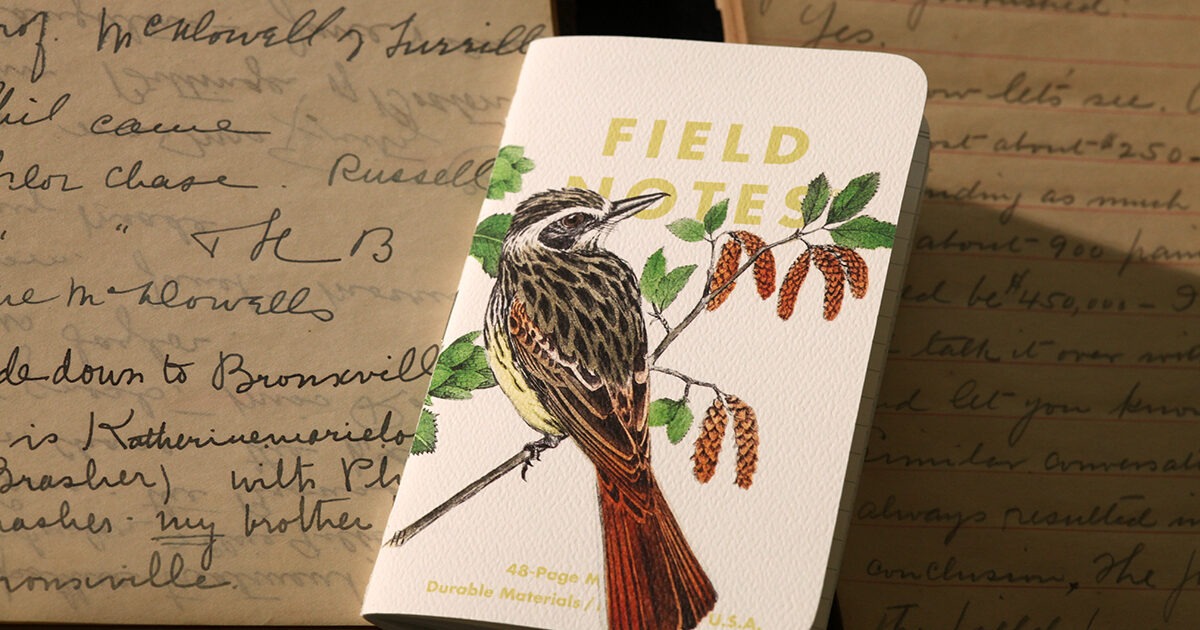
A short note preserves the encounter without guessing at missing details. A sample note:
Two small black birds repeatedly followed an unidentified hawk for about a minute. The hawk continued in the same direction. No nest was visible.
For a real note, record the repeated movement or calls, how many birds took part and which species if you know, whether the hawk was perched or flying, the habitat and season, and what the hawk did before you stopped watching.
How to Watch Mobbing Without Disturbing the Birds
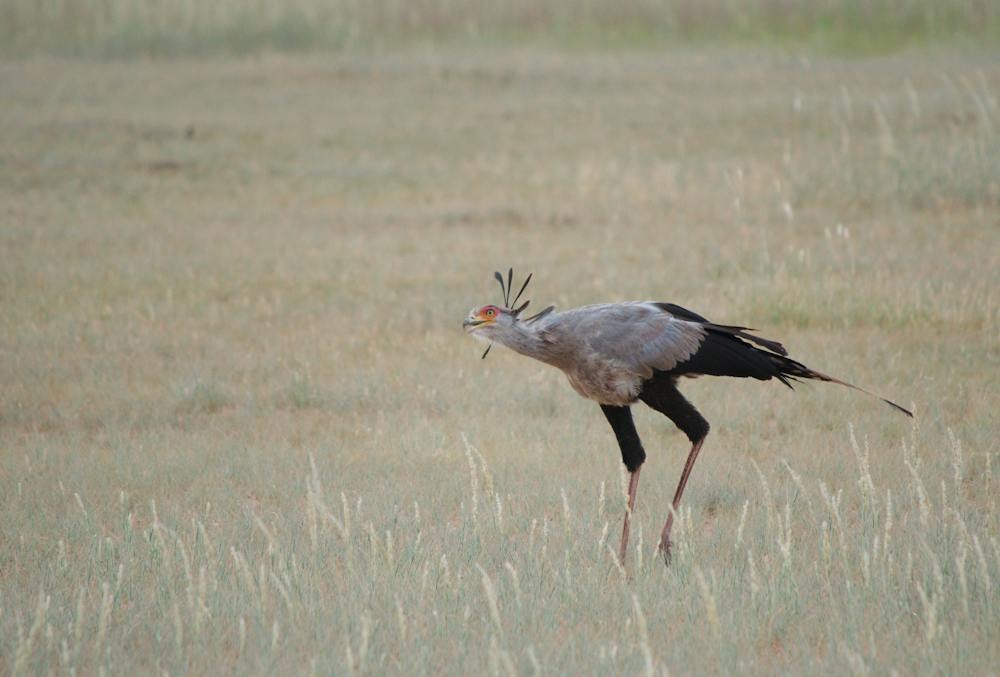
Birds that mob may be protecting young or reacting to a predator near a sensitive area. The U.S. Fish and Wildlife Service’s advice on aggressive birds includes giving defensive and nesting birds space. Close approach and alarm-call playback can change what the birds do, so neither tests a mobbing explanation.
Use binoculars, or photograph from a distance, to check field marks. If birds react to you, back away. Leave active nests and young birds alone, and never try to separate wild birds during a chase.