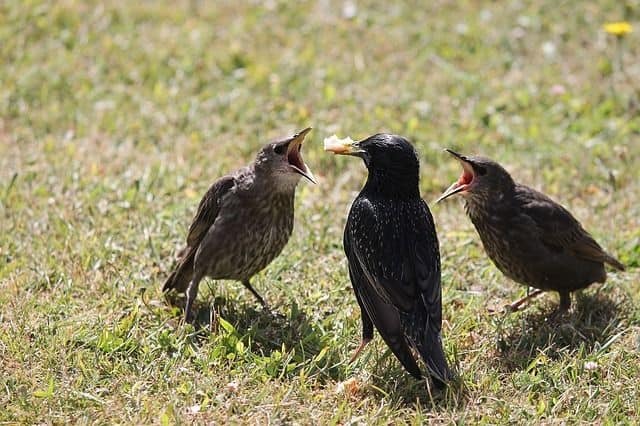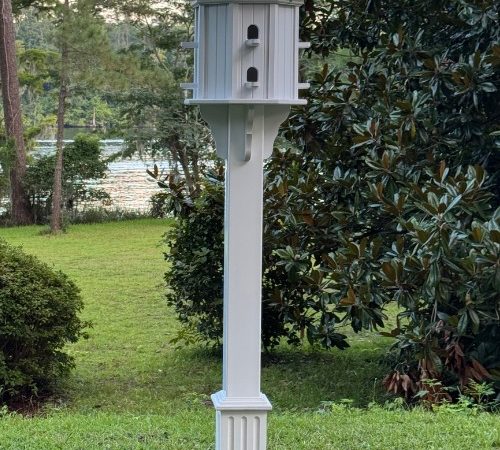
Some do, some don’t. Canada Geese, Bald Eagles and California Condors often stay together for years. Great Blue Herons pair for a single breeding season and choose partners anew later. To say a particular pair has lasted, you have to recognize both birds year after year. If you can’t, describe what you saw and leave lifelong partnership out of it. For nest, egg and fledgling timing, check when do birds nest in the united states.
Do Birds Mate for Life?
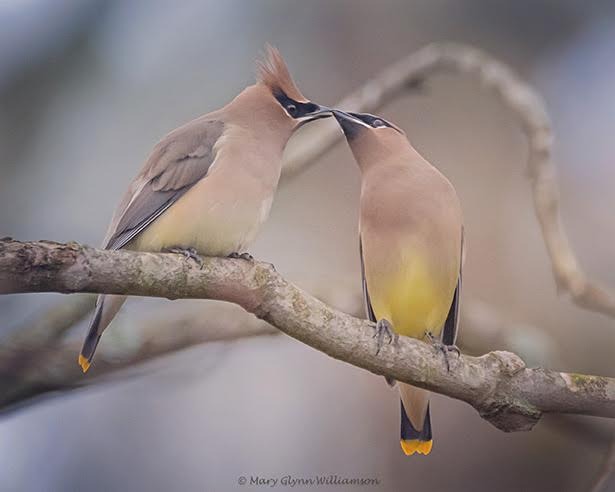
Canada Geese can remain together through successive breeding seasons. Great Blue Herons often pair for one season and select new partners the next year.
“Mate for life” usually means two birds stay partners until one dies. Ornithologists also describe socially monogamous birds, whose partnership can end once breeding is done. Bond length is a trait of a species’ breeding system, with room for individual variation.
Social Monogamy vs. Lifelong Pair Bonds: What’s the Difference?
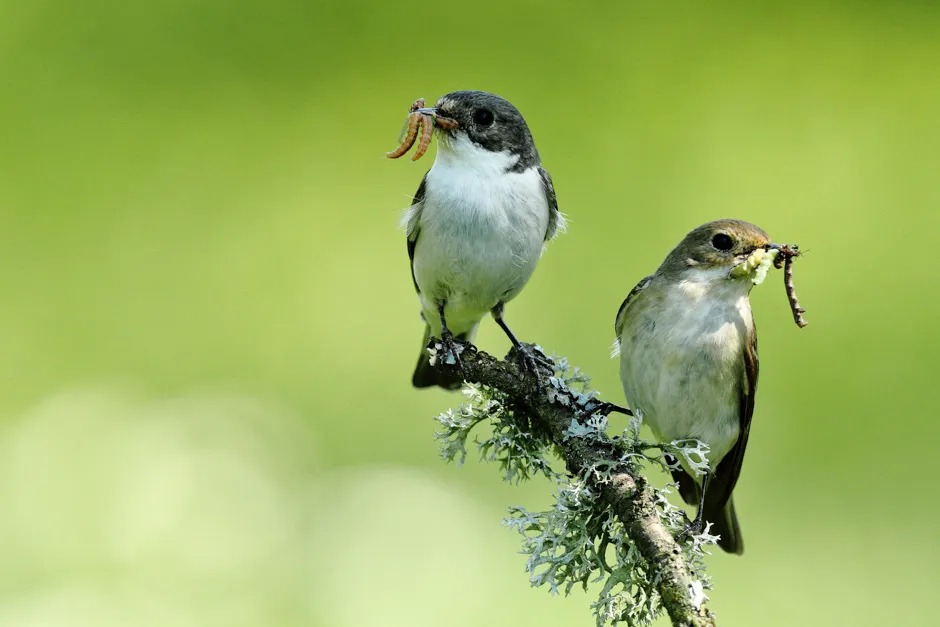
Social monogamy describes a breeding partnership. Pair fidelity describes how long the same individuals stay together. Genetic parentage describes which birds produced the offspring.
| Question | How you find out | What you learn |
|---|---|---|
| Are these birds a breeding pair? | Association and cooperative breeding behavior | A social partnership during the observed period |
| Are they still partners next year? | Recognizing both individuals across seasons | Whether the pair bond continued |
| Are both adults the genetic parents? | Genetic parentage evidence | Biological parentage of the offspring |
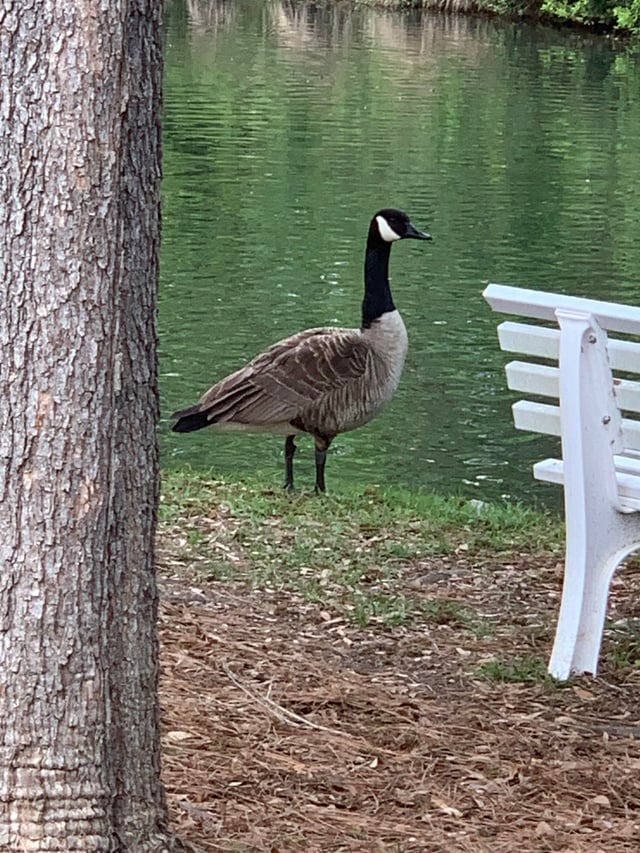
Two Canada Geese tending goslings together look like a social pair. Extra-pair copulation has also been documented in the species, so reproductive behavior and a continuing social bond can coexist.
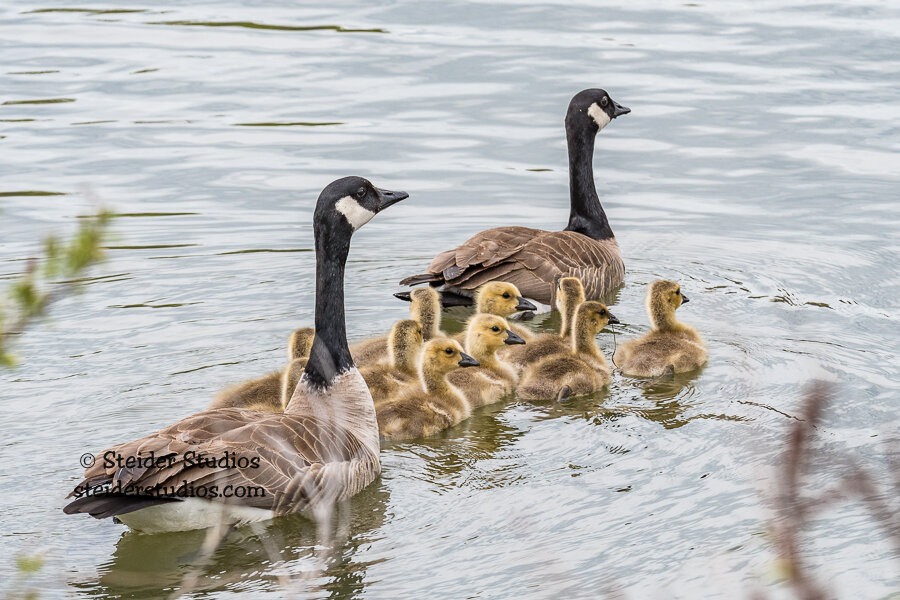
A 2019 synthesis of extra-pair paternity research detected extra-pair offspring in 75% of 342 genetically studied bird species. That counts species, not individual birds, nests or chicks.
Which Birds Stay With One Partner for Years?
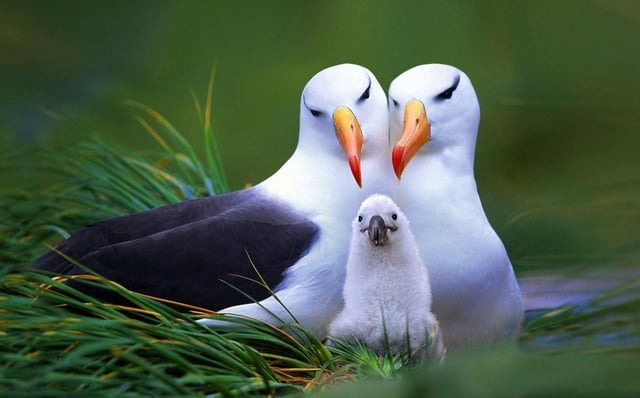
Canada Geese and some large birds of prey are the best-known long-term pairs. Other familiar North American birds pair for shorter or less predictable stretches.
| Bird or group | Pairing pattern | Worth knowing |
|---|---|---|
| Canada Goose | Often a long-term, year-round social pair | Separation and extra-pair copulation can occur |
| Bald Eagle | Multi-year partnerships | A lost or replaced partner changes the pair |
| California Condor | Breeding partners often keep lasting bonds | Continuity depends on the individual birds |
| Northern Cardinal | Pairs may stay together through winter | Cornell reports up to 20% separate before the next breeding season |
| Great Blue Heron | Often paired for one breeding season | The next season may bring a different partner |
| Geese and swans; many ducks | Geese and swans often keep longer bonds; many ducks pair seasonally | Whistling ducks are an exception to the duck pattern |
Ducks Unlimited’s waterfowl courtship account names geese, swans and whistling ducks as the long-bond groups. Many other ducks pair for a season.
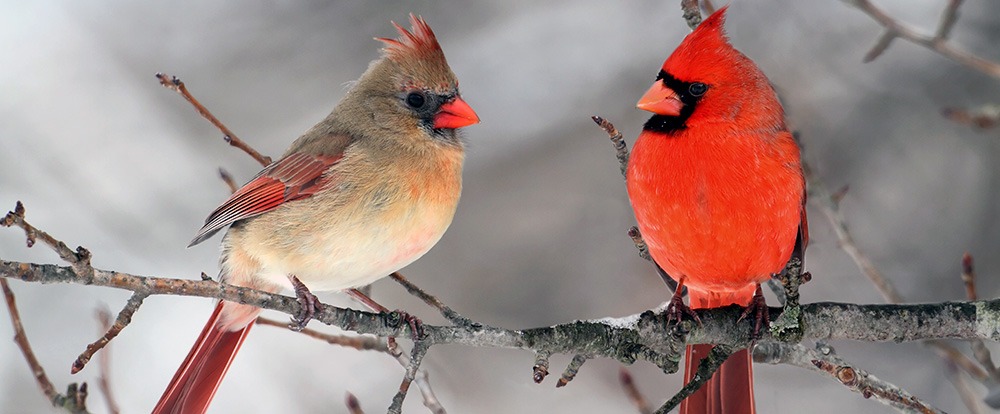
Cardinals at a backyard feeder that stay together all winter are showing real pair continuity. The next breeding season is a separate stretch, and the partners may stay together or split.
Why Do Some Birds Keep the Same Mate?
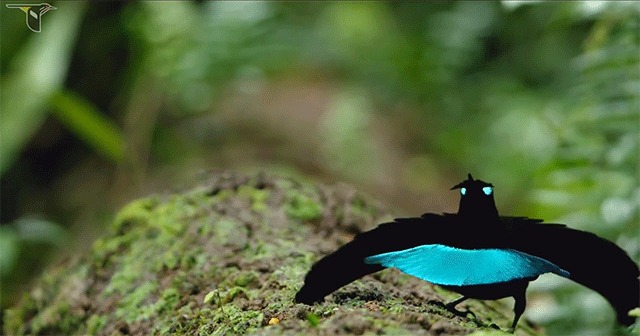
Keeping a partner helps with demanding breeding work. California Condors take approximately eight months to raise a chick from egg laying to fledging, and Cornell describes the value of reliable timing and foraging coordination between established partners. You can see other pair behavior in everyday birdwatching: Northern Cardinals may feed their mates, and Mourning Doves engage in allopreening, gently preening one another.
Why Do Bonded Birds Change Partners?
Ornithologists use divorce for a social pair that separates while both former partners are alive.
One Reddit reader put the question in ordinary human terms:
This might be a slightly weird question but I couldn’t find an answer Googling so I’d thought I’d ask here. Basically what the title says, can birds end up creating bad pairs? Like how humans end up in relationships that just do not work, do birds do that?
In a 2024 study of Seychelles Warblers, divorce was associated with factors including age, length of the previous partnership and breeding success. Changing partners did not consistently produce a long-term fitness benefit.
A 2023 Thick-billed Murre study found an association between lower breeding success and divorce. Of the divorced birds studied, 24% reared a chick with a new partner. Both studies cover single populations, so they give no general divorce rate for birds across the United States.
| What you know | What to call it | What you still don’t know |
|---|---|---|
| Both former partners are alive and no longer paired | Separation or divorce | The reason for the change |
| A former partner is confirmed dead | Mate loss or widowhood | Whether the survivor will re-pair |
| A former partner is missing | Disappearance; pair status uncertain | Whether the bird died, moved or was displaced |
Can birds divorce during the same breeding season?Yes. A 2022 meta-analysis pooled 90 effect sizes from 31 studies across 24 socially monogamous bird species. It found no overall evidence that within-season divorce brought an immediate breeding-success benefit.
What Happens When a Mate Disappears or Dies?
A surviving goose may eventually form a new pair after its mate dies. The loss can disrupt or prevent breeding that year, according to the waterfowl research summarized by Ducks Unlimited.
A missing bird is a different case. When a familiar adult stops showing up at a nest, the remaining bird may interact with a newcomer before anyone knows what happened to the missing partner.
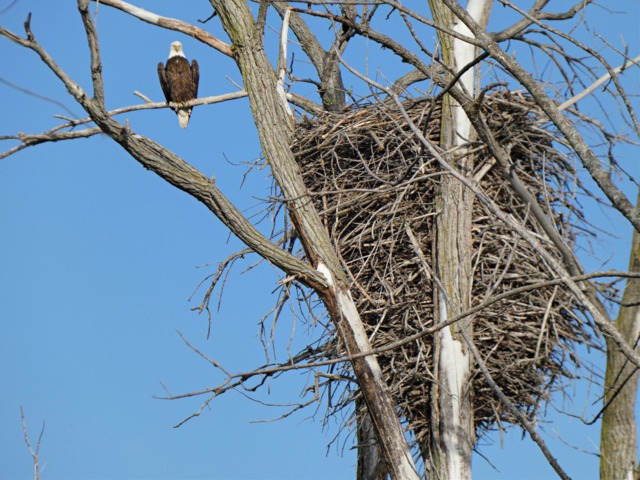
On February 11, 2026, the Raptor Resource Project reported a newcomer interacting with the female Bald Eagle at Decorah North after the established male, Mr. North, went missing. No one knows whether he died or left the area.
In a discussion about widowed geese, a commenter described what they saw after a goose died:
Ah, thank you! Where I live, there’s a bunch of geese and young that come back yearly. Sadly, one died (I don’t know if there were young involved, don’t believe so) and the mate refused to leave the body, and stayed in that area even after the body was removed. (The body was taken in and handed over to the wildlife office to be tested for bird flu) But ever since, I would periodically think about that lone goose, and worry that the flock would reject them, or something. This gives me a little hope that the goose won’t be so lonely. Thank you!
The relationship between the birds and the reasons for the behavior are the commenter’s own reading.
Can You Tell Whether Two Birds Are the Same Pair?
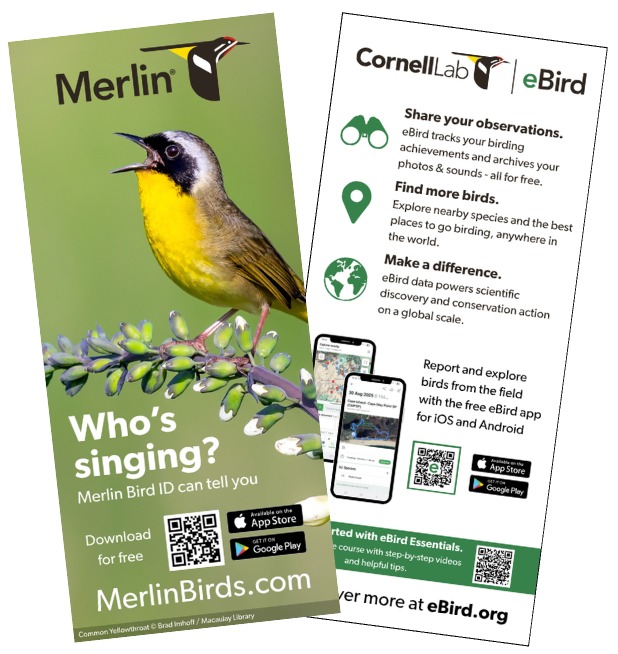
A familiar nesting site can have different occupants from one breeding season to the next. To show that a pair returned, you have to recognize both birds over time.
Cornell’s Great Blue Heron nest records give a clear example. Researchers recognized the same male at Sapsucker Woods from at least 2009 because he was missing a toe. The female’s identity across those years stayed unknown.
A field notebook turns an ordinary sighting into something you can compare later:
- Species: Note your identification and any doubt about it.
- Place and date: Write down the location, observation date and breeding season.
- Behavior: Note courtship feeding, preening, nest attendance or care of young.
- Individual identity: Record bands, recognizable markings or documented camera identification. Write “unknown” if you can’t tell the birds apart.
- Across seasons: Compare entries to see whether they show the same two adults.
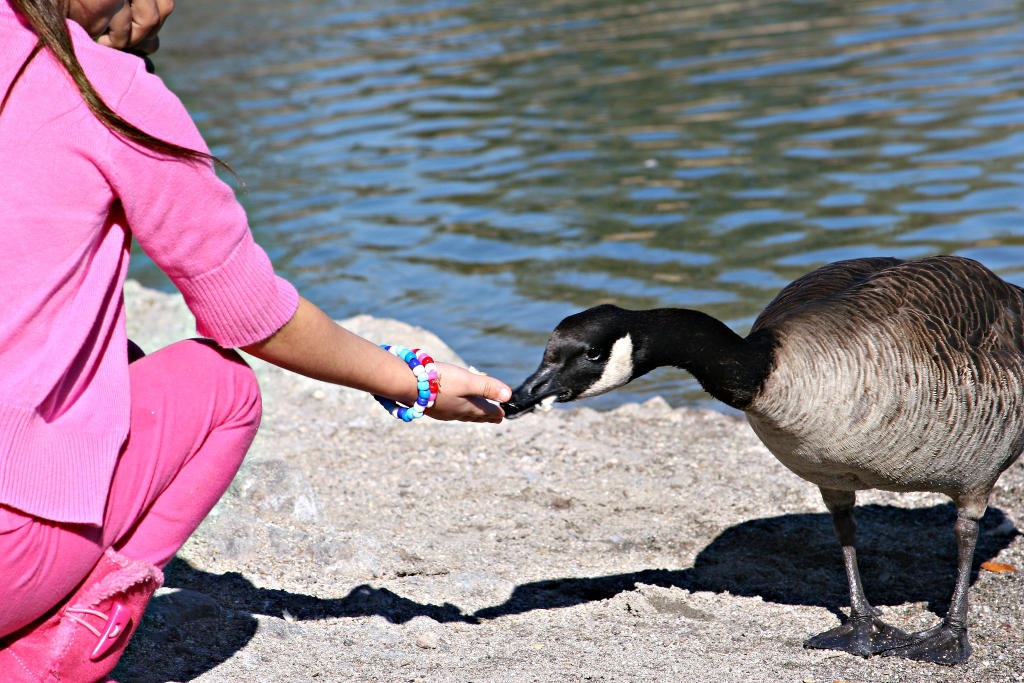
Two unbanded Canada Geese at a neighborhood pond in consecutive springs show that the pond gets reused. Without distinguishing features, you can’t say it’s the same pair.
Watch from a distance so you don’t disturb nesting birds.
Do Birds Love or Grieve for Their Mates?
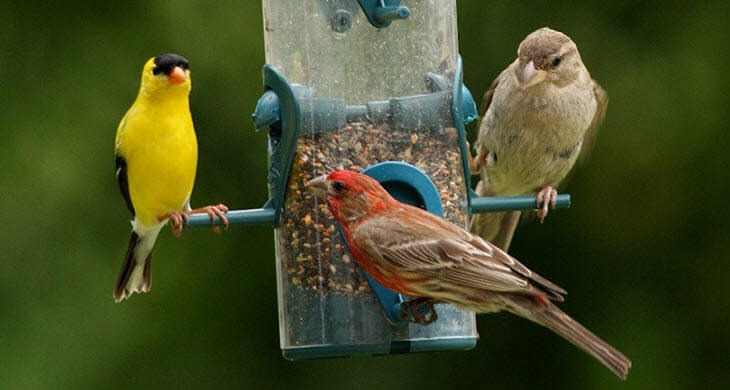
Birds feed partners, preen one another and sometimes stay near another bird after an apparent loss. You can describe those behaviors accurately. A single encounter can’t tell you whether the bird feels love or grief.
One observer wrote about learning that a goose had died at a pond where familiar families regularly visited:
On the way home from work yesterday, I received a message from my daughter that someone had posted on Facebook that there was a dead goose in our retention pond. My heart sank because a lot of these geese go through our yard, and I put out waterfowl food for them to snack on when they come by. There are a few couples I recognize by their behavior, and a family with two goslings and another family with seven goslings. As I teared up, I started racking my brain on which goose it could be. I believe I have seen all of my usual geese, except for this family with the seven goslings. I am afraid that it’s the one in the back because its wing had been messed up.
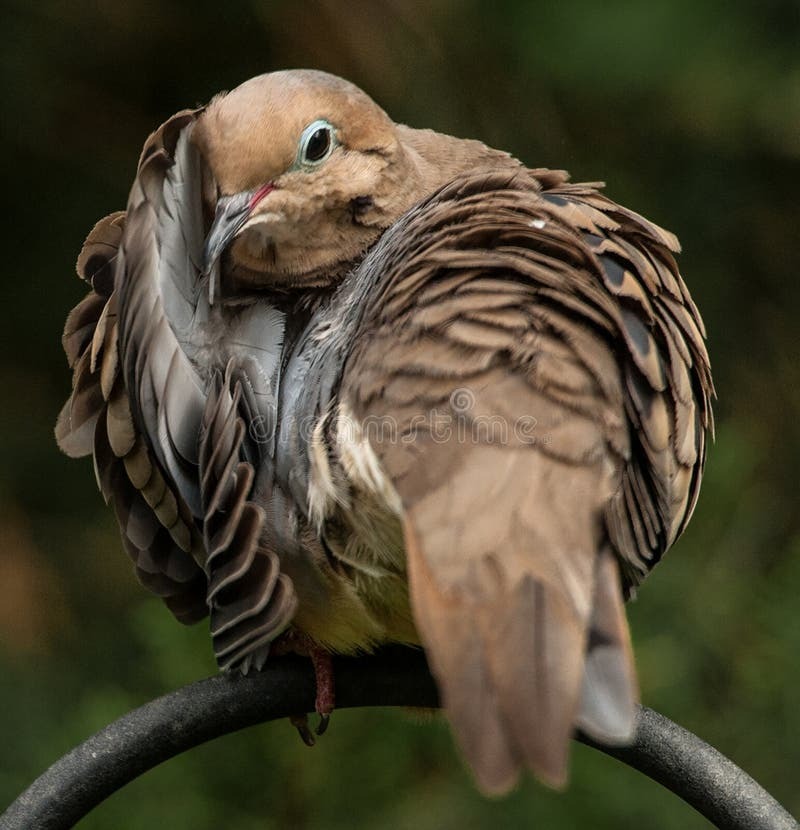
The writer recognized several family groups but could not identify the dead bird. A note such as “two Mourning Doves preened each other” or “one goose stayed near the body” keeps what you saw without assigning a feeling to the animal.