Name the species when you saw or heard a mark that separates it from its lookalike and that fits the place, season, and plumage. If the key mark was hidden or the clues disagree, record the species pair or the broader group. A second look, or a guide to your specific pair, can narrow it down.
Why two birds can look almost identical
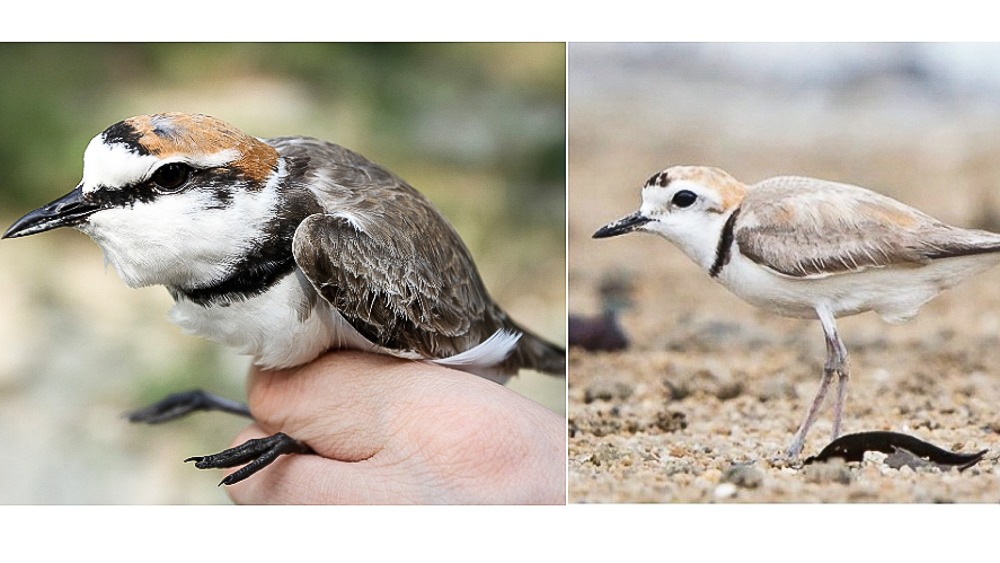
Two birds can share a rusty cap, dark back, pale wingbars, or nearly the same silhouette. Cornell’s four basic identification clues (size and shape, color pattern, behavior, and habitat) give you a shortlist. A small field mark then separates the candidates. Chipping Sparrows and American Tree Sparrows, for example, share rusty caps and eye stripes but differ in facial pattern. Pick two or three plausible species and look for a feature that separates them in the age, sex, and seasonal plumage you saw.
Start with realistic candidates for where and when you saw the bird
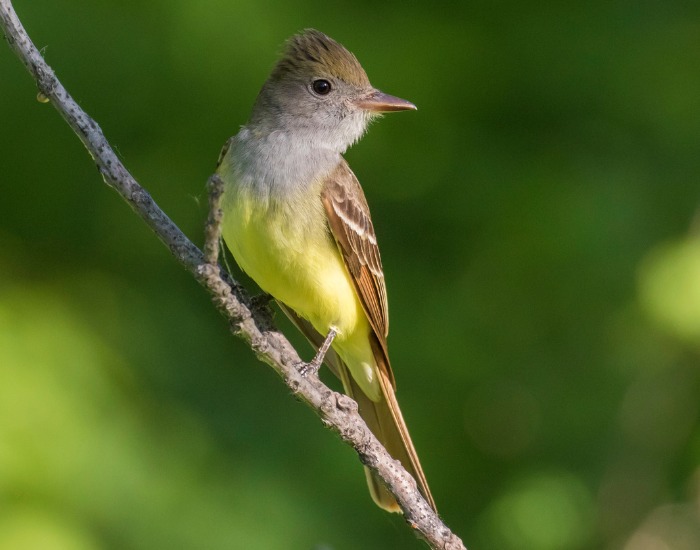
Cornell contrasts two yellow-bellied flycatchers with different habits. Great Crested Flycatchers favor woods and forest edges, often high in the branches. Western Kingbirds use open country and exposed perches such as wires and fences. Where their ranges overlap, the setting tells you which to check first: a yellow-bellied bird high in leafy woodland points to Great Crested Flycatcher, one hunting from a fence in open country to Western Kingbird.
Winter waxwing flocks complicate this, since Cedar and Bohemian Waxwings sometimes appear together. For each candidate, compare the observation’s region, approximate date, habitat, and position within it against a species account. A bird well outside its expected range needs stronger evidence and a check of the alternatives. Seasonal movements and wandering individuals do occur.
Compare shape and proportions before fine color details
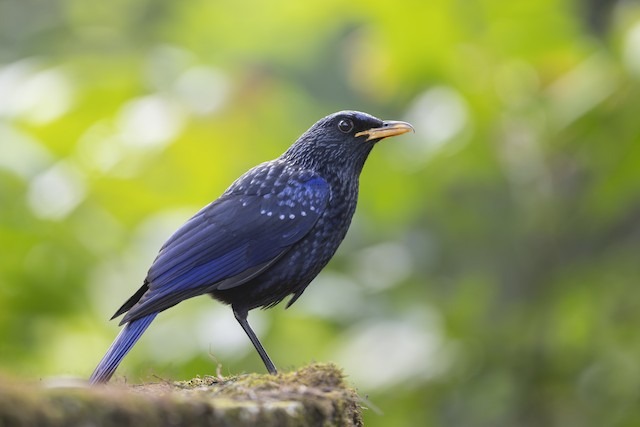
Shape holds up when shadow changes a bird’s apparent color. A thick bill, a relatively long tail, or the reach of the folded wings can separate birds that both look uniformly brown or black.
- Head and body: Compare a compact, round shape with a longer, slimmer body, and note the relative head size.
- Bill: Look at depth, length, and curve in relation to the head.
- Wings: Note where folded wingtips reach and how the wings look in flight.
- Tail: Compare relative length and the shape of a spread tail, which looks quite different folded.
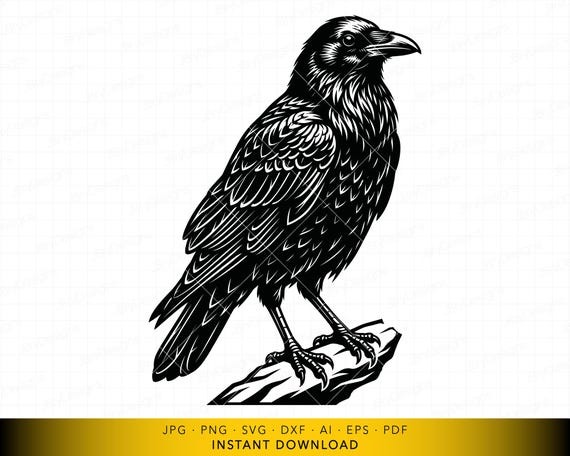
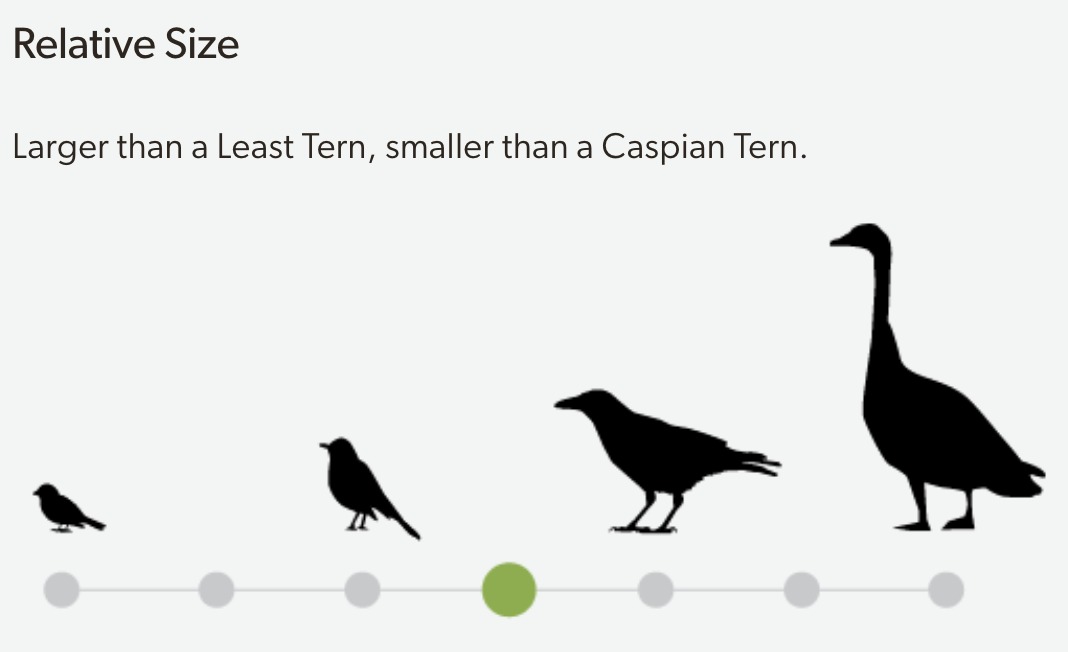
A large black bird crossing the sky changes apparent size with distance, especially with nothing nearby to compare it to.
A bird hunched against cold also looks shorter and heavier than one standing alert. If color shows, note where the pale or dark pattern sits, such as along the wing edge or through the eye.
A field mark counts when the relevant feature was visible
“I didn’t see a wingbar” covers two cases: you had a clear view of a wing without a bar, or the wing was hidden. Only the first counts as an absence.
Backlighting, motion blur, folded feathers, and a branch in front of the bird can all hide the part you need.
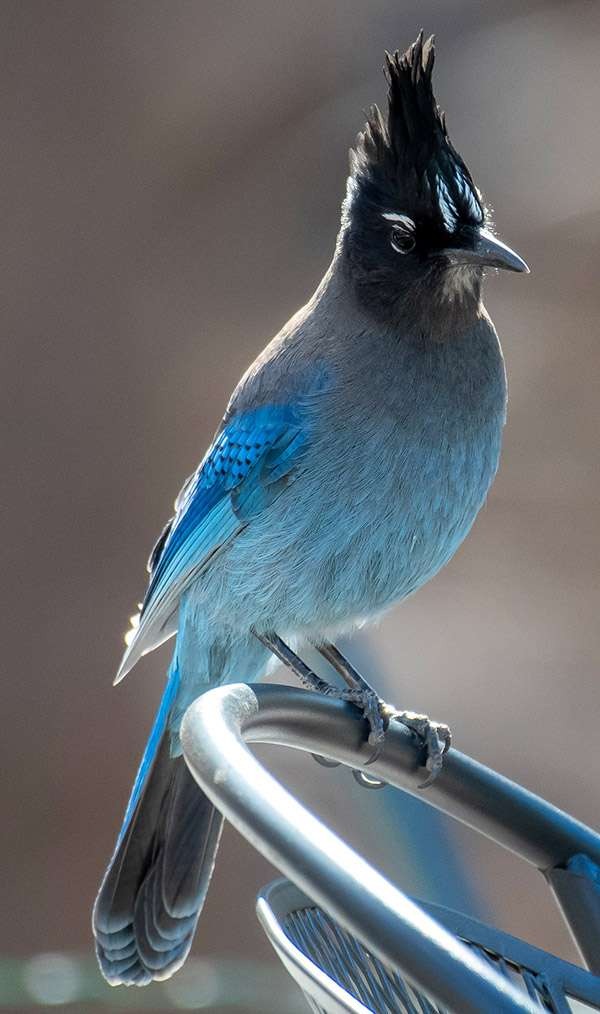
| What you saw | What you established | Example | What it tells you |
|---|---|---|---|
| Clearly present | A distinguishing mark was seen | Rust-colored undertail coverts on an appropriately plumaged waxwing | Supports Bohemian Waxwing |
| Clearly absent | The relevant area was fully visible without the expected mark | An unobstructed wing lacks a mark expected in the reference plumage | Counts against that species |
| Unseen or unreliable | The area was hidden, blurred, or poorly lit | Folded or obscured outer tail feathers | Don’t use this mark |
| Conflicting | A second reliable observation disagreed | Visible structure points one way; a checked call points another | Reconsider your shortlist |
A winter waxwing photograph shows a crest and a dark mask, but only the bird’s back. Its undertail coverts, the small feathers beneath the base of the tail, are out of view. The image supports a waxwing identification without settling Cedar versus Bohemian. A later clear view of white undertail coverts would support an appropriately plumaged Cedar Waxwing.
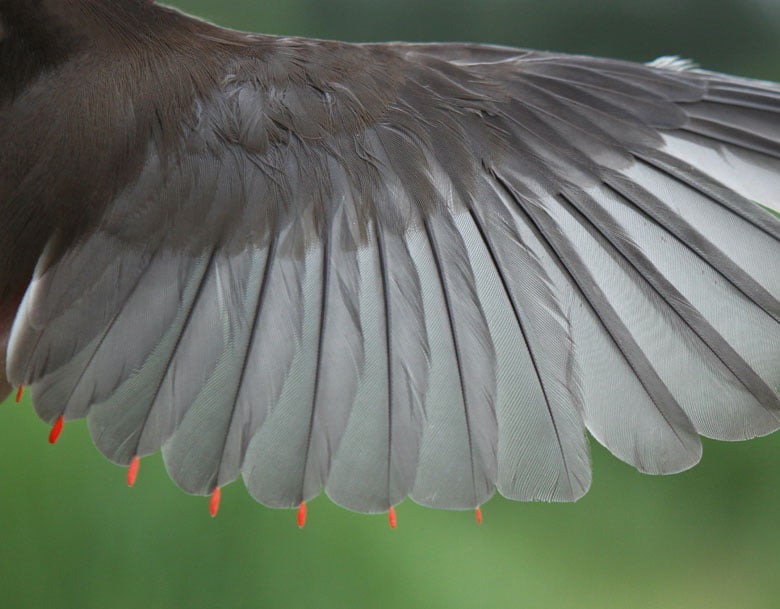
Choose two to four marks specific to your pair and record each as seen, absent after a clear view, unseen, or conflicting. Count a bill described as “heavy,” “thick,” and “big” once: it is one physical clue.
Three lookalike comparisons call for different clues
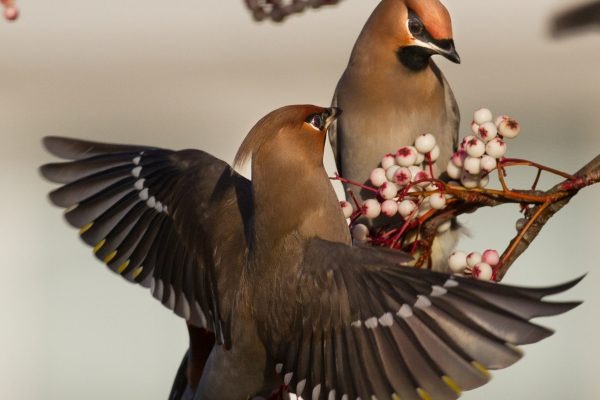
Plumage pattern helps in one pair, structure and voice in another, and a juvenile can upset the features familiar from adult field guides.
| Birds being compared | Useful evidence | What can leave the ID open |
|---|---|---|
| Cedar / Bohemian Waxwing | Undertail-coverts color, wing pattern, overall plumage | Underside unseen; juvenile plumage; uncertain size |
| American Crow / Common Raven | Bill and wing proportions, tail in flight, voice, region | Distant silhouette or unclear call; other regional corvids |
| Field Sparrow / Vesper Sparrow | Bill color, exposed outer tail feathers, face pattern, age | Juvenile breast streaking, ambiguous eye-ring, concealed tail |
Waxwings: the important feathers may be underneath
Cedar Waxwings look warmer and more tan, while Bohemian Waxwings look cooler gray and show more complex white and yellow wing markings.
In Audubon’s Winter 2022 comparison, Bohemian Waxwings are described as about one inch longer and roughly twice as heavy as Cedar Waxwings. Size is easiest to judge when you see both birds in comparable views.
Crows and ravens: the local species matter
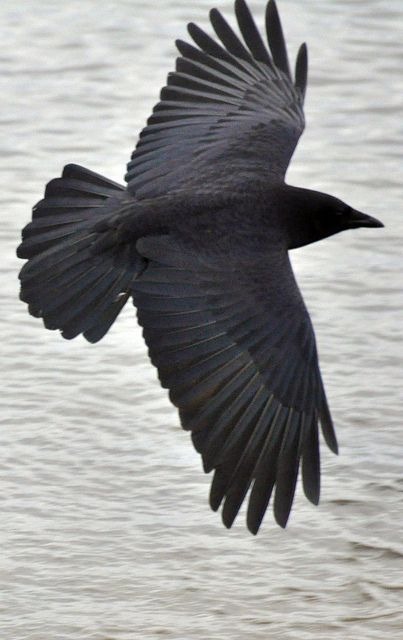
Bill shape, wings, tail profile, and sound separate an American Crow from a Common Raven. A close voice comparison helps when a distant view leaves the silhouette unclear.
Cornell’s North American comparison covers American Crow, Fish Crow, Common Raven, and Chihuahuan Raven.
Juvenile sparrows: marks from an adult plate can mislead
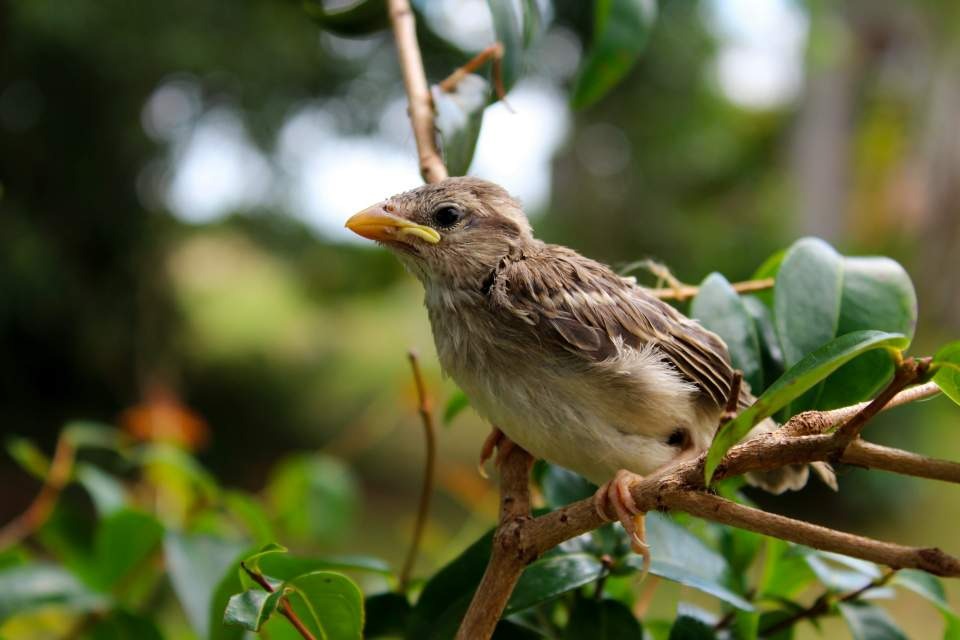
A young sparrow photographed in vegetation shows a faint eye-ring and streaking on the breast. Field Sparrow and Vesper Sparrow both fit, and the eye-ring alone separates little.
Field Sparrow has a pinkish bill, and young Field Sparrows can show breast streaking. Vesper Sparrow shows white outer tail feathers, a useful clue when the tail opens in flight or is clearly exposed. If the bill color is hidden and the tail feathers never show, a difficult juvenile photograph stays a broader sparrow identification.
Check reference plumages that match the bird’s age before treating an adult marking as decisive.
When sound or Merlin suggests a bird, cross-check it
Merlin Sound ID suggests species from recorded sound. Cornell’s Merlin Sound ID guidance advises checking each suggestion against the observation’s location, season, and habitat.
One r/birding contributor described Merlin flagging a squeaking shoe as a Black-backed Woodpecker, then suggesting multiple species while a Brown Thrasher sang:
Point 2: Merlin is frequently incorrect. I use Merlin almost daily, and I’m telling you every single time I use it, it makes mistakes. If I didn’t know better, I’d be reporting birds that simply aren’t there on a near daily basis. Example: my shoe squeaked on some wet grass today and Merlin told me I heard a Black-backed woodpecker. I never want to say anything’s impossible, but that’s a pretty impossible bird for my area. Later on, a Brown Thrasher was going off and Merlin “identified” its song as at least 4 different species, repeatedly.
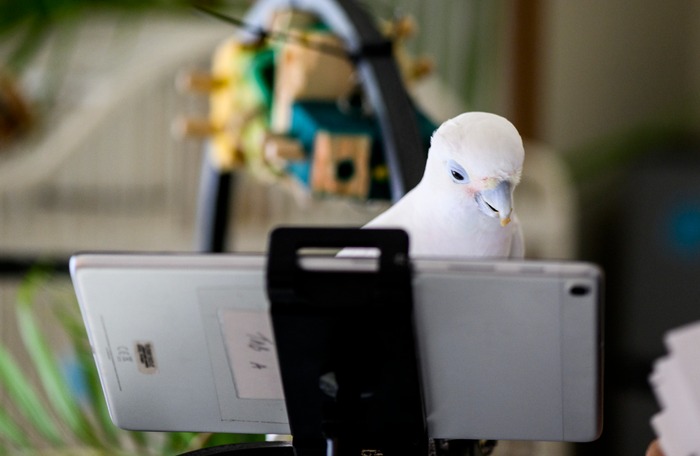
Save the recording and compare it with reference examples, and trust a suggestion only when you recognize the sound yourself. Distant, overlapping, or mimicked calls need more evidence. For a Merlin-assisted eBird report, set the recording’s location and attach the audio to your checklist, especially for an unusual species. A distinctive call you have confirmed yourself supports a heard-only identification; for a difficult or unusual report, add photographs or visual observations. If the sound stays unclear, leave it unresolved and don’t chase or disturb the bird.
If the evidence still does not separate the species, stop there
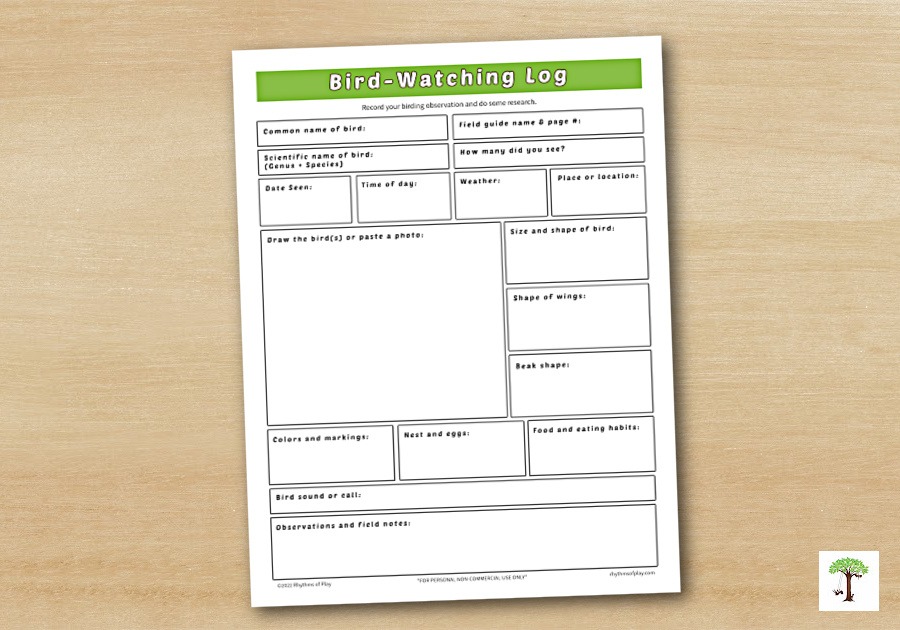
You may have seen a sparrow or diving duck clearly without getting the view that separates two plausible species. That is still a useful record.
A beginner on r/birding described seeing a possible Wilson’s Snipe through binoculars near a pond, without a photograph that could settle the sighting:
I love birding but I’m an amateur who does it for fun. A few birders asked me to use ebird. But I’ve run into a problem. Because I’m a beginner I use Merlin a lot to ID birds. My camera is ‘ok’. It’s fine if I’m close enough but my binoculars are better. The problem occurs when I see a rare bird but have no photos to show for it. I feel kinda bad sometimes when my sightings get reported. I got excited to see a Wilson’s snipe at a pond. But The report said I should not have used Merlin ID for it. But the pond is private property. I couldn’t get close enough for a photo. So I just used binoculars and Merlin caught a barely discernible noise. That was really the best I could do.
A binocular observation is worth documenting even when the photograph is poor. eBird permits contemporaneous written comments, photographs, audio, and video as documentation. Unusual observations can prompt requests for additional details, and acceptance depends on the evidence supplied.
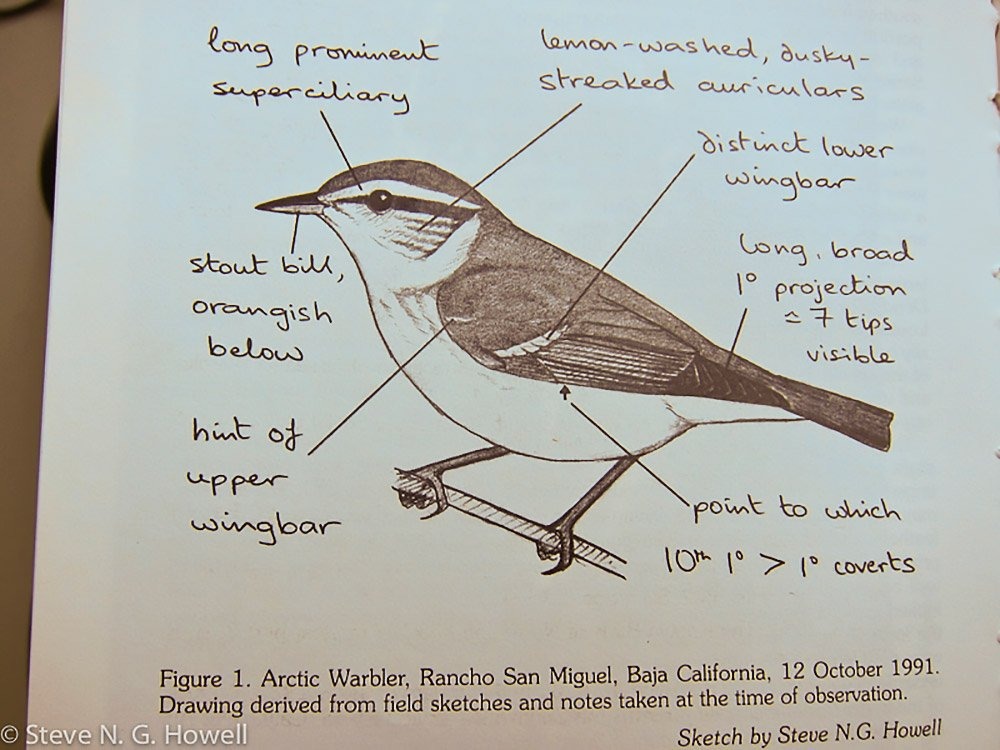
Write an observation note while the details are fresh:
- Place and date: Where and when the bird appeared, including habitat.
- Appearance: Clearly observed size, bill, shape, posture, and distinctive field marks.
- Sound or behavior: What you actually heard or watched, with original media if available.
- Alternatives: Which lookalikes remained and which diagnostic features you could not see.
Use only media from this sighting. A photograph or recording taken elsewhere, at another time, or by someone else is not evidence of it.
Recording a pair or a broader identification
eBird’s taxonomy offers categories broader than individual species. A spuh covers an unresolved group, such as “swan sp.” A slash identifies certain defined pairs, including the Tundra/Trumpeter Swan example.
Use a slash entry when eBird offers that exact pair and your evidence supports it. Otherwise a broader group is the accurate choice. For an unresolved North American sparrow, the taxonomy’s name is “new world sparrow sp.” A private note that says “species A or B” does not automatically match an eBird entry.
Go to the lookalike pair that matches your sighting
For two hawks seen from below, Red-tailed versus Red-shouldered Hawk covers tail bands and wing shape. Small birds with black caps and pale cheeks are the subject of Black-capped versus Carolina Chickadee, where range and voice matter most.
A large black bird calls for American Crow versus Common Raven. Blue birds with very different shapes are sorted in Blue Jay versus bluebird. For diving ducks with reddish heads, use Canvasback versus Redhead and check head and bill structure.