Canvasback has a long, sloping forehead and a dark, wedge-shaped bill. Redhead has a rounder head and a shorter gray bill with a black tip. If the bill is hidden, check the back of a breeding male: whitish for Canvasback, gray for Redhead. Still unsure? Wait for a better view or log it as a broader category.
Canvasback vs. Redhead at a glance
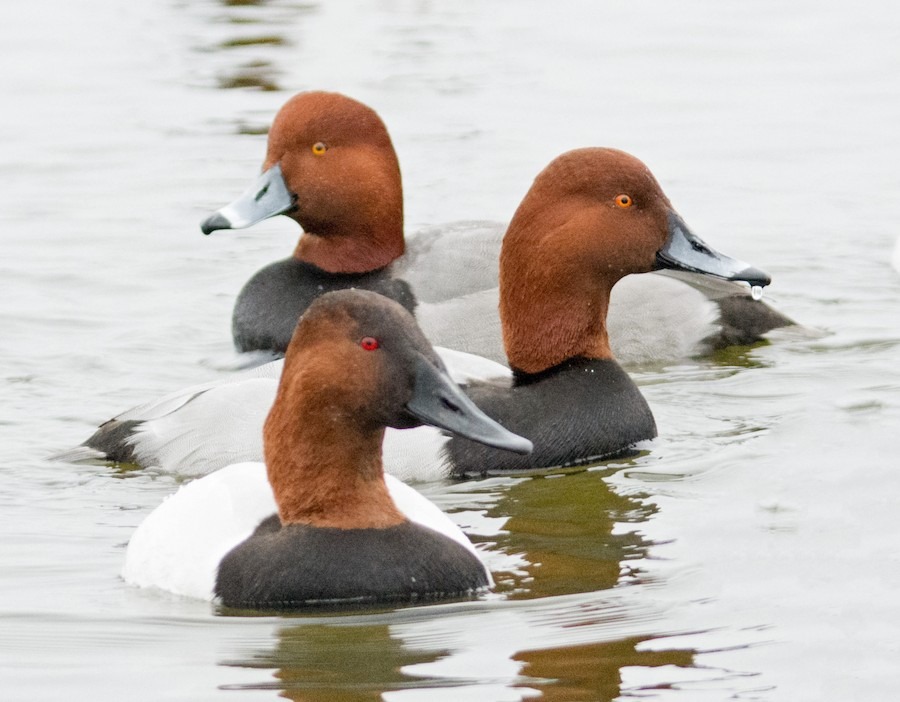
Both are North American diving ducks in the genus Aythya: Canvasback (Aythya valisineria) and Redhead (Aythya americana). Their breeding males share reddish-brown heads and dark chests, so start by comparing the outline from crown to bill tip.
| Feature | Canvasback | Redhead | How much it helps |
|---|---|---|---|
| Head | Long forehead, steadily sloping | Rounded crown, steeper forehead | Primary |
| Bill | Long, dark, wedge-shaped | Shorter, gray or blue-gray, black-tipped | Primary |
| Breeding male back | White to whitish | Gray | Strong supporting mark |
| Breeding male eye | Red | Yellow or golden | Supporting, when visible |
| Female head | Longer, sloping profile | Fuller, rounder crown | Primary |
| Female body | Often paler along the sides | Generally more uniformly brown | Supporting |
| Size | Generally larger | Generally smaller | Context only |
Read the head profile and bill shape
Canvasback has a drawn-out profile. Its forehead drops gradually toward a long dark bill, and the upper outline can look almost continuous from crown to bill. On Redhead, a rounded crown drops more abruptly to a shorter grayish bill, with black at the tip.
Trace the upper line from crown through forehead to the bill tip, and only when the duck shows a natural side view. A head-on angle shortens the bill, a turned head or raised crown feathers change the outline, and a wave or tucked bill can hide the feature entirely.
For reference photos, see Cornell Lab’s Canvasback identification guide.
How to tell the males apart when color is visible
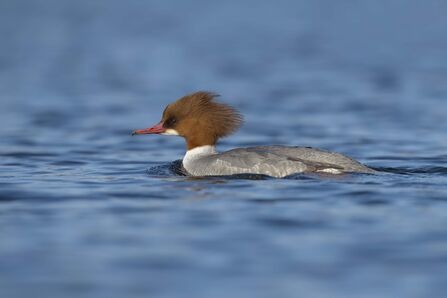
Breeding males also differ in body tone. Canvasback has a chestnut head, black chest and rear, and extensive whitish plumage across its back and sides. Redhead shares the rich head and dark chest but has a gray back and sides.
A breeding male Canvasback has a red iris, and a breeding male Redhead has a yellow or golden one. At a distance the eye is often too small to read, so trust an obvious body pattern over a bright dot in a phone photo.
A sleeping drake tucks its bill away, but its back still shows. Whitish means Canvasback, gray means Redhead. Rule out scaup and other pale-sided ducks by checking the surrounding marks.
Nonbreeding males turn browner and lose much of the breeding-male contrast. For wing shape, plumage, and reliable field marks, see similar-looking birds: how to tell them apart.
Female and nonbreeding ducks: keep the shape test
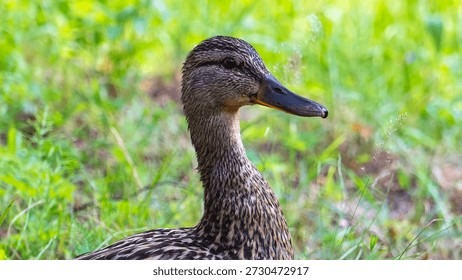
Females of both species are mostly brown, without the striking breeding-male body patterns. Start with the side view: a longer, gradual profile means Canvasback, and a fuller crown with a steeper forehead means Redhead. Then check the bill for length, gray versus dark tone, and a black tip. Canvasback females often look paler along the sides, while Redhead females tend toward an even brown.
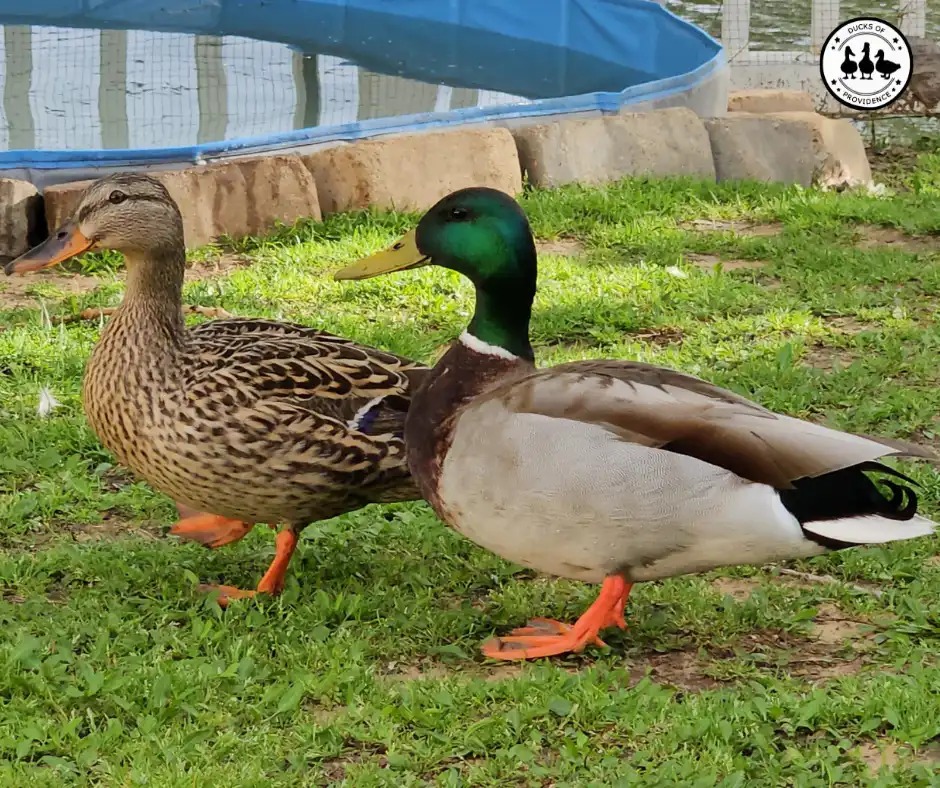
Backlighting makes paler sides look dark, and bright exposure flattens brown tones. Compare birds at similar angles and in similar light, as in the paired female examples in Cornell’s Canvasback similar-species gallery.
A brown duck with a hidden bill may be a nonbreeding male. Describe the head, bill and body marks you can see, and leave the sex unassigned if you can’t tell. Compare bill shape, plumage, and habitat against how shape, color, behavior, and habitat identify a bird.
Why distant photos and mixed duck flocks fool observers
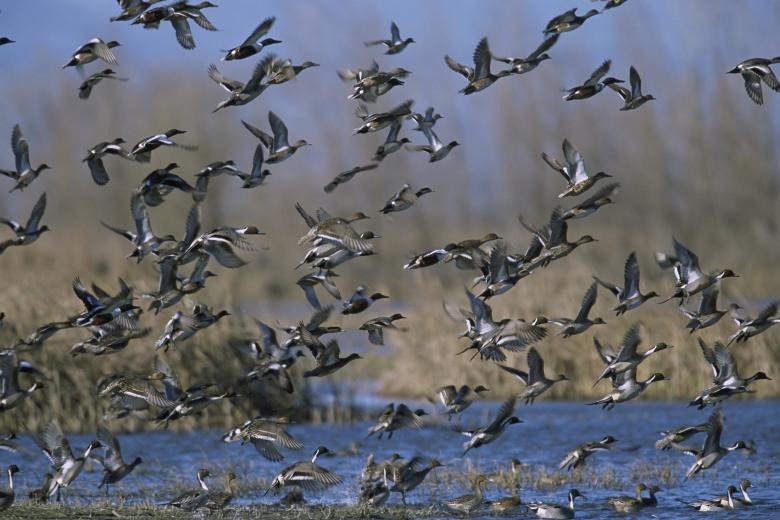
A distant raft can hold Canvasbacks, Redheads, scaup and other waterfowl at once, so you have to track which mark belongs to which bird. A pale back in one photo and a sloping head in another only add up if both show the same individual.
| Situation | What changes | Best available evidence |
|---|---|---|
| Bill tucked or submerged | The head-to-bill outline disappears | Visible breeding-male plumage, checked against lookalikes |
| Duck looking forward or away | Bill length and forehead slope look shorter | A later side view of that bird |
| Several ducks in one frame, or video clips and crops | Marks can belong to different individuals | Features tied to one tracked bird |
| Birds at different distances | Body sizes can’t be compared directly | Shape and plumage at a comparable angle |
Pick one bird and follow only its marks.
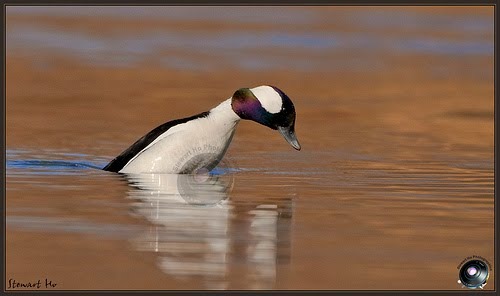
Canvasback is generally larger, but the measurements overlap. Cornell lists Canvasback length as 18.9 to 22.1 inches (48 to 56 cm) and Redhead length as 16.5 to 21.3 inches (42 to 54 cm). Across a lake, perspective can make a nearer, smaller duck look larger.
Other diving ducks that resemble the pair
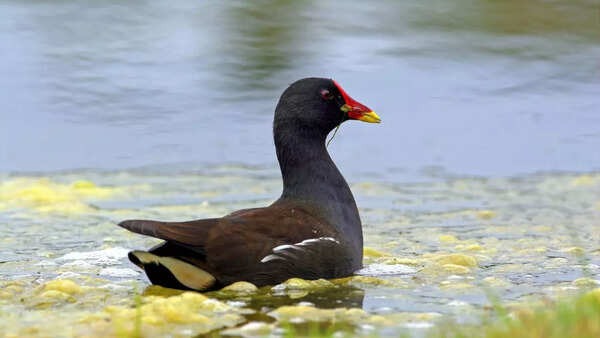
Greater Scaup, Lesser Scaup and Ring-necked Duck belong on the shortlist when a bird fails the Canvasback and Redhead shape tests. Cornell’s comparisons show a pale patch near the bill base on female scaup and a white flank spur on breeding male Ring-necked Duck, both worth contrasting with Canvasback. Occasional Canvasback and Redhead hybrids have been documented, but rule out the ordinary lookalikes first.
When Merlin and visible field marks disagree
Merlin Photo ID and the photo-identification feature in eBird’s Manage Media suggest species through separate interfaces. Check any suggestion against the visible field marks of your bird: compare the suggested species’ head and bill with the profiles above, and widen the shortlist if neither shape fits.
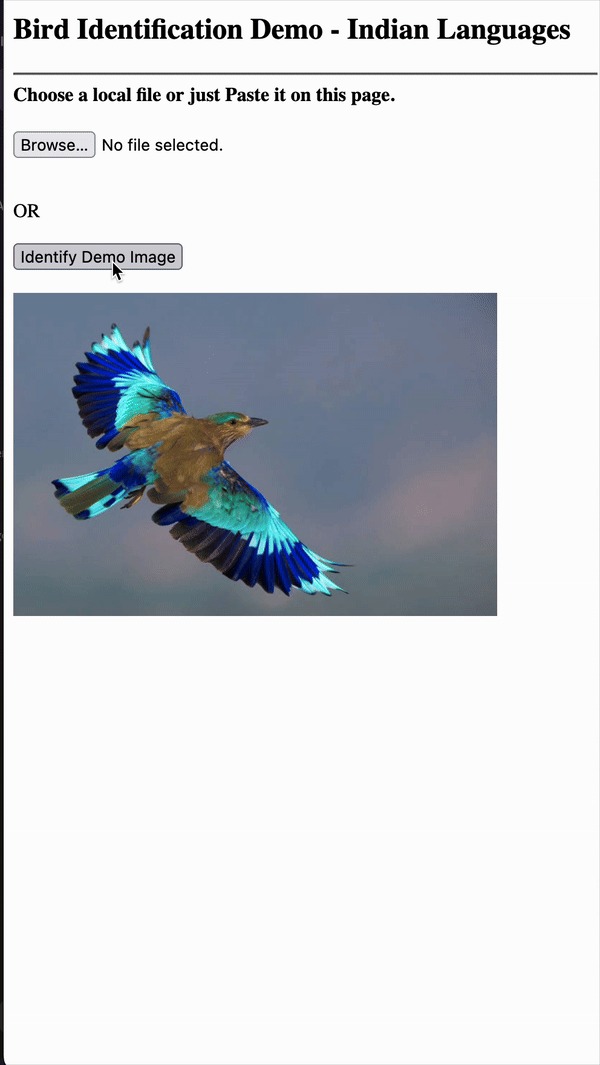
In eBird’s Manage Media feature, Cornell cautions that Merlin Photo ID can identify another bird within a photo containing several species.
Two cropped photos may also show separate ducks. A Canvasback label on one frame and a Redhead label on another disagree only if both show the same bird, so judge each image on its own field marks.
How confident does the ID need to be before you record it?
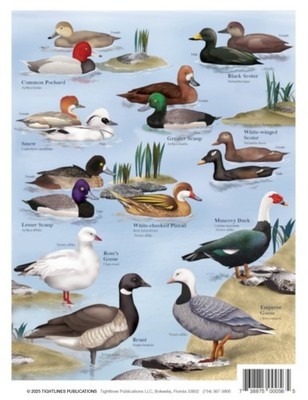
Record a species when the visible marks support it and you have considered the plausible lookalikes.
| Decision | What you see | What to enter |
|---|---|---|
| Canvasback supported | Long sloping head and dark bill | Canvasback at species level on the checklist |
| Redhead supported | Rounded head and shorter black-tipped gray bill | Redhead at species level on the checklist |
| Species unresolved | Key features obscured, contradictory or belonging to different birds | A broader category, or leave the observation unresolved |
A convincing combination of other marks can also support either species.
For an unresolved sighting, Cornell’s eBird taxonomy guidance describes broad entries such as duck sp. and some recognized species-pair categories. Pick the most specific category your evidence supports. Use a Canvasback/Redhead slash option only if the interface offers one.
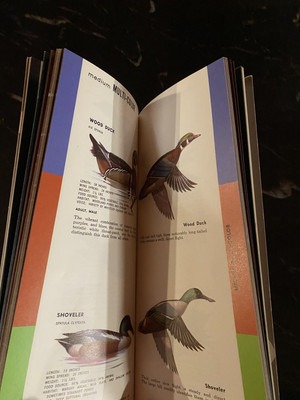
Notes keep the observation even when the species stays uncertain. Write down what you could see of the head slope, bill tip and back, and what distance or posture hid. Photos of the same individual allow a later review without turning a guess into a life-list record.