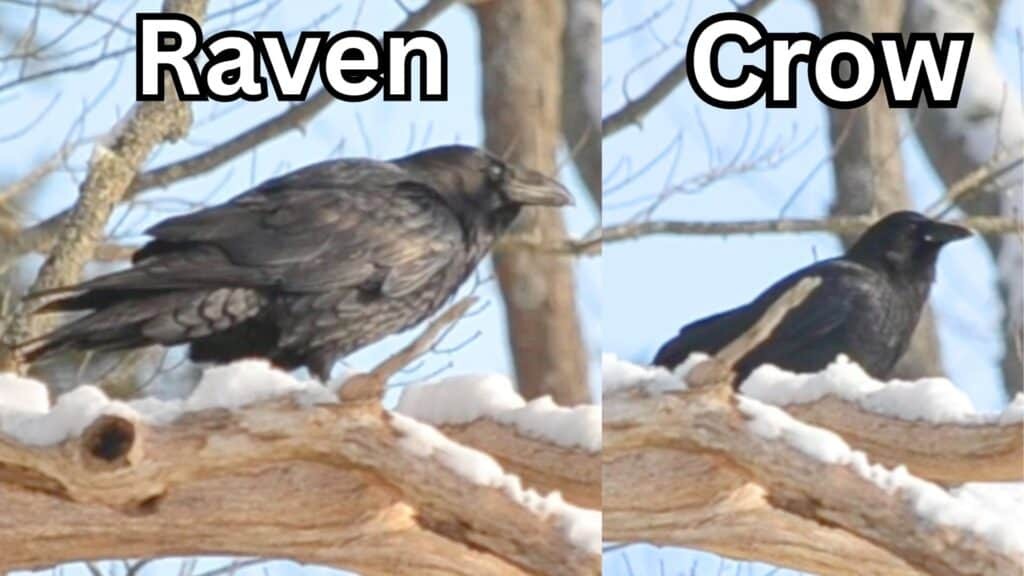
Check the bill, tail, flight, voice, and location together. An American Crow has a lighter bill and a shorter, squarer tail. A Common Raven has a heavier bill, a longer tapered tail, a shaggy throat, and a deeper croak.
Crow or Raven? Start With the Clues You Have
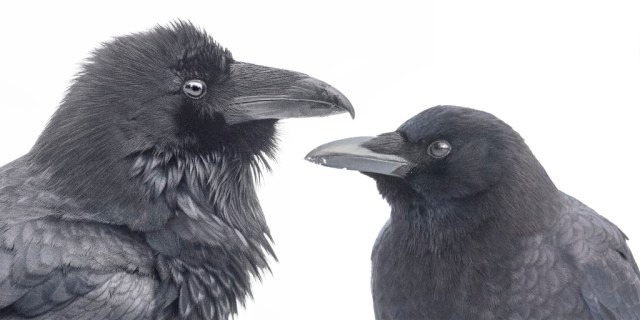
American Crows (Corvus brachyrhynchos) and Common Ravens (Corvus corax) are both glossy black, so plumage won’t separate them. Bill proportions, tail shape, wing movement, and voice will, if you can see or hear them. For bill shape, plumage, and habitat, read how shape, color, behavior, and habitat identify a bird before you settle on a species.
| Feature | American Crow | Common Raven |
|---|---|---|
| Bill | Moderate, less deep | Heavier, deeper, more prominent |
| Throat | Usually smooth | Often shaggy |
| Tail in flight | Shorter, squared or rounded | Longer, tapered or wedge-shaped |
| Wings | Shorter and broader | Longer and narrower |
| Flight behavior | Frequent, regular wingbeats | More gliding and soaring |
| Typical sounds | Harsh caws and other calls | Deeper croaks and varied calls |
Source: Cornell Bird Academy’s crow and raven guide.
Start with what you have:
| What you have | Best starting point |
|---|---|
| A perched bird | Bill and throat profile |
| A flying bird | Tail and wing silhouette |
| A bird you heard | Call character and sequence |
| An unusually large bird | A nearby object of known size |
| A bird with conflicting clues | Local species and view quality |
A Perched Bird: Look at the Bill and Throat
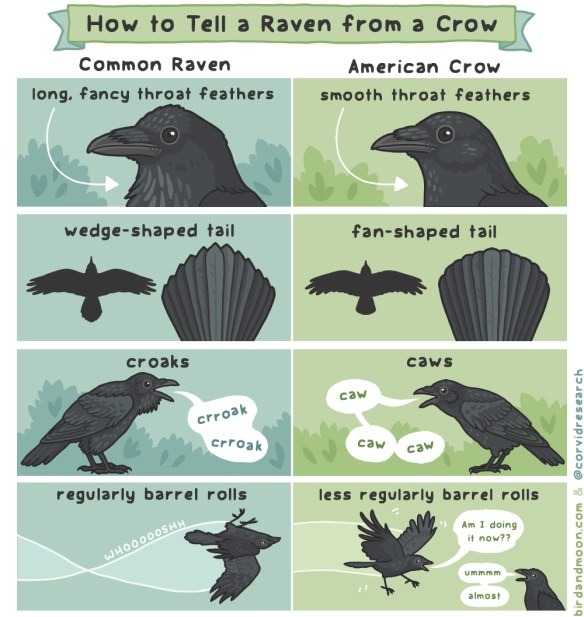
A perched raven looks heavy through the head, with a deep, prominent bill. A crow’s bill looks smaller. Ravens often show loose, shaggy throat feathers called hackles, especially while calling. A crow’s throat looks smoother, though a crow can puff up its neck.
Angle matters. A bill seen head-on looks shorter than one in profile, and shadow or a branch can hide the throat. In a sharp side view, compare the bill’s depth with the head and check the throat in that same view.
A Flying Bird: Watch the Tail and Wings
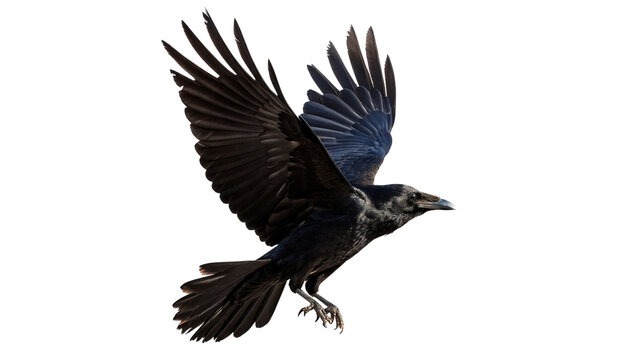
A flying crow has a short tail with a squared or gently rounded end. A raven’s longer tail narrows to a wedge or diamond when spread. Crows have shorter, broader wings and flap regularly. Ravens have longer wings and often glide or soar.
A partly closed crow tail can look pointed, and a turn, an odd viewing angle, or molt can change the outline. Cornell’s crow identification FAQ describes how a crow’s tail can look wedge-shaped.
Follow the bird through a turn or several wingbeats until the tail shape holds steady. A long tapered tail, long wings, and sustained gliding point to raven. A compact tail and regular flapping point to crow. Don’t count wingtip “fingers”; published comparisons disagree on the numbers.
What the Calls Tell You
An American Crow gives a strong, harsh caw. A Common Raven gives a lower, rougher, throaty croak. When the bird stays hidden or sits too far away for bill and tail details, the call may be all you have.
Both species have wider repertoires. Crows rattle and make other sounds, and ravens also rattle and give varied calls, so one bark-like or clicking note doesn’t settle it.
Listen to a longer sequence and compare it with the labeled examples in Cornell’s sight-and-sound guide to North American crows and ravens.
Cornell’s 2024 sight-and-sound comparison includes three labeled American Crow calls and two Common Raven calls. To weigh plumage, range, and song, cross-check with Common Raven identification and field marks.
Merlin Sound ID suggestions can be wrong, so treat an app result as one clue next to the call sequence and the field marks you saw.
Is the Raven Bigger? Only Against a Known Size
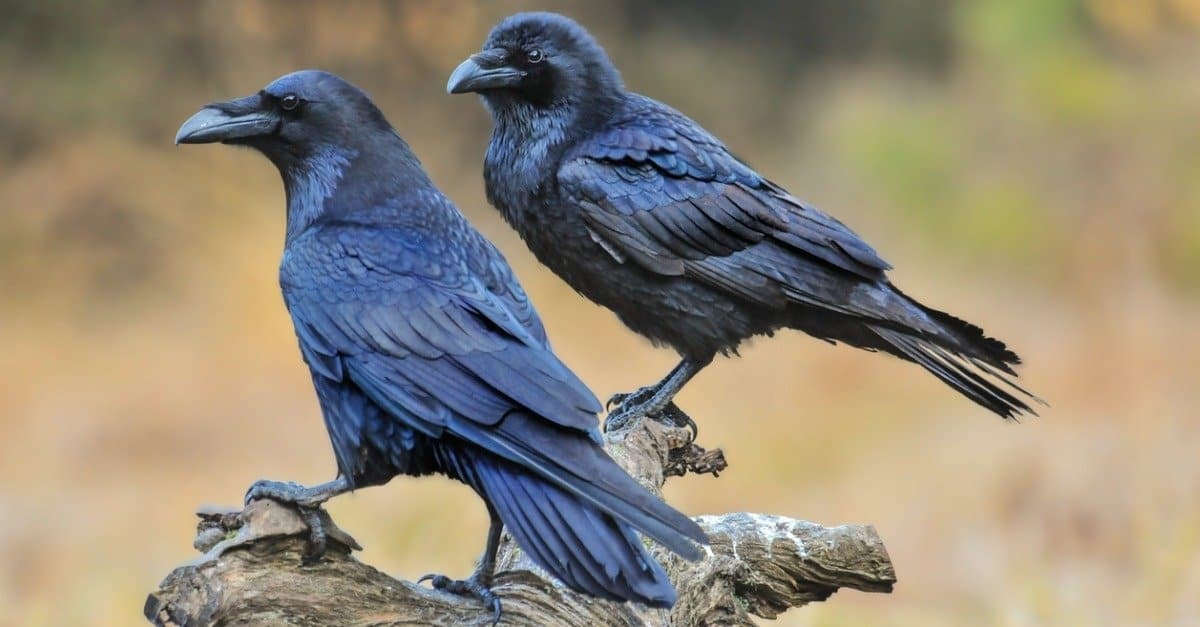
Ravens are bigger, but a lone bird in a photo has no scale. Cornell lists American Crow length as 15.8 to 20.9 inches, with a wingspan of 33.5 to 39.4 inches. Common Raven length is 22.1 to 27.2 inches, with a wingspan of 45.7 to 46.5 inches. Compare your bird with a nearby object of known size. If there is none, record the size as unknown.
Check Your Location Before Ruling Out Other Corvids
Along parts of the eastern and southeastern United States, the Fish Crow (Corvus ossifragus) is another candidate. It is smaller than an American Crow and often gives nasal, sometimes two-note calls. It can also puff up its throat feathers while calling, which gives it a ragged neck outline.
In the Southwest, the Chihuahuan Raven (Corvus cryptoleucus) shows the same long-winged, tapered-tail silhouette as a raven. It is smaller than a Common Raven, so perceived size can mislead.
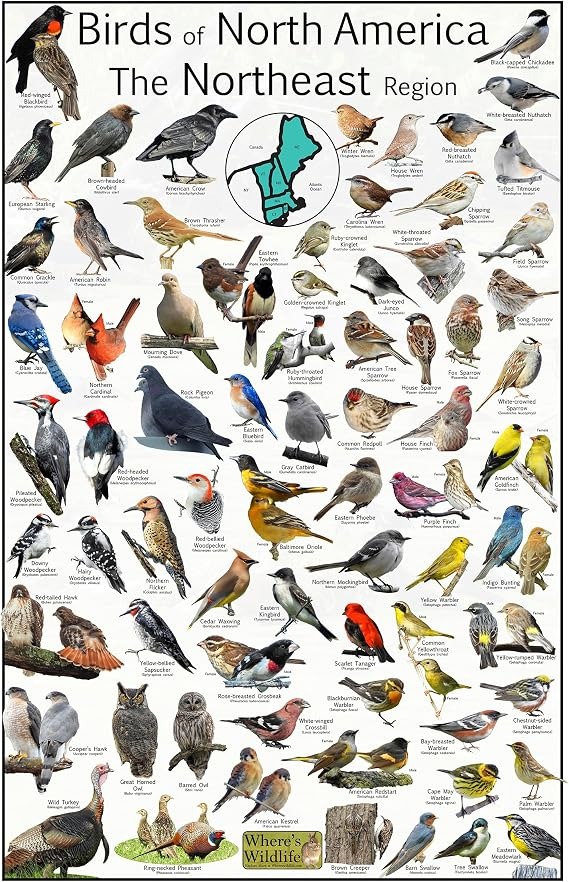
Check the place and date of your sighting against a regional field guide, Cornell range information, or a local eBird checklist to see which of the four species are plausible.
When the Photo Is Poor or the Clues Disagree
A distant photo, a single flight frame, or a call heard behind a building can leave key features unclear. Bill, plumage, and habitat checks are covered in the bird-identification methods.
Say a bird glides overhead with a tapered-looking tail and gives one harsh caw. The tail says raven and the call says crow. A partly folded tail or an unusual call could explain the mismatch. Until you get a clearer look or listen, log it as “crow or raven.”
Keep a short field record:
- Place and date: Roughly where and when.
- Visible structure: Bill profile, throat feathers, and any clear tail or wing shape.
- Sound: Repeated caws, deeper croaks, or an unfamiliar sequence.
- View quality: A sharp side profile or long flight view versus a blurred image or fleeting look.
Check any other photos or recordings you made for a clearer view. In eBird, pick a broad “sp.” or species-pair category only if it matches your uncertainty.