Many songbirds migrate at night. The air is cooler and steadier, fewer daytime predators are around, and the birds still have daylight for feeding. Soaring birds that depend on daytime thermals fly by day, and migrants facing unfavorable overnight weather travel at other times. For a U.S. birdwatcher, a dated BirdCast map is a good first look at regional movement. It does not identify species or show where to find them; those need separate observations.
A spring evening can seem quiet even while migrating birds move across the region overhead. Some fly too high to see. Others pass beyond hearing range or give no flight call. A clear sky and a silent yard can coexist with heavy nocturnal migration.
Darkness turns out to be useful. Birds on demanding seasonal journeys have to balance flight conditions, feeding time, exposure to predators and the navigation cues they can use.
Why flying at night can be worth it
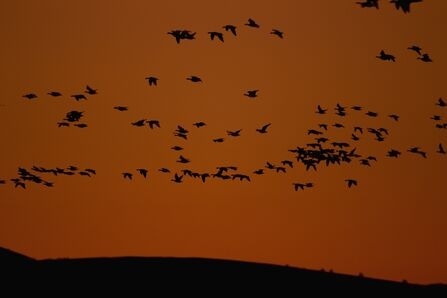
For many small migrants, night offers several advantages at once. The air is usually cooler than it was in the afternoon and less turbulent. Birds that hunt other birds mainly by day are less active after sunset. A songbird that feeds in daylight and travels at night keeps the whole next day for finding food.
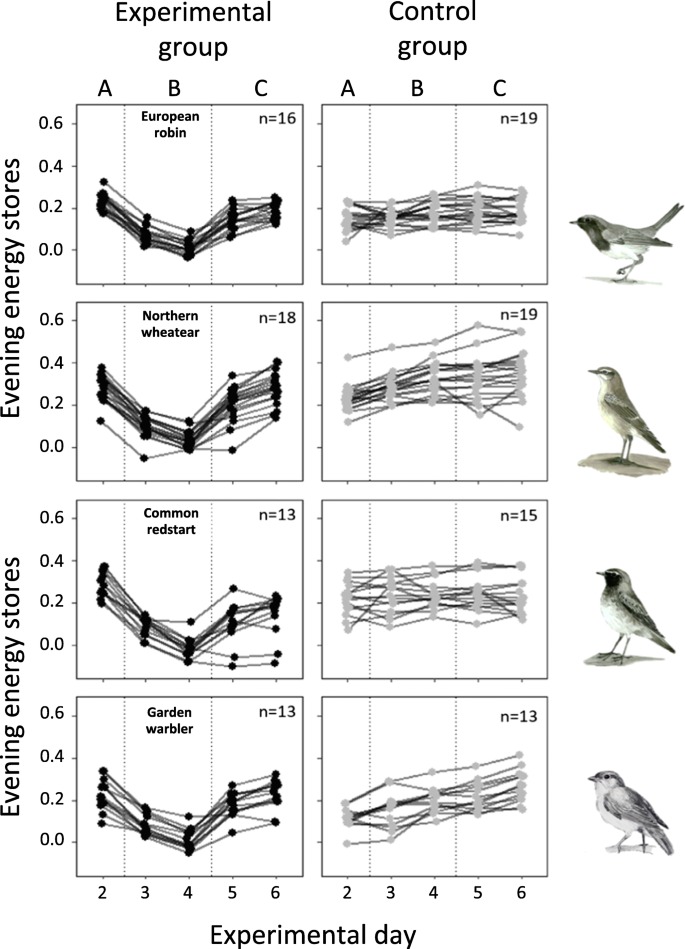
Flapping flight burns energy and produces heat. Cool air helps a bird shed that heat, and smooth air eases the effort of staying aloft, although storms and strong winds can erase that advantage.
Predation is part of the calculation too. Darkness reduces encounters with day-active aerial hunters, including certain raptors, though nighttime predators still pose risks. No single factor decides it. Cool air, daytime refueling and lower exposure all play a part, and the mix differs from bird to bird.
Seasonal migration is the movement between breeding and nonbreeding regions as resources change. Nocturnal migration is the time of day a bird picks for part of that journey. Birds also fly after sunset to hunt, feed or reach a roost without migrating.
Which birds migrate at night, and which fly by day?
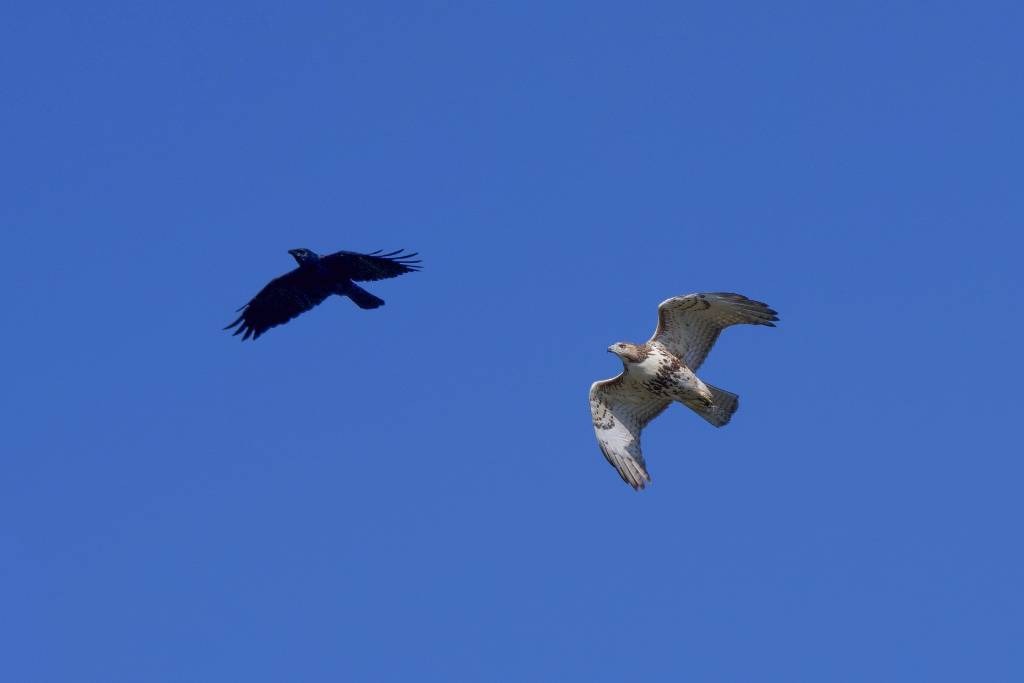
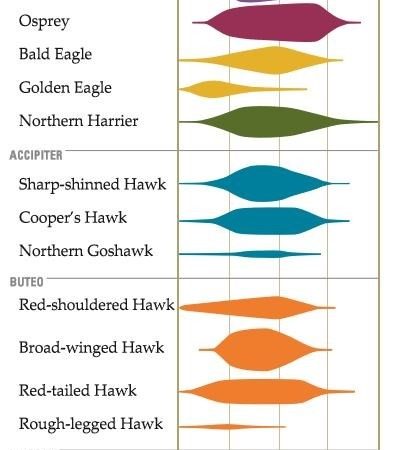
Many warblers, thrushes, sparrows and orioles make long migratory flights after dark. Other birds rely on daylight. Soaring hawks use thermals, columns of rising air produced as sunlight warms the ground, to gain height with less flapping.
Timing also varies within broad bird groups. Many long-distance shorebirds fly at night, while swallows migrate by day. Ducks and other waterfowl move at night or by day depending on species and circumstances.
| Bird or flight strategy | Common timing | Why it works |
|---|---|---|
| Warblers, thrushes and other small songbirds | Many migrate at night | Cooler flight conditions and daylight for foraging |
| Many long-distance shorebirds | Often migrate at night | Nocturnal travel is common on extensive journeys |
| Swallows and some other aerial insect-eaters | Often migrate by day | Can feed while traveling during daylight |
| Soaring hawks and vultures | Often migrate by day | Sun-driven thermals support soaring |
| Ducks and other waterfowl | Night, day or both | Timing depends on species and conditions |
A small flapping songbird and a thermal-soaring hawk pay different costs for the same trip under the same sky.
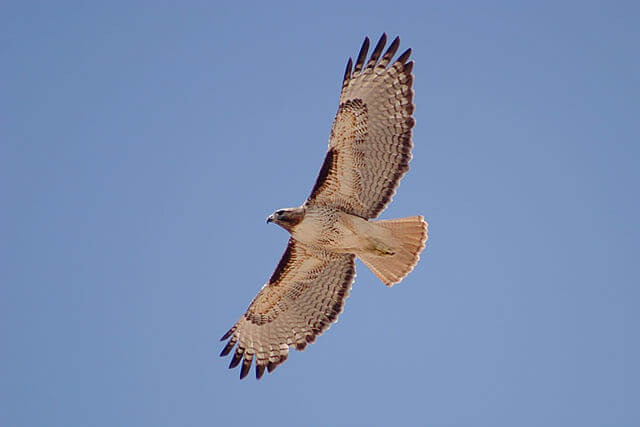
To tell whether a bird moving at night is migrating, you need the species and the season. The same silhouette could be seasonal travel, a local flight or an animal going about its usual nighttime activity.
When birds depart after dusk
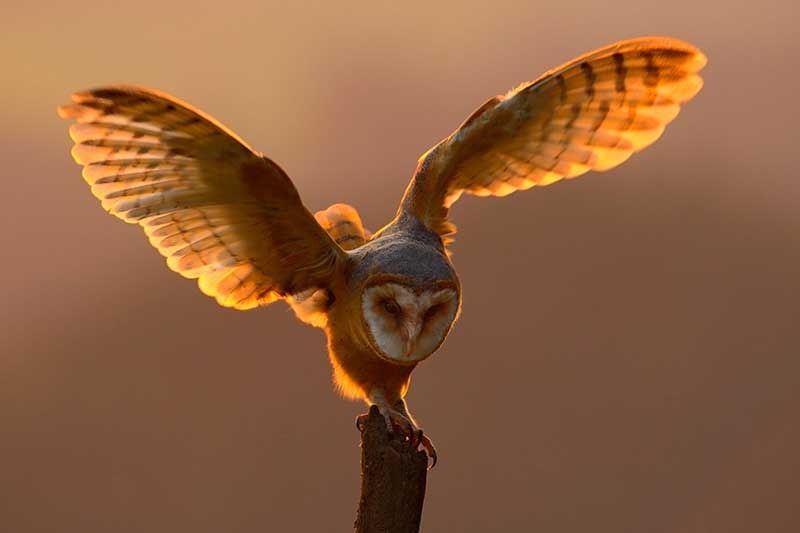
Birds starting a long migratory leg leave soon after the evening light fades. A 2023 study in Movement Ecology used automated radio tracking to follow nearly 400 birds representing nine songbird species in North America. Among birds from species or study populations judged likely to begin long-distance migration at departure, 90% left within a 69-minute window beginning at civil dusk.
Birds likely to make initial nonmigratory regional flights left later, with less synchronized timing.
The tracking ran from 2014 to 2019, and the published departure-timing study has the measurements.
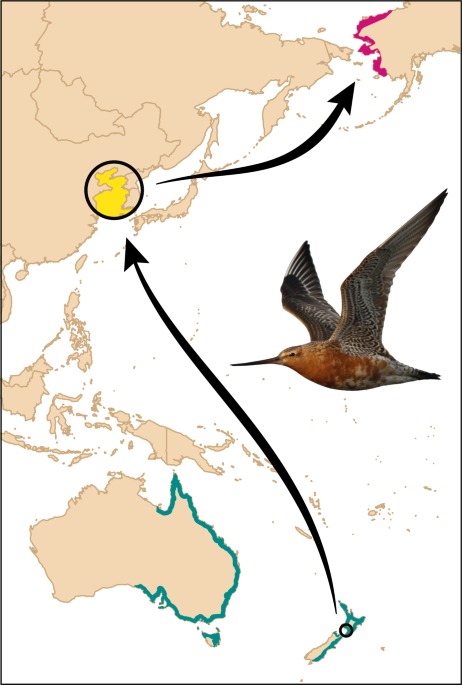
Weather helps decide which evening a bird leaves. In a related analysis involving four tested songbird species, departure was associated with atmospheric pressure rising over the preceding 24 hours.
How birds find their way after dark
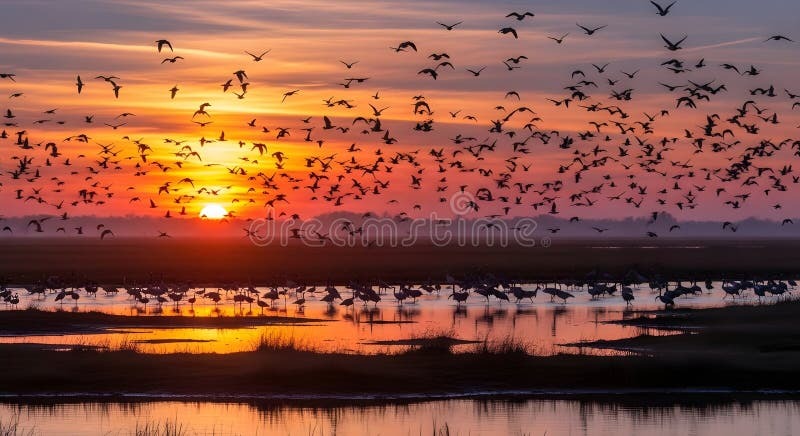
Birds orient after dark using star patterns, polarized twilight light and cues from Earth’s magnetic field. The apparent rotation of stars around the night sky gives a directional reference, as described in Cornell Lab’s migration-navigation guide. Species combine or weight these cues differently when clouds hide the sky. Orientation means holding a direction, while navigation adds the larger task of finding a route or destination. Being able to travel in darkness is a separate question from why night flight is energetically advantageous.
Why migration can pass overhead without anyone seeing it
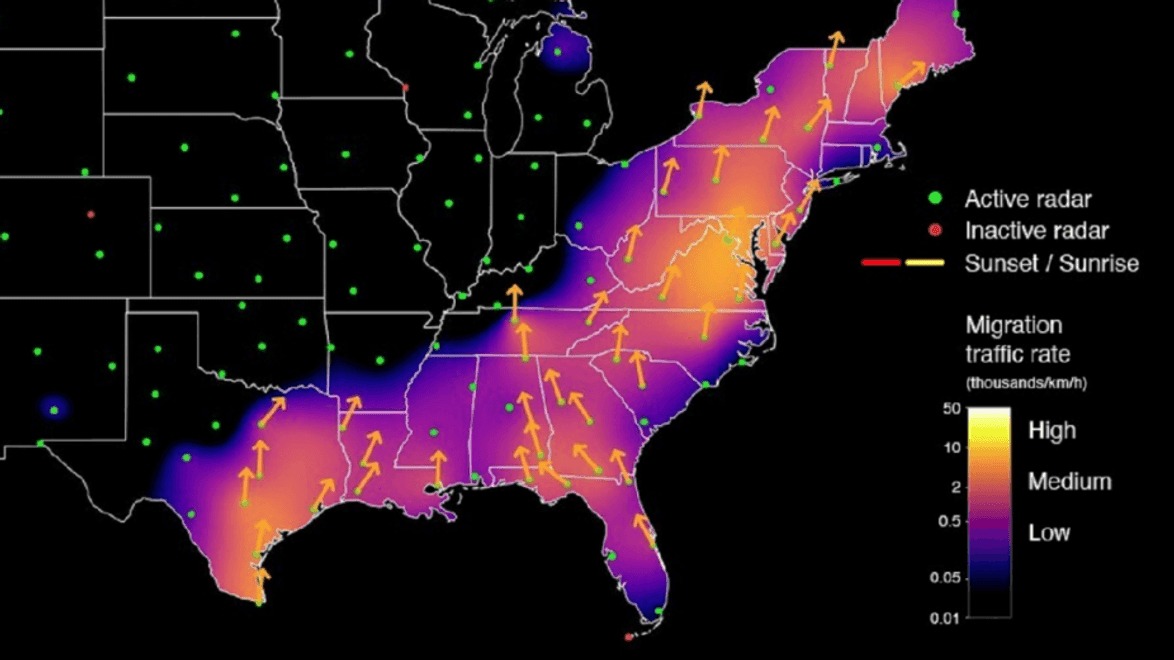
Regional radar detects bird movement high above an apparently empty yard. BirdCast analyzes weather-radar returns, separates likely biological movement from precipitation and other signals, and estimates migration across a broad area. Its traffic figures are modeled estimates.
At that scale, a county can register heavy migration while one observer sees nothing. The birds fly high and spread out.
| Evidence | What it tells you | What to use it for |
|---|---|---|
| BirdCast radar estimate | Estimated movement across a defined region and period | Assess the scale and timing of nearby migration |
| Expected Nocturnal Migrants panel | Potential species based on regional eBird observation frequencies | Consider seasonally plausible species when enough observations exist |
| Night call or visible bird | A sound or sighting at a specific place and time | Keep notes on what you saw or heard; the identification may stay open |
| Dated local bird checklist | Species other observers reported at a particular location | Plan a visit with local habitat and season in mind |

A Wisconsin resident was surprised by what the regional figures showed:
TIL that birds migrate at night and Wisconsin is in the fly way. The Cornell BirdCast has live, state and county level data showing how. It’s a busy night tonight in WI – hundreds of thousands of birds have passed over my county already this evening! You can choose your county and see the bird cast, likely birds, and how high/fast they might be flying. I’m not a birder – I had no idea. Blew my mind and thought I’d share.
BirdCast’s species panel draws on eBird observation frequencies for the region and season. When there are too few records for a reliable expected-species list, the panel is unavailable even though the radar-based migration estimate still appears.
BirdCast’s FAQ gives forecast-model training windows of roughly early March to early June and early August to early November. Its migration dashboard separately lists live-data periods of March 1 to June 15 and August 1 to November 15. Migration also occurs outside these windows in some species. Checks for radar forecasts, migration intensity and weather appear in how to read birdcast migration forecasts.
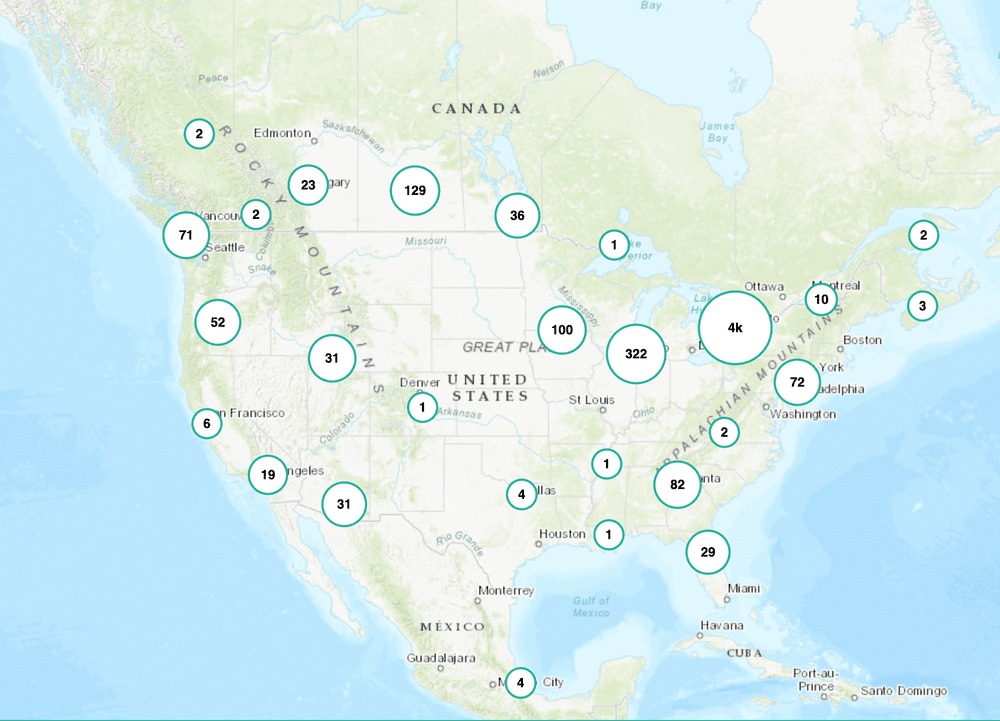
BirdCast’s migration map covers the contiguous 48 states, so Alaska and Hawaii fall outside it. The BirdCast migration dashboard guide explains how to select a county and date and read estimated traffic and expected-species information. BirdCast provides forecast maps as a separate tool. For the broader method of reading maps, see the guide to interpreting migration maps.
What nighttime calls and silhouettes reveal
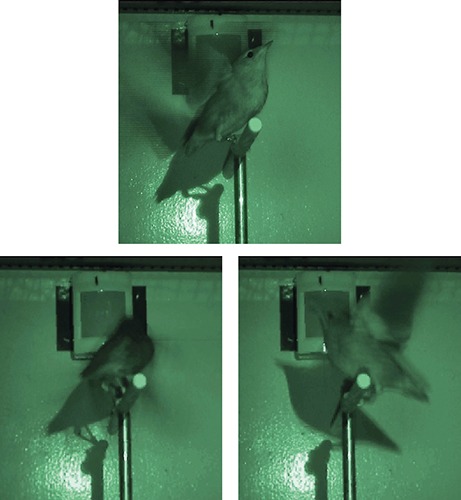
A few short notes out of the dark may be all you ever hear of birds overhead. Some migrants give nocturnal flight calls and others pass silently. Distance, flight height, wind and background noise decide whether a sound reaches a person or a microphone.
A silhouette gives different clues. Size is hard to judge in darkness, city light changes apparent color, and flock shape alone fits several species. In Minnesota, one observer described pale, V-shaped birds whose calls did not match the familiar geese:
The Canadian geese came back a few weeks ago, flying in V formation and honking the whole way. I saw something slightly different this week. The birds were still pretty large but maybe slightly smaller than a goose; it was hard to gauge distance. They were also quite pale. It was the middle of the night but they reflected the city lights on their bellies better than I expected. They were flying in a V formation but the sound they made was different. It was sort of a “twhooot” like gently blowing on a flute so it barely makes an airy windy note. I realize this isn’t a lot to go off of. I don’t need to know the answer but I wonder if there are likely guesses. Not even sure if they live here or are traveling north. I know we’ve got other large water birds here but I’m not sure what sound they all make. EDIT: Thanks for the suggestions. None of the calls are sounding familiar.
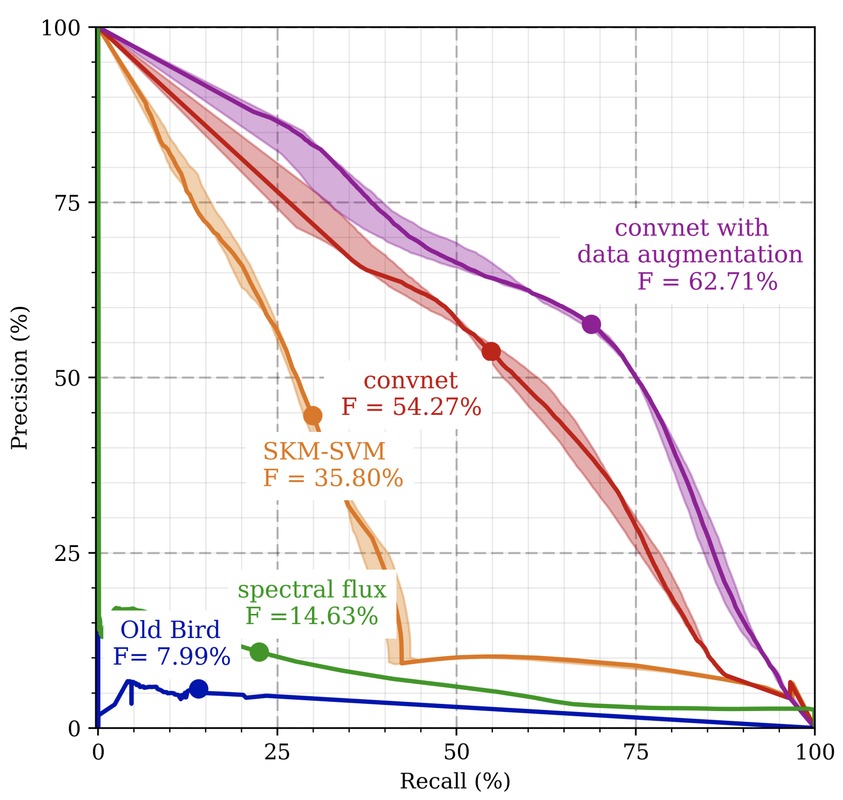
The flock stayed unidentified. In a similar situation, record the date, time, location, direction of movement, weather, visible shape and a description or permitted recording of the call. Compare these with a reputable bird guide or licensed reference recordings, and leave the identification open if it stays uncertain.
In southern New Mexico, researchers compared nocturnal acoustic monitoring with weather radar during the fall migrations of 2021 and 2022. The study, published in Ornithological Applications, found broad relationships between the methods alongside important differences among individual nights and sites.

Acoustic detections vary with cloud cover, crosswind, migrant flight height and speed, moon illumination, tailwind, date and time of night. Researchers therefore interpret call totals and radar estimates separately.
What an overnight flight means for morning birding
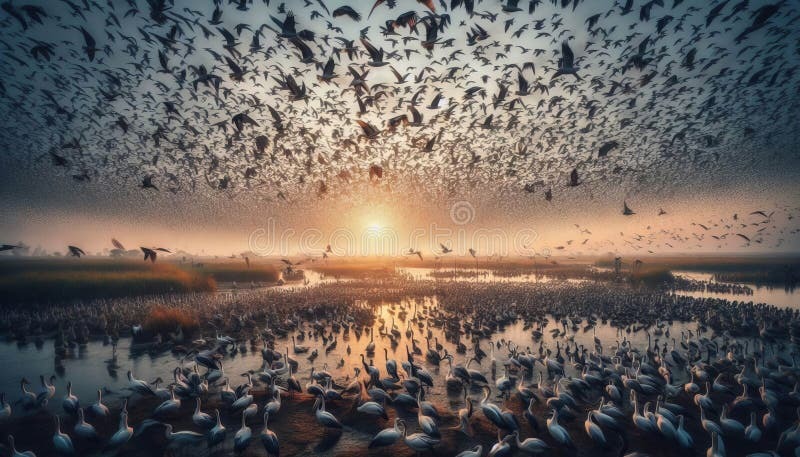
After an overnight flight, birds either land to rest and replenish energy, a stopover, or keep flying through the area. The birds you find in a particular park the next morning depend on where individuals came down, the weather and the habitat there.
A new Chicago birder used regional maps and local checklists to choose outings to Montrose and Bill Jarvis bird sanctuaries:
After that, I’ve gone to the Montrose and Bill Jarvis bird sanctuaries a dozen times and have had a great time photographing and learning new species. Every night I was checking Birdcast for live migration maps and eBird for recent checklists to decide when to go out the following morning, specifically to catch migratory species. I’ve now learned these species aren’t coming through as often anymore and I want to know what to start looking for next.
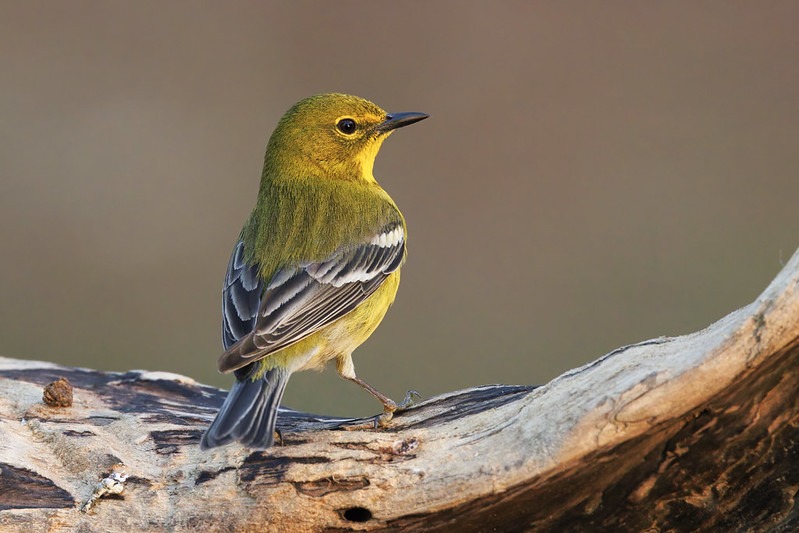
For your own morning outing, compare recent dated eBird checklists with the habitat at a prospective site, then check access conditions. Seasonal changes in those reports show what to expect once the heaviest passage has moved on. A guide to finding birding hotspots helps narrow the choice to places where habitat and recent observations fit your interests.
How artificial light affects birds migrating at night

The urban night brings conditions migratory birds did not evolve around: widespread skyglow, intense building lights and large expanses of reflective glass. Artificial light influences where birds concentrate or stop, and lit structures and windows create collision hazards.
A study published in Nature Communications in December 2023 used more than 10 million remote-sensing observations to analyze stopover density across the contiguous United States. Skyglow was a highly influential positive predictor in more than 70% of the study’s models.
The 70% reflects how often skyglow ranked as a strong predictor in the models. The study concerns stopover distribution, while collision risk depends on buildings and local conditions.
The U.S. Fish and Wildlife Service describes the risks nighttime lighting poses for bird collisions. Turning off unnecessary exterior or decorative lights during migration is a simple precaution. Glass-related measures are covered in the guide to preventing bird window strikes.