For a blue-colored bird seen in the United States, start with its size, bill, crest, and chest or wing pattern, then use location and season to narrow the list. If the clues still disagree, keep a shortlist and compare the bird with Cornell’s species guides and a dated local eBird checklist before you name a species.
A flash of blue in the backyard might be a Blue Jay, an Eastern Bluebird, or a bird from an entirely different group. The blue may cover the whole body, show only on the wings, or look gray in shade. Don’t judge by one clue. Check plumage, range, and song against Eastern Bluebird identification and field marks.
There are three true North American bluebird species in the genus Sialia: Eastern, Western, and Mountain Bluebirds. Indigo Buntings, Blue Grosbeaks, jays, and swallows can also look strikingly blue, and their shapes and plumage patterns set them apart. For bill shape, plumage, and habitat, read how to distinguish Blue Jays from bluebirds before you settle on a name.
Which Blue Bird Did You See? Start With Shape and Size
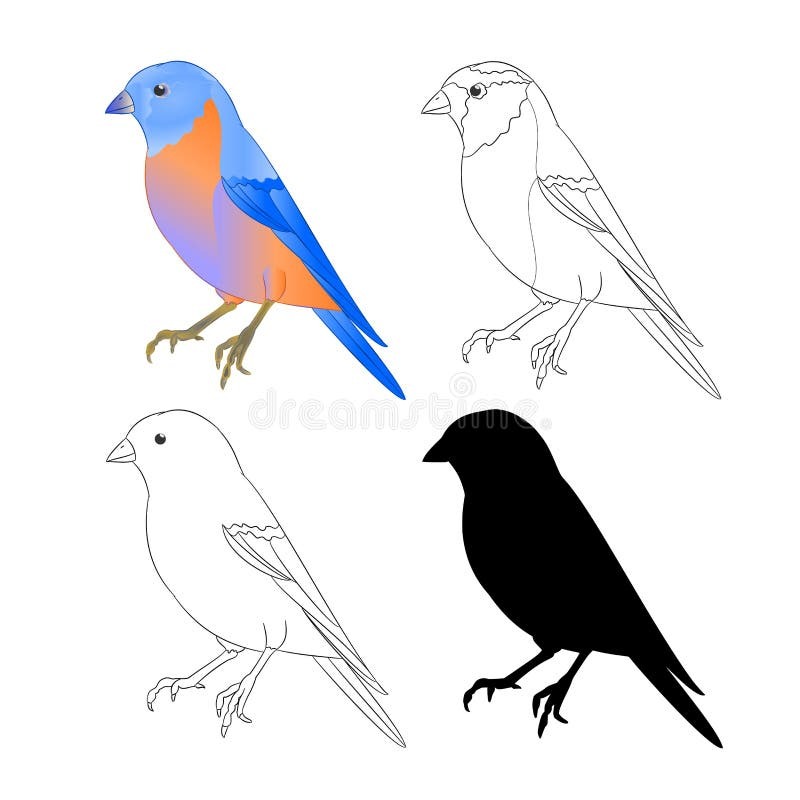
Begin with the outline you saw. A prominent crest, a heavy seed-eating bill, a rounded thrush-like body, and pointed wings each lead to a different group.
| What you noticed | First group to consider | Useful next clue |
|---|---|---|
| Larger, sturdy bird with a long tail; crest present or absent | Jays, including crestless scrub-jays | Crest, dark collar, partial blue necklace, or wing and tail barring |
| Small, rounded, thrush-like bird; an Eastern Bluebird is smaller than an American Robin | Eastern, Western, or Mountain Bluebird | Throat, breast, and underside color pattern |
| Conical seed-eating bill; an Indigo Bunting is roughly sparrow-sized, while a grosbeak has a much heavier bill | Buntings and Blue Grosbeak | Bill proportions, chestnut wingbars, orange breast, or white belly |
| Streamlined bird with pointed wings, often seen flying | Swallows | Blue-green upperparts and pale or white underside |
If the bill or head was hidden, wait for another mark before you pick a group. A silhouette that fits none of these rows needs a broader field guide.
The Three True Bluebirds: Eastern, Western, and Mountain
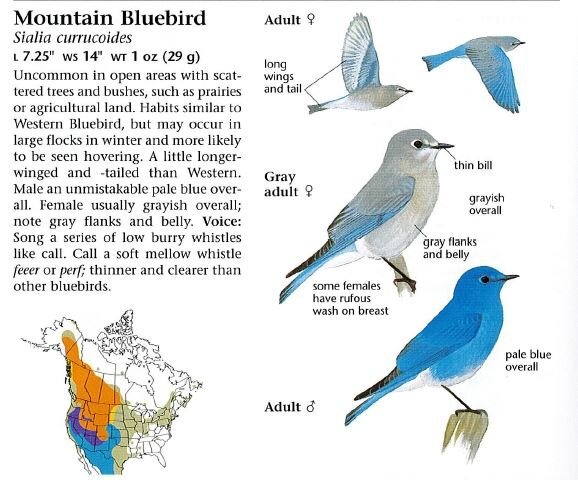
Eastern, Western, and Mountain Bluebirds are the three North American members of the genus Sialia. Adult males differ in throat and breast pattern, which can separate them in a clear view.
| Species | Adult male field marks | Habitat context |
|---|---|---|
| Eastern Bluebird (Sialia sialis) | Blue above, rusty throat and chest | Open habitats |
| Western Bluebird (Sialia mexicana) | Blue throat, rusty vest and rusty upper back | Western open woodland |
| Mountain Bluebird (Sialia currucoides) | Sky-blue above and below, without the prominent rusty vest | Open western habitats |
The throat matters most in a side view. Rust reaches the throat on a male Eastern Bluebird, while a male Western Bluebird shows blue there. If a branch hides the throat, the orange chest alone won’t settle it. Cornell’s Eastern Bluebird identification guide lets you check visible marks against photographs.
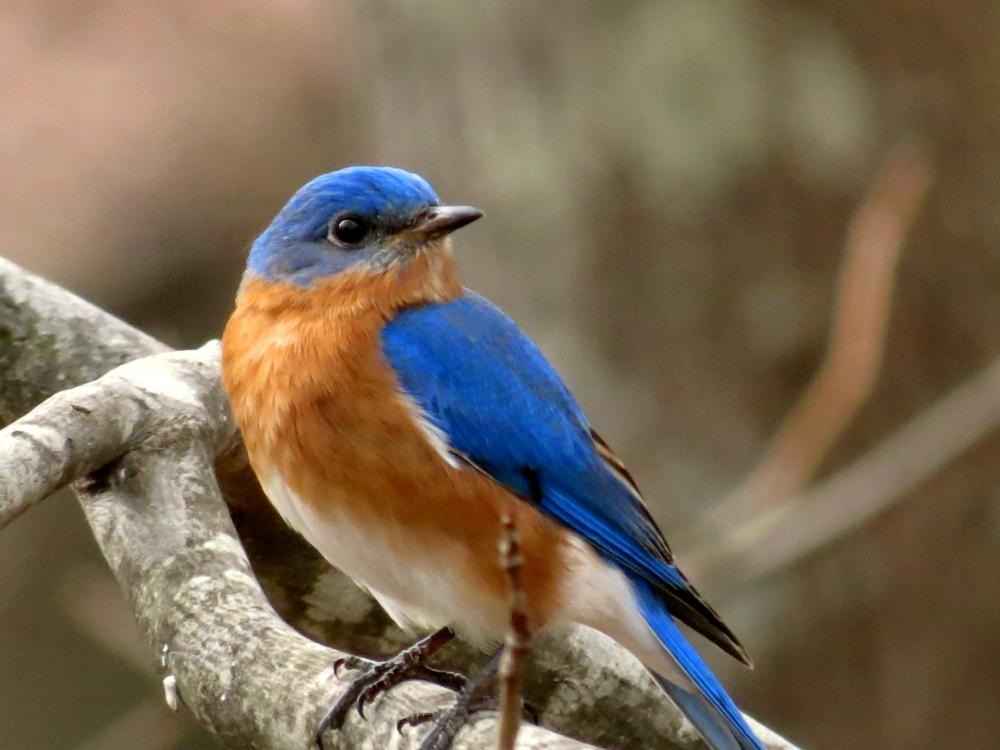
One birder described the jump from familiar Blue Jays to a new bluebird after moving to a more rural area:
I was always excited to see a blue Jay or cardinal when I was a kid. I didn’t get really into birding until I moved to a new area (not even an hour away, but more rural) and suddenly saw all these birds I’d never seen before. Eastern bluebird and pileated woodpecker did it.
Large Blue Birds: Blue Jay, Steller’s Jay, and Scrub-Jays
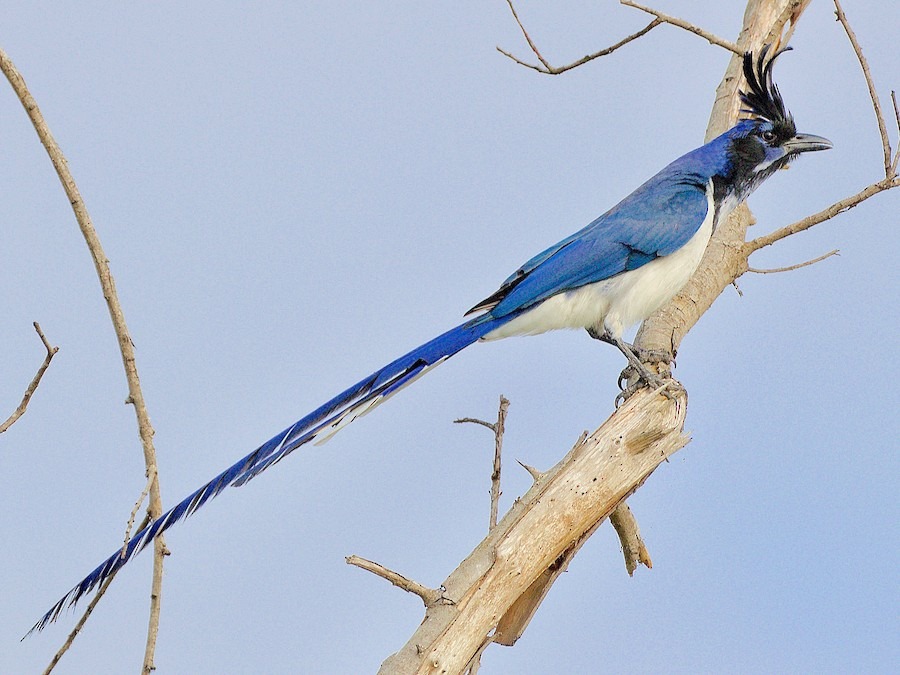
Jays include both crested and crestless blue birds. Blue Jay and Steller’s Jay have prominent crests, while California Scrub-Jay has a smooth, crestless head. Crest shape stays clear even when the shade of blue is hard to judge.
A Blue Jay (Cyanocitta cristata) has a dark collar around the neck and bold barring on its wings and tail. Trust those marks over the richness of the blue. For plumage, range, and song, see Blue Jay identification and field marks.
Steller’s Jay (Cyanocitta stelleri) has a dark head and crest set against a blue lower body. It is a western bird.
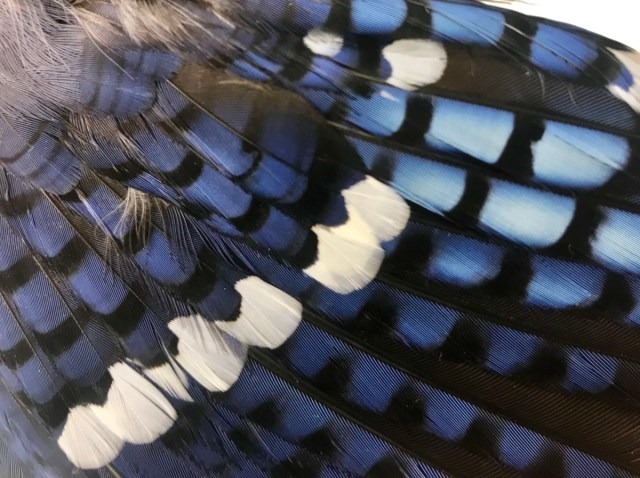
California Scrub-Jay (Aphelocoma californica) has a crestless head, blue-and-gray upperparts, pale underparts, and a partial blue necklace. Cornell places it in West Coast oak woodland, chaparral, and other open habitats.
In the interior West, Woodhouse’s Scrub-Jay is another crestless blue-gray jay. Compare its grayish underside and thin, partial blue breast band with California Scrub-Jay’s pale underparts and blue necklace.
Indigo Bunting, Lazuli Bunting, or Blue Grosbeak?
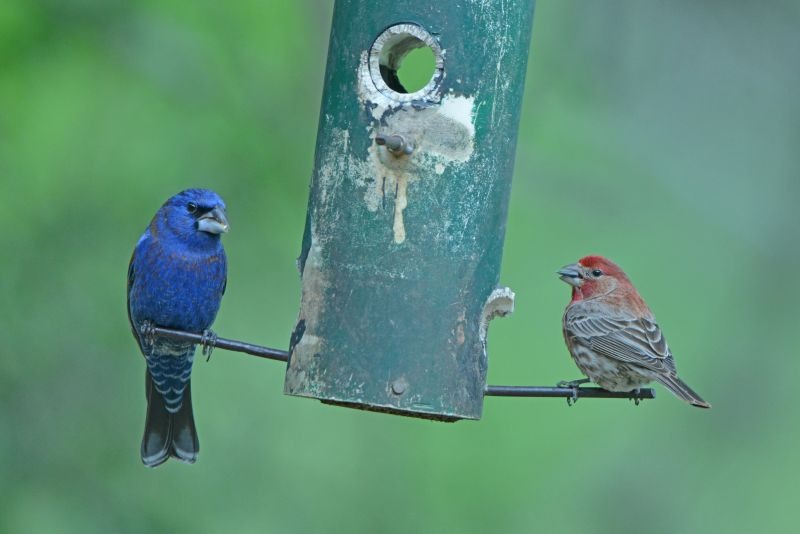
A small blue bird with a conical bill may be an Indigo Bunting, Lazuli Bunting, or Blue Grosbeak. Bill depth, wing pattern, and the colors below the head tell them apart.
| Bird | Adult male pattern | Best distinguishing clue |
|---|---|---|
| Indigo Bunting (Passerina cyanea) | Extensively blue breeding plumage and a silver-gray conical bill | Smaller bill and no conspicuous chestnut wingbars like those of a Blue Grosbeak |
| Blue Grosbeak (Passerina caerulea) | Deep blue with chestnut wingbars | Substantial conical bill and the brownish bars across the wing |
| Lazuli Bunting (Passerina amoena) | Blue head, orange breast, white belly and white shoulder pattern | Orange-and-white front beneath a blue head |
Wingbars are contrasting bands across the folded wing. In a dark photo the chestnut bands of a Blue Grosbeak are easy to miss, so go by its heavy bill. An Indigo Bunting’s more modest bill looks clearly different when you see both birds well.
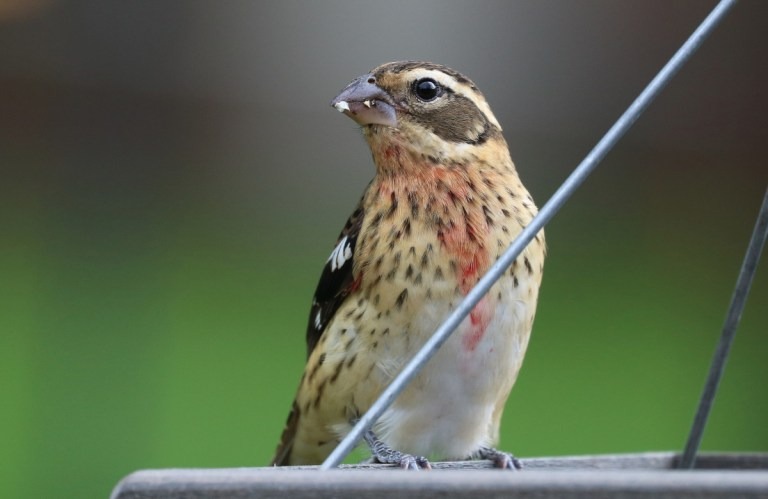
An orange chest points to Lazuli Bunting, especially when you can see a white belly and a conical bill. That matters when your first description could also fit a male Eastern or Western Bluebird.
Cornell places Indigo Buntings at brushy edges, Blue Grosbeaks in scrubby fields, and Lazuli Buntings in western shrubby habitats. Females and molting birds look different from the bright breeding males and need their own comparison.
Blue-Green in Flight: Recognizing a Tree Swallow
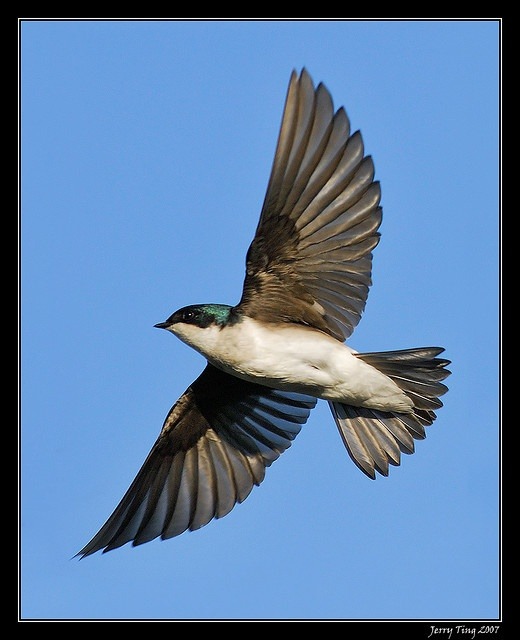
A blue-green bird crossing a field or open water on pointed wings, with white underneath, fits a Tree Swallow (Tachycineta bicolor). Its streamlined shape and aerial movement look nothing like a perched bluebird or bunting. If you never saw the underside, “swallow-like” is enough for now.
Why a Blue Bird Can Look Gray, Brown, or a Different Blue
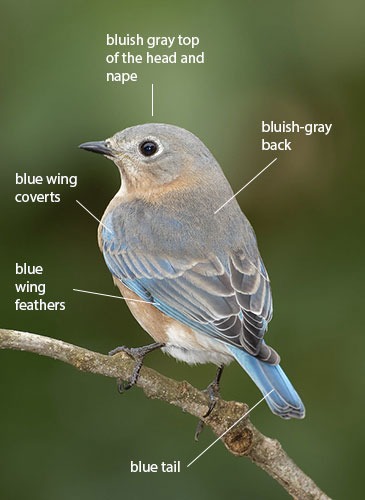
The vivid bird in a field guide is often a breeding male. Female Mountain Bluebirds are largely gray with some blue, while female Eastern Bluebirds are duller than males and keep blue in the wings and tail. A gray-looking bird can still be a bluebird if its shape and other features match.
Female Indigo Buntings are brown, and a molting Indigo Bunting can show blue and brown together. Female Blue Grosbeaks are also brown. Mixed or muted plumage explains why a bird may look unlike its adult male portrait.
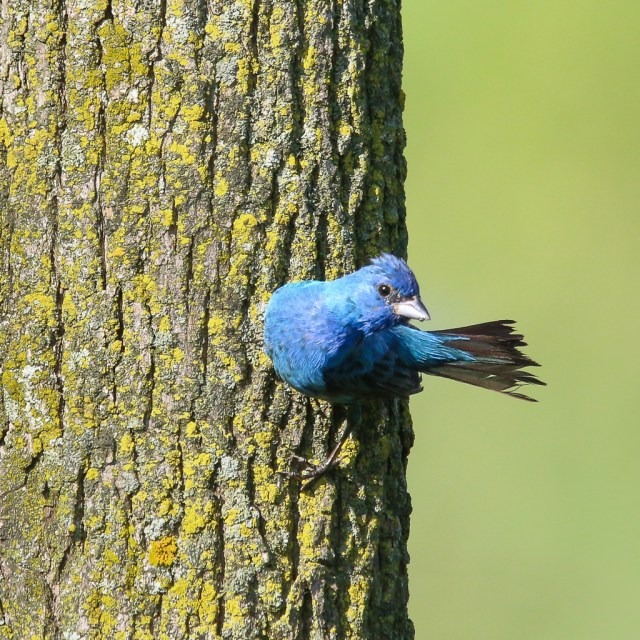
Much of the blue in birds such as bluebirds and jays is structural color. Microscopic feather structures scatter light to create the blue, which can fade in poor light or backlighting. Strong iridescence is another structural effect: the hue changes sharply as the viewing angle changes. Cornell explains these mechanisms in How Birds Make Colorful Feathers.
In a shadowed or distant photo, separate a change in apparent shade from a missing field mark. If the bill or wing detail never showed clearly, the photo supports only a broader group.
Where and When You Saw It Changes the Shortlist
Geography and season decide which of several similar-looking birds deserves a closer look. Habitat counts too: a bird over open water belongs to a different group from one perched in shrubs.
Some of these birds share habitat. One birder reported an unexpected mix of blue birds in one tree during a hike:
Brand new to birding. I just started birding while I hike, and I found my 2 favorite birds hanging in the same tree. Mountain Bluebird and Lazuli Bunting. A female Bluebird hung out with them and at one point a Northern Flicker bombed in and hung out on the same branch. Do these 2 normally hang out together? It seemed like they were taking turns keeping watch for each other.
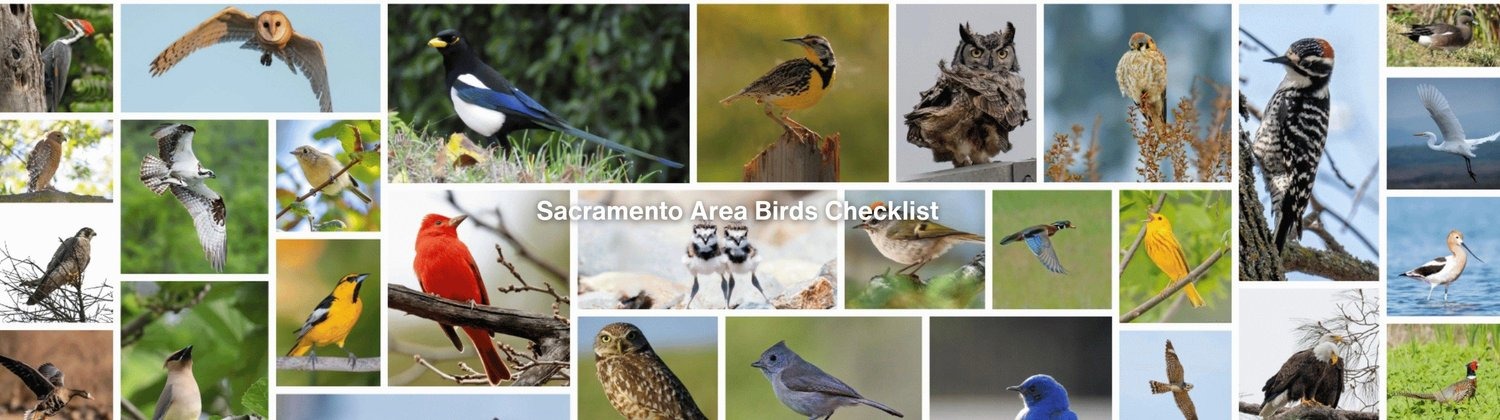
To check your sighting, use the eBird guide to exploring regions and hotspots to find your state or county. Choose the month you saw the bird, then read the illustrated checklist or the regional Bar Charts. In a bar chart, each part of the year shows how often a species was reported on complete checklists in that region. A taller bar means the species appeared on more of those checklists during that interval.
These frequencies reflect checklist reporting, shaped by observer effort and the area sampled. They show seasonal likelihood, not total bird numbers or a confirmed sighting.
When the Photo, Song, or App Does Not Agree
A photo or audio tool can name a species even after a brief sighting. The strongest clue is one you can recognize on the bird yourself: the bill shape, a visible wingbar, or the chest pattern.
Merlin Bird ID offers Photo ID and Sound ID to suggest species from photographs and recordings. Treat each suggestion as a guess to check against the field marks you saw.
Say Merlin suggests Indigo Bunting, but the visible bill looks thick and the folded wing shows chestnut-colored bars. Those marks point to Blue Grosbeak instead.
When the photo hides the wing or several birds called at once, note what you did see and wait for a clearer look.
Confirm the Bird or Leave the ID Open
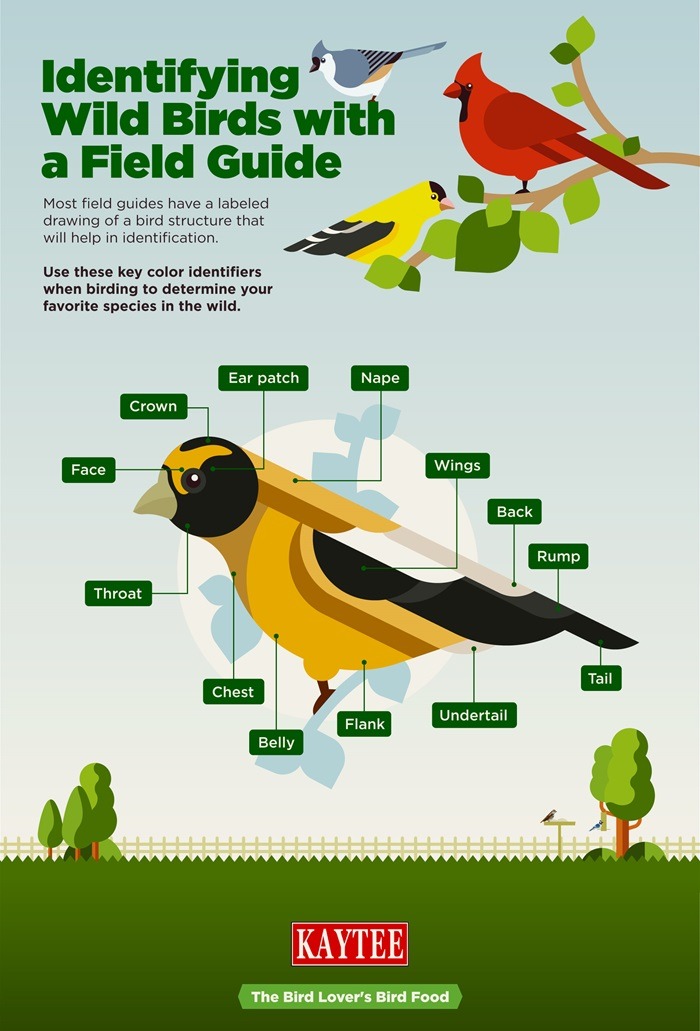
Run through this list before you name the bird.
- Group: Do the outline and bill fit the group you picked: bluebird, jay, bunting, grosbeak, or swallow?
- Field marks: Does the throat, breast, wing, head, or tail pattern match? Aim for two clear marks.
- Setting: Are the location, date, and habitat right for the species?
- Reference match: Do the distinctive marks agree with the Cornell species description and photographs?
- Uncertainty: Write down anything unclear, such as hidden wingbars or an unclear bill.
Keep your distance from active nests, and never handle wild birds to get a closer view.