Start with the bird’s build and its bill. Large, long-necked birds point to herons, egrets or cranes, while a small body on very long legs suggests a stilt, avocet or another shorebird. A curved or spoon-shaped bill narrows the field further. In flight, a Great Blue Heron folds its neck back and a Sandhill Crane holds its neck out. Habitat, region and age do the rest.
Which Long-Legged Bird Did You See? Start With Its Shape
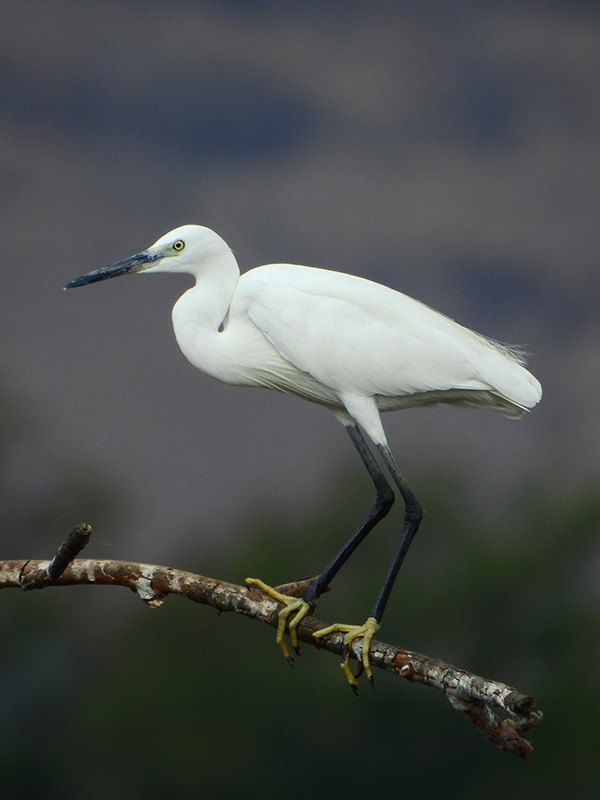
A tall gray bird beside a pond and a delicate black-and-white bird on pink legs share one obvious trait. Their bodies, bills and feeding habits differ a lot, though.
Begin with proportions. Is the body heavy with a thick neck, or small and raised on slender legs? Is the bill straight and pointed, curved up, curved down or wider at the tip?
| Overall appearance | Bill shape | Extra clue | Likely group |
|---|---|---|---|
| Large body, elongated neck, broad wings | Long, straight, spear-shaped | Stalks prey around water | Herons and egrets |
| Tall, bulky, long-necked gray bird | Fairly straight, substantial | Long neck visible in flight | Cranes |
| Slim body with exceptionally long legs | Fine straight or upturned bill | Feeds along shallow edges | Stilts, avocets and related shorebirds |
| Long-legged wader with elongated neck | Slender, downcurved bill | Probes wet ground or shallow water | Ibises |
| Broad-bodied wader, sometimes pink | Flattened, spoon-shaped tip | Sweeps bill through shallow water | Spoonbills |
Ask first whether the whole bird is tall, or mostly the legs.
Wading bird is a broad term, not one biological family. Herons, cranes, ibises and shorebirds belong to different groups.
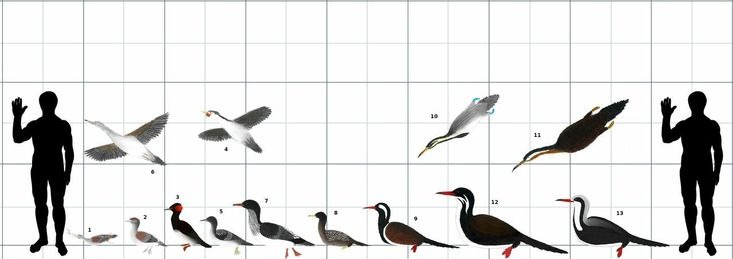
White plumage and a waterside setting occur in several of these groups. When distance or vegetation hides the bill, the body outline is all you have to go on at first.
A Green Heron tests your sense of proportion. It has a compact body, short legs and a thick neck held close to the body, yet it is a heron.
Heron or Crane? Look at the Neck in Flight
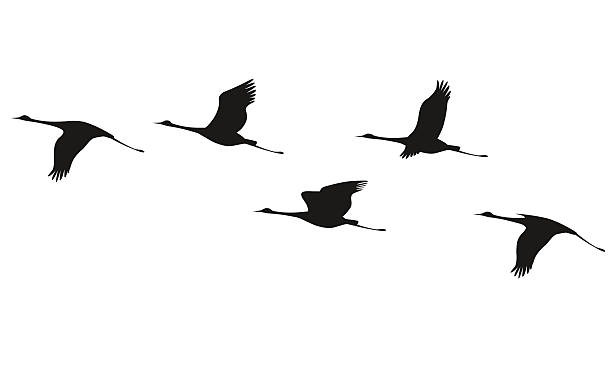
A Great Blue Heron flies with its neck pulled back into a compact S-curve and its long legs trailing behind. A Sandhill Crane flies with its neck stretched forward and its legs trailing, which gives it a longer outline and a bulkier middle. Plumage, range and song are covered in Great Blue Heron identification and field marks.
| Feature | Great Blue Heron | Sandhill Crane |
|---|---|---|
| Neck in flight | Retracted into an S-curve | Extended forward |
| Legs in flight | Long legs trail behind | Long legs trail behind |
| Body proportions | Long, slender body | Bulkier body and fuller outline |
| Bill | Long and daggerlike | Substantial, straight |
| Plumage clues | Predominantly bluish-gray | Predominantly gray; adults show a red crown |
| Important exception | Occasionally flies with the neck extended | Other long-necked waders also fly with extended necks |
From a distance, a heron’s tucked neck can make the front of the bird look short, and its trailing legs can look like an odd tail.
A Reddit observer in Washington County, New York described exactly that sort of puzzling silhouette.
Location: Washington County, NY, USA. Just saw this thing fly overhead and it honked twice. I thought it was just a goose but looked up and saw this bizarre silhouette… like it had a pterodactyl tail and some sort of frigate-bird-looking sac under its neck?
Birds overhead are hard that way. You notice a striking shape without knowing which end is the head or what the trailing projections are.
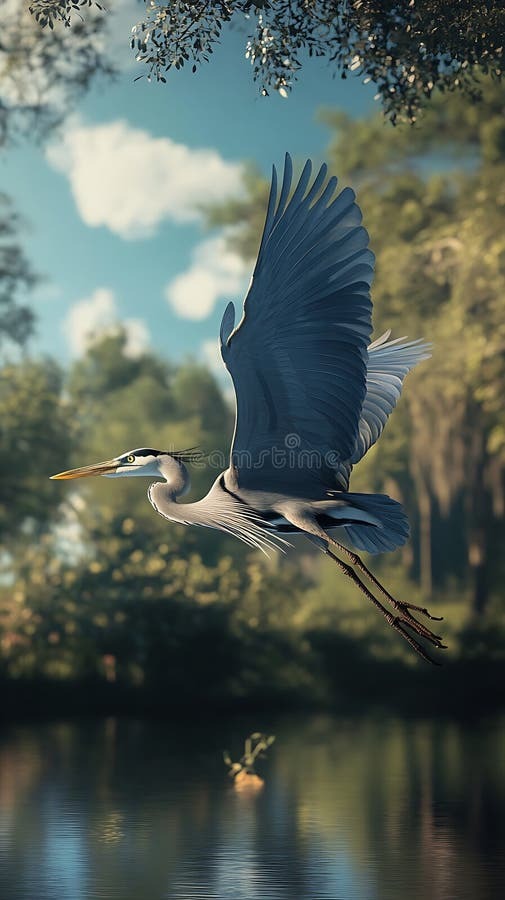
When you compare flight photos, find the direction of travel first. Then check neck position, body bulk and leg projection together. A remembered honk adds a clue but won’t settle it alone.
Cornell lists the Sandhill Crane at 47.2 inches (120 cm) in length, with a wingspan of 78.7 inches (200 cm).
For the heron’s flight posture and its exceptions, Cornell’s Great Blue Heron identification guide has comparison photos.
Big White Bird With Long Legs: Which Heron or Egret?
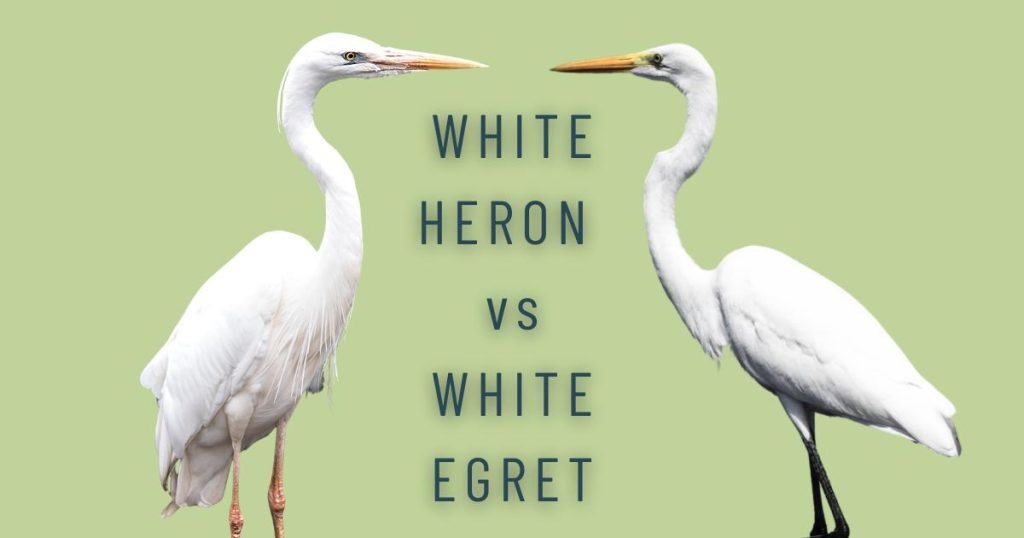
A large white bird in shallow water could be a Great Egret. A smaller white bird with dark legs and bright yellow feet suggests an adult Snowy Egret. An all-white juvenile Little Blue Heron is another candidate, and a compact Western Cattle-Egret could be feeding in a nearby field.
| Bird | Size and build | Bill | Legs and feet | Setting and age clues |
|---|---|---|---|---|
| Great Egret | Large, elegant, long S-curved neck | Long, pointed, yellow-orange in American adults | Dark legs | Moves slowly through shallow water |
| Snowy Egret | Smaller, slender; 56 to 66 cm reference length | Usually black in adults | Adult black legs, yellow feet | Immature leg color is dull or greenish |
| Juvenile Little Blue Heron | Slim heron; 56 to 74 cm species reference length | Two-toned | Color varies with age | White juvenile plumage, sometimes dusky outer wing tips |
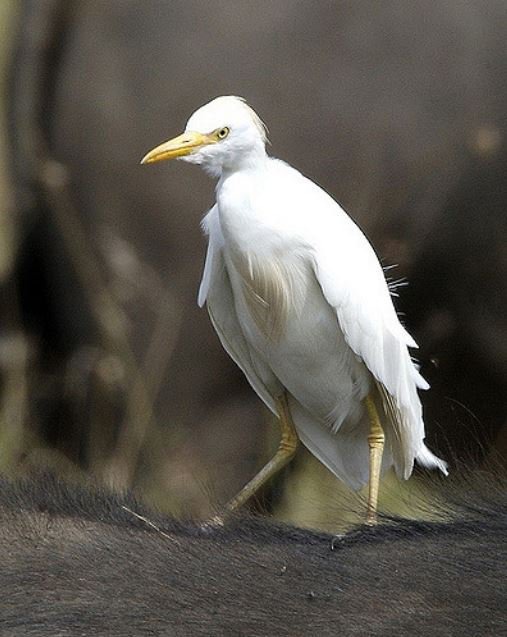
| Western Cattle-Egret | Compact, stocky; 46 to 56 cm reference length | Short and thick | Bill and leg colors change with age or breeding condition | Forages in grassy fields near grazing animals |
Length ranges overlap, so size alone won’t separate these birds.
Juvenile Little Blue Herons start out mostly white. As they mature they turn patchy white and blue before reaching the dark adult look.
Snowy Egrets complicate things too. Black legs with yellow feet fit many adults, but young birds can show duller, greenish legs.
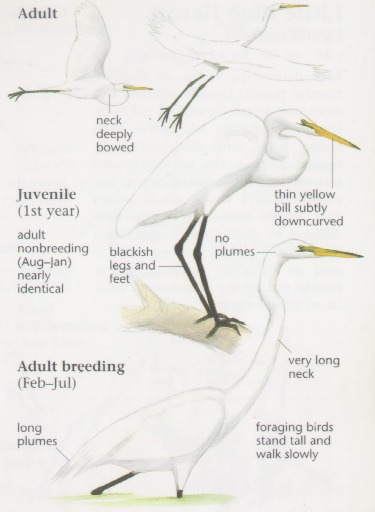
For a white wader, check the full leg including the feet, then the bill’s length and color, the bird’s bulk and how it feeds. Cornell’s comparison of white herons shows how age and build change the picture.
Very Long Legs on a Small Body: Stilts, Avocets and Yellowlegs
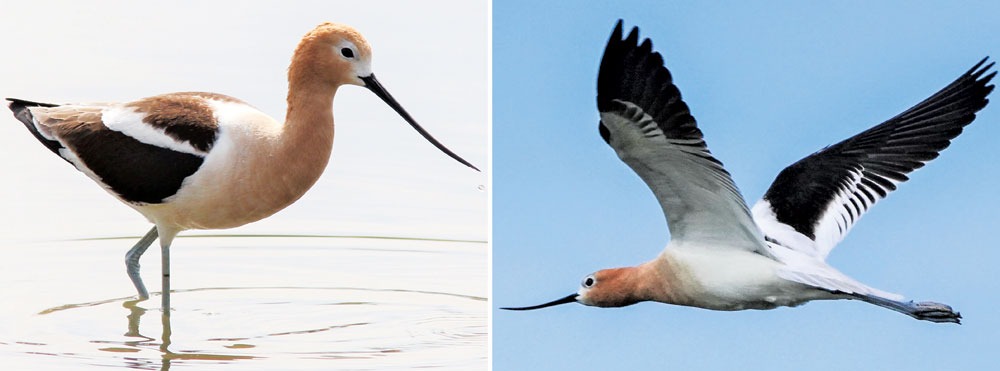
Some of the most obviously long-legged birds have small, light bodies. Black-necked Stilts and American Avocets have legs that look exceptionally tall beneath a narrow body. The bill separates the two best.
| Bird | Bill | Legs and appearance | Feeding or seasonal clue |
|---|---|---|---|
| Black-necked Stilt | Fine, straight, dark | Very long pink legs; contrasting black-and-white body | Feeds in shallow wetlands; juveniles look browner |
| American Avocet | Long, slender, distinctly upturned in typical adults | Long legs; black-and-white body | Sweeps bill sideways; breeding birds have a rusty head and neck |
| Greater Yellowlegs | Long and substantial at the base, often with a slight upward curve | Slim shorebird with yellow legs | Build and voice provide additional clues |
| Lesser Yellowlegs | Slimmer and straighter; extends a little beyond the head | Similar slim build and yellow legs | Relative size and voice help in comparison |
In profile, a stilt’s bill looks needle-straight and an avocet’s curves upward.
Outside the breeding season, an avocet’s rusty head and neck turn paler and grayish. Young avocets have bills that look less curved.
Yellowlegs are harder, especially when a photo has no size reference. Bill structure and voice together support a more specific identification.
For a suspected stilt or avocet, get a clean side view of the bill. Combine the curve with body proportions and plumage contrast, then check Cornell’s American Avocet identification photographs.
Curved Bills and Spoon Bills: Ibises and Spoonbills
An adult White Ibis has a slender, downward-curving bill, mostly white plumage and reddish-pink legs and bare facial parts. Immatures are brown and white. Ibises probe wet ground and shallow water.
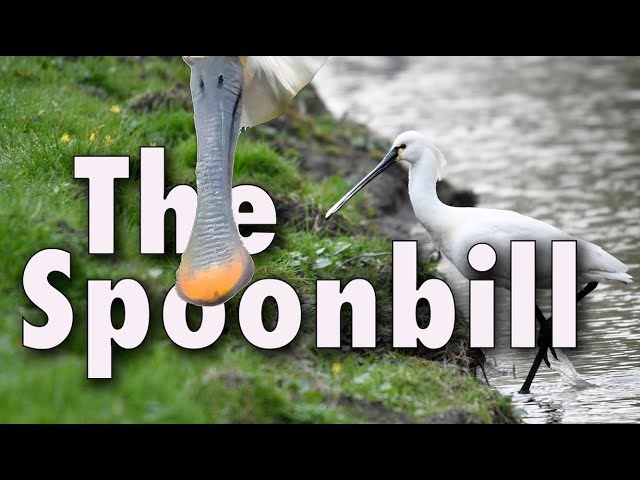
A Roseate Spoonbill is a pink wader with a broad, flattened bill that widens toward the tip. Young spoonbills are paler and have feathered heads. Spoonbills sweep their partly open bills from side to side.
Both groups fly with their necks extended, as cranes do.
Where Was It? A Marsh, Shoreline, Pasture or Neighborhood

Setting changes the shortlist.
- Marshes, ponds and lake edges: Herons and egrets stalk prey along shallow margins. Ibises and spoonbills also use wetlands.
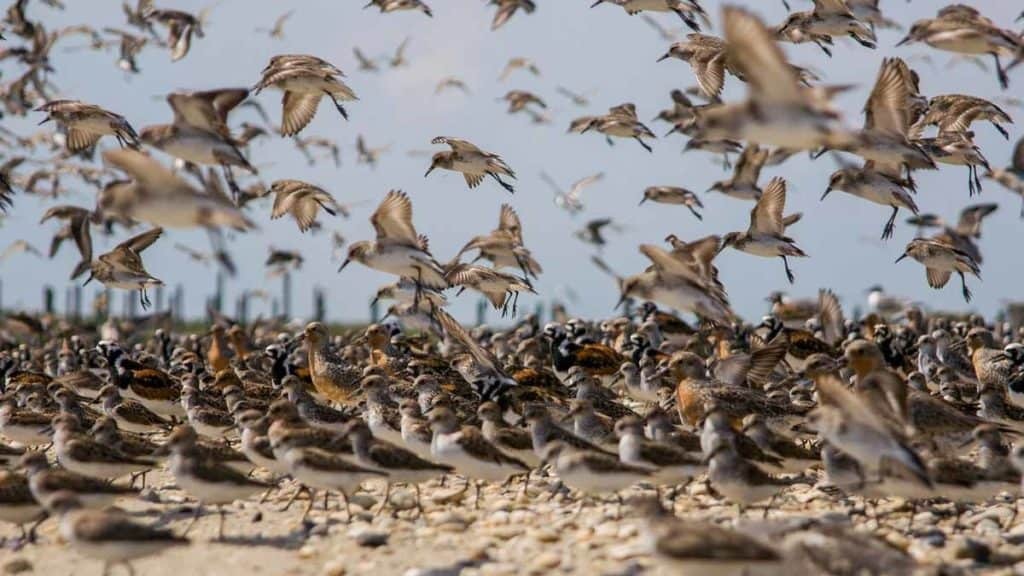
- Mudflats and shallow shorelines: Stilts, avocets and yellowlegs fit a lighter bird with the right bill.
- Pastures and open fields: Western Cattle-Egrets forage on grassy ground, including around grazing animals. Sandhill Cranes also feed in open landscapes.
- Neighborhoods and developed settings: A lawn, road or rooftop does not identify a bird. Proportions and behavior still do.
Great Blue Herons also forage on land and cranes use wetlands, so the categories overlap. Use them to pick candidates.
Sort the setting into freshwater wetland, coastal shallows, grassy land or developed habitat, then drop candidates whose usual environment does not fit.
When the Clues Disagree: Age, Angle and Lighting
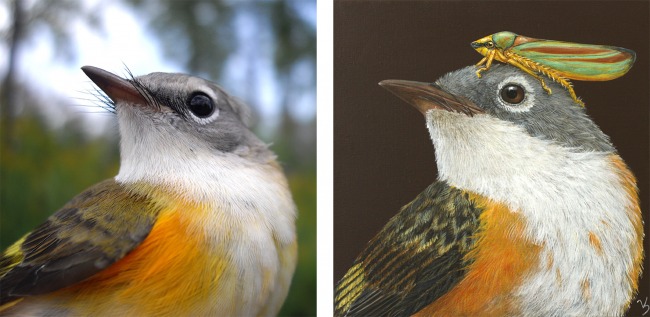
Two photos of the same bird can lead to different guesses: one shows the bill, the other hides it. In a distant flight shot you can even misjudge which way the bird is heading.
One commenter in the New York flight-identification discussion read the silhouette differently.
i’m going to go against the grain! this looks way more like a sandhill crane silhouette to me than a GBH. i do think your drawing looks more like great blue, but the actual photo— looks like a sandhill crane to me. perhaps you can listen to each of their calls on merlin to help with the honk you heard. SHC are more likely to honk when flying, i’ve found.
That comment is a personal judgment from one image and a remembered sound. The commenter later admitted a mistake about orientation, which shows how much an outline depends on which way you think the bird faces.
Age causes disagreement too, since a juvenile can look very different from its adult.
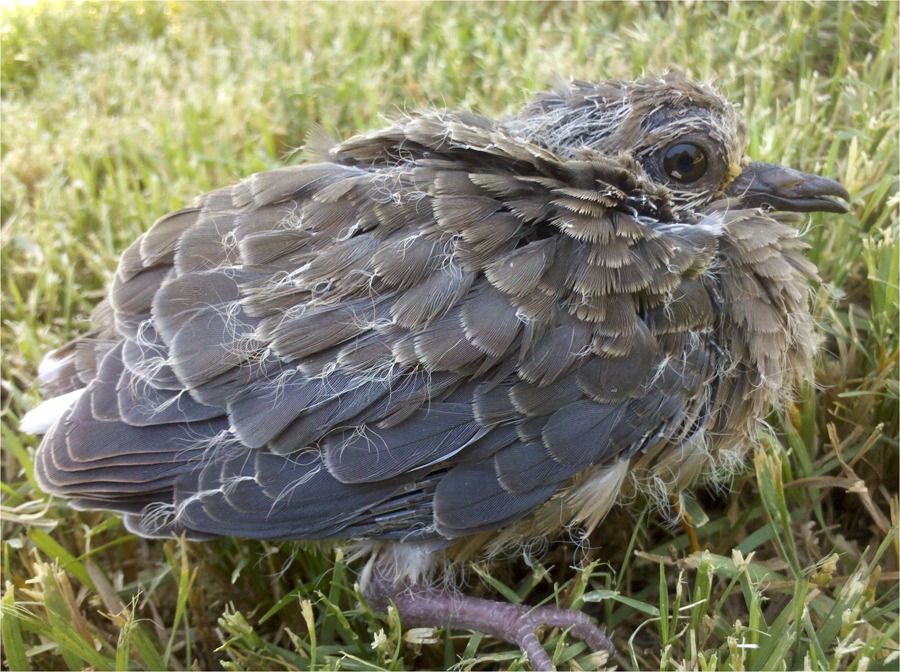
Lighting adds confusion. Bright sunlight washes out pale bills and yellow feet in photos. A bill can look darker against a bright background, feet vanish in shadow, and distance and camera angle change apparent size.
To test a favorite identification, look for a clue that rules it out.
Say a bird looks like a Sandhill Crane because it is large and gray. A clearly compact, retracted neck in normal flight favors a heron. An extended neck and heavy body strengthen the crane case.
Pick one visible feature that would contradict your first choice and check it against the alternative species. For a closer look at the clues that matter most, see how shape, color, behavior, and habitat identify a bird.
How to Check Your Identification With or Without a Photo
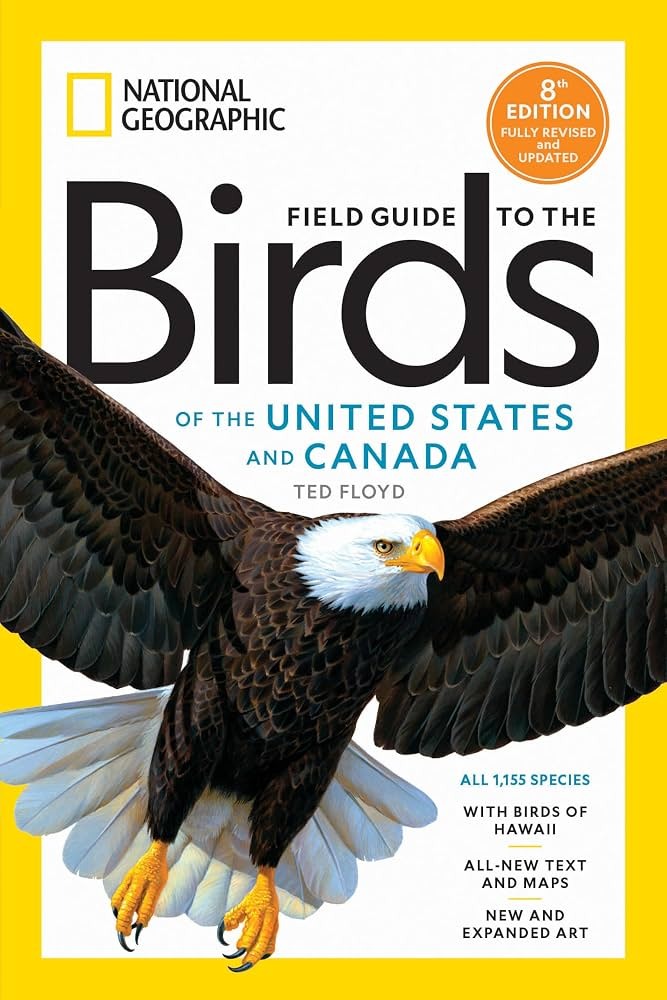
A good identification starts with an accurate record of what you saw. A photo or sketch keeps details you would otherwise forget. Compare bill shape, plumage, and habitat against the bird-identification methods rather than relying on one clue.
Keep a short field record:
- Place and date: State, region and date, so you can check species against location and season.
- Habitat: Pond, marsh, mudflat, pasture, lawn or similar.
- Build: Large and heavy, tall and narrow, or compact with very long legs. Note any nearby object that shows scale.
- Bill: Straight, upturned, downcurved or widened at the tip. Write “unknown” if the view was brief.
- Legs and feet: Approximate color and proportions, and whether the feet were visible.
- Flight and behavior: Neck position, trailing legs, stalking, probing or side-to-side bill sweeps.
- Image or sketch: Keep the original photo or draw the outline from memory, separating clear marks from uncertain ones.
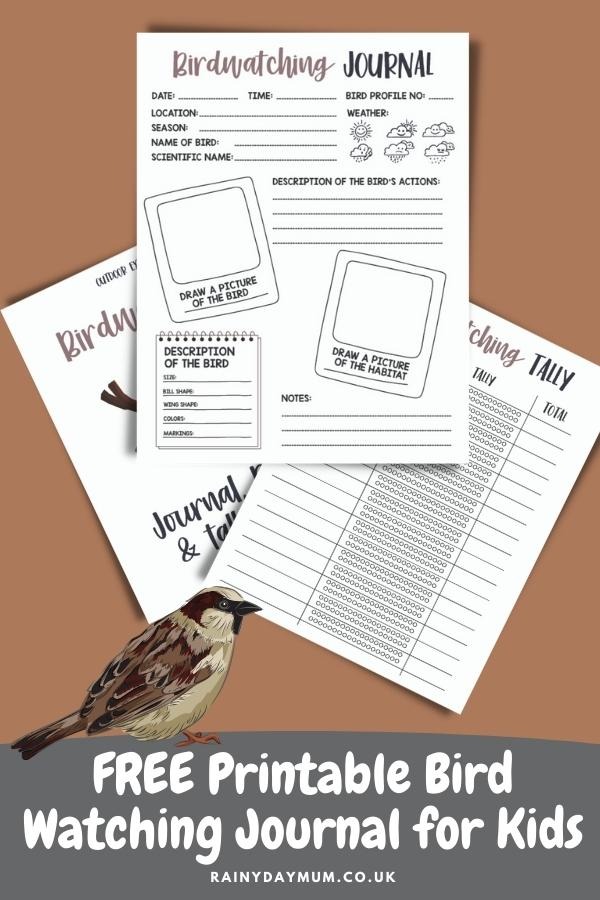
A rough sketch keeps the relationship between bill, neck, body and legs.
Compare your shortlist with age-appropriate photos and similar-species examples in a field guide, and check its range map against your state and the season. An unusual match needs a closer look at the field marks. Audubon’s bird-identification guidance covers the general method, and Cornell’s species accounts add photos and comparisons.
Merlin can suggest species from photos or sounds. Check any suggestion against the marks you saw and the location.
Log each sighting at the level your evidence supports: a species, a likely species, a broader group or unresolved. Name a species when several independent, visible field marks agree. When the decisive features were missing, such as hidden feet or an unclear bill in a distant photo, keep the group-level identification, hold on to your notes and revise the name if better evidence turns up.