In the United States, a large gray heron is usually a Great Blue Heron. A Gray Heron becomes credible when the location and several visible, age-appropriate field marks agree: the wing bend, feathered thighs, body proportions, and leg projection in flight. If those details are hidden or contradict each other, leave the identification unconfirmed and ask knowledgeable reviewers.
First, check where the bird was seen
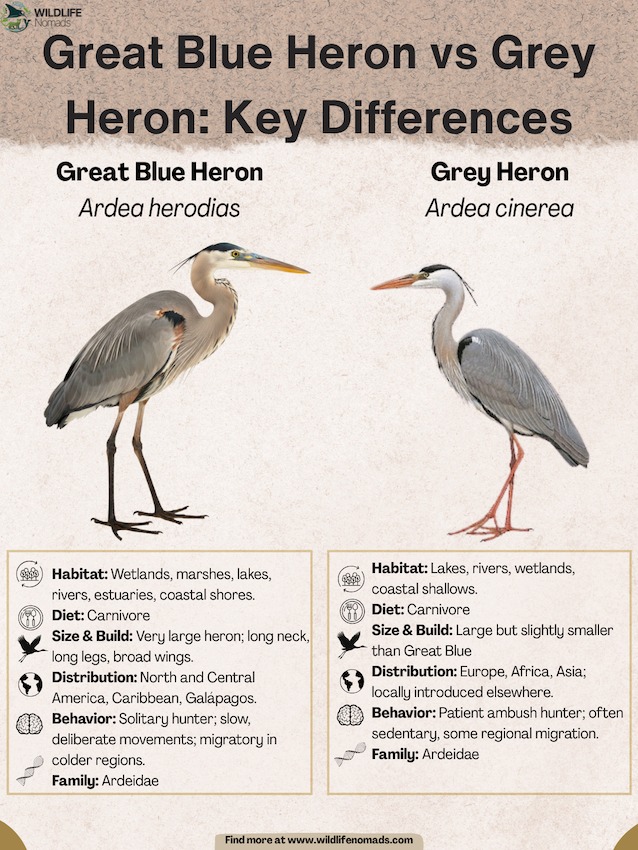
A large gray heron in the United States is far likelier to be a Great Blue Heron (Ardea herodias), a widespread North American bird. The Gray Heron (Ardea cinerea), also called Grey Heron, occurs mainly across Europe, Africa, and Asia, though exceptional records show it can reach North America. Note the state or county and the date before you narrow down an unusual bird. The casual phrase “gray heron” can simply describe a Great Blue Heron.
The field marks that separate the two herons
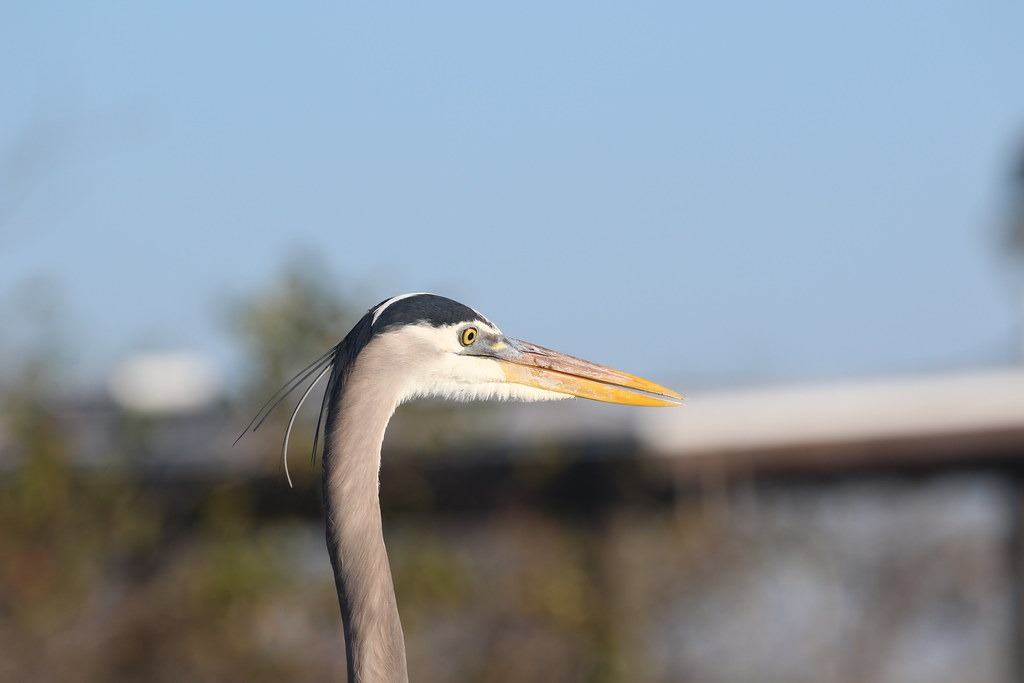
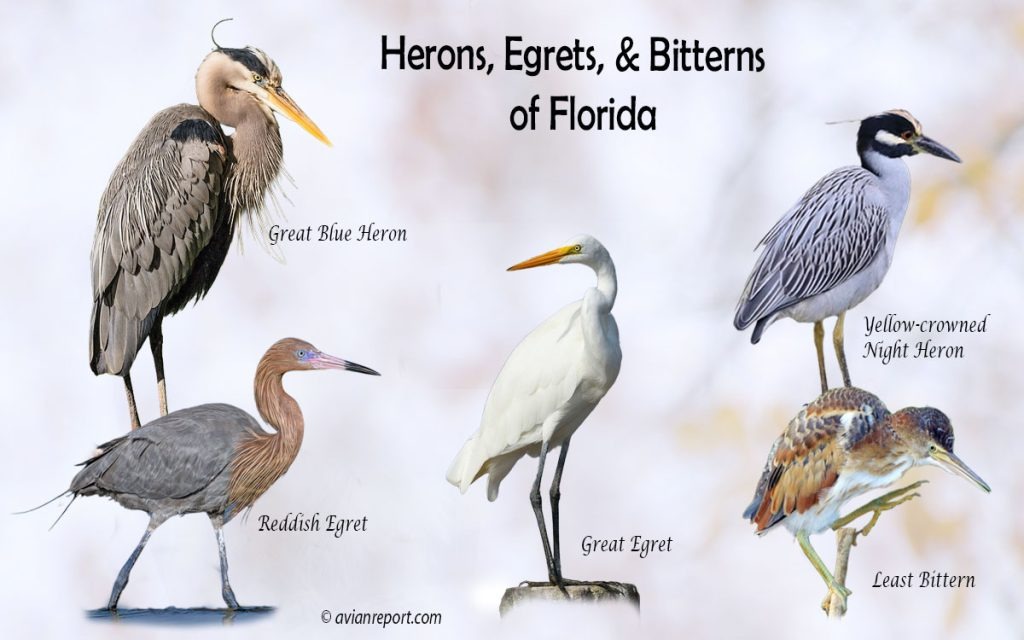
On a clearly seen adult, start with the feathered thighs and the wing bend. The wing bend is the forward corner of the folded wing, also called the wrist or carpal area. The feathered thighs sit above the long, mostly bare lower legs. In a photograph, compare these two regions with age-matched reference images.
| Field mark | Gray Heron | Great Blue Heron |
|---|---|---|
| Adult feathered thighs | Pale gray or whitish | Chestnut or rufous |
| Adult wing bend | White patch, often easier to see in flight | Chestnut or reddish-brown patch |
| Bill | Relatively slimmer | Longer and heavier |
| Neck and legs | Relatively shorter | Longer |
| Legs beyond tail in flight | Usually project a shorter distance | Often project farther |
| Immature plumage | Duller head pattern; adult plumes less developed | Often browner or darker; thighs may be gray |
Most of a Great Blue Heron looks gray. The warm color sits in specific feather groups, which is why matched views of adult birds make the differences easy to spot. A close photograph can make the smaller species appear larger than a more distant bird.
Cornell’s Gray Heron comparison photographs include adult and juvenile examples. For the North American species on its own, see Great Blue Heron identification and plumage.
Why juveniles, posture, and bad light can fool you
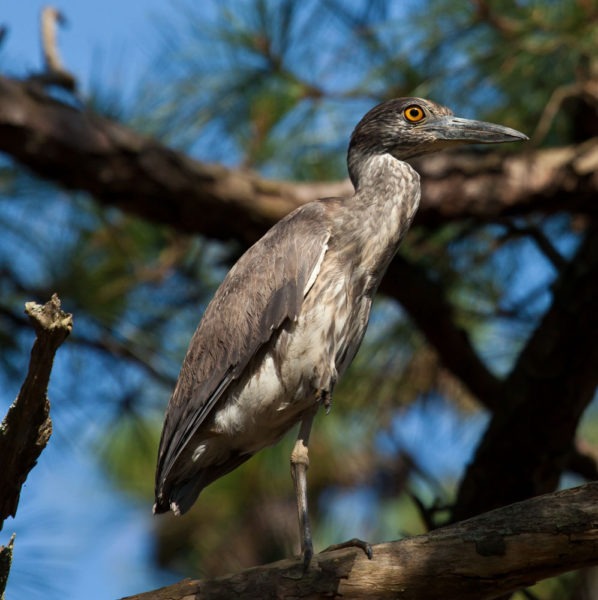
Young Great Blue Herons can have gray thighs, which weakens the color difference that works so well on adults. Look at the head and feathering to decide whether the bird is adult, immature, or of uncertain age.
Nick Lethaby and Ian McLaren described some immature Great Blue Herons with reduced rusty tones and conspicuously pale flashes at the wing wrist, which they linked to feather wear combined with weak rusty coloration. A pale-looking wrist on a bird of uncertain age needs a broader comparison. Their account appears in The Identification of Gray Heron, published in Birding in February 2002.
A resting heron pulls its head close to its shoulders, so the neck looks short. Shadow and exposure distort the colors in a photograph.
One observer in northern Europe found a heron unexpectedly small in poor light and corrected the species name in an edit:
Sorry for no images, it wouldn’t help anyway as it was very dark. I see a lot of great blue herons in my area, so I am used to their size, but this one was tiny in comparison, though everything else looked the same (long feathers on chest, beak shape, two black stripes on head). By tiny I mean, maybe half the size, it was resting on the edge of the water, but on land. Seen in northern europe. EDIT: I meant grey heron
How to judge a perched bird or a bird in flight
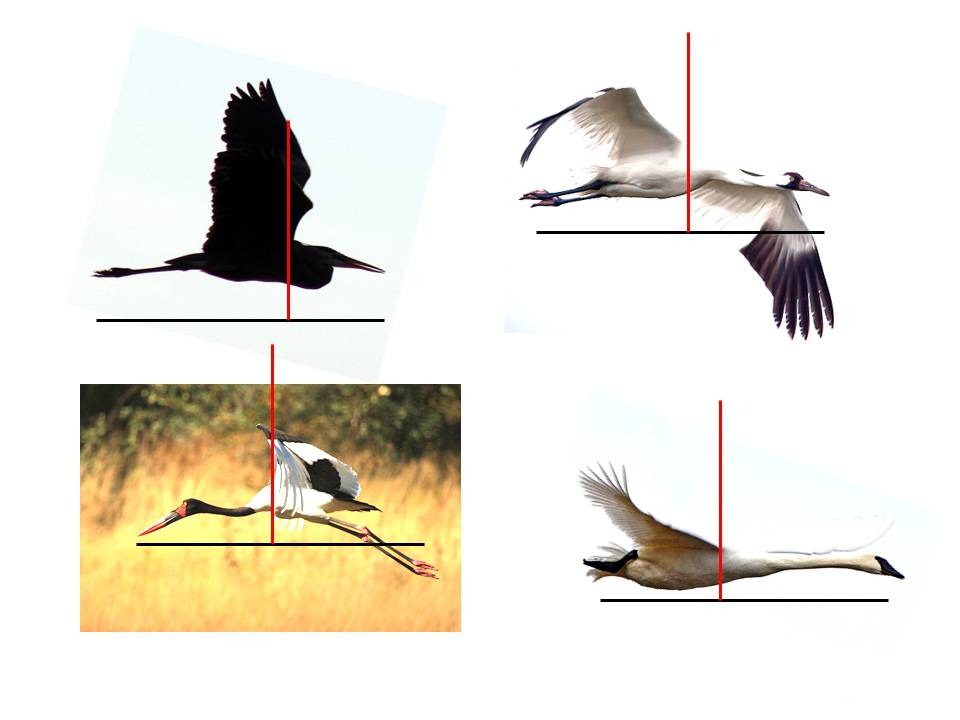
Standing and flying birds show different features. On the ground, a side view reveals the feathered thighs, bill and relaxed neck. In flight, the wing bend and the legs beyond the tail are easier to compare. Both species fold the neck into the familiar heron silhouette.
- Standing view: Compare the thigh coloration with the bill’s apparent bulk, allowing for a hunched or extended posture.
- Flight view: Examine the wing bend and the legs projecting behind the tail.
- Incomplete view: Mark obscured features as “not seen.” An unseen thigh gives no color evidence.
Two independent observations that agree, such as a clearly visible wing marking and bill proportions, strengthen a field identification. Several photos of the same patch still count as one clue. Suppose a flight frame shows a pale-looking wrist while a side view suggests a heavy Great Blue bill. Those clues pull in different directions, so the identification stays unconfirmed.
If the bird’s shape and marks point away from both species, use a broader similar-looking birds comparison.
The October 2026 Maine Gray Heron: what made the record credible
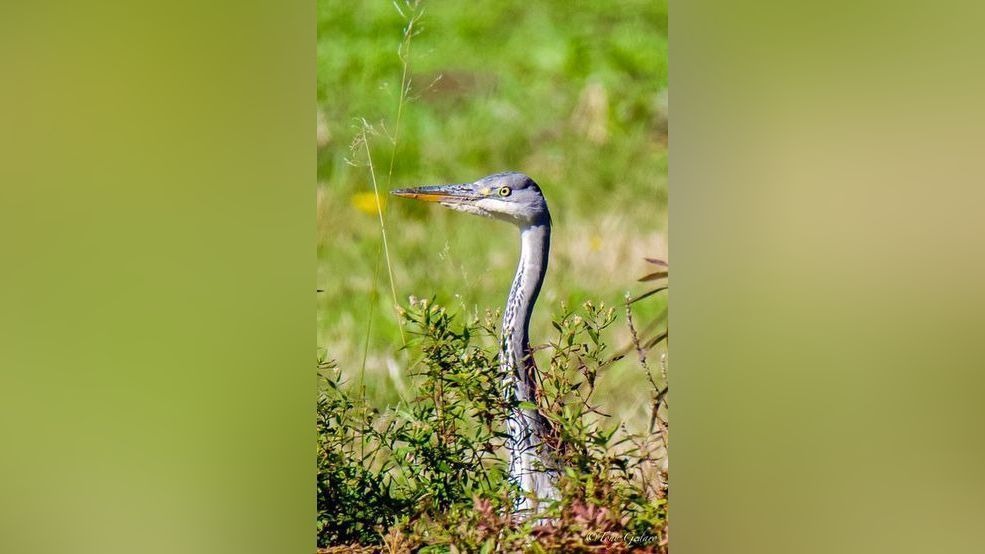
Peter Griffin found an unusual heron at Jordan Farm in Cape Elizabeth, Maine, on October 18, 2026. Maine Audubon’s report, published the following day, described it as the state’s first documented Gray Heron record.
Photographs discussed in the Maine Audubon account showed clean white areas at the wing wrist and feathered thighs. The report also cited a relatively smaller bill and less leg projection past the tail than expected on a typical Great Blue Heron. The marks agreed with each other, and that supported an identification exceptional for the state.
Jordan Farm was a working farm when the October 2026 report gave its visitor and roadside-safety advice. Check current access before you go.
What to do if you think you’ve found a rare Gray Heron
After hearing about the Gray Heron seen across the bay, an observer in Harpswell, Maine, described a pale heron in an awkward posture:
I saw this heron in harpswell and it was paler than usual and had really stark white. But it was hunched up and I couldn’t really tell. There’s been a gray heron sighted like 30ish miles across the bay but I wasn’t sure if I accidentally wandered upon it.
Other commenters favored Great Blue Heron.
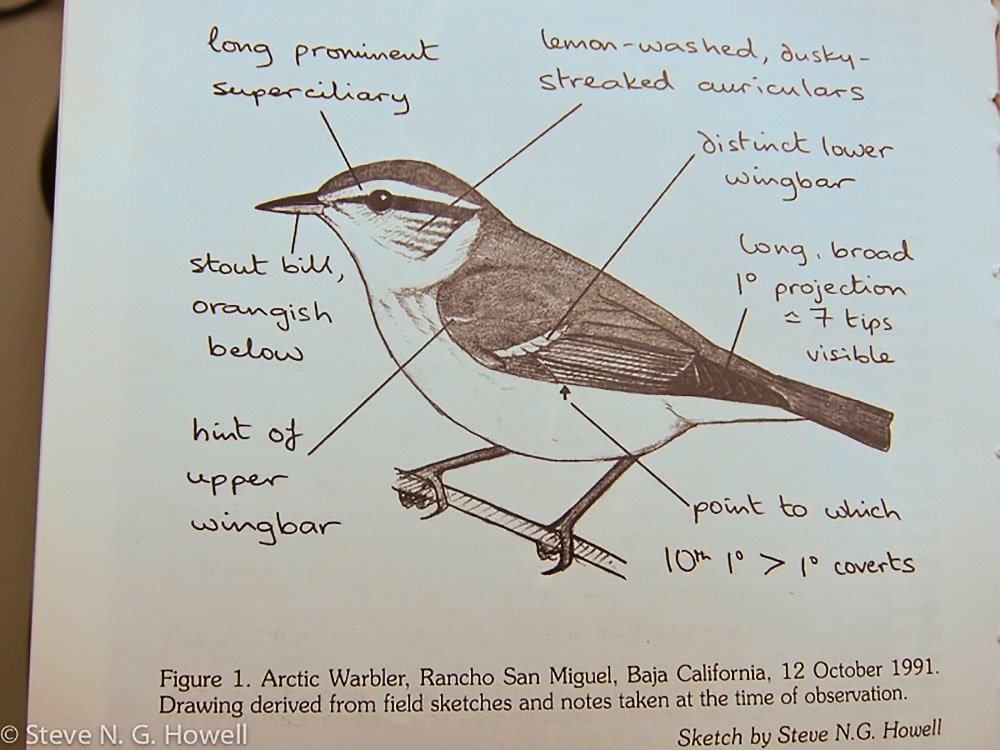
- Describe the marks: Write down the wing wrist, feathered thighs, bill, head pattern, estimated age and viewing conditions. For unusual sightings, eBird’s documentation guidance suggests including at least three independent diagnostic features when observed. If the bird showed fewer, describe those accurately.
- Keep original evidence: Keep your own photographs, video or field notes. An imperfect phone picture can preserve a useful mark. Never submit media from another person’s observation, location or date as proof for your own checklist.
- Seek an appropriate review: Use the local bird-record process or knowledgeable regional reviewers.
- Observe responsibly: Follow the American Birding Association’s ethics guidance: respect property rules, keep roads clear, and don’t pressure the bird for a closer image.