An adult Bald Eagle is usually easy to recognize: white head and tail, dark body, broad wings, heavy yellow bill. A brown immature eagle needs more evidence. Compare its bill, head, wing shape, and mottled plumage with a Golden Eagle, and keep the identification provisional if the view can’t settle it.
How to Identify an Adult Bald Eagle
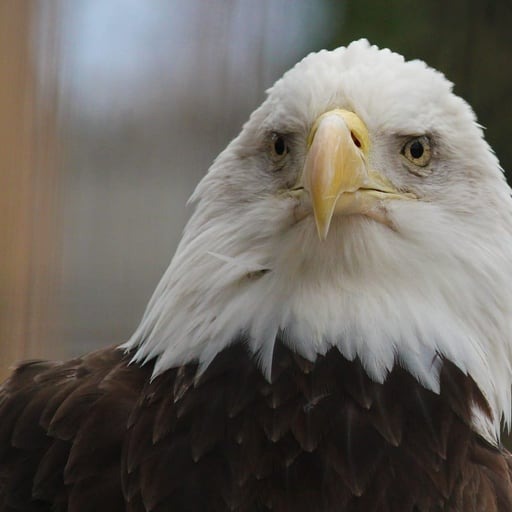
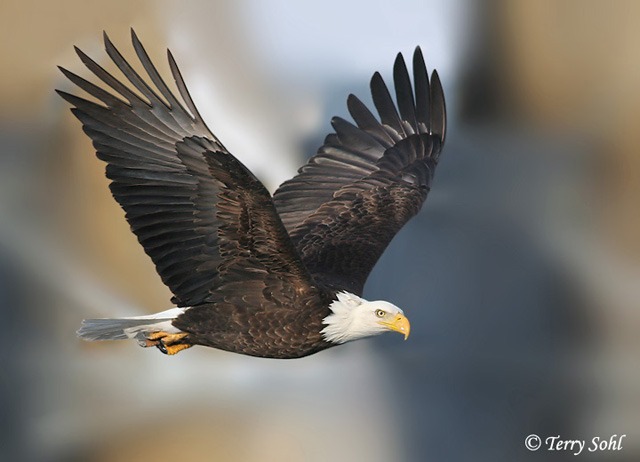
An adult Bald Eagle (Haliaeetus leucocephalus) has one of the most recognizable plumage patterns in North America. Its head and tail are white, its body and wings are dark brown, and its large hooked bill is bright yellow. The feet are yellow too. A perched adult in good light is easy to call.
Shape matters almost as much as color. The head is big, and the deep bill gives the face a heavy profile. The chest is broad and the shoulders look thick. In flight, the long, broad wings are usually held nearly flat while the bird soars, with the head projecting well out in front.
If color is hard to judge, look at the head and bill from the side. For bill shape, plumage, and habitat checks, see how shape, color, behavior, and habitat identify a bird.
Cornell’s published measurements:
- Length: 27.9 to 37.8 inches (71 to 96 cm).
- Wingspan: 80.3 inches (204 cm).
- Weight: 3.0 to 6.3 kilograms (approximately 6.6 to 13.9 pounds).
Male and female Bald Eagles look alike. Females are generally larger, but you can rarely sex a lone bird overhead by size. The white-headed pattern belongs to adults; younger Bald Eagles look very different.
Why Juvenile and Immature Bald Eagles Look Different
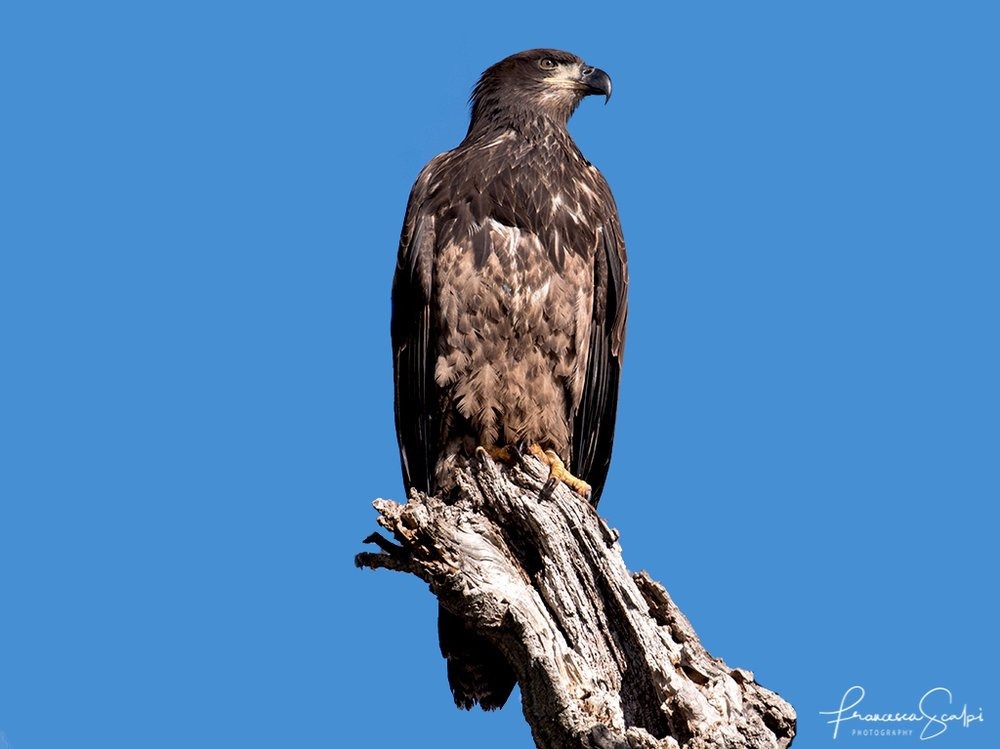
A Bald Eagle spends several years developing its adult appearance. Its first plumage after fledging is mostly brown, with paler mottling in places, and the bill may be dark. The clean white head and tail emerge through a series of changes over about five years.
Birders use two terms that are easy to confuse. Juvenile is the first plumage stage after fledging. Immature covers the whole period before the bird acquires its adult appearance. Every juvenile is immature, but an immature eagle may be well past its first plumage.
| Plumage stage | What you might see |
|---|---|
| Juvenile | Dark brown head and body, variable pale mottling, dark or mottled tail |
| Second-year examples | Strong brown-and-white mottling, sometimes a conspicuously pale belly with darker chest and head |
| Fourth-year examples | Nearly adult appearance, with dark feathers remaining around the head or other transitional patches |
| Adult | White head and tail, dark brown body, yellow bill |
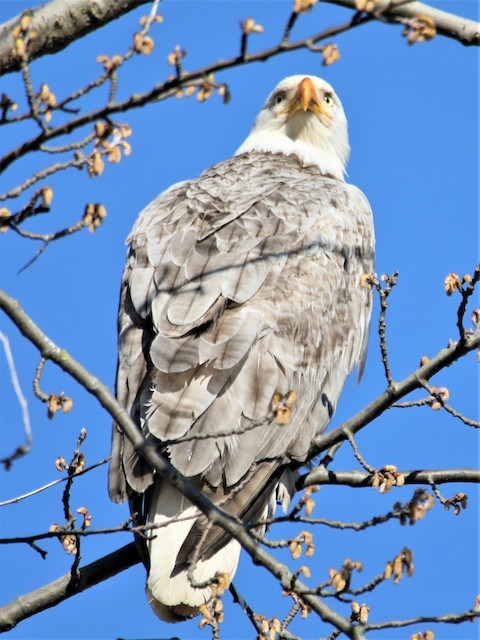
A noticeably pale bird can still be immature, and molt and feather pattern vary from bird to bird.
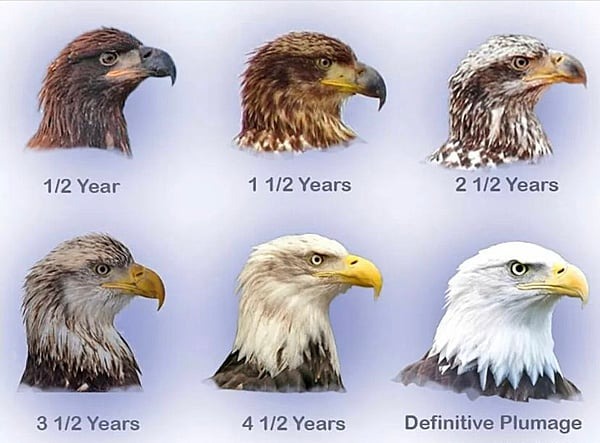
Photos of the same age can look very different. One shows a white belly, another a dark face, and poor exposure turns brown feathers almost black or washes out pale markings. Compare the head, belly, wings, and tail with Cornell’s Bald Eagle identification gallery. Age-labeled photographs help most when the belly is unexpectedly pale or the head is partly white. If your photo is blurry or color-shifted, record “immature Bald Eagle, age uncertain” and look for a sharper image.
Bald Eagle vs. Golden Eagle: Which Field Marks Count?
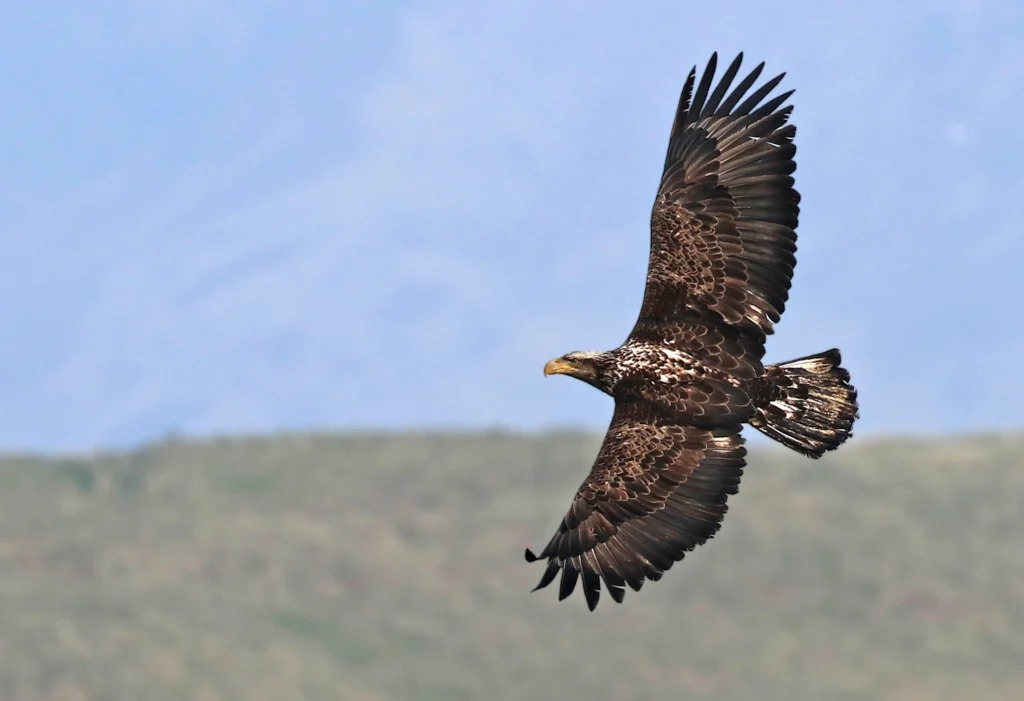
A brown Bald Eagle can look like a Golden Eagle, especially when you see little more than a large dark bird in flight. Both are powerful raptors, and young birds of both can carry bold white patches. The arrangement of those marks and the bird’s structure separate them.
The Bald Eagle has a heavier bill and a more prominent head. The Golden Eagle’s bill looks smaller against its head, and golden feathers on the nape can show when the light allows.
| Field mark | Bald Eagle | Golden Eagle |
|---|---|---|
| Head and bill | Relatively bulky head and heavy hooked bill | Relatively smaller-looking head and bill |
| Lower legs | Feathering stops above the feet | Feathers extend down toward the feet |
| Young bird’s white markings | Often irregular brown-and-white mottling across several areas | Young birds may show distinct white underwing patches and a broad white tail band |
| Neck | Dark or mixed immature plumage; white in the familiar adult | Golden-colored nape may be evident |
| Flight profile | Broad wings and a conspicuously projecting head in a useful view | Head and neck project less prominently than in a Bald Eagle under comparable viewing conditions |
A clear adult’s white head, white tail, and dark body support identification even if the legs are hidden. If a brown eagle shows none of these marks, record “large eagle, species uncertain.”
The leg-feather difference works best in a clear photo of a perched bird. Overhead, the boundary around the upper leg is hard to see. Wing angle, bird age, and view quality all affect the comparison.
At a distance, Turkey Vultures, Black Vultures, and Red-tailed Hawks can also fool you, especially without a reliable scale. Flight geometry, head profile, and visible wing markings tell them apart.
Where Bald Eagles Live and When You’re Likely to See Them
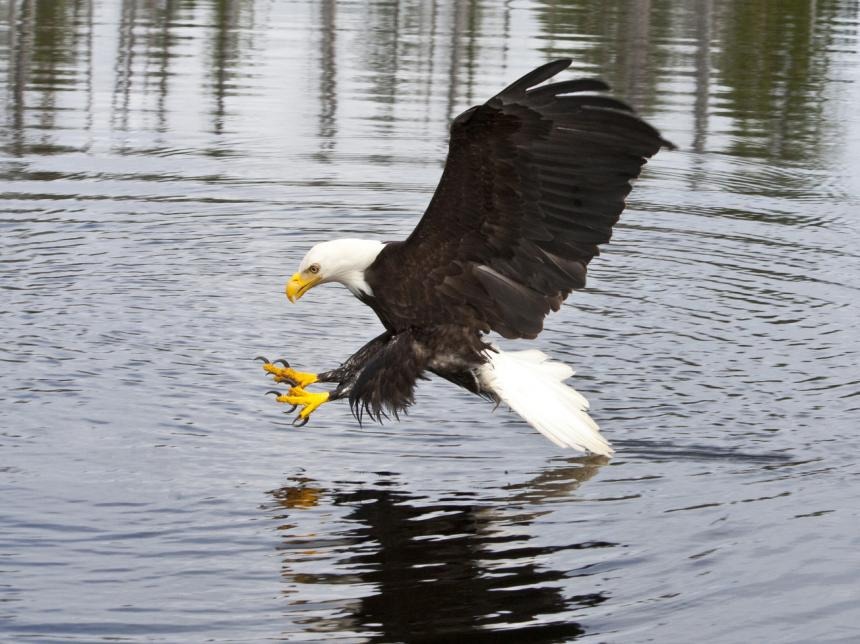
Water is central to a Bald Eagle’s life. Large rivers, lakes, reservoirs, marshes, and coastlines supply food, while mature trees nearby supply perches, roosts, and nest sites.
An eagle may sit for long periods in a tall tree overlooking a river, then cross open water or settle near a productive feeding area. Dams and other places where fish become accessible attract birds. Eagles also use some developed landscapes.
Winter is an especially good season near open water and dependable food in some regions. Bald Eagles gather at feeding areas or communal roosts while northern waterways are frozen. Elsewhere, breeding adults stay in the same general area all year.
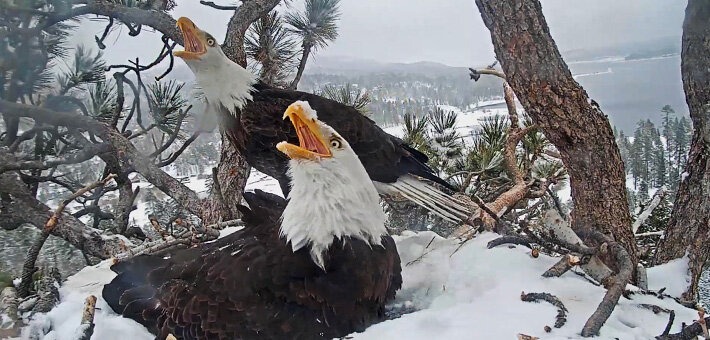
Some northern birds migrate or shift their movements when food gets scarce, and younger birds wander differently from established breeding adults. Abundance and timing vary across the United States, so no single nationwide migration date applies.
What Bald Eagles Eat and Why They Sometimes Steal Fish
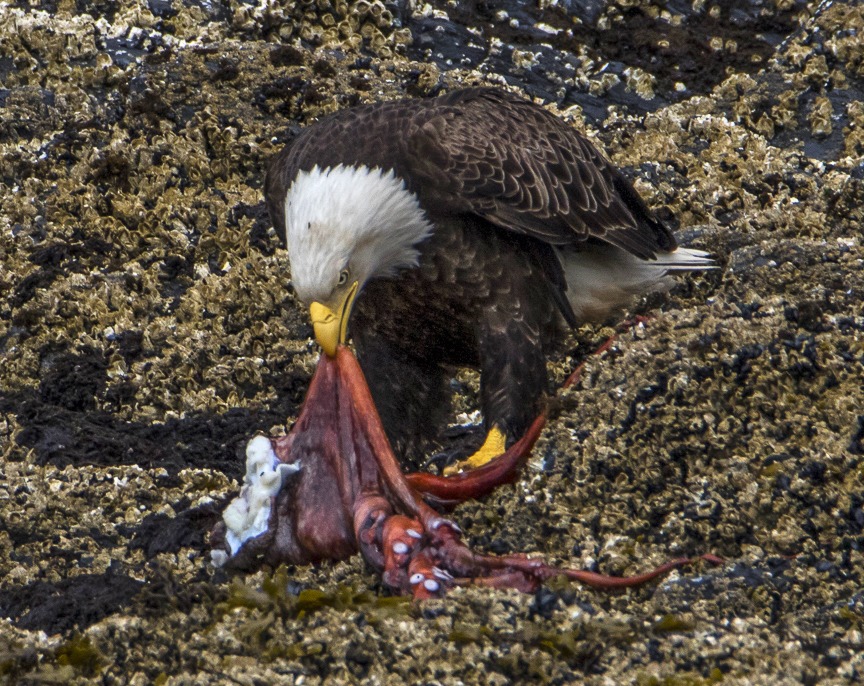
Fish are a major part of the Bald Eagle’s diet. The species hunts, scavenges, and sometimes takes food another bird has already caught or found.
Salmon, herring, shad, and catfish are among the recorded fish. Depending on the setting, eagles also eat birds, mammals, reptiles, amphibians, invertebrates, and carrion.
| Feeding behavior | What happens |
|---|---|
| Hunting | The eagle captures live prey, such as a fish taken from the water |
| Scavenging | The eagle feeds on an animal already dead, such as a carcass on a shoreline |
| Kleptoparasitism | The eagle obtains food from another animal, such as a fish taken from an Osprey or other bird |
Kleptoparasitism is the technical name for food stealing. Bald Eagles have been documented harassing Ospreys and taking their catches, a behavior also described in Cornell’s Bald Eagle life history.
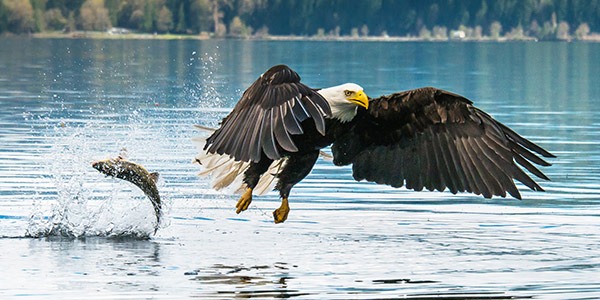
One birdwatcher who follows a pair of eagles described a quick exchange at a river sandbar.
I would lose my mind if I saw that! I have a pair of eagles that I check in on a few days a week and have been watching for over a year. The most cheeky thing I saw one of them do was swoop down to a sandbar in the river where there was a small flock of ring-billed gulls squabbling over a dead fish they’d scavenged. The eagle came in, grabbed the fish, easy as you please, and continued flying. Didn’t even slow down. The gulls were stunned silent, didn’t even fly off.
The gulls had scavenged that fish first, so the grab combined scavenging with theft.
Eagle Behavior That Looks Odd but May Be Normal
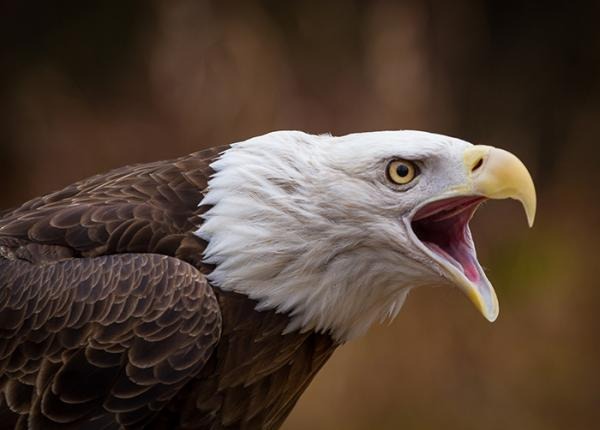
Eagles do plenty of ordinary things that look odd. They walk on the ground with a rocking gait, soar for long stretches, and use their wings to move through water.
They also interact with other birds in messy ways. Smaller birds chase or mob eagles, and eagles defend territories or gather at feeding sites and roosts. A small bird pursuing an eagle is an ordinary encounter between species.
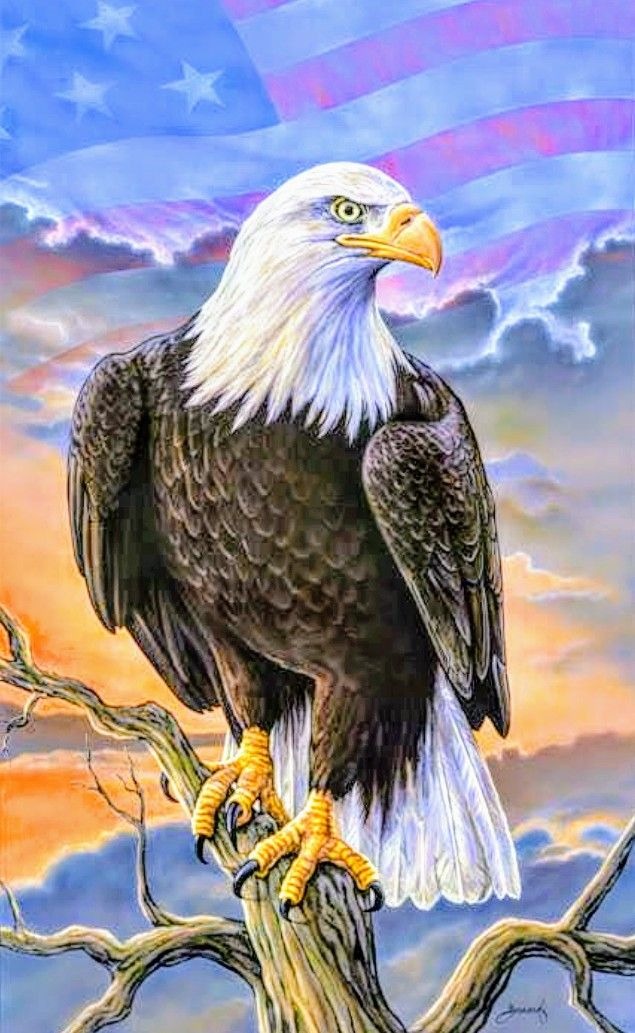
At Conowingo Dam, an observer watched a young eagle pull apart a twig, move between branches, and stretch its wings.
He breaks off a twig then rips it apart. Is he practicing dexterity for eating fish? Just playing and being silly? He stayed with me for quite a while, jumping on different branches and stretching his wings! Such a cool encounter. Seen at Conowingo Dam!
What a Bald Eagle Sounds Like
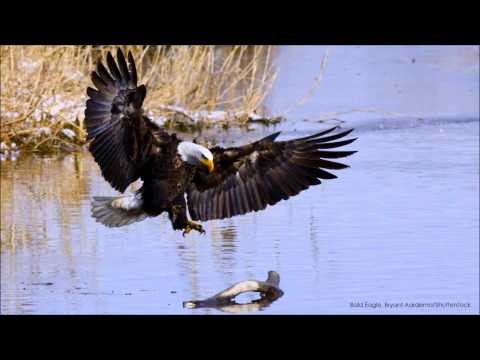
For such a large bird, a Bald Eagle has a high, thin voice, with piping, whistling, or whinnying notes. The piercing cry heard over eagle footage in films and television is usually borrowed from a Red-tailed Hawk, a substitution the Smithsonian describes. Compare what you heard with Cornell’s labeled Bald Eagle calls; an off-camera voice may belong to another bird.
Bald Eagle Nests, Eggs, and Young
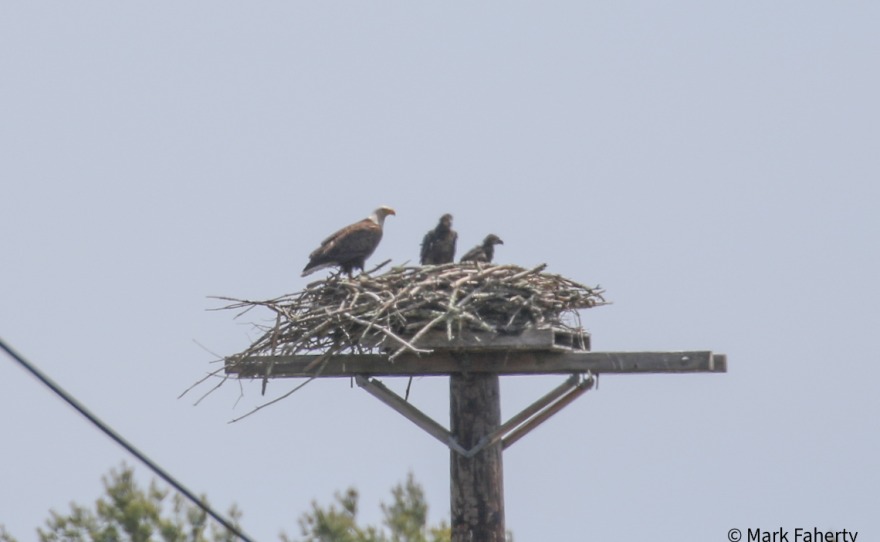
Bald Eagles often build enormous stick nests in tall trees near water. A long-used nest can dominate the crown of a mature tree, its broad platform growing as the pair adds branches. Some regions have other nesting substrates, depending on habitat.
Cornell lists typical nest dimensions of approximately 5 to 6 feet across and 2 to 4 feet high. Both sexes build, and the female does much of the placement of nesting material.
A typical clutch contains 1 to 3 eggs. Cornell gives an incubation period of 34 to 36 days and a nestling period of 56 to 98 days.
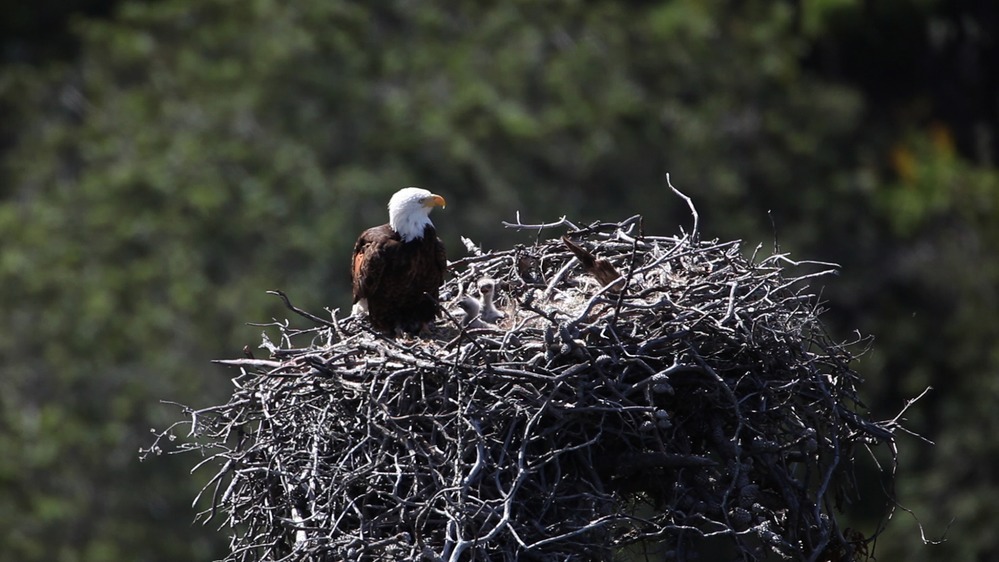
Stay well back from nests. Noise and activity near an active territory can disturb the birds, and no single distance is safe everywhere. If you find a nest, watch from an existing lawful distant vantage point. Never approach, bait, move branches, interfere with eggs or young, or move closer for a photograph.
Conservation Status, Recovery, and Why Bald Eagles Are Still Protected
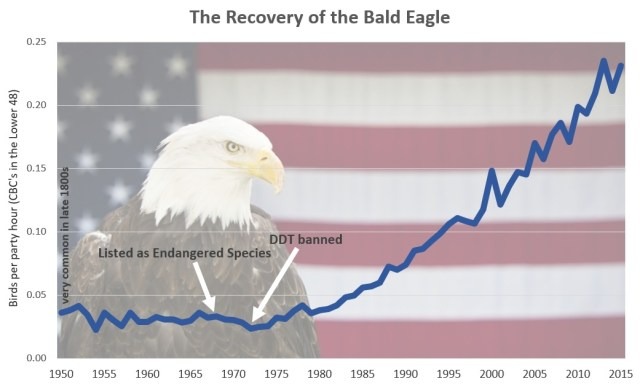
The Bald Eagle’s recovery is one of the better-known conservation stories in the United States. During the twentieth century, shooting, habitat loss, and contamination contributed to serious declines. DDT did particular damage because it weakened eggshells and impaired reproduction.
| Milestone | Documented information |
|---|---|
| 1963 | USFWS records 417 known nesting pairs, a measure from the period of severe decline |
| August 8, 2007 | Federal Endangered Species Act delisting took effect for Bald Eagles in the Lower 48 states. The decision was announced June 28 and the final rule published July 9, 2007 |
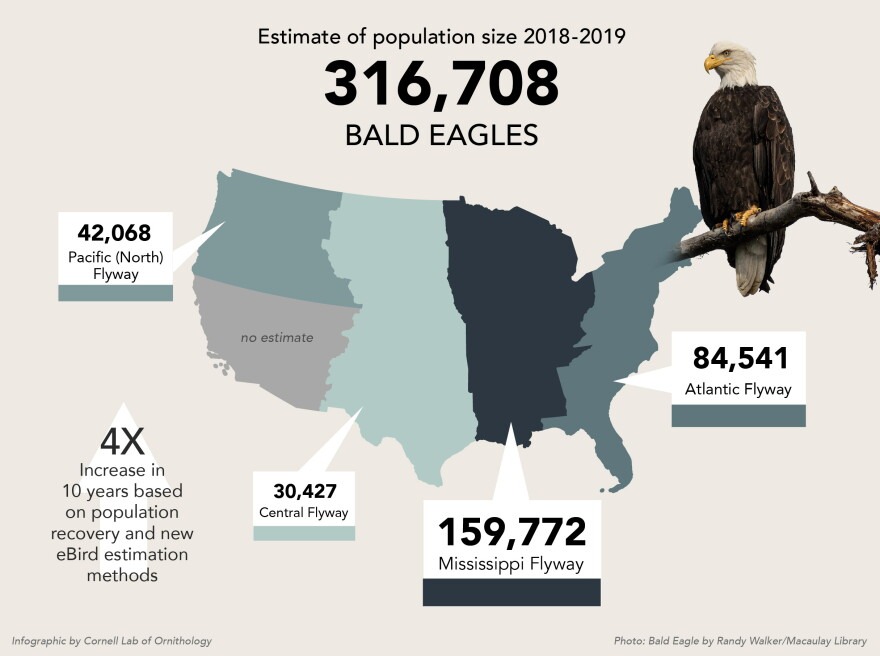
| March 2021 | USFWS released an estimate of 316,700 eagles and 71,467 occupied nests in the Lower 48, based on 2018 to 2019 population data |
Delisting under the Endangered Species Act did not end legal protection. The Bald and Golden Eagle Protection Act and the Migratory Bird Treaty Act still protect the species, particularly around take and disturbance. If your work or activity may affect an eagle or nest, consult US Fish and Wildlife Service eagle management guidance and your state wildlife authority.
The Bald Eagle has appeared in American national imagery since the Great Seal was adopted in 1782. Congress formally designated it the national bird through Public Law 118-206, enacted December 23, 2024.
How to Confirm a Bald Eagle Sighting Without Disturbing It
A good sighting record notes what you could identify and what you couldn’t see. That matters most with a brown immature eagle, a distant silhouette, or photos taken in difficult light.
- Date and general location: When and roughly where you saw the bird, plus the nearby habitat.
- Plumage: Head, tail, belly, and wing pattern, including pale areas and dark markings.
- Structure: Bill, head projection, and wings, where visible.
- Sound and behavior: A call you can confidently tie to the bird, and what it was doing.
- Evidence quality: Whether backlighting, distance, blur, or an obscured view hid important marks.
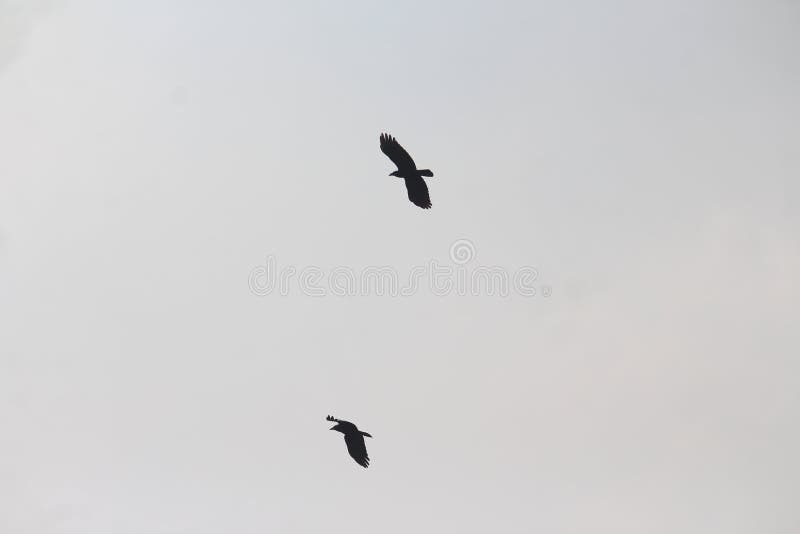
Example: a dark eagle passes high above a river with the sun behind it. The head looks heavy, but the bill is indistinct, the tail shows no clear pattern, and the underside of the wings is almost entirely in shadow. Log it as “Possible immature Bald Eagle.”