Pick the region that fits your season and target birds: the Upper Coast for spring migrants, the Aransas area for wintering Whooping Cranes, the Lower Rio Grande Valley for South Texas specialties, the Hill Country for spring woodland birds, and Big Bend for desert and mountain habitats. Before you go, check the official site notice and recent dated eBird reports.
Where to Go Birdwatching in Texas: Match the Region to Your Dates and Goal
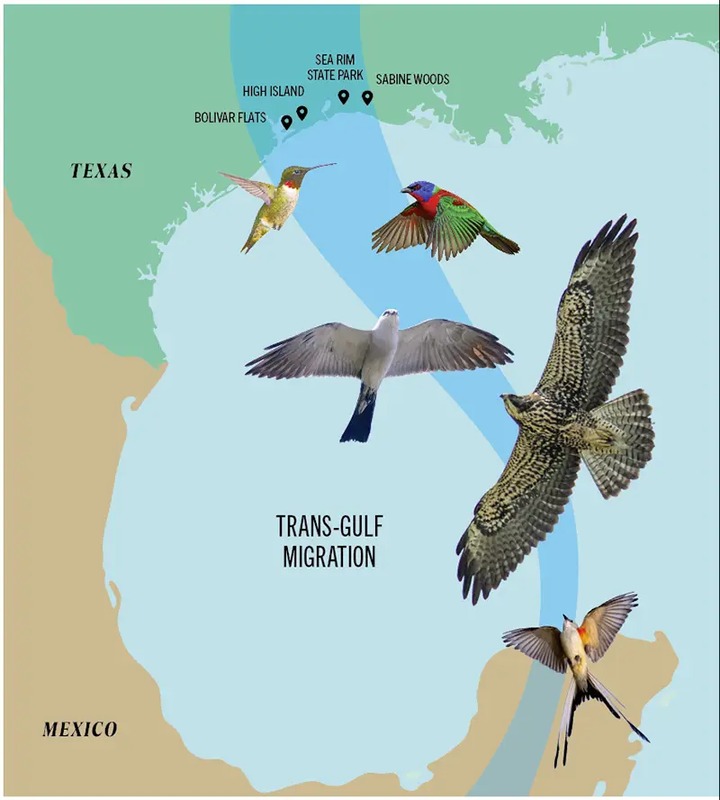
High Island’s migrant woods, the wintering coast around Aransas, the Lower Rio Grande Valley’s subtropical habitats, Hill Country juniper woodlands, and Big Bend’s mountains make for very different trips. East Texas adds pine and hardwood forests, and the northern lakes and plains add more.
Start with your month and the birds you want to see. A famous spot is a poor pick if its access rules, walking demands, or drive time don’t fit your trip.
The Texas Parks and Wildlife Department’s Great Texas Wildlife Trails organize viewing opportunities into nine regional trail maps, including separate Upper, Central, and Lower Texas Coast divisions.
| Region | When | Target birds | Where | Watch for |
|---|---|---|---|---|
| Upper Texas Coast | Spring migration; fall passage | Migrant songbirds, shorebirds, waterbirds | High Island, Bolivar Peninsula, Anahuac | Migration weather, insects, site access |
| Central Texas Coast | Winter for Whooping Cranes; coastal birding in other seasons | Whooping Cranes, waterbirds, shorebirds | Aransas NWR, Rockport, Port Aransas | Refuge viewing and boat tours work differently |
| Lower Rio Grande Valley | Winter specialties, resident birds, seasonal migration | Green Jay, Great Kiskadee, Plain Chachalaca | Bentsen, Santa Ana NWR, South Padre Island | Transport and access rules vary by site |
| Hill Country | Spring breeding season | Golden-cheeked Warbler and woodland birds | Balcones Canyonlands NWR, Warbler Vista | Sensitive habitat, seasonal restrictions |
| Big Bend and Trans-Pecos | Spring; other seasons vary by habitat | Desert, riparian, mountain birds | Rio Grande Village, Dugout Wells, Chisos Mountains | Heat, road suitability, hiking effort |
| North Texas and Panhandle | Varies by habitat and season | Waterbirds, raptors, grassland birds | Lake Tawakoni, regional wetlands and grasslands | Habitat and season |
| East Texas Pineywoods | Year-round; species vary by season | Forest birds, woodpeckers, woodland warblers | Big Thicket region, Prairies and Pineywoods East trail | Woodland habitat, site access |
The Texas Bird Records Committee reported 678 accepted species on the state list as of June 7, 2026.
A returning visitor who has already birded several major Texas refuges may want a different region altogether. One birder asked exactly that:
Last time I went to Texas I went to Bentsen-Rio Grande Valley State Park, Aransas National Wildlife Refuge and Laguna Atascosa National Wildlife Refuge (with a very brief pitstop to Mustang Island State Park). Any must sees? Ill be there next weekend. Thanks in advance.
Someone who has already done Bentsen, Aransas, and Laguna Atascosa should try a new habitat: Hill Country woodlands in spring, or Big Bend’s desert and mountains.
Upper Texas Coast: Spring Migrants, High Island, and Shorebirds
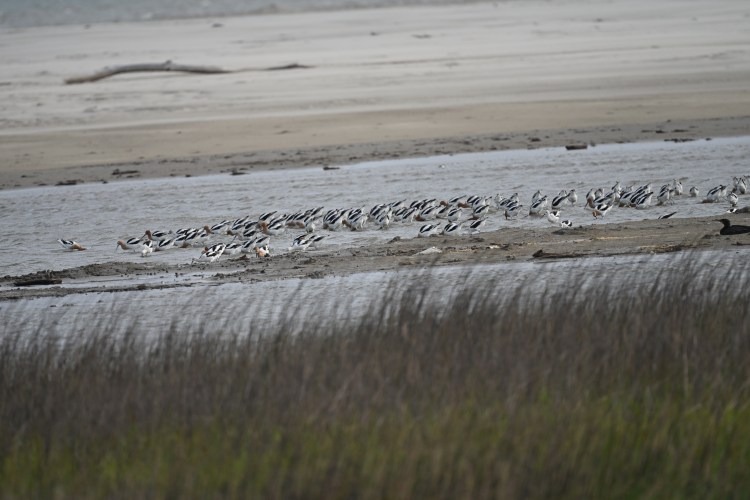
High Island is one of the Upper Coast’s major spring draws for migrating songbirds. Warblers and other migrants can gather in its wooded sanctuaries after crossing the Gulf.
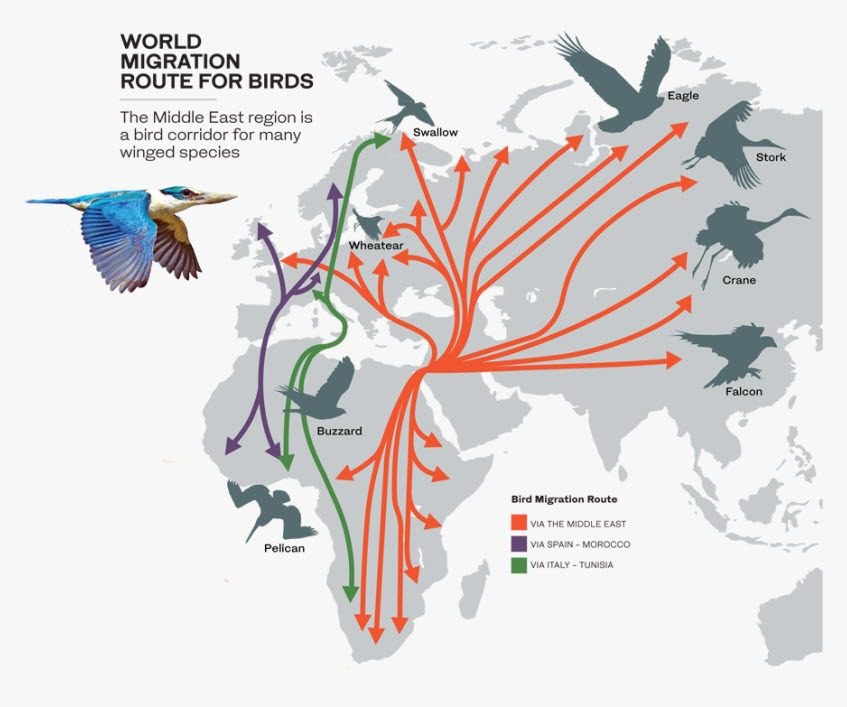
Birds Houston describes mid-March through mid-May as a useful spring migration period. A big fallout needs weather that concentrates migrants, so no travel date guarantees one. For migration dates, flyways, and weather, check spring bird migration: when to watch in the u.s.
Woods for songbirds, shoreline for shorebirds
Take the wooded sanctuary trails when migrant songbirds are the goal. They suit listening for small birds and following movement through foliage. Bolivar Peninsula and the coastal wetlands near Anahuac are better for shorebirds and waterbirds. On exposed flats and wetland edges, scan patiently with binoculars.
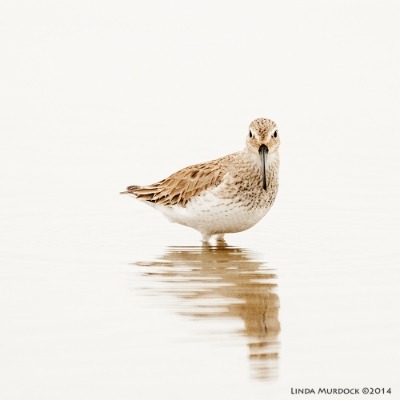
Bad weather and biting insects can ruin a morning in the sanctuary woods. Outside the spring songbird window, shorebirds and waterbirds still make the coast worth the trip.
Central Texas Coast: Aransas and Wintering Whooping Cranes
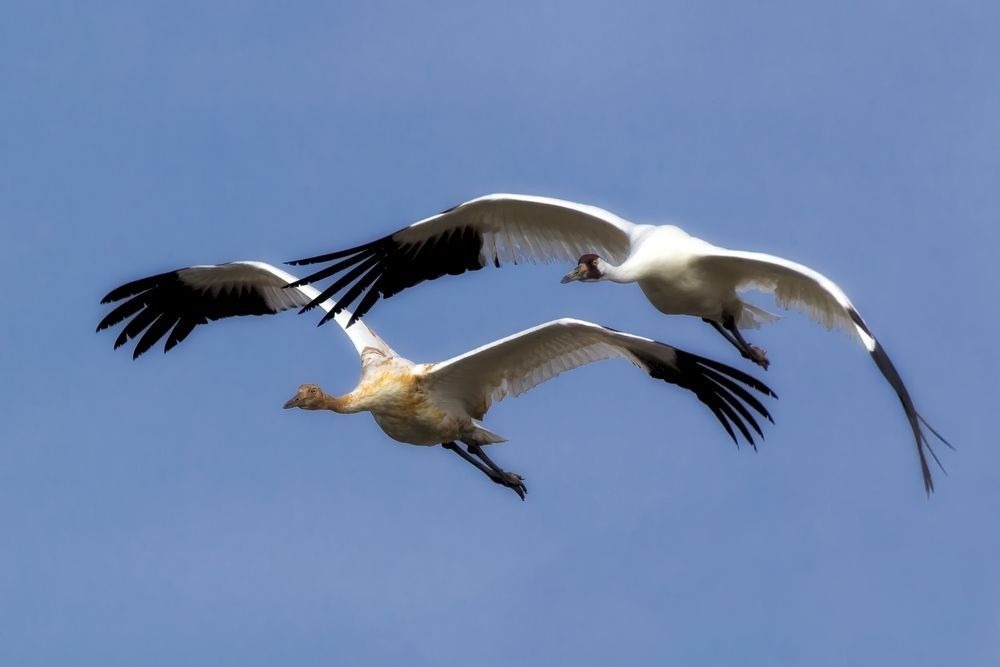
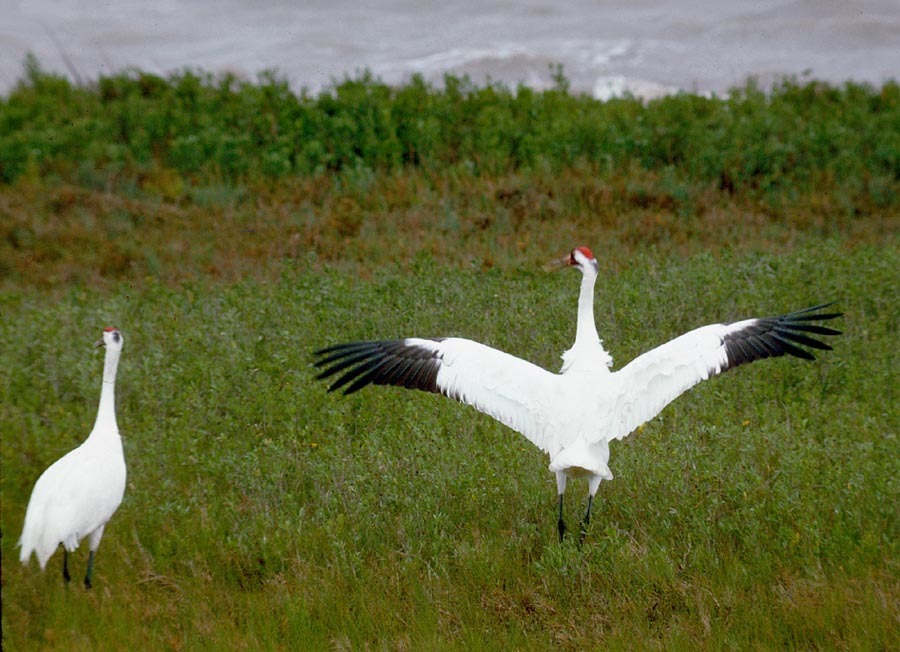
Aransas is the place for a winter trip built around Whooping Cranes. They winter along the central coast, which makes this a separate choice from the Upper Coast’s spring migrant woods.
Aransas National Wildlife Refuge is the main site. Rockport and Port Aransas sit nearby and add more coastal birding, including shorebirds and waterbirds.
On land at the refuge, or from a boat
A land visit follows the refuge’s visitor rules for public roads, walking routes, and observation areas. You can watch a range of coastal wildlife while you look for cranes, though a crane in estuarine habitat can be in view from one lookout and hidden from the next, even in winter.
A boat excursion is booked separately and shows the coast from the water. The operator sets the route and availability, so confirm both with them. Choose the land visit for a self-directed outing and the boat for the view from the water.
Lower Rio Grande Valley: Southern Specialties and Bentsen’s Access Rules
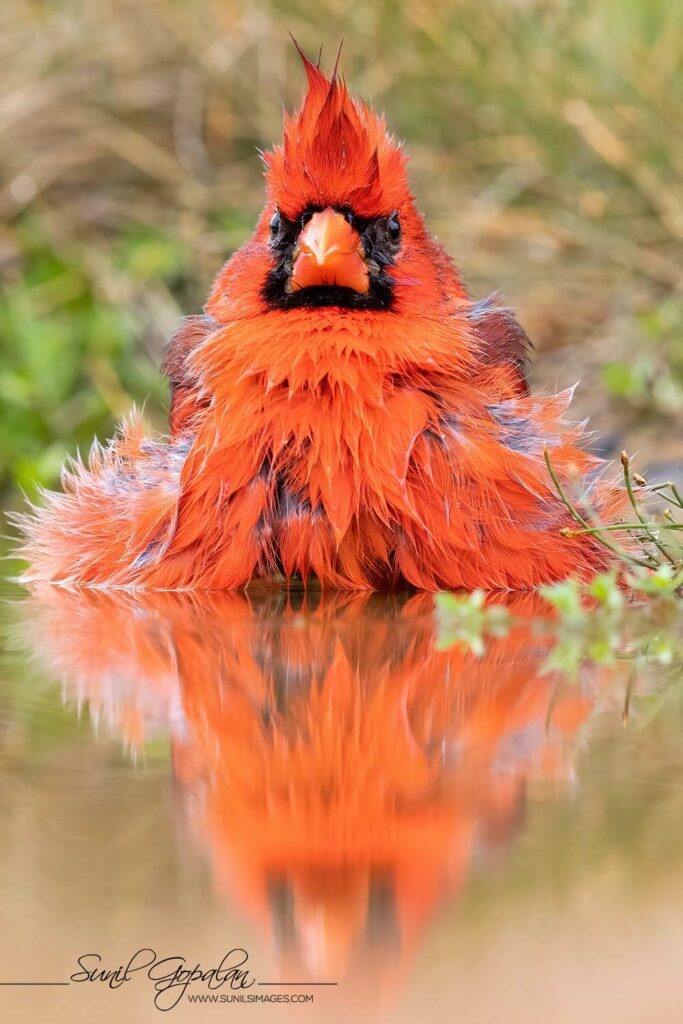
The Lower Rio Grande Valley is where you go for Green Jay, Great Kiskadee, and Plain Chachalaca.
Winter suits regional specialties and resident birds. Spring and fall bring migration, with species and conditions that vary by site. Bentsen-Rio Grande Valley State Park, Santa Ana National Wildlife Refuge, and South Padre Island are good starting points. For fall migration dates, flyways, and weather, cross-check fall bird migration: when and where to watch in the u.s.
Bentsen: no cars, so plan to walk
You can’t drive your own car into Bentsen-Rio Grande Valley State Park. You walk, ride a bike, or take the park tram.
That matters if you planned to watch birds from a vehicle or need to limit walking. Texas Parks and Wildlife lists an accessible interpretive trail, a hawk observation tower, and two viewing blinds among the park’s accessibility features, and the tram accommodates wheelchairs.
Festival, guide, or solo?
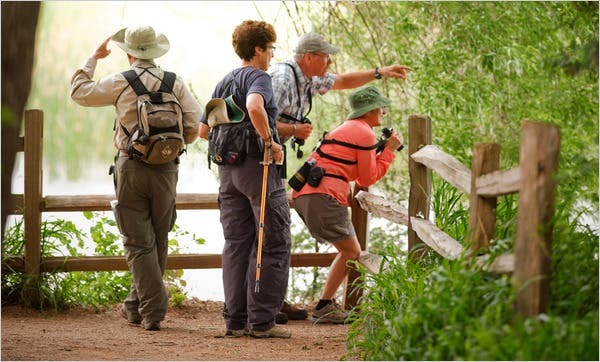
Visiting birders in the Valley choose between joining an organized event, arranging a local guide, or exploring alone.
I’d like to bird the Rio Grande Valley during fall migration. For those who have visited before or are local to the area – would you recommend coming during the RGV Birding Festival? Or should go on my own and commission a guide or join the RGV Visiting Birders WhatsApp?
Events and guides help with unfamiliar habitats, bird calls, and where to look. Going alone lets you set your own pace and spend as long as you like at each site.
Hill Country: Golden-Cheeked Warblers and Spring Woodland Birding
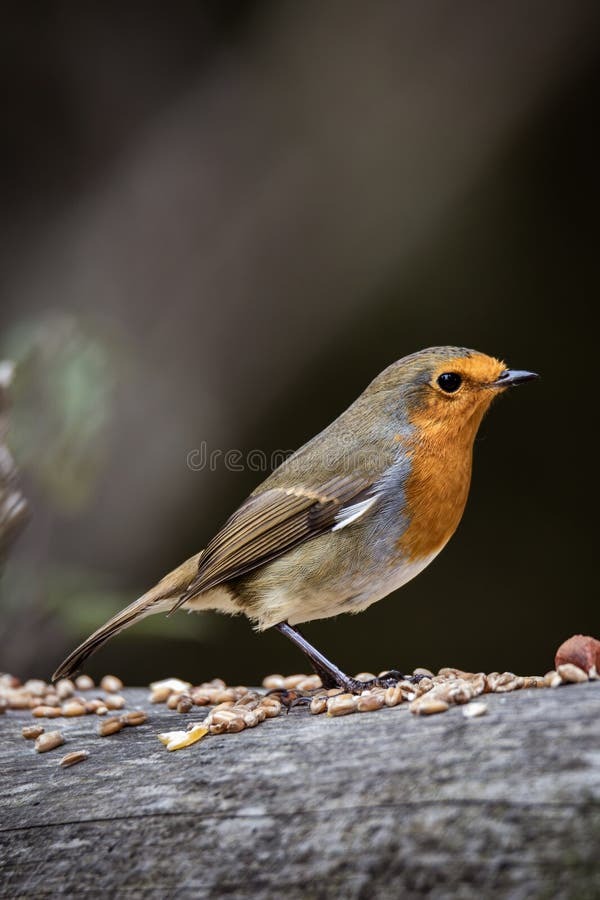
The Hill Country is the spring choice for juniper and oak woodland. The Golden-cheeked Warbler is its signature breeding bird in this Central Texas habitat.
The warbler needs specific breeding habitat, and a few junipers or oaks don’t make a productive spot on their own.
Balcones Canyonlands National Wildlife Refuge and Warbler Vista are good places to start. Their designated public viewing routes let you see the habitat while protecting breeding birds.
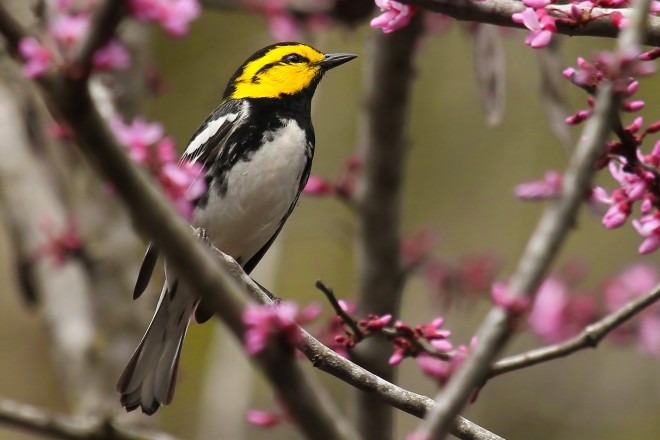
Stay on permitted routes through suitable woodland. Posted seasonal closures and protected areas decide where you can watch, even when a warbler is nearby.
The oak-juniper hills also hold other Central Texas woodland birds, in a setting far from the coast’s open wetlands or Big Bend’s desert and mountains.
Big Bend and West Texas: Desert, River, and Mountain Birding
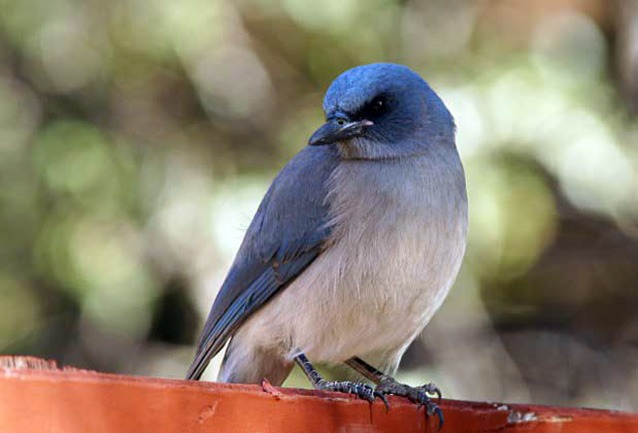
Big Bend covers desert flats, Rio Grande vegetation, and higher mountain woodland in one national park, and each habitat yields its own birds.
Terrain sets the effort. A short path near a visitor center and the hike toward Boot Spring need very different preparation.
| Habitat | Where | Birds | Planning |
|---|---|---|---|
| Desert and open country | Panther Junction, Dugout Wells | Desert-adapted and open-country birds | Heat, exposure, observation time |
| Rio Grande riparian habitat | Rio Grande Village and permitted nearby routes | Birds associated with river vegetation | Trail access, local conditions |
| Chisos Mountains | Chisos Basin, Pinnacles Trail, Boot Spring | Mountain woodland birds, including Colima Warbler as a target | Elevation, trail difficulty, hiking effort |
Head to the Chisos Mountains if Colima Warbler is your target. With limited hiking ability, shorter desert or riparian outings make a better day.
How weather and habitat shaped one Big Bend visit
One birder who visited in late May and early June described rain, camping in two parts of the park, and a productive early morning near Panther Junction:
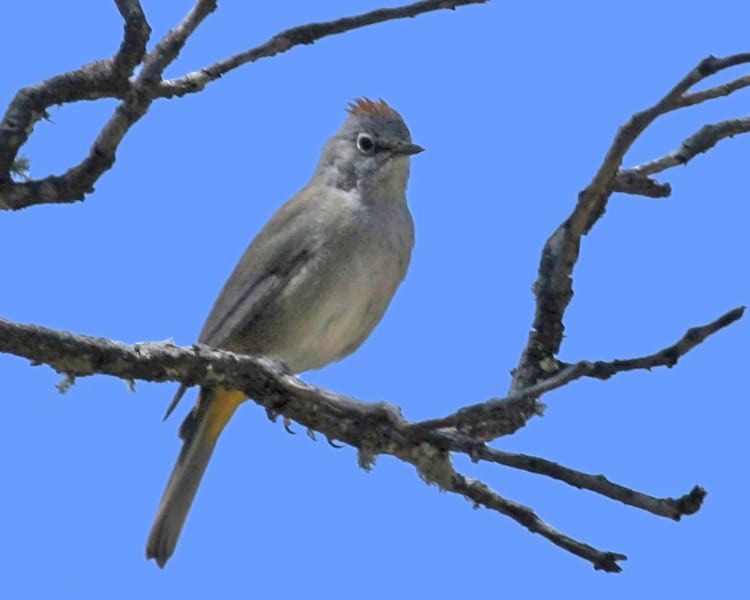
Sure! Late May and the first couple days of June. I was lucky to catch some rain during the trip, it really seemed to have brought the desert and the birds to life. I split camping half and half between the Rio Grande Village Campground and the Chisos Basin Campground. When first entering the park via the main entrance there’s the Panther Junction Visitor Center which has a very short path by the parking lot. I stopped by here a few times, it was most productive early morning around sunrise. Scaled quail, curve-billed and crissal thrashers singing, pyrrhuloxia, cactus wren, and house finches to name some species there.
Remote roads and changing access
West Texas travel is demanding for reasons that have nothing to do with identifying birds: heat, unpaved roads, rental restrictions, and limited communications. A vehicle built for paved visitor roads may not suit a remote unpaved route, so match your vehicle to the road before you commit.
In April 2026, the National Park Service cancelled the planned Chisos Basin construction closure. Some older project notices still describe the cancelled shutdown.
North Texas, the Panhandle, and East Texas Pineywoods
North Texas offers wetlands, reservoirs, grasslands, and open-country birding. Lake Tawakoni State Park is a concrete example: Texas Parks and Wildlife describes lakeside herons and egrets, woodland birds, raptors, and cooler-season pelicans and gulls.
In the Panhandle, Palo Duro Canyon State Park offers canyon and grassland birding, with golden-fronted woodpeckers and seasonal Bullock’s Orioles among the species to look for.
Farther east, the Prairies and Pineywoods East wildlife trail and the Big Thicket region lead into pine and hardwood forests, with woodland birds, woodpeckers, and forest-associated warblers.
How to Check a Texas Birding Hotspot Before You Go
Use current access information together with dated bird reports. Official land managers set the visiting conditions, and eBird shows what observers have reported.
| Source | What to check | Question it answers |
|---|---|---|
| Official park, refuge, or sanctuary information | Visitor notices, roads, trails, hours, permitted activities | Can this outing be made legally and practically? |
| eBird hotspots and dated checklists | Specific location, recent reports, species and observation dates | What have other birders observed at this location? |
| eBird seasonal bar charts | Species reporting frequency by place and period | How does the bird’s reporting pattern change across the season? |
Work through them in that order.
Start with the land manager’s access notices
Find the official page for the exact park, refuge, sanctuary, or trail. For Big Bend, the National Park Service conditions page carries the operational notices. Do the same for Bentsen’s tram and walking rules, Aransas refuge access, and coastal sanctuary restrictions.
Read the dates on bird reports
The eBird Explore Hotspots documentation explains how to find shared birding locations and their reports.
Pick the right hotspot and read the dates on its reports. A checklist records what one observer saw at one time, and a rare-bird report does not promise another encounter. For what to check in hotspots, habitat, and dated sightings, see how to find useful birding hotspots.
Read seasonal frequency in context
In eBird bar charts, frequency is the share of complete checklists that report a species in the selected region and period. It shows how reporting changes through the year. It is a record of checklist frequency, not the chance that you will see the bird.
For a winter crane trip, chart the Aransas region.
Birdwatching Responsibly in Texas
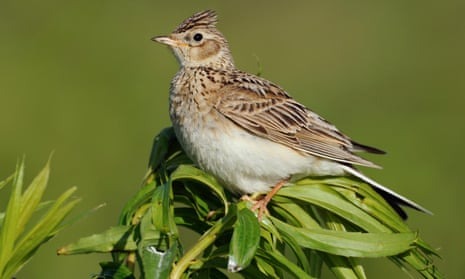
Texas birding often takes you into protected habitat, public preserves, and land shared with private owners. The American Birding Association’s Code of Birding Ethics stresses minimizing disturbance and respecting both wildlife and people.
The rules matter most when a bird is nesting, an area is posted as protected, or a sighting is near private property.
- Stay within permitted access. Follow posted routes, land-manager instructions, and seasonal restrictions at parks and refuges.
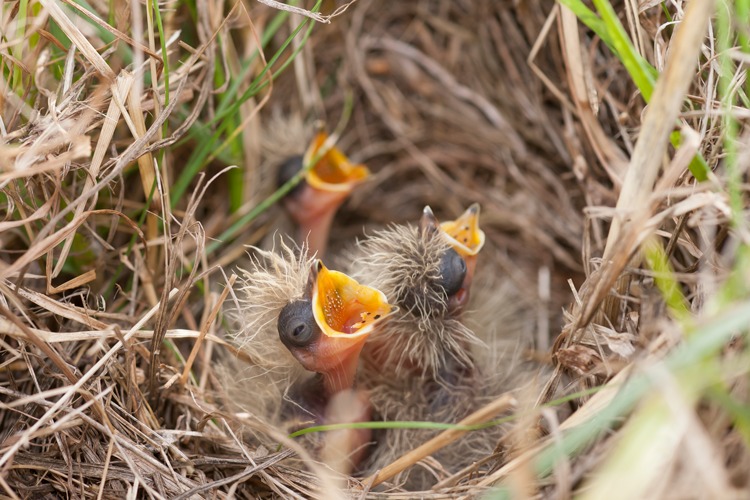
- Give sensitive birds space. Don’t approach active nests, crowd breeding birds, or use playback in ways that disturb wildlife.
- Respect property boundaries. A bird report is not permission to enter private land.
- Accept the available view. If getting a photo means flushing a bird or crossing a boundary, shoot from where you are.
Build a Texas Birding Trip Around One Region
A short Texas trip works best when one region carries the main goal. Bad weather, insects, access changes, and slow bird activity then won’t force a long drive across the state.
On the Upper Coast, spend the main outing on spring woodland migrants and add a shoreline stop. At Big Bend, a day near river vegetation and another in accessible desert habitat suit birders whose interests or abilities differ from those planning a long mountain hike.
A compact field plan
- Primary region. Choose it by season and target birds.
- Main outing. Give your best time to the habitat that drew you.
- Backup. Line up a second site or habitat nearby.
- Observation style. Match the plan to your walking ability, pace, and need for local guidance.
For more on matching habitat, trail access, and recent sightings, see the birding places guide.