Pick the habitat that matches the birds you want and the season you’re traveling in, then choose a site you can reach without spending the day on the road. Freshwater wetlands, tidal refuges, scrub preserves, and coastal sites each give you a different kind of birding. If your first choice is closed or out of season, head for a nearby backup.
A few hours at a freshwater marsh and a trip to an island off Key West can both make a great birding day. The best Florida destination is the one that fits where you’re staying, what you want to see, and how much of the day you have.
Where should you go birdwatching in Florida? Start with habitat and trip base
Start with where you’re based and the habitat you want to explore. Someone near Orlando can reach different places than someone on Sanibel Island or in the Panhandle. An exceptional refuge is no use if the drive eats the hours you meant to spend birding.
The Florida Fish and Wildlife Conservation Commission’s Great Florida Birding and Wildlife Trail lists more than 500 wildlife-viewing sites across the state. Its official Find a Site tool lets you filter locations by geography and amenities.
| What you want to experience | Habitat to look for | Florida starting point |
|---|---|---|
| Freshwater wetland birds | Marshes, lakes, and wetland edges | Central Florida, including Lake Apopka |
| Southern wetland birding | Freshwater and coastal wetlands | Everglades National Park and Flamingo |
| Tidal wildlife viewing | Estuaries, mangrove edges, and tidal flats | Sanibel Island and the southwest coast |
| Shorebird observation | Beaches and coastal habitats with public access | Atlantic and Gulf Coast locations |
| A Florida scrub specialist | Scrub habitat | Public scrub preserves |
| Island and migration-oriented birding | Coastal stopovers and offshore islands | Florida Keys and Dry Tortugas |
The habitat column does the first round of sorting. A freshwater wetland suits an inland afternoon, and a tidal refuge fits a stay on the southwest coast. If you’re after a scrub-associated bird, you need a different setting altogether.
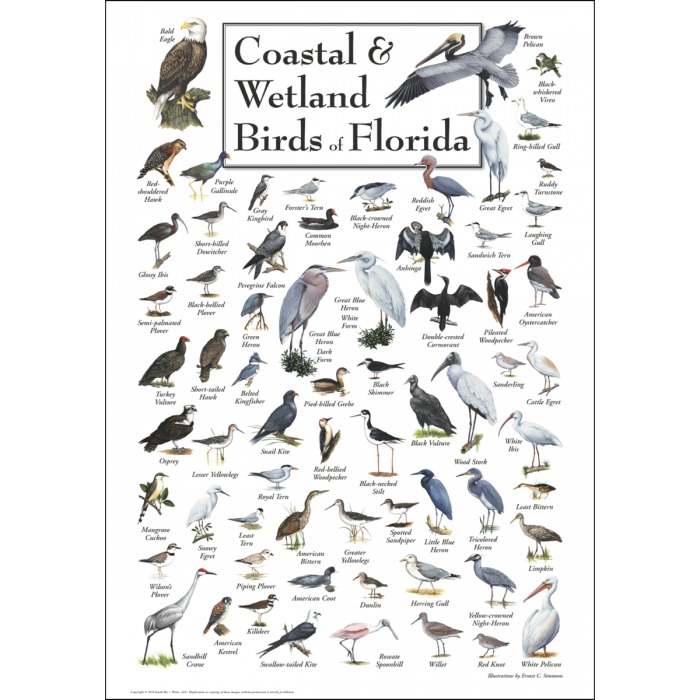
Each region also lets you string outings together in its own way. The official Trail covers the Panhandle, and southwest Florida has local preserves, coastal areas, and wetland sites you can fold into a regional trip.
One birder recorded a series of stops during a visit to the Sarasota area:
All seen in Sarasota, FL area: Anna Maria Island, Perico/Robinson Preserve, Celery Fields, Red Bug Slough, Fort De Soto. I think Fort De Soto was my favorite place in the 3.5 days I was there. TW on number 15: Osprey eating its lunch Seems a lot of people are taking trips to Sarasota/FL in general and I definitely understand why!
Fort De Soto was that birder’s favorite. The stops mix coastal and inland sites around southwest Florida and the Tampa Bay area.
On Sanibel, tidal habitats are the natural pick. In the Panhandle, explore the region’s own trail locations before committing to a long drive south.
What is the best season for birdwatching in Florida?
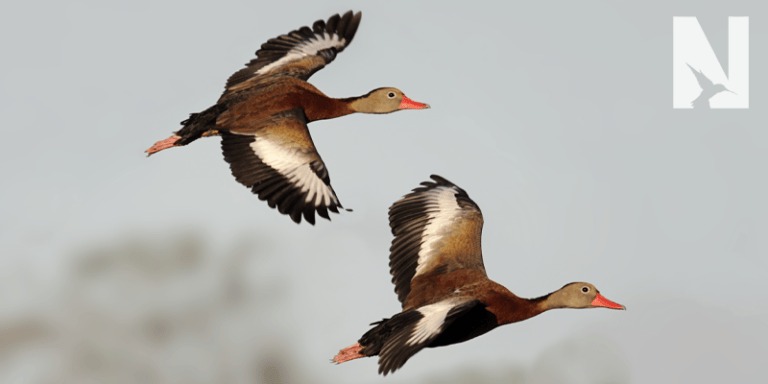
Winter is a strong season for some south Florida wetland trips. Spring and fall bring migrants, and summer still has resident birds. The right season depends on the habitat and the birds you want. For fall migration dates, regional flyways, and weather, see fall bird migration: when and where to watch in the u.s.
The National Park Service names roughly December through March as a productive winter birding period around Flamingo in Everglades National Park. The park also describes spring migrants and summer resident species. Water conditions also affect how visible wetland birds are and where they gather.
| Season | Birdwatching opportunity | What affects the choice |
|---|---|---|
| Winter | Seasonal wetland birding, including the NPS-described Flamingo period | Local water conditions and the wetland type |
| Spring | Migrants alongside resident birds | Which bird group you want |
| Summer | Resident and breeding birds | Heat, insects, and changing weather |
| Fall | Migration-related observation | Region, date, and conditions |
For a winter visit, the NPS guidance gives you a solid reason to head for the southern wetlands around Flamingo. If you want a migrant or a resident scrub specialist, work out habitat and season separately. Spring migration and the Florida summer don’t run on one schedule statewide. For spring migration dates, regional flyways, and weather, see spring bird migration: when to watch in the u.s.
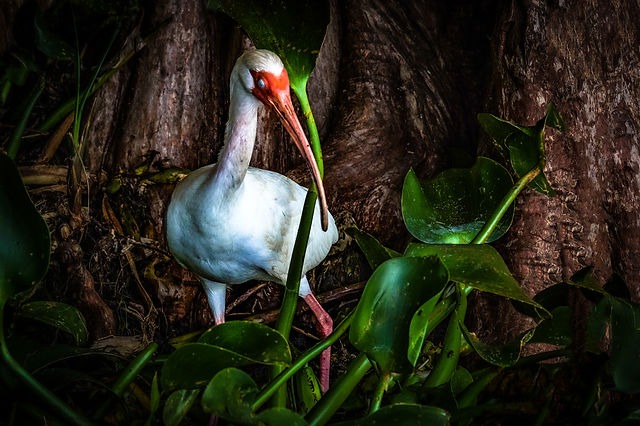
Coastal travel adds a weather factor. NOAA defines the Atlantic hurricane season as June 1 through November 30. Keep your plans flexible in that window, and let the forecast for the day decide whether an exposed coastal or offshore trip makes sense.
Which Florida birding destinations fit different goals?
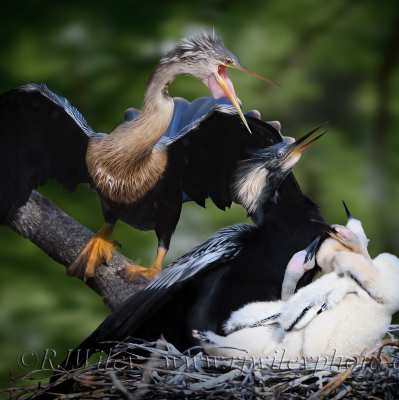
The six destinations below cover a range of Florida habitats and ways to bird, from freshwater wildlife drives to offshore islands reached by boat or seaplane.
| Destination | Main setting | Reason to consider it |
|---|---|---|
| Everglades National Park, including Flamingo | Southern wetlands and coastal environments | Seasonal wetland birding with a choice of trails and viewing settings |
| J.N. “Ding” Darling National Wildlife Refuge, Sanibel | Coastal and tidal habitat | Wildlife viewing shaped by the tide and by separate access rules for the Wildlife Drive and other areas |
| Lake Apopka Wildlife Drive | Central Florida freshwater wetlands | A drive-through wetland outing within a central Florida itinerary |
| Merritt Island National Wildlife Refuge | Space Coast refuge habitats | Wildlife viewing in a region with NASA-related access restrictions |
| St. Marks National Wildlife Refuge | Gulf Coast and Panhandle habitats | A coastal refuge outing based in northwest Florida |
| Dry Tortugas National Park | Offshore islands west of Key West | Island birding that needs dedicated transportation |
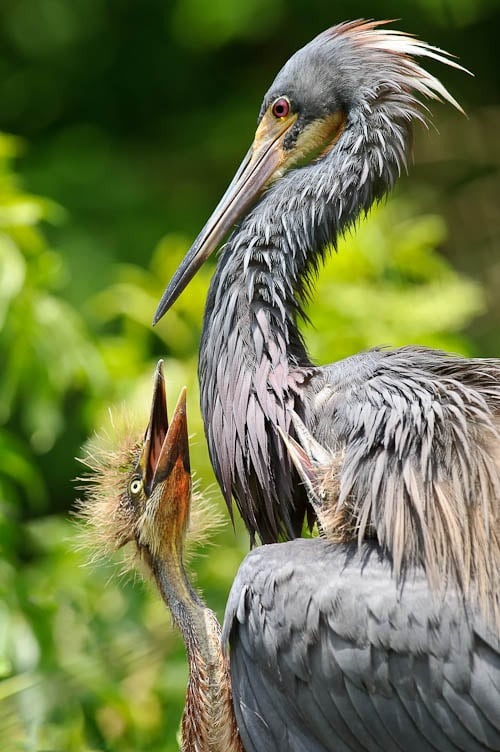
Everglades National Park and Flamingo
Flamingo gives you a choice of southern wetland and coastal environments. The National Park Service describes the one-mile Guy Bradley Trail along the Florida Bay shoreline and the half-mile Eco Pond Trail loop through a coastal prairie setting.

Ding Darling and the southwest coast
On Sanibel Island, Ding Darling puts estuary and tidal habitats in your itinerary. The refuge recommends low tide for wildlife viewing. The Wildlife Drive and the refuge’s other areas have different access rules, so the type of outing matters.
Farther around southwest Florida, local resources name Celery Fields and Oscar Scherer State Park. They’re worth a look if you want inland habitat beyond the better-known coastal refuge.
Lake Apopka and the Space Coast
Lake Apopka is a central Florida freshwater option built around a vehicle route. It suits birders who want to watch wetlands from the car along a wildlife drive.
On the Space Coast, Merritt Island’s Black Point Wildlife Drive is a wildlife-viewing route through the refuge.
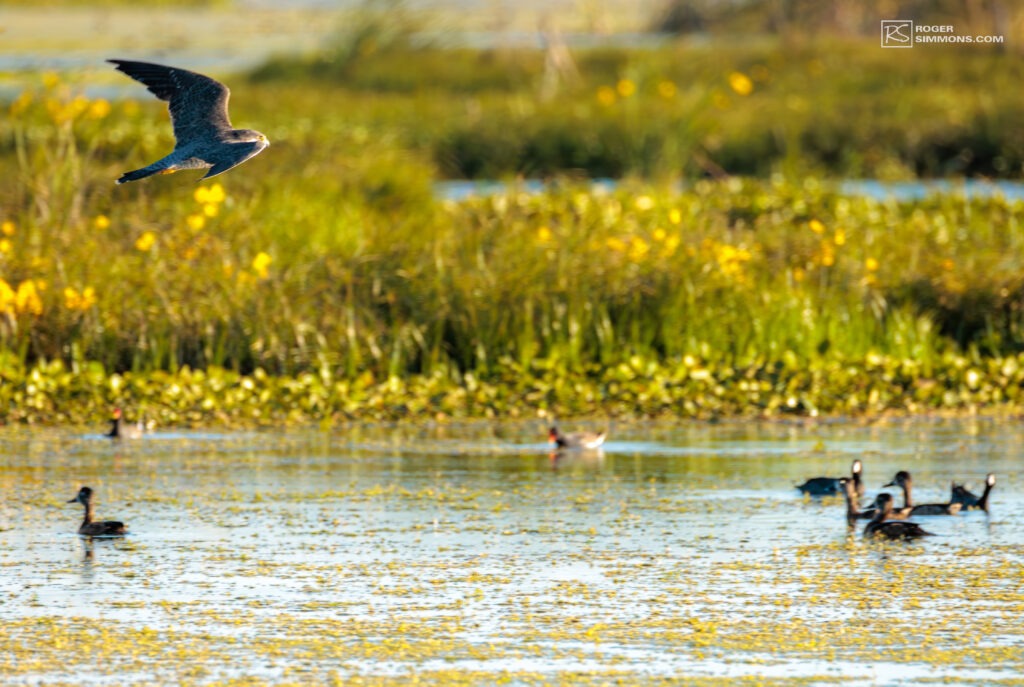
St. Marks and Dry Tortugas
St. Marks National Wildlife Refuge offers a Panhandle and Gulf Coast setting, with Lighthouse Road running through the refuge habitats.
Dry Tortugas is a specialized offshore choice. The visit centers on island habitats and transportation from the Key West area.
How do you choose a site when you want to see one particular bird?
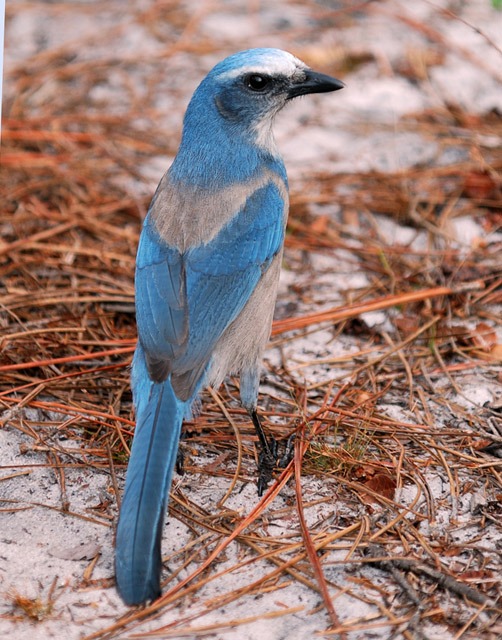
A famous birding spot can give you a good day and still be the wrong place for the bird you want.
The Florida Scrub-Jay shows why. The Florida Fish and Wildlife Conservation Commission identifies it as endemic to the state, tied to scrub habitat, and federally threatened. That points you to public scrub preserves.
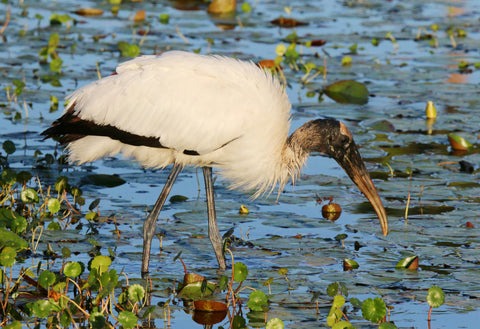
A Wood Stork search is a different problem. One visitor spent half a day around two familiar Everglades locations without finding the bird:
Spent half a day in the Everglades and saw some amazing birds. Was on the hunt for a wood stork but did not get lucky. Most of the time spent around Anhinga trail + shark valley. Any recs on best places to explore for birding in the Everglades?
This birder saw plenty but missed the Wood Stork after a day at Anhinga Trail and Shark Valley.
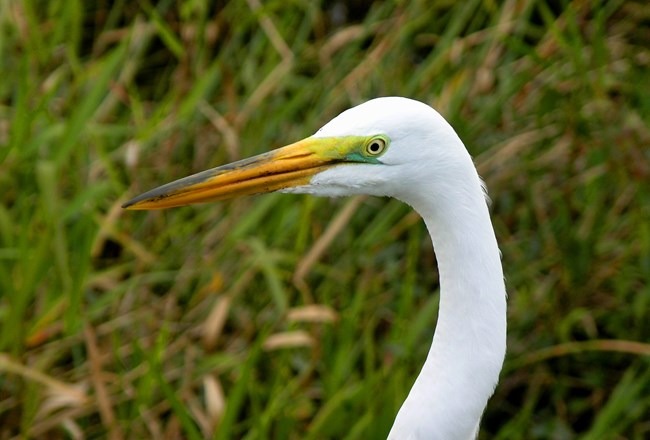
Can you actually enter the site? Hours, tides, transport and closures
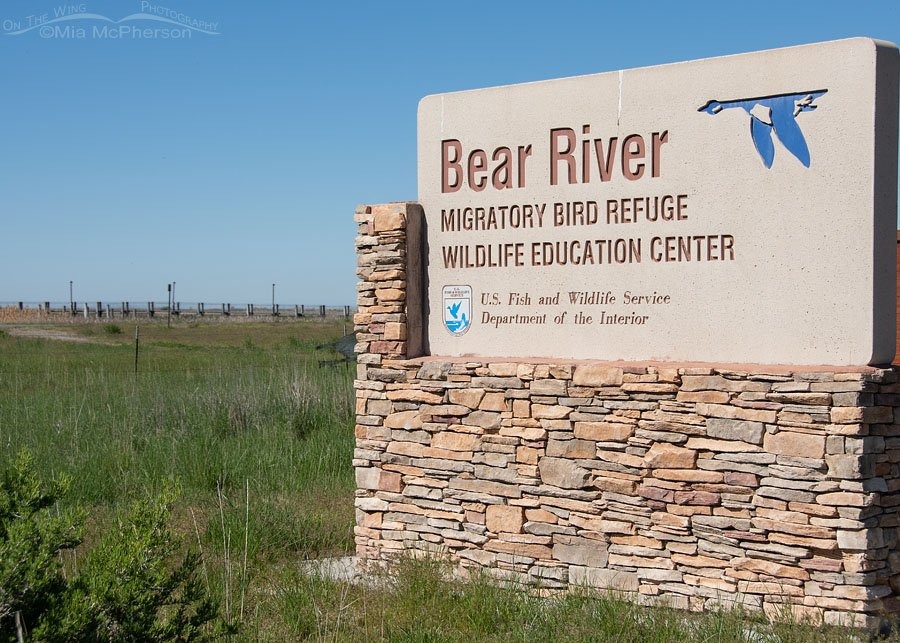
Access decides the trip. A site with the right birds and the right season still fails if the wildlife drive is closed, the vehicle entry period has ended, or no offshore transportation is available.
Different parts of the same property can have different rules. What counts is the route you plan to use, not the property as a whole.
| Destination or route | Published condition | What it means for the visit |
|---|---|---|
| Ding Darling Wildlife Drive | Closed on Fridays; low tide is recommended for wildlife viewing | A Friday drive won’t work, though other refuge areas have separate access rules |
| Lake Apopka Wildlife Drive | Vehicle entry Friday through Sunday and federal holidays, 7 a.m. to 3 p.m.; exit by 5 p.m. | A Tuesday drive falls outside the schedule; other North Shore recreation is separate |
| Merritt Island National Wildlife Refuge | NASA-related operations can affect public access | The route may close for an operation |
| St. Marks National Wildlife Refuge | Refuge and daylight access rules apply | Entry outside permitted hours needs a different plan |
| Dry Tortugas National Park | Accessible by boat or seaplane from the Key West area | Transportation has to be part of the trip plan |
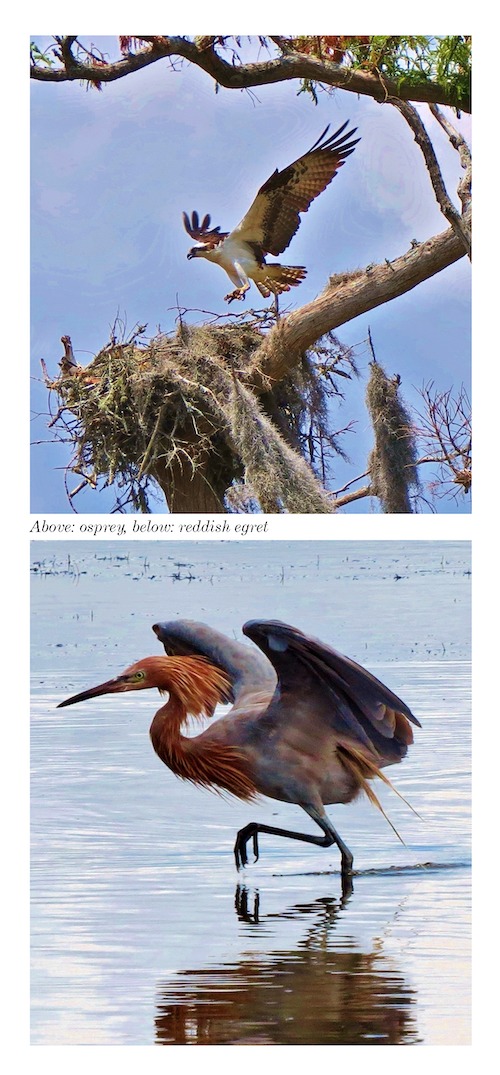
Ding Darling’s official visitor information separates the Friday-closed Wildlife Drive from the refuge’s other areas. Bailey Tract is listed as a year-round area open sunrise to sunset. A Friday on Sanibel calls for a different plan.
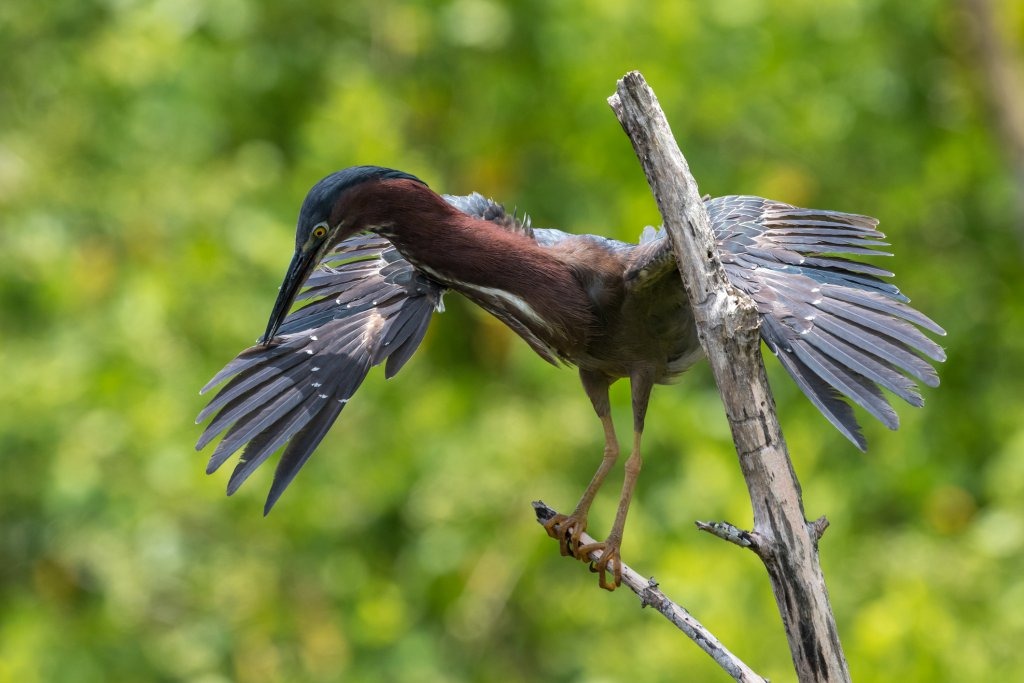
The Lake Apopka recreation information likewise lists hiking, cycling, and other North Shore activities separately from the vehicle drive. The published entry schedule applies only to the drive.
Merritt Island is a different case. NASA operations have led to temporary restrictions on refuge access, and the affected routes and dates come from the official notice for your visit.
Dry Tortugas National Park lies about 70 miles west of Key West. You need a boat or seaplane to reach the islands, so it doesn’t fit into a mainland driving itinerary.
Before you leave, check the site manager’s notice for your date: route or gate closures, access hours, and transport arrangements. At tidal sites such as Ding Darling, check the tide too. Schedules change, and a good low-tide window doesn’t override a closure.
How do you plan a half-day, full-day or multi-day birding itinerary?
How much of Florida belongs in your plan depends on your time. On a short visit, keep travel to a minimum. With several days, you can cover more habitats from one regional base.
- Half-day: Give one reachable location your main birding time. On an Orlando-area afternoon, a central Florida freshwater site makes more sense than an offshore island or a distant coast.
- Full day: Pair a main site with a second stop in the same region when the two offer different experiences and the drive is short. A freshwater setting and a nearby preserve can suit different interests.
- Several days: Bird several habitat types from one base. A southwest Florida stay can cover inland preserves and coastal outings on different days, within each site’s access rules.
Around Sarasota, you could combine Celery Fields, Red Bug Slough, Anna Maria Island, and Fort De Soto, but don’t count on negligible transfer times between them.
Should you bring binoculars, walk, drive or take a boat?
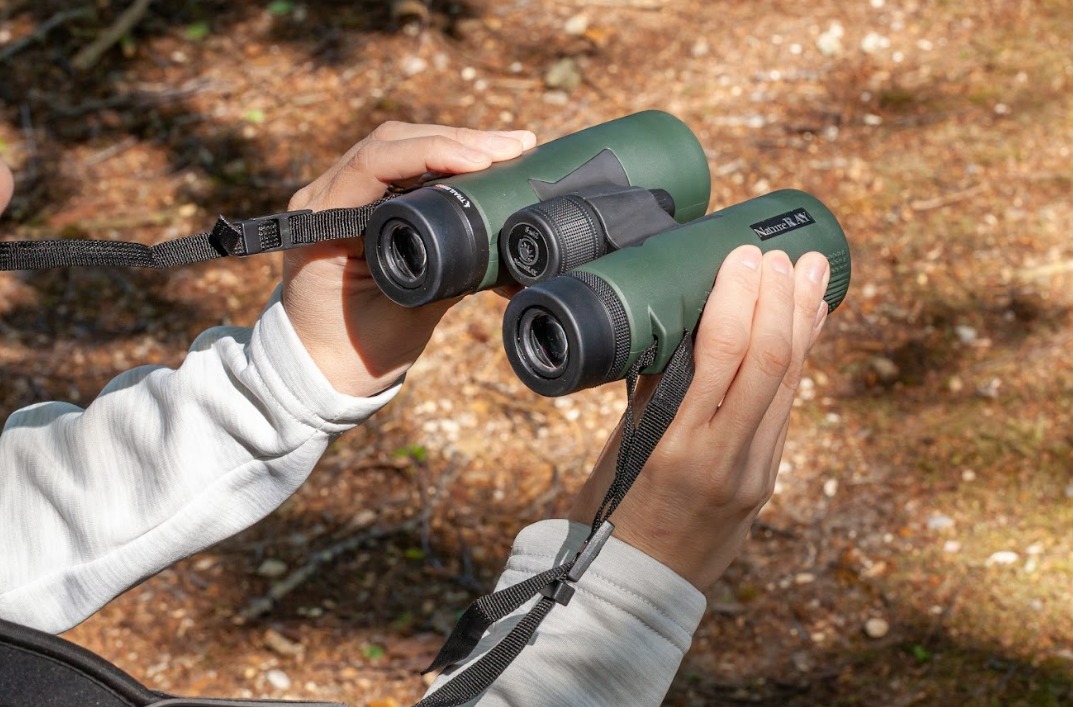
Comfortable binoculars and a way of birding that suits the location are enough to start. A relaxed outing needs far less gear than a dedicated wildlife photographer carries.
One visitor who had mostly photographed Everglades wildlife found that out on a trip with binoculars and phones:
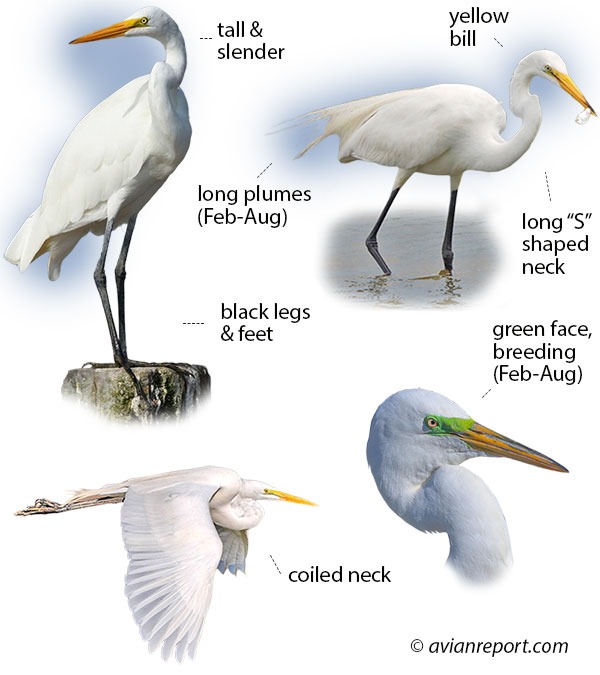
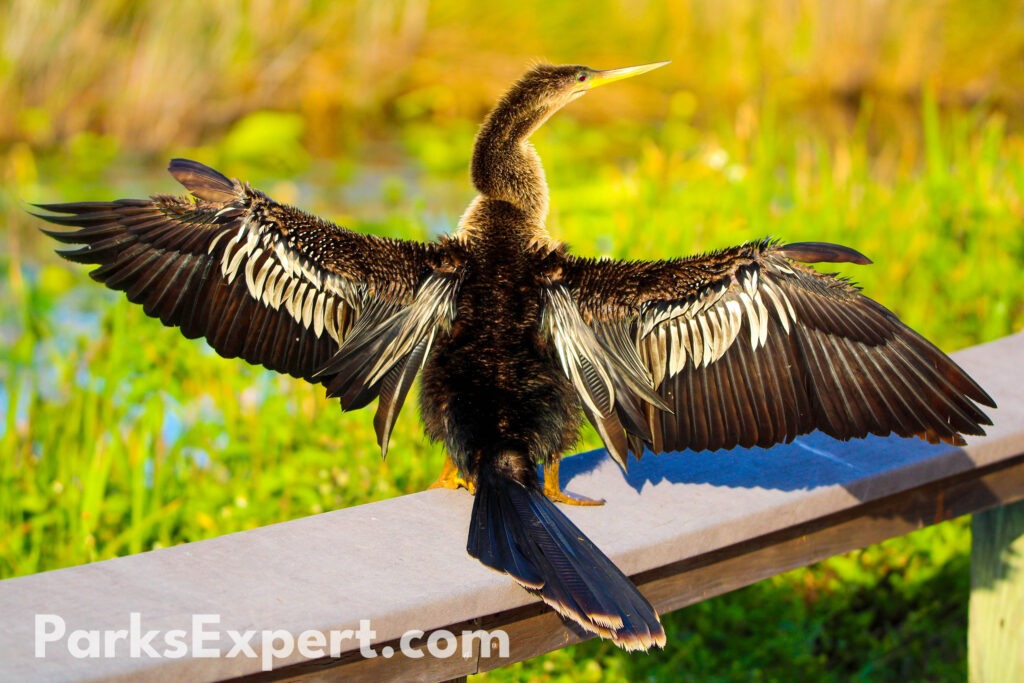
I’ve been an amateur wildlife photographer for a while, and I visit the Everglades often, as it’s in my backyard. This time, my girlfriend recommended that we try going without DSLR cameras and just take binoculars. Birding. I had always wanted to try it, but never got around to it. And WOW. What an experience. Free from the pressure of trying to take the perfect shot, with just our binoculars and phones in tow, we had an absolutely fantastic time! Spent eight hours in the wetlands and IDd over 30 birds on one trip – a few up close like this Great Egret, Cardinal, Anhinga, juvenile Yellow Crowned Night Heron, Double Crested Cormorant – and then an absolutely amazing sighting of a Bald Eagle, several red tailed and red shouldered hawks, and plenty of tiny little songbirds we only IDd after the fact. Nesting ospreys, diving Pelicans, rambunctious coots. Those long range ones are where I sometimes wished I had my camera! Ended the day enjoying a spectacular sunset in one of the more hidden roads of the park.
Binoculars made birding enjoyable for this visitor, though a long lens would have helped with the distant shots.
Walking and boardwalks
Walking lets you stop often, listen, and look closely at vegetation and wetland edges. Boardwalks give you a set route through a habitat, with distance, surface, and accessibility varying by location.
Wildlife drives
A vehicle route covers wetlands with little walking, but you follow its posted vehicle rules.
Boats and offshore visits
Boats reach places you can’t get to on foot or by car. Departures, capacity, weather, and the physical demands of the trip decide whether it works. Dry Tortugas calls for this commitment from the start, and if you have a fixed flight departure, set departure and return times may rule it out.
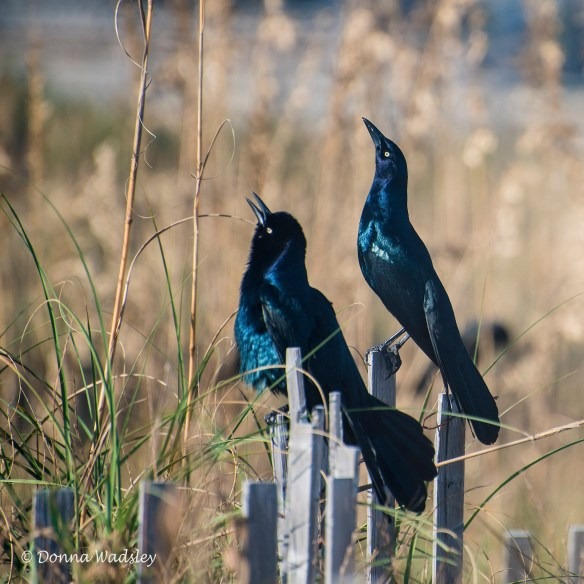
For a first outing, pack binoculars, a phone or notebook for notes, water, sturdy footwear, and weather protection. Florida’s birding-trip guidance also describes loaner optics programs, but confirm availability with the participating location before counting on borrowed equipment.
Heat, insects, shade, and the amount of walking affect your enjoyment even in ideal habitat. Pick an outing that works for everyone traveling with you, including anyone who needs an easier route.
How do you verify bird activity and conditions before you go?
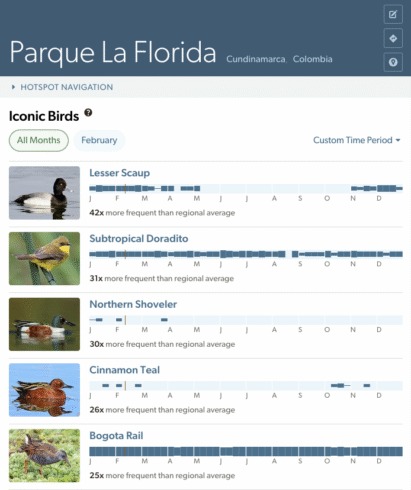
Once you have a workable destination, eBird shows what observers have reported there, past and recent. Official managers set the access rules, while eBird records what people have seen in a region or at a hotspot. To weigh hotspots, habitat, and dated sightings, use how to find useful birding hotspots as a cross-check.
Start with the relevant region or hotspot in eBird, then look at the observation dates and the species reported there. For a target bird, reports from your season and a similar habitat tell you more than an undated mention somewhere in Florida. When habitat, trail access, and recent sightings all matter, the birding places guide is a more focused next step.
The eBird bar-chart guidance explains how seasonal reporting is organized by location and time period.
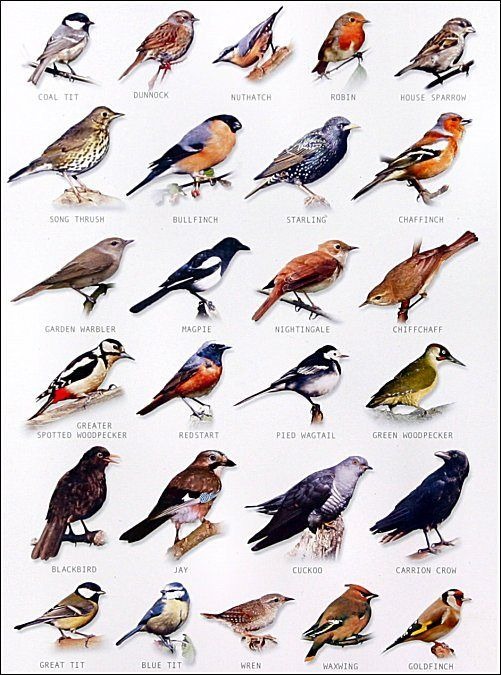
Bar-chart frequency is the share of complete checklists that report a species in a given period. It reflects submitted data, including differences in where and how people bird. It is not your chance of seeing that species on a given day.
For a Wood Stork, a relevant hotspot and dated records can tell you where and when to focus. For a Florida Scrub-Jay, start with suitable scrub habitat and then use records from that setting.
When reports are sparse or dated, plan a general habitat-based outing.
How can you birdwatch responsibly and avoid preventable problems?
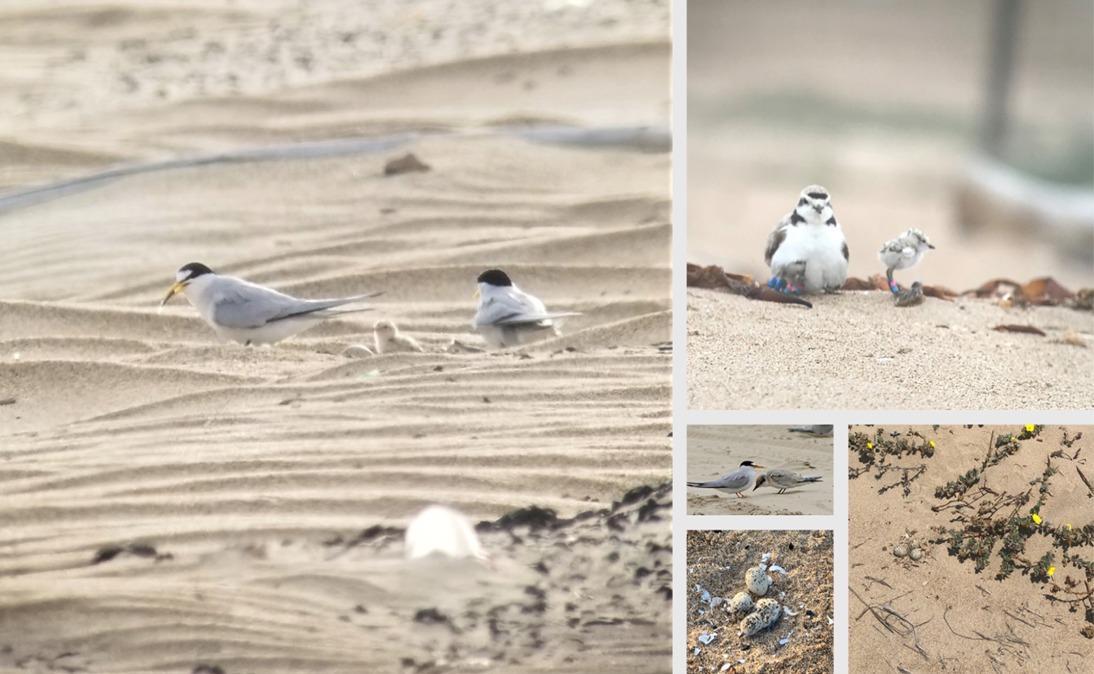
At Florida beaches and refuges, respect marked nesting areas, keep pets away from protected shorebird habitat, and give birds space, as the FWC and the American Birding Association advise. Watch sensitive species such as the Florida Scrub-Jay from permitted public areas, and don’t look for nests or share precise breeding locations.