Choose southeastern Arizona if you have time for canyon and Sky Island birding. For a shorter outing, stay near your base: the wetlands around Phoenix or the forests and wetlands near Flagstaff. Switch destinations when the season, access or forecast rules out the habitat you came for. Pick one primary stop and one backup, then use site notices and recent eBird observations to make the final call.
Arizona has very different birding environments. A saguaro-lined desert wash, a wooded mountain canyon and a pond in the middle of Phoenix each hold different birds. Travel north toward Flagstaff and you find ponderosa pine forests, grasslands and seasonal wetlands.
A birder flying into Phoenix for a weekend faces different choices from someone spending several days in the southeastern mountains.
Where to Go Birdwatching in Arizona Based on Your Starting Point
Start with your starting city and the time you have. Arizona’s famous birding locations sit far apart, and a stop that suits a dedicated southeastern trip can be a long detour from northern Arizona. Compare habitat, trail access and recent sightings, and use the birding places guide to narrow the list.
| Starting point or trip | Birding direction | Places to consider | Reason to choose it |
|---|---|---|---|
| Phoenix, with part of a day available | Urban wetlands and riparian habitat | Riparian Preserve at Water Ranch, Rio Salado | Ponds and river habitat inside the metro area |
| Tucson, with a dedicated outing | Mountain canyons or a local wetland | Madera Canyon, Mount Lemmon, Sweetwater Wetlands | Canyon, high-elevation or wetland habitat, your pick |
| Flagstaff or a northern Arizona trip | Forest, grassland and wetlands | Kachina Wetlands, Picture Canyon | Fits an itinerary already heading north |
| Several days devoted to southeastern birding | Multiple canyon and mountain habitats | Santa Rita Mountains, Patagonia, Sierra Vista, Chiricahuas | Spread-out sites that need several days |
When to Go: Spring Migration, Summer Mountains, Monsoon Hummingbirds, and Winter Cranes
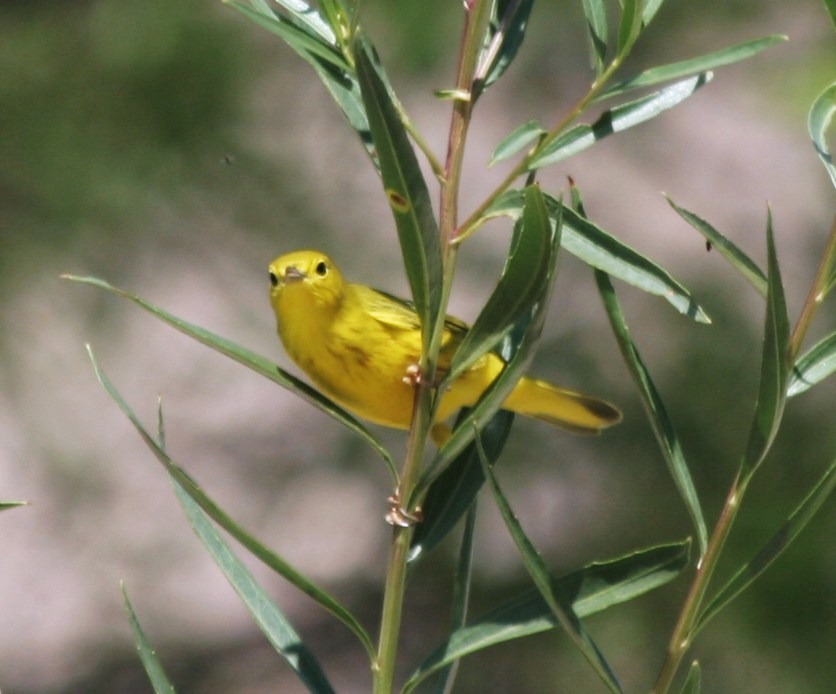
No single month is best for every Arizona habitat. The Southeastern Arizona Bird Observatory divides southeastern Arizona into five birding seasons, based on migration, heat, rainfall and wintering birds. For fall migration dates, regional flyways and weather, read fall bird migration: when and where to watch in the u.s.
Its five-season birding guide is most useful for a trip focused on Tucson, Patagonia or the southeastern mountain ranges.
| Season | Typical period in southeastern Arizona | Birding interest | Planning consequence |
|---|---|---|---|
| Spring migration | Late February to mid-May | Migrants and returning breeding birds | Match the habitat to the species you want |
| Dry season | May to early July | Canyon and mountain birding | Lower-elevation heat shapes the day |
| Rainy season | Mid-July to mid-September | Hummingbird diversity, particularly late July to mid-August | Afternoon thunderstorms can disrupt mountain and canyon plans |
| Fall | September to early December | Lowland migration, wetland birds, and later raptors and sparrows | Early and late fall suit different goals |
| Winter | December through February | Cranes, waterfowl, raptors and sparrows in suitable habitats | Wetlands and wintering sites matter more |
Fall suits visitors whose dates miss the familiar spring and monsoon windows. September can bring migration activity in lower country and wetlands. By early October some mountain canyons are quieter, and later autumn brings wintering raptors and sparrows.
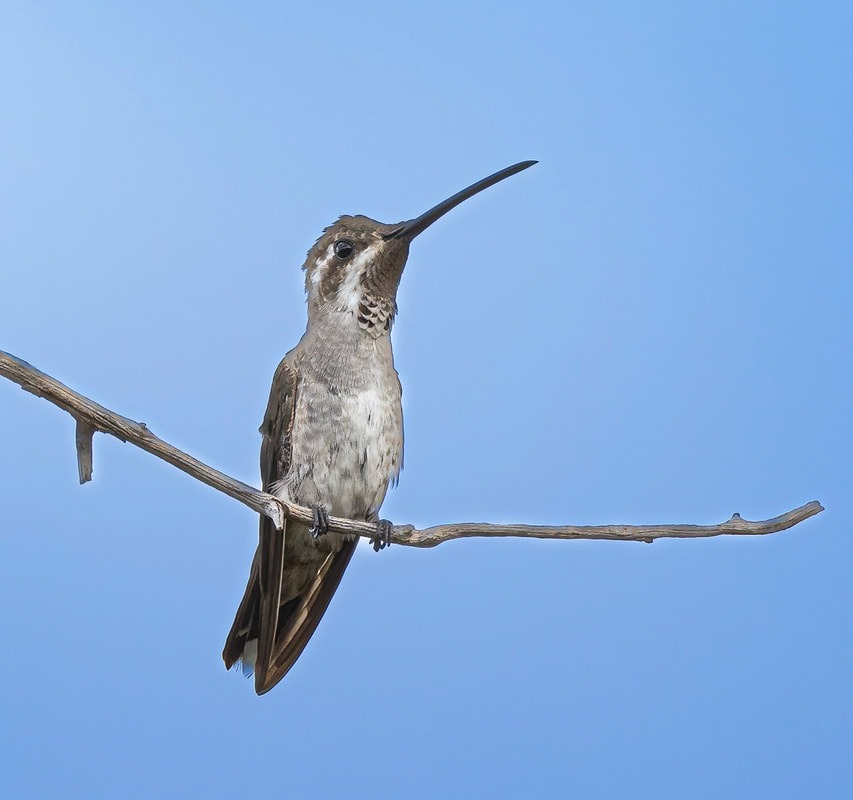
Is early April worth a birdwatching trip to southeastern Arizona?Yes. Early April can offer rewarding birdwatching, although it precedes the mid-April to mid-May period highlighted for spring migration. If the visit is fixed for early April, choose birds and habitats appropriate to that period; a trip specifically aimed at the later migration window calls for different dates.
These seasons apply to southeastern Arizona. Phoenix’s lower-elevation wetlands and Flagstaff’s northern mountain habitats follow their own conditions, so match a statewide trip to each region.
Desert, Sky Island, Riparian Canyon, Wetland, or Pine Forest?
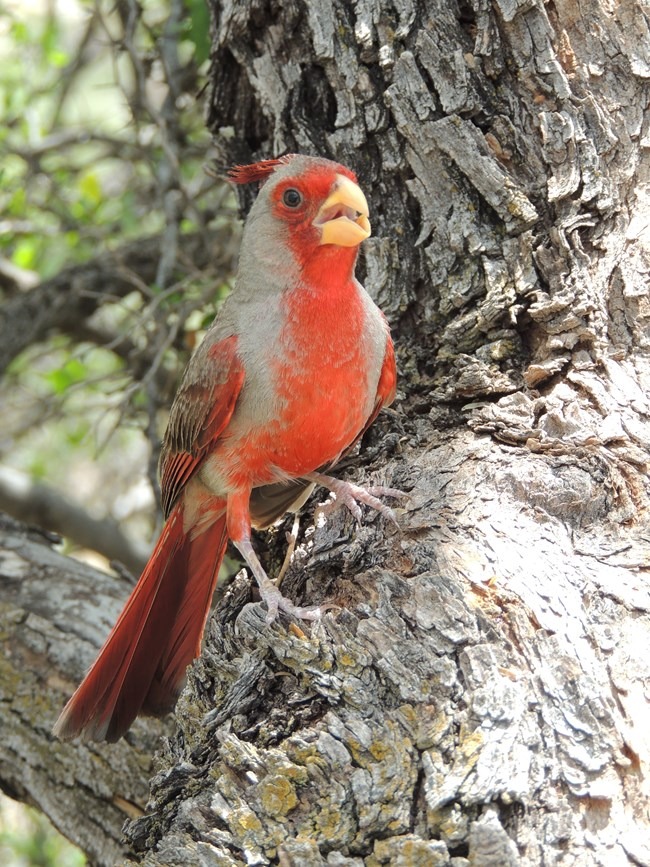
The Sonoran Desert has cactus, scrub and wash environments. Riparian corridors add trees and water-associated vegetation. Wetlands draw birds that use ponds, marshes and open water.
The Madrean Sky Islands are southern mountain ranges where vegetation changes with elevation. The Santa Rita Mountains, Santa Catalina Mountains and Chiricahuas have wooded canyons and upland forests that contrast sharply with the lower country around them.
Mount Lemmon shows the elevation change well. The trip from the Tucson lowlands into the Santa Catalina Mountains crosses different vegetation zones, and the birds of the higher forest differ from those of desert scrub.
Northern Arizona adds ponderosa pine forests, grassland and wetland habitat. Around Flagstaff, Kachina Wetlands and Picture Canyon are two ways to explore it.
Tucson Birding: Madera Canyon, Mount Lemmon, and Sweetwater Wetlands
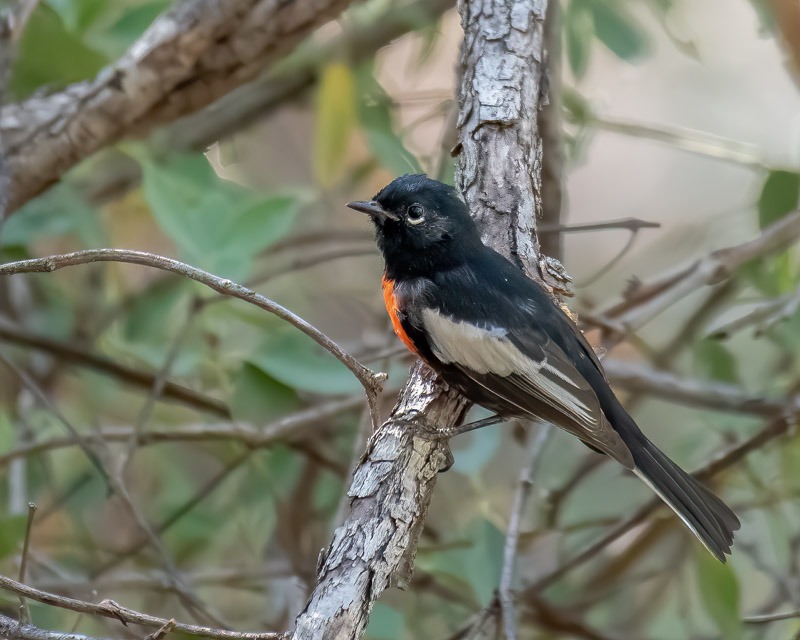
Tucson works as a base for three kinds of birdwatching. Madera Canyon has wooded canyon habitat and sought-after southeastern birds. Mount Lemmon climbs through large elevation and vegetation changes. Sweetwater Wetlands is a pond and marsh environment inside the Tucson area.
Madera Canyon and the Santa Rita Mountains
Madera Canyon runs from open foothill country into wooded habitat in the Santa Rita Mountains. You get canyon birds, permitted viewing areas and walks that vary by section.
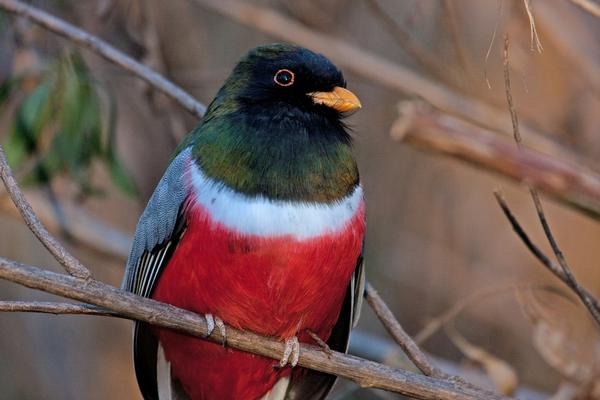
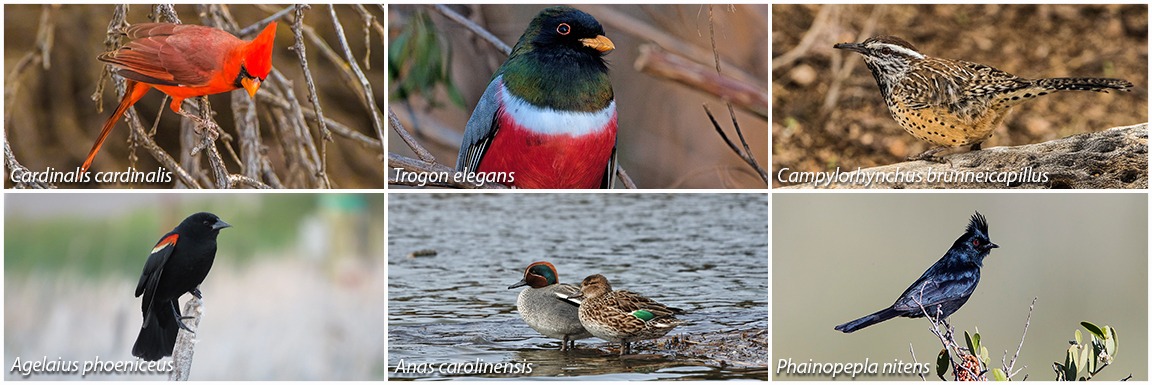
The Coppery-tailed Trogon (Trogon ambiguus) is one of the birds of the region. Many older Arizona accounts call it the Elegant Trogon. Under the 2025 eBird/Clements taxonomic split, Coppery-tailed Trogon is the name applied to the southeastern Arizona taxon. That explains why an older trip account and a newer species record can seem to describe different birds at the same destination.
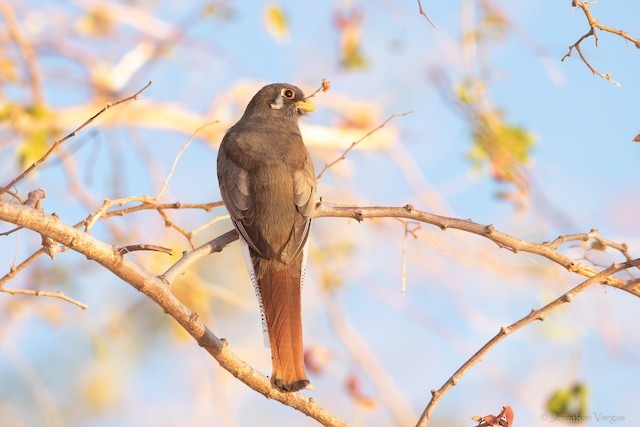
Mount Lemmon and the Santa Catalina Mountains
Mount Lemmon is a mountain outing built around elevation. As you climb from Tucson into the Santa Catalina Mountains, the vegetation changes, so you can compare lower desert surroundings with higher forest habitat.
It suits you if you want mountain birds and a look at how habitat follows elevation. Weather and road conditions can differ markedly between the city and the higher mountain areas, which affects which part of the route you take.
Sweetwater Wetlands
Sweetwater Wetlands is the Tucson-area choice for waterbirds and riparian activity. Marshes, ponds and recharge basins make a very different setting from Madera Canyon or Mount Lemmon.
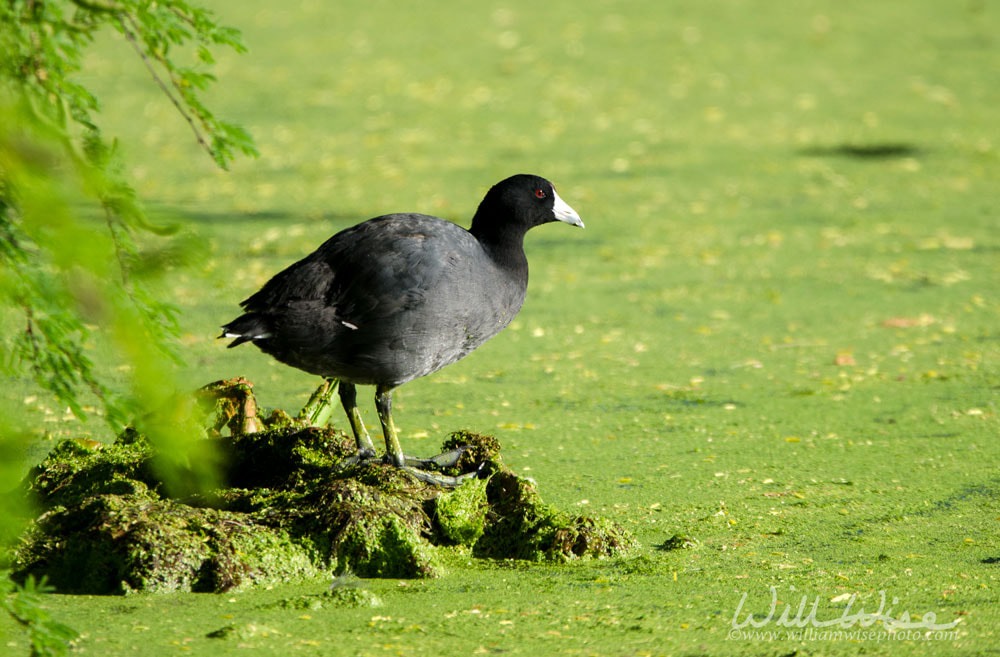
Ducks and other wetland birds make a different target from the wooded canyons of the Santa Ritas.
Hummingbirds, Protected Canyons, and the Remote Southeastern Mountains
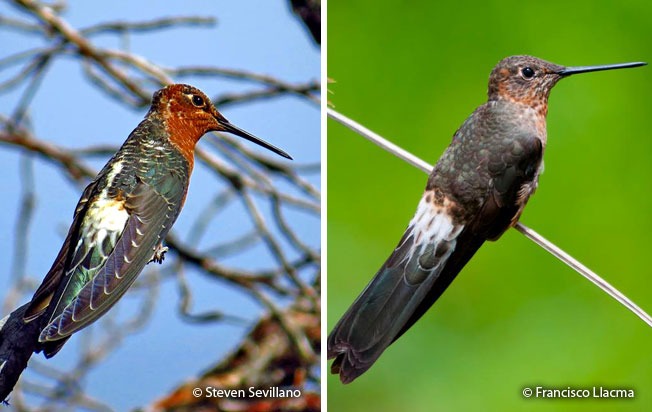
Patagonia, Sierra Vista and the Chiricahuas give you several reasons to travel beyond Tucson. Each is a different experience: managed garden observation, a protected mountain canyon or a remote forest-and-canyon trip.
| Destination | Experience | Important planning distinction |
|---|---|---|
| Paton Center for Hummingbirds | Garden and feeder observation | Managed facility with posted notices about feeders |
| Ramsey Canyon Preserve | Protected riparian canyon and trails | Operating days, visitor rules and trails of differing difficulty |
| Cave Creek Canyon, Chiricahuas | Remote canyon and upland mountain habitats | Travel commitment, forest roads and changing conditions |
Paton Center for Hummingbirds
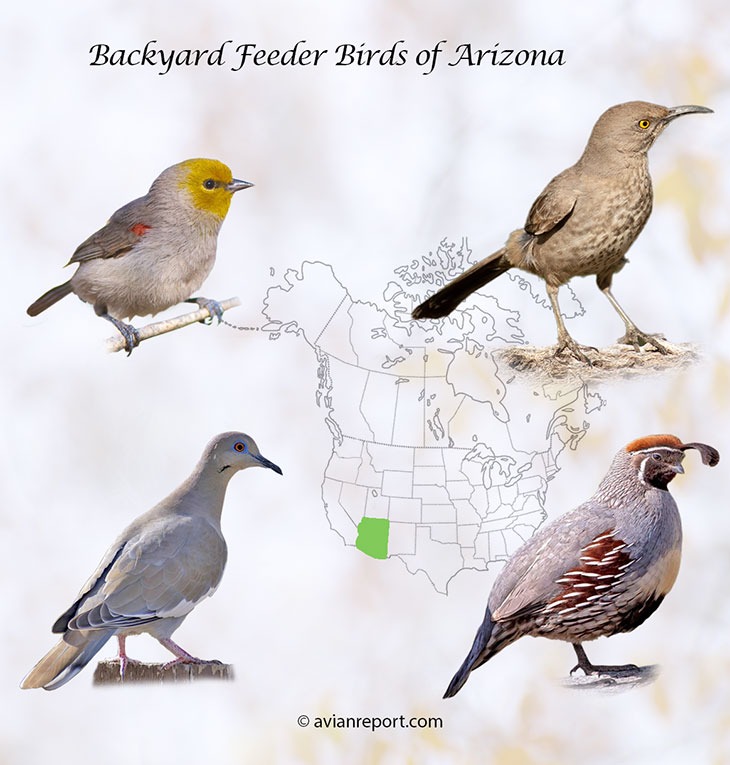
The Paton Center in Patagonia is known for hummingbird observation, including the Violet-crowned Hummingbird. Its garden setting makes for a different visit from searching a large mountain canyon.
On July 28, 2026, Tucson Bird Alliance reported the temporary removal of seed and suet feeders because of suspected finch eye disease. The notice said hummingbird feeders remained in operation.
Ramsey Canyon Preserve
Ramsey Canyon near Sierra Vista is a protected mountain riparian setting with managed public access. The Nature Conservancy’s published visitor information lists seasonal hours, Tuesday and Wednesday closures, and restrictions on pets and drones.
Hummingbird viewing centers on the visitor-center area, while the Hamburg Trail runs farther into the canyon. Its upper approach includes steep switchbacks that climb about 500 feet over half a mile.
That separates a lower-canyon observation visit from a harder hike. Check The Nature Conservancy’s Ramsey Canyon visitor information for the schedule, restrictions and trail details.
Cave Creek Canyon and the Chiricahuas
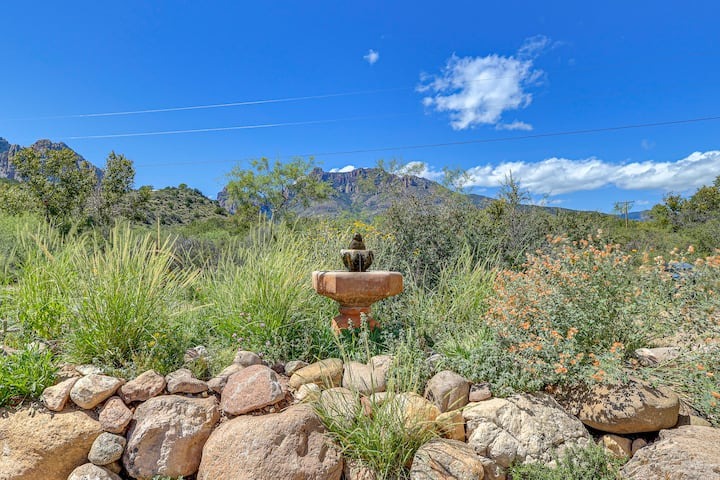
Cave Creek Canyon near Portal takes you into the far southeastern Chiricahua Mountains, with wooded canyon and upland forest habitats. It demands more travel than a managed garden stop.
Remote mountain approaches make the route matter. Forest-road conditions, seasonal storms and your distance from your base all affect the choice. Treat Cave Creek as a major part of a dedicated southeastern birding itinerary.
Good Birdwatching Near Phoenix Without a Southeastern Arizona Road Trip
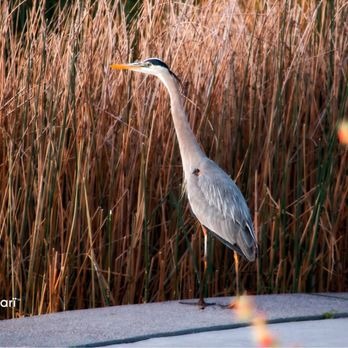
Phoenix has birdwatching that suits a short visit without a trip to the southeastern mountains. The Riparian Preserve at Water Ranch in Gilbert and the Rio Salado Habitat Restoration Area are documented wetland and riparian options in the metro area.
Riparian Preserve at Water Ranch
Gilbert’s Riparian Preserve at Water Ranch is a pond-centered landscape with riparian habitat. It works well for ducks, other waterbirds and birds in the vegetation around the ponds.
The ponds give the outing a clear focus. If you are staying in Gilbert or the eastern Phoenix area, it is the natural choice.
Rio Salado Habitat Restoration Area
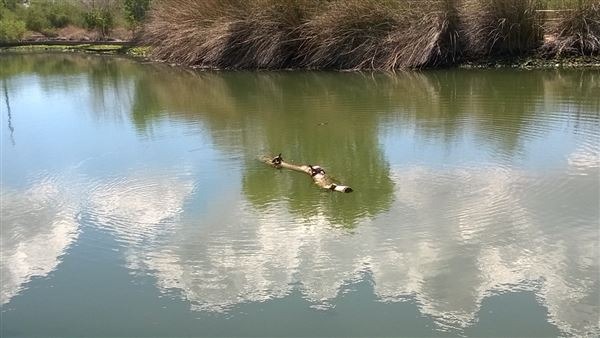
Rio Salado is restored riparian habitat along an urban river corridor in Phoenix. It differs from Gilbert’s pond complex and gives you another way to find birds of water and riparian vegetation. If your plans center on Phoenix, fit it into the local itinerary.
Neither site beats the other. Choose by convenience and the habitat you want, and expect water conditions and site arrangements to shape the visit at either one.
Northern Arizona: Flagstaff Forests, Kachina Wetlands, and Picture Canyon
Flagstaff has birdwatching among northern Arizona forests, grasslands and wetlands. It works as a base if your plans already head toward the Grand Canyon or other northern destinations.
Kachina Wetlands
Kachina Wetlands is a wetland near Flagstaff. Its ponds and vegetation suit waterbirds and other wetland bird activity. Water is the draw here, so go when conditions support the kind of observation you want.
Picture Canyon
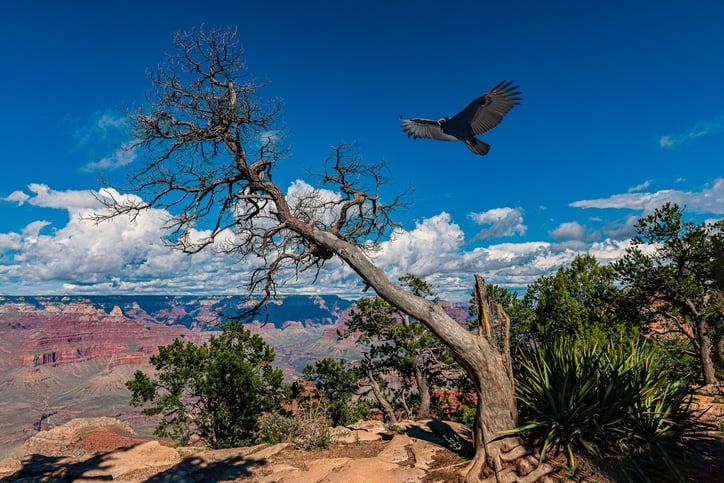
Picture Canyon mixes riparian, grassland and ponderosa pine environments, so vegetation and bird habitat change as you walk. It is the pick if you want the forest and riparian side of Flagstaff birding.
Rogers Lake and seasonal conditions
Rogers Lake is an ephemeral wetland. Water is absent during some periods, and the access road has seasonal closures. It appears in an Arizona birding directory, but plan a different stop when you want a lake.
Whitewater Draw: When Winter Sandhill Cranes Change the Best Choice
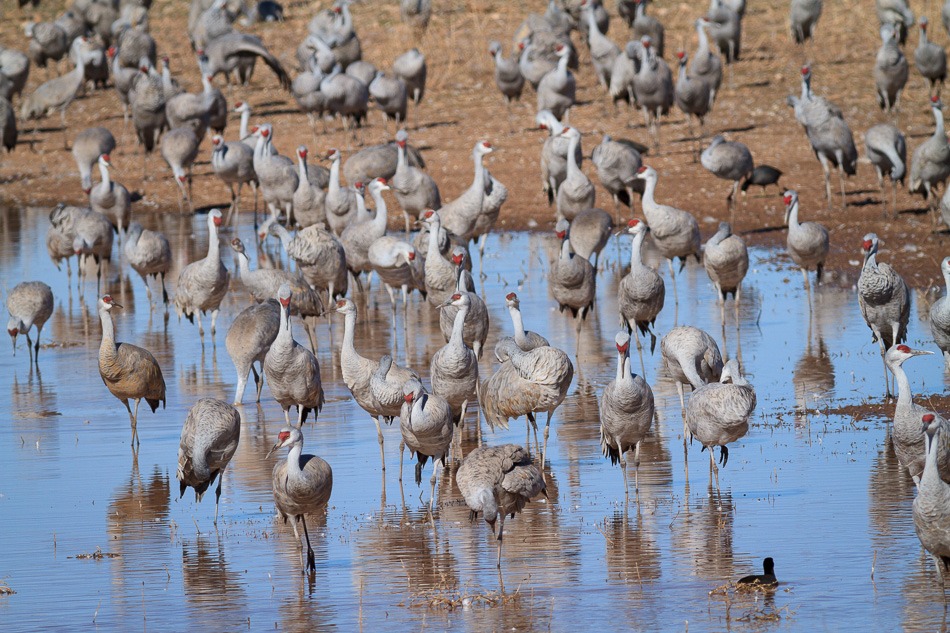
Whitewater Draw Wildlife Area in Cochise County is a strong choice for a trip centered on wintering Sandhill Cranes. Arizona Game and Fish describes a typical crane season as approximately October through March or early April. Birds often leave their roost around sunrise and return in late morning, so plan your observation window around that.
The agency’s November 6, 2025 arrival report documents one historical season. Check Arizona Game and Fish’s Whitewater Draw information for current conditions and seasonal guidance.
Check Recent Sightings Without Expecting a Guaranteed Bird

Recent bird records turn a destination choice into a realistic plan. eBird organizes observer checklists by region and hotspot, so you can see where and when particular birds were reported.
The eBird guide to exploring regions and hotspots explains how to navigate those records. Read a site’s reports against the visit you have in mind:
- Location: Use the hotspot for the exact place you plan to visit. A nearby location can have different habitat or access.
- Observation dates: Compare recent checklists with the month of your visit. Historical records show what has been seen, while seasonally relevant reports tell you more about an upcoming outing.
- Complete checklist coverage: Count how many observers submitted complete checklists in the period. Reporting concentrated in a small sample leaves substantial uncertainty.
- Habitat: Match a reported species to the vegetation, water and elevation at the actual site.

eBird’s hotspot guidance treats 20 or fewer complete checklists in a selected period as a warning sign of limited data. So do reports concentrated among very few observers and gaps in the reporting history. The threshold measures observer coverage at a hotspot.
A recent checklist records one observer’s experience. It cannot promise the same species on your visit, and sparse reports do not show that a bird is absent from otherwise suitable habitat.
The Checks That Can Change Your Birding Plan Before You Leave
A good site still has to be usable on the day of your visit. Managed-area schedules, remote road conditions, weather and habitat restrictions decide whether your first choice holds.
- Manager information: Read the site’s current operating notice, closures and visitor rules. This matters most for preserves with scheduled closed days and managed facilities with changing arrangements.
- Access route: Check road and trail conditions. Remote Chiricahua approaches and seasonally restricted northern wetland roads need particular care.
- Weather: Review the forecast and relevant National Weather Service warnings. Arizona monsoon storms can bring lightning and flash flooding, including dangerous conditions in canyons and washes.
- Physical demands: Match the walk to your party’s capabilities, expected conditions and available daylight.
- Supplies: Bring drinking water and plan fuel for travel beyond developed urban birding areas.
- Wildlife and habitat protection: Respect closures and private property, avoid disturbing nests and sensitive birds, and use recordings or playback cautiously. Do not publicize sensitive nesting locations.
Thunderstorms are reason enough to reconsider an exposed mountain or canyon outing, even when the route looked inviting earlier in the day.
The American Birding Association’s birding ethics principles cover disturbance, access and responsible observation. Leave birds and their habitats undisturbed, including when you are chasing a sought-after species. For nesting sites, approach distance and recorded calls, read ethical birdwatching around sensitive birds.
Build a Birding Day or a Few Days Without Chasing Every Hotspot
The best itinerary is a manageable sequence of places with distinct purposes. A short outing needs one primary habitat. A multi-day trip has room for regional contrasts.
A short Phoenix outing
With part of a day in the metro area, one wetland is enough. Gilbert’s pond complex suits a waterbird visit in the eastern metro area. Rio Salado gives you a restored riparian corridor inside Phoenix.
A Tucson canyon and wetland day
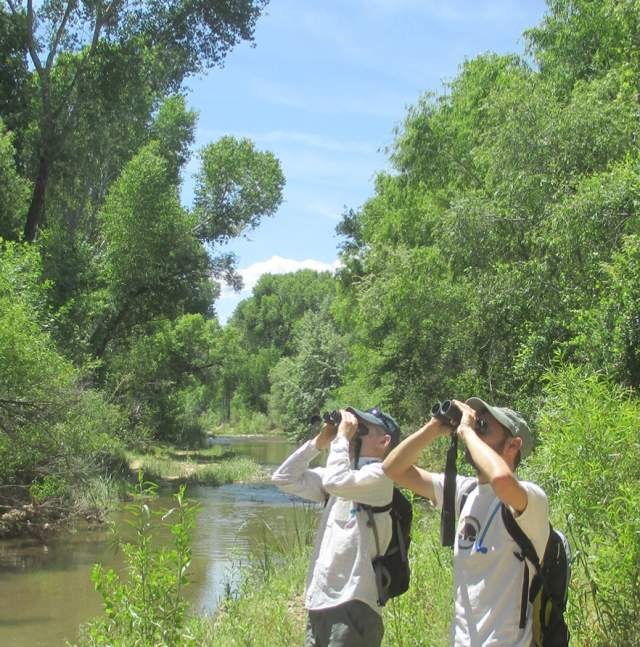
With a dedicated Tucson birding day, make Madera Canyon the principal stop and keep Sweetwater Wetlands as the contrasting backup if mountain access proves unsuitable and conditions at the wetland permit a visit. A mountain trip to Mount Lemmon has its own purpose and does not need squeezing into the same day.
Several days in southeastern Arizona
With more time, move from the Tucson area to a distinct southeastern destination such as Patagonia or Sierra Vista. If you include the Chiricahuas, leave room for their remoteness and variable access conditions.
Each addition should bring a new habitat or birding experience. Filling every hour with named hotspots leaves less time to watch birds at any one place. For eBird hotspots, habitat and dated sightings, see how to find useful birding hotspots.
A northern trip with other commitments
Say you land at Phoenix Sky Harbor in early October. One of you wants to go birdwatching, the other wants to see the Grand Canyon. Flagstaff sits on the route, so a stop at Kachina Wetlands or Picture Canyon adds birding to the northern leg. Choose wetland-focused birding at Kachina or mixed forest and riparian birding at Picture Canyon.