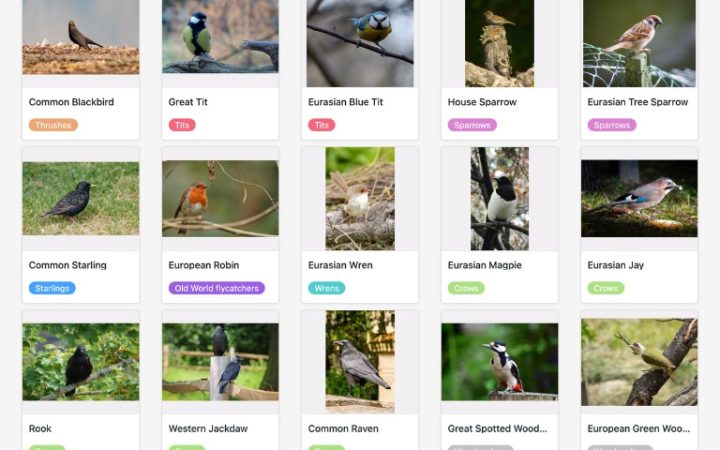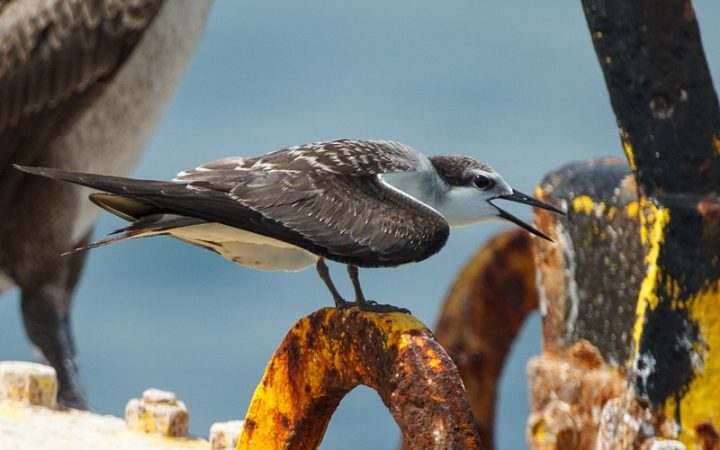
Start with common birds in a park near you. Pick woods for songbirds, and ponds or coastal wetlands for waterbirds.
Which birds are easiest to recognize in New York City?
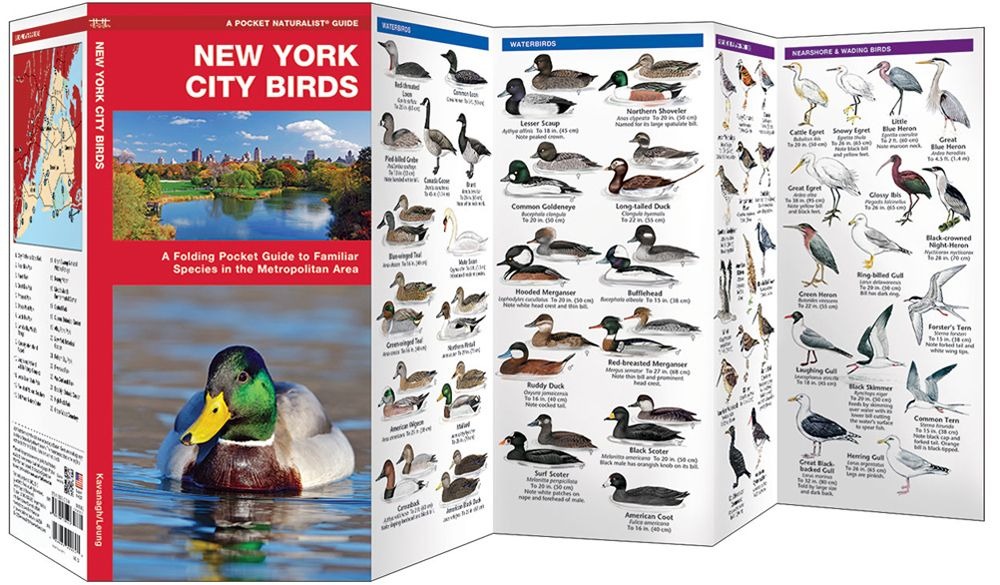
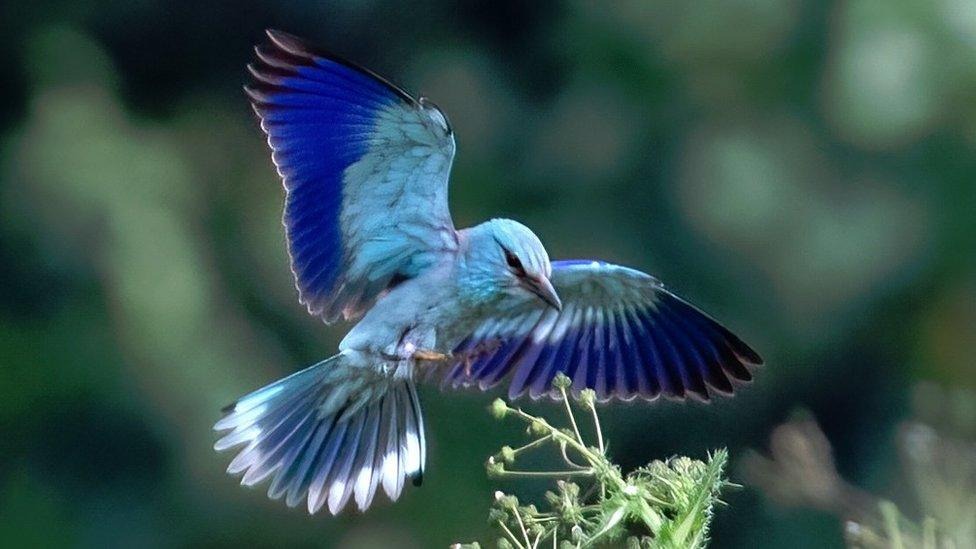
A cardinal in a shrub, a Blue Jay calling from a tree, a Mallard on a pond: all easy starting points. Their colors stick in memory, but a crest, bill, tail, or movement is what settles an identification.
The birds below are familiar New York City sightings with clear field marks, listed in no order of abundance. Plumage changes with sex, age, and season.
| Bird | What to notice | Where to look |
|---|---|---|
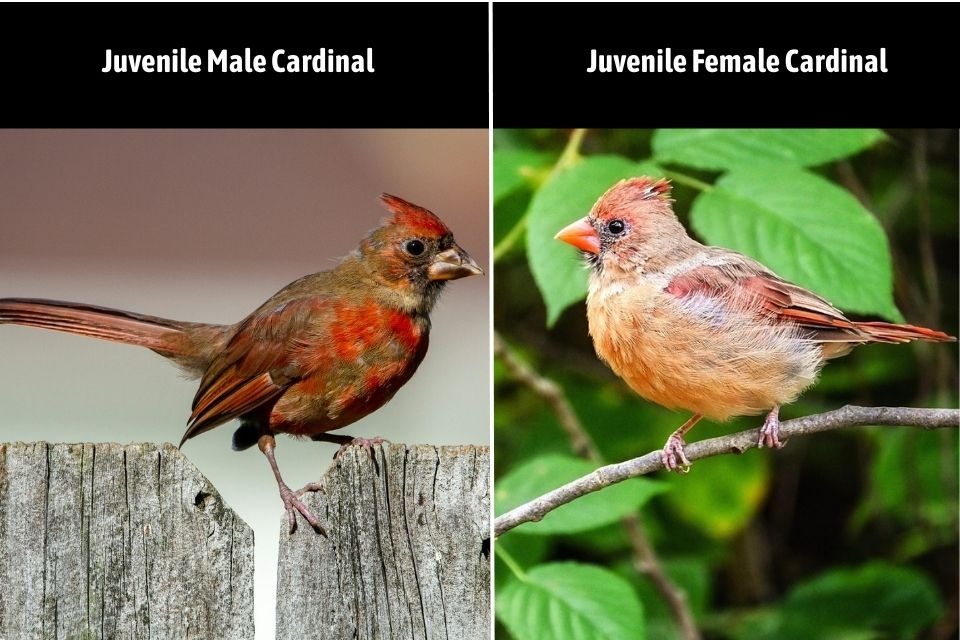
| Northern Cardinal | Adult male is vivid red with a crest, black face mask, and heavy bill. Female is brownish with red accents and a crest. | Shrubs, wooded edges, and park vegetation |
| Blue Jay | Prominent crest, relatively large jay shape, and bold blue, black, and white markings. | Wooded parks, tall trees, and oak-rich edges |
| House Sparrow | Stocky body and short tail. Breeding male has a gray crown, chestnut neck, and black bib; female is duller brown. | Buildings, sidewalks, and developed areas |
| House Finch | Streaked brown body and substantial finch bill. Males often show rosy color on the head and breast; females are streaked brown. | Urban edges, yards, and park vegetation |
| European Starling | Dark bird with iridescent breeding plumage; fresh winter plumage is dotted with pale spots. | Lawns, buildings, wires, and flocks |
| Rock Pigeon | Plump body and small head. Typical birds are gray with two dark wing bars, but colors and patterns vary widely. | Pavement, buildings, ledges, and plazas |
| American Robin | Round-bodied thrush with a warm orange breast and belly, gray-brown back, and relatively long legs. | Lawns, open ground, and park trees |
| Mallard | Breeding male has a glossy green head and yellow bill; female is mottled brown. | Ponds, lakes, and wetlands |
| Red-tailed Hawk | Broad-winged hawk with a substantial silhouette; tail color varies with age. | Park trees, exposed perches, and open sky |
A brownish crested bird in park shrubs is likely a female Northern Cardinal: the crest and thick bill settle it. A Blue Jay also has a crest, but its bold wing pattern and larger jay proportions separate it from an Eastern Bluebird.
Near buildings and park edges, tell House Sparrows from House Finches by the male sparrow’s dark bib against the finch’s streaks and rosy tones. For females and young birds, check bill shape and overall pattern.
Add the Mourning Dove, with its long, pointed tail and dark wing spots, and the Gray Catbird: slate gray, dark cap, long tail, and a cinnamon patch beneath it. Catbirds stick to dense shrubs. Canada Geese are easy to spot around city water.
Match the bird to the habitat: sidewalks, woods, ponds and shorelines
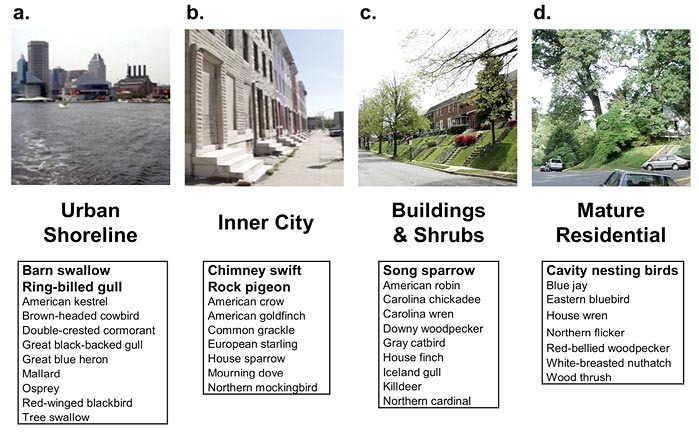
New York’s bird habitats change within a few blocks, sometimes inside a single park, and birds cross from one to the next. The vegetation and water around you narrow the possibilities before you look at a single field mark.
| Habitat | Birds to expect | What to watch for |
|---|---|---|
| Streets and buildings | Rock Pigeon, House Sparrow, European Starling | Birds using ledges, rooftops, signs, wires, and pavement |
| Lawns and open edges | American Robin, Mourning Dove, European Starling | Ground foraging, walking behavior, and body proportions |
| Woodland and shrubs | Northern Cardinal, Blue Jay, Gray Catbird, seasonal songbirds | Calls, movement through foliage, and perching behavior |
| Freshwater ponds and lakes | Mallard, Canada Goose, and other waterbirds | Swimming, surface feeding, bill shape, and plumage |
| Tidal marshes and mudflats | Egrets, herons, shorebirds, and other coastal birds | Wading, probing, and feeding in shallow water or exposed mud |
Compare a wooded park with a coastal refuge: songbirds move through the trees and shrubs of Central Park’s Ramble and North Woods, while Jamaica Bay’s tidal shorelines hold wading and feeding birds.
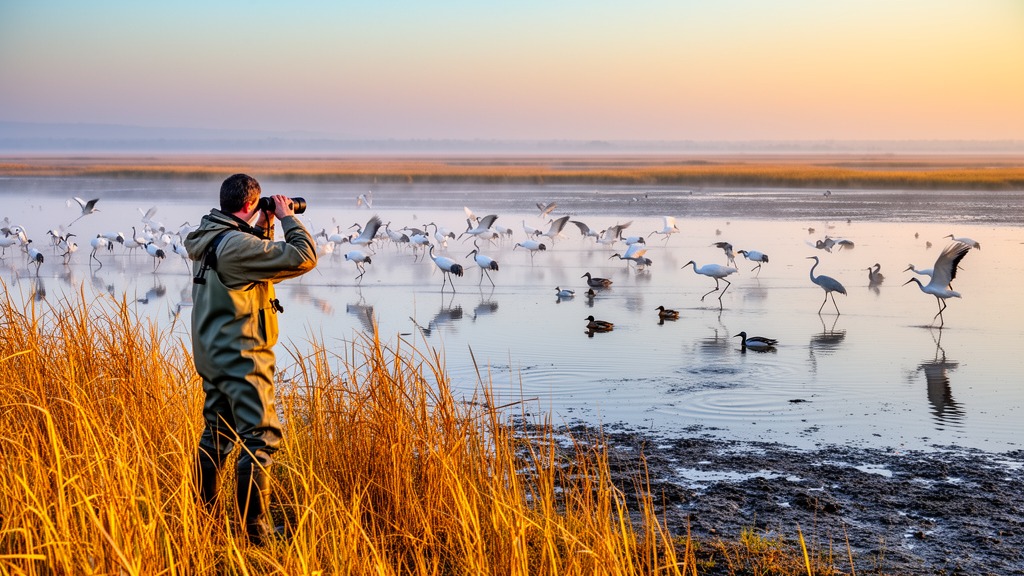
Hear a bird in a thick patch of the Ramble? Think cardinal or catbird, then check shape and voice. At a pond, start with swimming behavior, bill shape, and plumage pattern. For a fuller method, see how shape, color, behavior, and habitat identify a bird.
Where to look for birds across the five boroughs
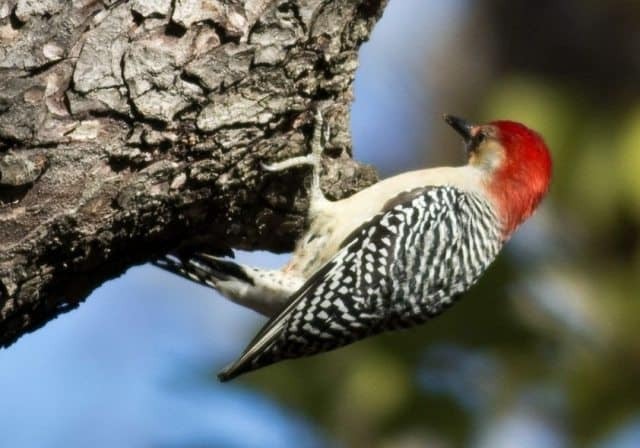
Every borough has birdwatching destinations. Choose by the habitat you want and by how easily you can reach the public areas.
The NYC Bird Alliance city guide describes birding locations throughout Manhattan, Brooklyn, Queens, the Bronx, and Staten Island.
| Borough | Destination | Where to concentrate | Why choose it |
|---|---|---|---|
| Manhattan | Central Park | The Ramble and North Woods for wooded habitat; the Pond and Pool for water-associated birds | Several habitats within one major urban park |
| Brooklyn | Prospect Park | Midwood and Ravine for woodland birding; Peninsula and Lullwater for water-associated habitat | Woodland and lakeside options within Brooklyn |
| Queens | Jamaica Bay Wildlife Refuge | East Pond, West Pond, trails, and shoreline environments | Tidal wetlands and waterbird habitat |
| Bronx | Pelham Bay Park | Hunter Island woodland and the coastal setting around Orchard Beach | Wooded and shoreline environments in one large park system |
| Staten Island | Mount Loretto Unique Area | Grasslands, wetlands, wooded areas, and Raritan Bay shoreline | Open and coastal habitat, including fall raptor and sparrow interest |
Central Park: woodland birds and water
Central Park Conservancy reports that more than 210 bird species make an appearance in the park each year. The figure counts seasonal visitors, not birds resident at one time.
The Ramble lies around 73rd to 79th Streets, and North Woods occupies approximately 101st to 110th Streets. Both have paths through trees and shrubs. Look for water birds at the Pond and Pool.
Jamaica Bay: shorebirds and wetlands
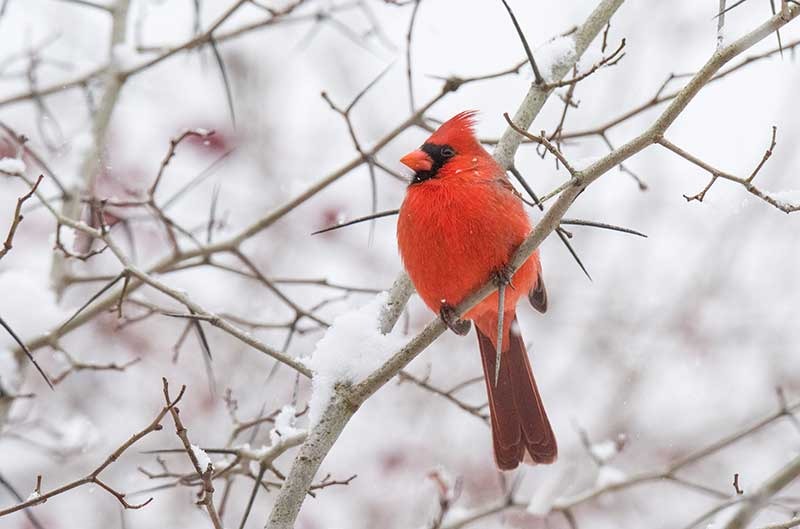
For tidal habitat, Jamaica Bay Wildlife Refuge is the pick. The National Park Service reports that more than 300 bird species have been spotted there across its observation history.
East Pond and West Pond are different birdwatching environments. The National Park Service suggests allowing about 1 to 3 hours for an outing and advises that East Pond conditions can be muddy.
Another Staten Island woodland option
The Staten Island Greenbelt is a separate woodland-oriented option on that borough.
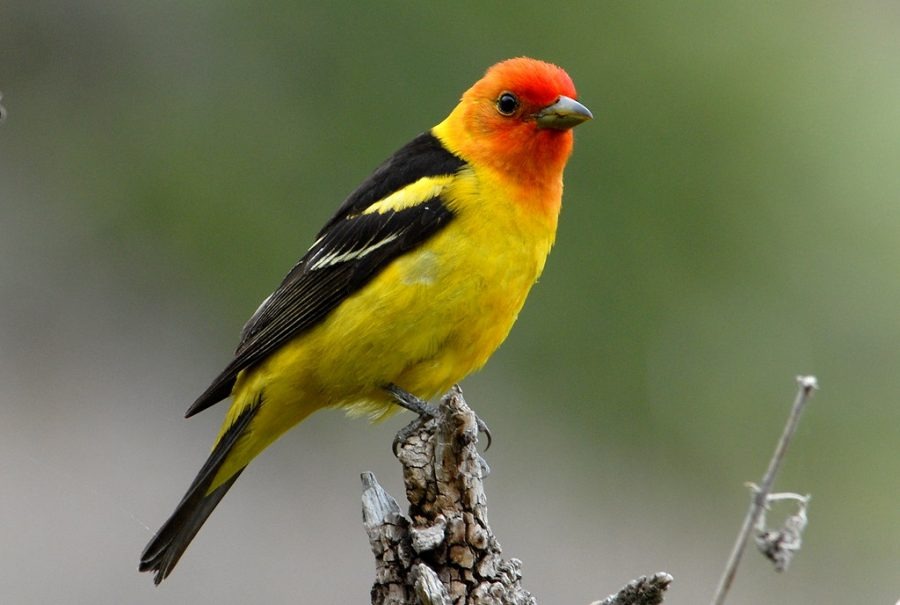
NYC Bird Alliance’s Birding by Subway guide was updated in 2026 and describes 30 birding destinations across the five boroughs.
When to watch birds in New York City: the seasons matter
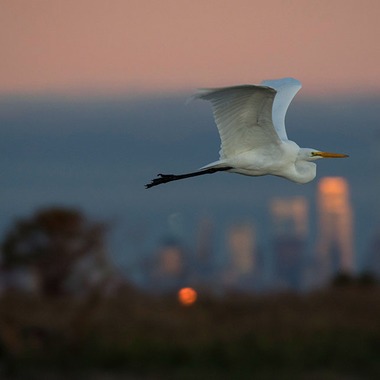
The NYC Bird Alliance Birding 101 guide outlines these general local windows.
| Season | Birding opportunities | Approximate timing |
|---|---|---|
| Spring: March to May | Songbird and warbler migration in wooded parks; shorebirds in appropriate wetland habitat | Songbird passage from early March into late May; warblers typically peak late April to mid-May. Shorebirds move through from late April into early June. |
| Summer: June to August | Birds using nesting-season habitat, wetland birds, and early southbound shorebirds | Shorebird movement may begin in July, often reaching a mid-August peak for many species. |
| Fall: September to November | Moving songbirds, sparrows, raptors, and coastal migrants | Songbird passage often strongest from mid-September to mid-October; sparrow passage can peak in October to early November. |
| Winter: December to February | Recognizable park birds and wintering waterfowl | Many winter waterfowl occur during a wider late-October to March period, with a typical December to February peak. |
Actual timing shifts with the species, the weather, and the year.
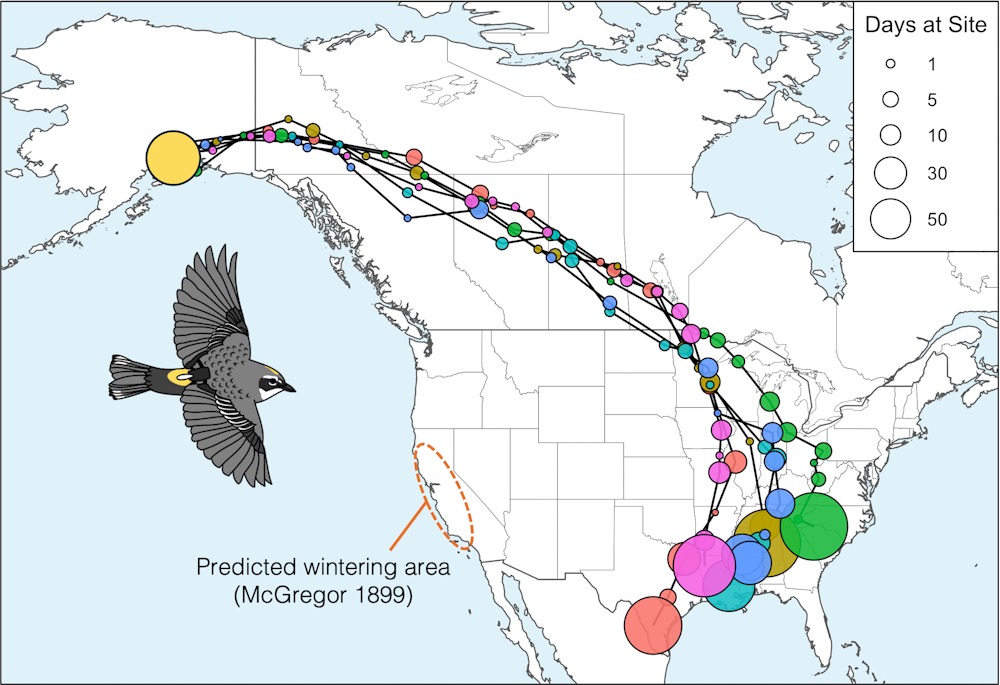
A first-time bird photographer described a June outing in Central Park’s Ramble:
Just wanted to share some cool bird pics I took with a new camera this weekend 🙂 Walked through The Ramble in Central Park, NYC. Found the usual suspects, but I still love them regardless. I did happen to find a Baltimore Oriole though, I haven’t seen that one yet. Cedar Waxwings are also one of my favorites, super cool birds! Left to right: Cedar Waxwing, Northern Cardinal, Baltimore Oriole, House Sparrow, Mourning Dove, Blue Jay, Gray Catbird, House Sparrow, Northern Cardinals
NYC Bird Alliance also lists Baltimore Oriole among Central Park’s summer birds.
NYC Bird Alliance points to dawn until around 11 a.m. as a productive window, especially for spring and early-summer outings.
How to identify a bird after only a quick glimpse
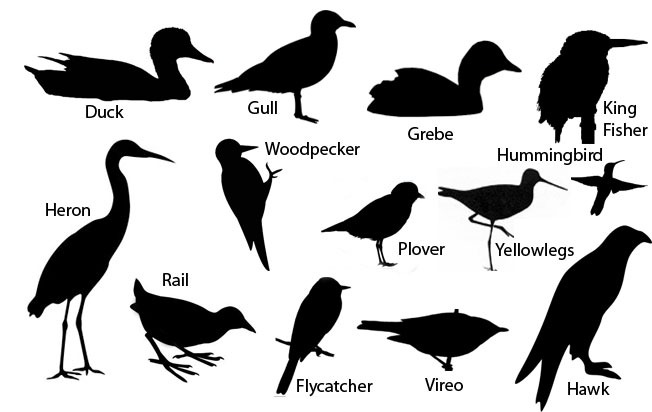
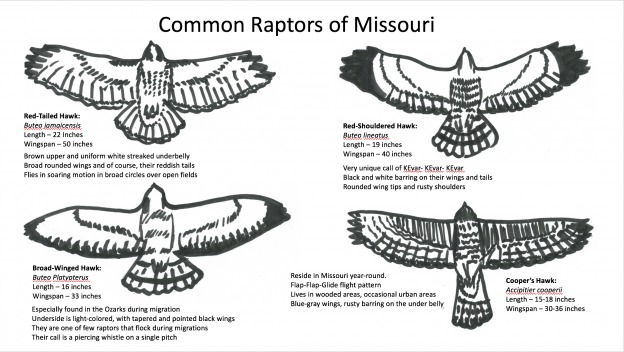
A bird can cross a gap between trees in seconds, leaving only an impression of its shape and movement. A large bird of prey seen as a dark silhouette against the sky is the hardest case.
One Prospect Park visitor saw a large brown bird while running, then found people photographing a bird in the trees:
I saw a bird of prey take flight the other day while running in the park. It was big and brown with white tail tips. I told myself there is no way I am seeing an eagle. I was cycling last night and I noticed a crowd gathering at the bottom of the hill, in the road. People seemed pretty excited and were all photographing what appeared to be a bird in the boughs of the trees overhanging the rec lanes. I could only take a fleeting glance. Was it a hawk or an eagle? Does anyone have a photo to share?
The species stays unresolved: a confident identification needs a fuller look at the wings, tail, bill, and flight behavior.
After a brief view, write a field note while the details are fresh:
- Size and silhouette: Broad-winged, compact, slender, or long-tailed? Compare it with a familiar nearby bird or object when you can.
- Bill and tail: Record the bill’s shape, the tail’s length, and any pattern or color.
- Movement: Did it soar, flap, perch, walk, swim, or dart after insects?
- Habitat and date: Note the park or immediate environment, and when you saw it.
- Identification confidence: Write the species when the marks support it. Otherwise, record a broader group such as unidentified raptor.
An adult Red-tailed Hawk’s reddish tail helps identify it, though a perched bird can hide it. Juveniles have barred tails, so a missing red tail fits a young bird.
How to check recent sightings and plan a realistic visit
Reports from other birdwatchers help you choose a place for a particular species or season. Look at the place, the date, and whether the habitat matches the birds you want. Habitat, trail access, and recent sightings are covered in the birding places guide.
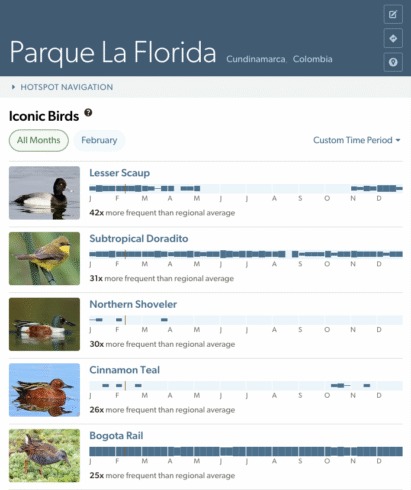
eBird organizes bird observations by location. A citywide report, a park checklist, and a hotspot record each cover a different area.
- Choose the location: Find the NYC region, park, or hotspot for your outing.
- Read the dates: Check when the bird was reported and how recent the reports are.
- Compare the season: Set the reports against local migration windows to see whether the species fits.
- Check public access: Review the park or refuge operator’s information on closures, trail conditions, and access rules before you travel.
A record shows what observers reported on a given date, shaped by their effort and identification choices. The bird may have moved on since.
Local chat groups offer extra leads. One birder met someone in Central Park who mentioned a Discord group, then couldn’t find a working invitation:
I went birding this morning in central park and met someone who was talking about a discord that gives updates when cool birds are spotted in various places. I totally forgot to ask for a link to the server before I went home. I found some old links on various servers, but they’ve all expired, so I’m posting here in the hopes someone could send me an updated invite link!
Watch birds without disturbing them

Stay on designated paths, give nesting or roosting birds space, and don’t draw sensitive birds closer with recorded calls. If a bird looks injured or in danger, NYC Bird Alliance’s Help a Bird in Trouble guidance points you to qualified local help.