Identify a nighttime owl only when the complete call pattern, the species expected in your area, and independent reference recordings agree. If those clues conflict, keep the recording unidentified, make a dated field note, and listen again without disturbing the animal.
First, Sort the Sound: Hoot, Trill, Whistle or Scream
Start with the shape of what you heard. A low hoot, a wavering trill, a series of small whistles and a drawn-out scream point toward different recordings. The number of notes, their spacing, and whether the pitch or tempo changes tell you more than a remembered sound effect such as “hoo” or “screech.”
Tap out one complete sequence from memory, or replay it if you have a recording. Was it a short phrase with pauses, a quickening run of notes, or one sustained noise? A clipped phone recording can hide the opening or ending of the phrase.
| Sound you heard | First candidates | What to check next |
|---|---|---|
| Deep, patterned hoots | Great Horned Owl; Barred Owl | Is the rhythm stuttering, or does the familiar phrase run through eight or nine notes? |
| Descending, horse-like whinny | Eastern Screech-Owl | Does the pitch fall through the call? |
| Fairly level, trembling trill | Eastern Screech-Owl | Is the pitch mostly steady across the tremolo? |
| Short whistles that speed up | Western Screech-Owl | Do the gaps between notes shorten toward the end? |
| Repeated, evenly spaced toots | Northern Saw-whet Owl | Does the sequence hold a fairly regular rhythm? |
| Rough, prolonged scream | American Barn Owl; other owl calls | Is it a sustained harsh cry or a series of shorter begging calls? |
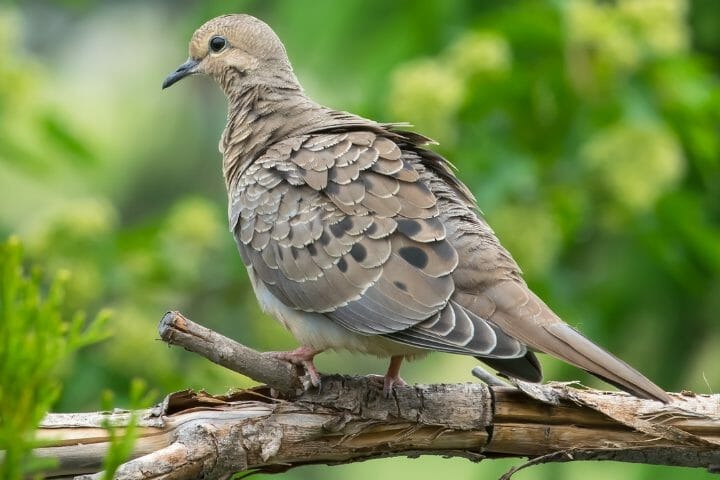
| Soft low coos | Mourning Dove; a hooting owl | Does a complete multi-note cooing phrase repeat? |
| Pulsing, wavering winnow | Wilson’s Snipe | Does it resemble aerial-display winnowing around wetland habitat? |
| Changing, musical phrases | Northern Mockingbird | Are brief phrases repeated before a different melody begins? |
Hear several owl voices, including screech-owl songs and a Barn Owl scream, in Cornell’s owl-call sampler.
Deep Hoots: Great Horned Owl or Barred Owl?
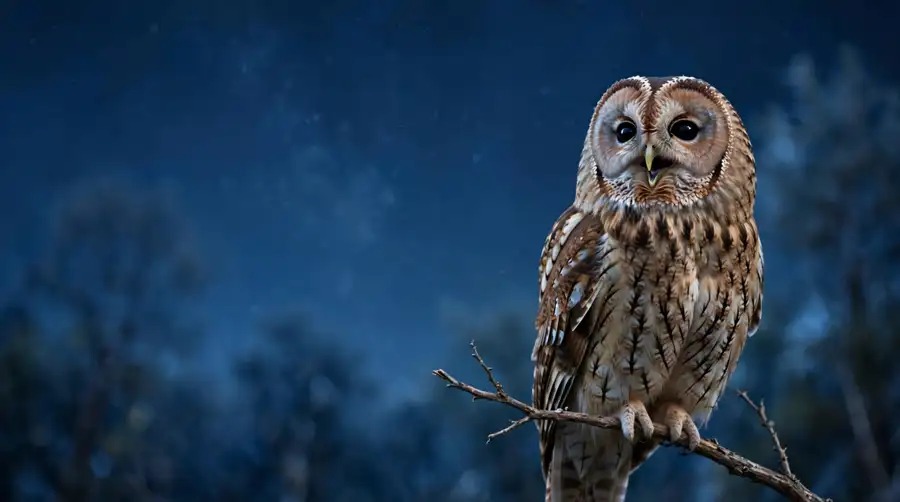
Both species are associated with deep hooting, yet the shape of the familiar phrase separates the first recordings worth considering. Their voices get harder to tell apart when a pair is calling or when you hear something other than a territorial song.
| Listening feature | Great Horned Owl | Barred Owl |
|---|---|---|
| Familiar territorial phrase | Deep hoots in a stuttering rhythm | A patterned sequence of eight or nine notes |
| Other vocalizations | Duets and additional calls; the female may sound higher-pitched | Pairs may produce cackles, hoots, caws and gurgles |
| Recording to investigate | Cornell Great Horned Owl sounds | Barred Owl song in Cornell’s owl-call sampler above |
When plumage, range, and song matter, Barred Owl identification and field marks offers a more focused next step.
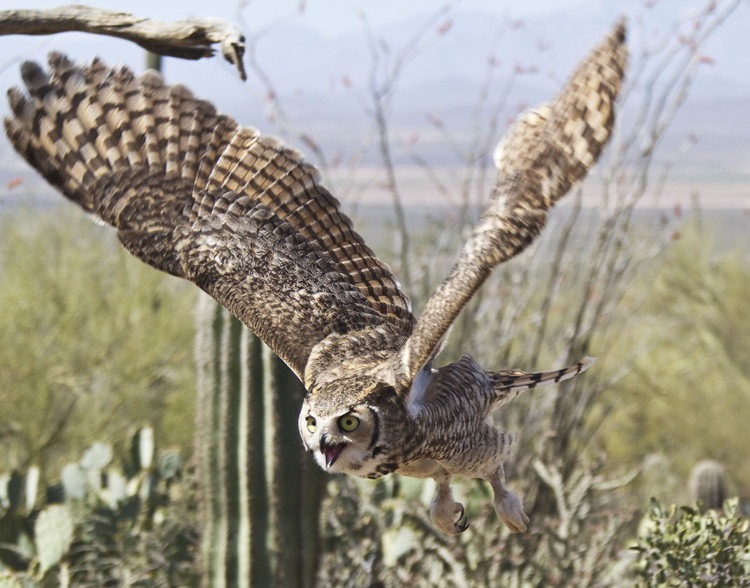
Suppose a low hoot comes from a tree near your house, followed by a different sound and then another hoot. You could be hearing two birds, or one bird making different sounds. A known owl answering doesn’t tell you who called first.
Whinnies, Tremolos and Repeated Whistles: The Smaller Owls
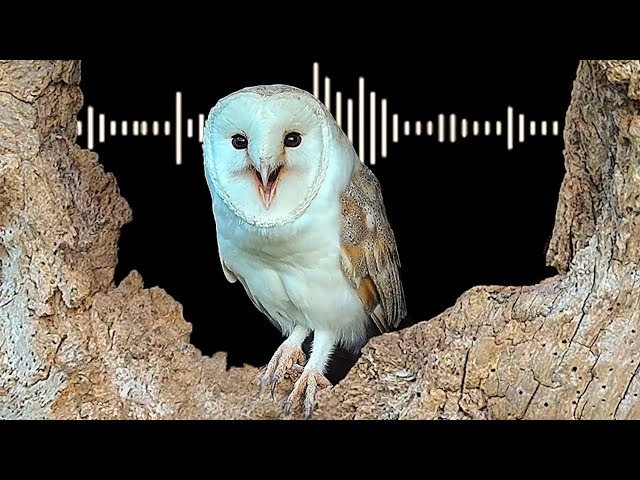
Three smaller owls produce distinctive repeated sounds. Watch how each call changes through time: the pitch falls, the notes speed up, or the spacing stays even.
Eastern Screech-Owl songs include a descending, horse-like whinny and a relatively even-pitched tremolo. Cornell’s typical examples describe a whinny lasting about 0.5 to 2 seconds and a tremolo lasting 3 to 6 seconds. The two sounds are different parts of the same species’ repertoire.
Western Screech-Owl has a familiar sequence of short, whistled hoots, commonly five to nine, that accelerates toward the end. The pauses between successive notes keep shortening.
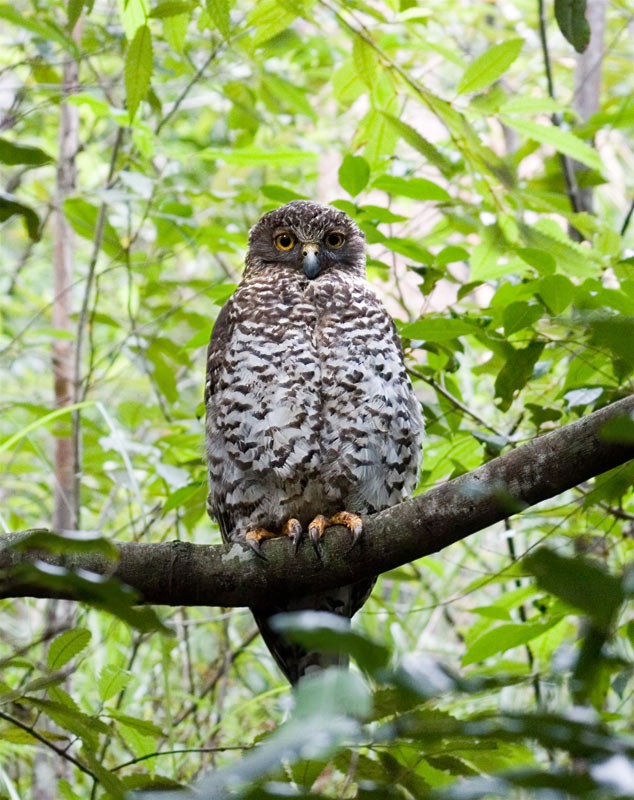
Northern Saw-whet Owl’s advertising song is a run of relatively uniform, whistle-like toots. It also makes squeaks, whines and barks. A regular series of notes separates it from the Eastern Screech-Owl’s sliding whinny.
Screams, Shrieks and Unexpected Calls From Young Birds
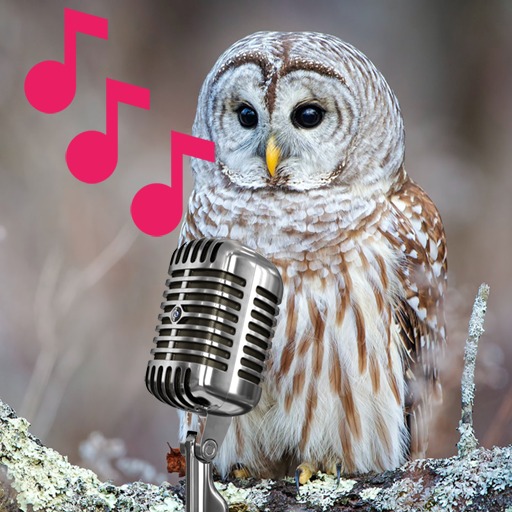
A long, harsh scream fits an American Barn Owl; one Cornell example lasts approximately two seconds. Young Great Horned Owls make piercing begging screams, although adults are better known for territorial hoots. Eastern Screech-Owls give sharp defensive screeches, distinct from their whinny and tremolo songs.
Could the Sound Be a Dove, Snipe, Mockingbird or Mammal?
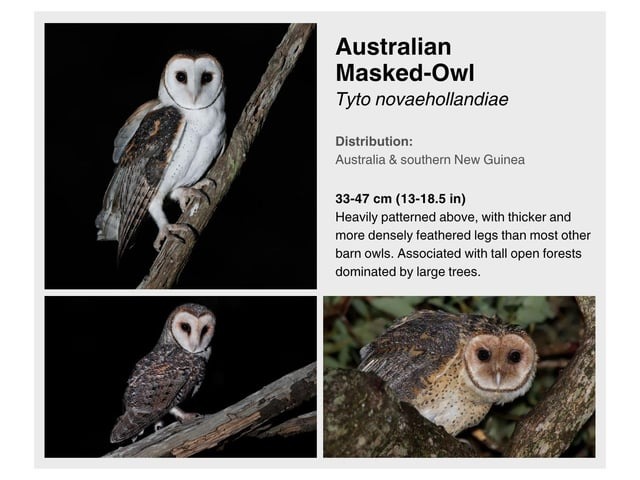
Several non-owl birds make sounds that someone listening in darkness might call a hoot, trill or wail.
- Mourning Dove: Its soft perch-coo is a recognizable series of notes. A single low syllable can suggest an owl, so wait for the full cooing phrase.
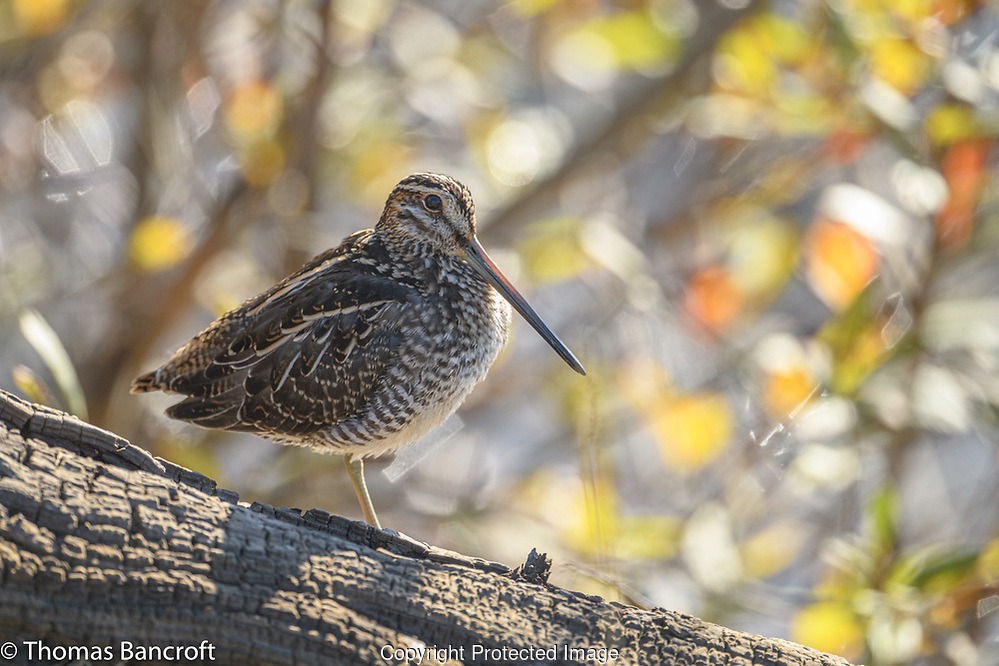
- Wilson’s Snipe: During aerial display it makes a pulsing, wavering winnow, which can resemble a tremolo heard near wetland habitat. Air passing over its spread tail feathers produces the sound in display flight, and the bird also has ordinary vocal calls. Cornell’s Wilson’s Snipe recordings let you hear the winnow apart from those calls.
- Northern Mockingbird: Some males sing late into the night, repeating a phrase two to six times before switching to another. Changing melodies suggest a mockingbird as much as an owl.
One noisy recording can hold several callers. A coyote howl and a bird’s song can occur close together, and a microphone picks up both. A high, wavering sound from open ground suggests a snipe; low, measured coos repeating the same phrase suggest a dove.
Check Location, Habitat and Season Before Settling on a Species
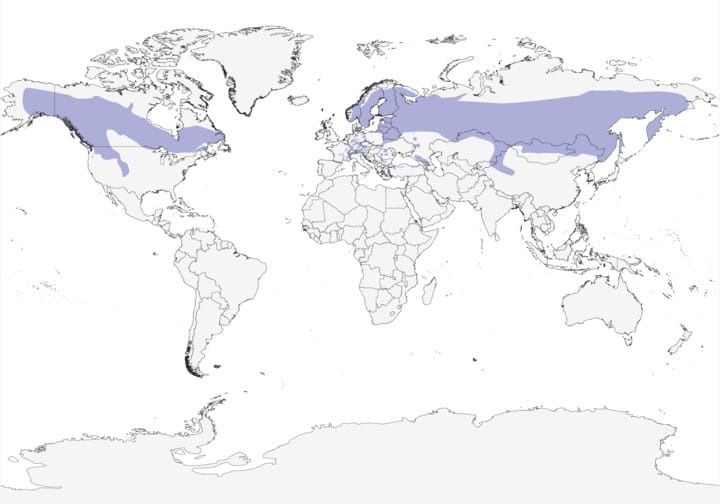
The species has to make sense for the region and habitat where you heard it. A recording match from elsewhere in North America carries less weight if the suspected owl is unusual in your area. Date and setting also help separate territorial calling, young birds’ begging and seasonal displays by other birds.
Check an authoritative species account against your state, the surrounding habitat and the time of year. An eastern neighborhood with mature trees and an open western desert call for different candidate lists, even when two sounds seem alike.
Around Joshua Tree, California, desert habitat matters. A night trill that resembles an Eastern Screech-Owl recording still needs local range evidence before you name that species.
Season changes the comparison too. Near suitable wetland habitat during breeding-display activity, a pulsing winnow means checking Wilson’s Snipe alongside owl trills. Some owls nest in winter, so check the calendar for the species, not for owls in general. A locally unusual species needs stronger evidence before you enter it as a confirmed observation.
Does hearing a call during daylight rule out an owl?No. Some owls vocalize by day; the timing of their activity varies among species and with behavior. Time of day helps describe an observation without identifying the caller.
What Merlin Sound ID Can Suggest and What It Cannot Confirm
Merlin Sound ID suggests candidate names for sounds in a recording. Cornell’s Merlin Sound ID Best Practices says to evaluate each suggestion against reference audio, the recording’s location, habitat and other available evidence.
A nighttime recording can hold a clear hoot and a faint second call. The software may name a bird for one and leave the other unexplained.
| Sound ID result | What to do |
|---|---|
| Plausible local species | Compare the complete phrase with independent recordings, including a nonterritorial call where one is available, and with the local context |
| Surprising or unusual species | Check the recording’s location and the sound evidence before entering a species |
| No suggested species | Treat the recording as unidentified |
When feasible, record continuously for about 30 seconds or longer and keep the sound reasonably clear.
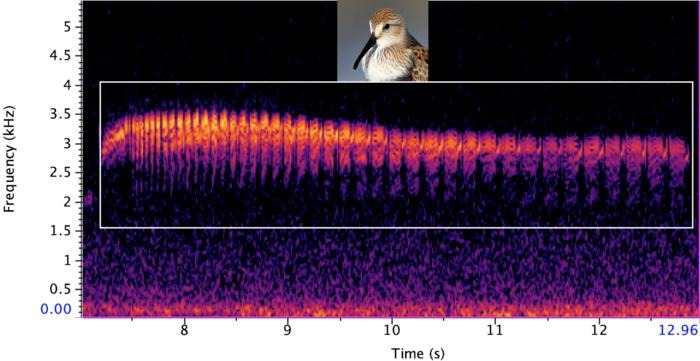
Set the recording’s location before confirming a Merlin suggestion or reporting it to eBird. Check a spectrogram when one is available. When you report a species Sound ID suggested, include the supporting recording, particularly for unusual observations. For an eBird upload, trim a copy to remove irrelevant silence while keeping the key call and its context.
If You Never See It: Evidence, Ethical Listening and an Unresolved ID
You can identify an owl by sound alone when the call is distinctive enough to separate the species. The American Birding Association’s recording rules recognize auditory identification under that condition. An indistinct whistle or a mixed recording can stay unidentified even when an owl seems likely.
Make one field note while the details are fresh:
- Date and broad location: Day, time and general area.
- Habitat: Woods, neighborhood, wetland, open country or desert.
- Source recording: Keep the original file with the full sequence and background sounds.
- Audible pattern: Pitch, note spacing, repeats and any clearly separate callers.
- Identification status: Identified, provisional or unidentified.
Should I play an owl’s call to make it answer?Avoid repeated playback or close approaches intended to provoke a response, especially near nests, roosts or sensitive birds. The American Birding Association’s ethics code calls for minimizing disturbance during observation.
A clearer recording or a verified sighting can settle an unresolved ID. For nest sites, approach distance and playback, see ethical birdwatching around sensitive birds.