Male and female Blue Jays look alike, so a backyard photo, crest shape and apparent size can’t tell you the sex. Breeding roles give better clues, especially incubation or feeding a mate that is incubating, though sources disagree on which parent incubates. Without that context, record the bird as sex unknown.
Can You Tell a Male Blue Jay From a Female Just by Looking?
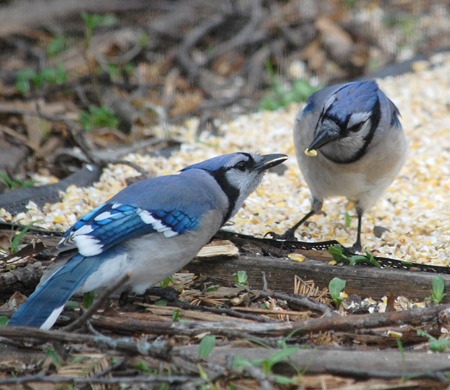
A male and a female Blue Jay share the same blue wings and tail, white patches, black markings and pointed crest. The Audubon Blue Jay field guide describes the sexes as similar, with males averaging slightly larger. Measurements overlap, so size gives you no cutoff for an individual bird.
| What you see | Tells you the sex? | Note |
|---|---|---|
| Blue, white and black plumage | No | Both sexes share the pattern. |
| Brighter blue or darker-looking markings | No | Light changes apparent color. |
| One bird looks larger | Weak | Males average slightly larger, but sizes overlap. |
| A taller, raised crest | No | Crest position changes with behavior. |
| Carrying nest material | No | Both sexes do it. |
| Seen incubating | Leans female | Cornell says the female incubates. Audubon says both parents do. |
| Feeding a known incubating mate | Leans male | Fits the male role Cornell describes. |
| Bringing food to nestlings | Depends on stage | Provisioning roles change as the chicks grow. |
| A dry rattle call | Leans female | Audubon calls it female-specific. |
| Two regular feeder visitors | No | Familiarity doesn’t reveal sex. |
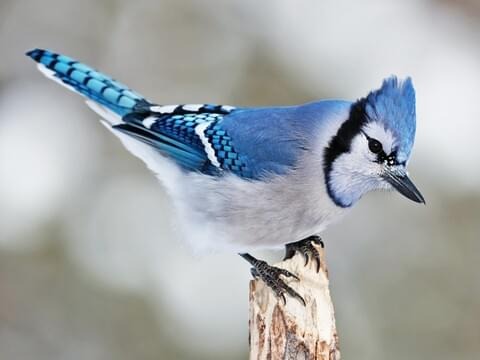
Crest height and apparent body size shift with alertness, posture and camera angle, so neither tells you the sex.
Color misleads too. Blue Jay blue comes from feather structure and how it interacts with light, so a richer blue in one photo doesn’t mean the bird is male. For plumage, range and song, see Blue Jay identification and field marks.
Before You Try to Sex It, Make Sure It Is a Blue Jay
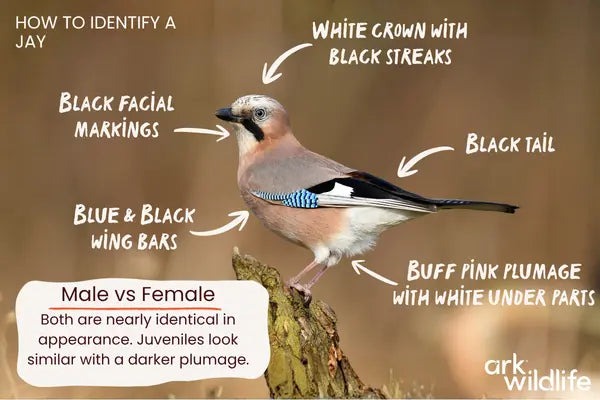
A crest alone doesn’t confirm the species. Check the bird’s overall shape, its blue, white and black pattern, and your location against Cornell Lab’s Blue Jay identification guide. A small gray crested bird may be a Tufted Titmouse, and age or lighting can make a real Blue Jay look unexpected. If you aren’t sure of the species, don’t try to judge sex.
What Nesting Behavior Reveals About a Blue Jay Pair
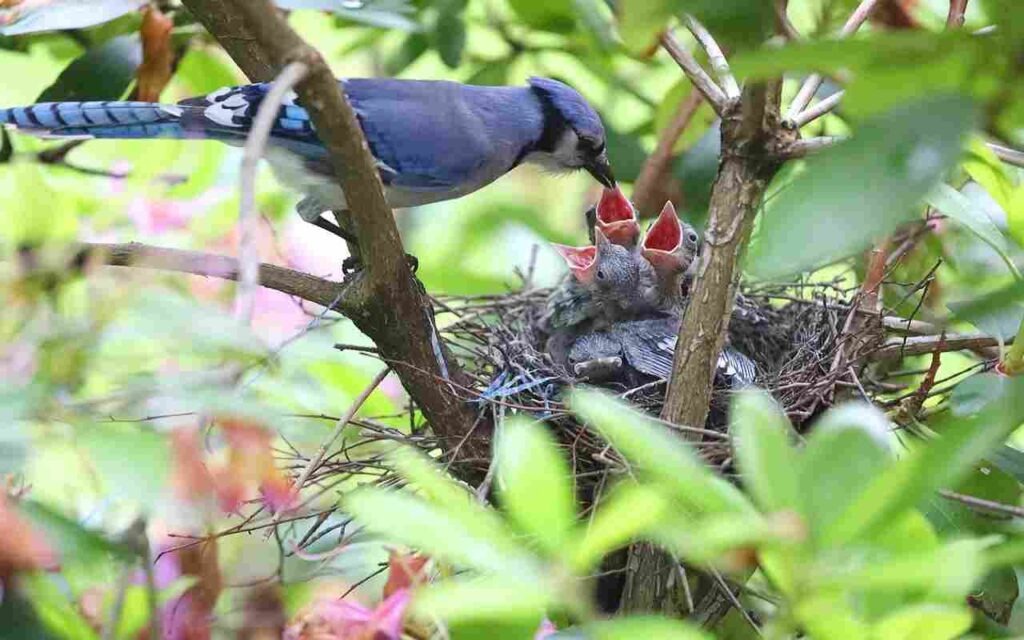
Breeding roles are better evidence than feathers. What matters is whether the bird was incubating eggs, brooding hatched young, receiving food or just visiting the nest.
Incubating eggs and receiving food
Cornell Lab’s Blue Jay life-history account says the female incubates the eggs while her mate brings her food. Audubon’s field guide says both parents incubate, with the female doing more, and the University of Michigan’s Animal Diversity Web also reports male participation. Because the sources disagree, treat incubation as a sign that leans female, not proof.
Be sure what the bird is doing. A jay on the nest rim or nearby isn’t necessarily incubating. It may be guarding, visiting or bringing material. An adult settled over newly hatched chicks is likely brooding them for warmth, which is a different stage from incubating unhatched eggs.
Food delivery means something only when you know the recipient. If one bird is seen incubating eggs and another passes it food, that fits the male mate-provisioning role Cornell describes, though neither unmarked bird’s sex is confirmed. A bird flying off with an insect tells you little, because the recipient and the stage are unknown.
What changes after hatching
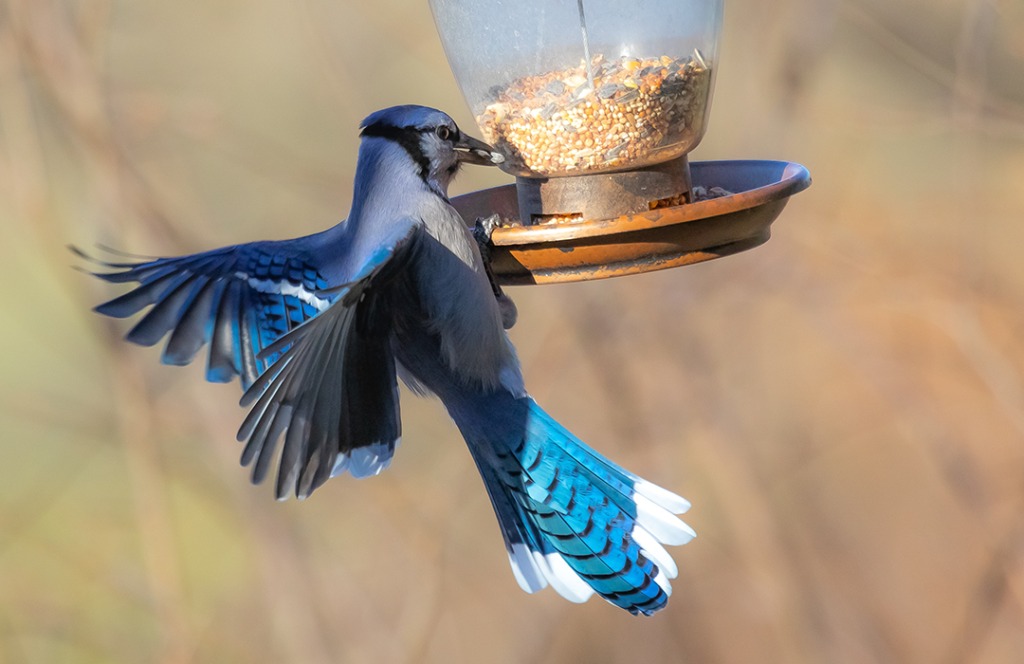
Cornell describes roughly the first 8 to 12 days after hatching as the period when the female broods the chicks while the male brings food to her and the nestlings. After that the female joins the food gathering, and both adults feed the growing young. An adult feeding chicks can’t be sexed from that action alone.
During nest construction, Cornell says males gather more material on average and females do more of the arranging. A jay carrying a twig still tells you nothing about sex.
Watch from a spot that doesn’t disturb an active nest, and never approach, inspect or handle it to see which adult does what.
Can a Blue Jay’s Rattle Call Tell You It’s Female?
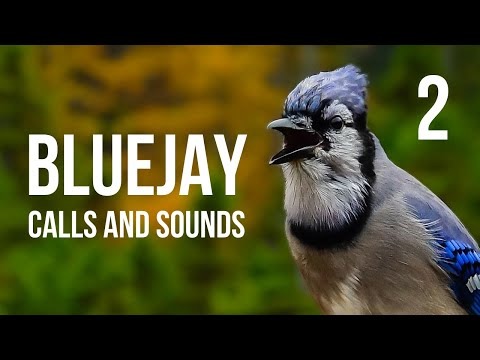
Blue Jays make a dry rattle, sometimes with a bobbing movement. Audubon describes the call as female-specific. A 2016 Eastern Kentucky University master’s thesis by Dustin E. Brewer recorded rattles but could not confirm that only females make them.
The rattle is a run of rapid clicking notes that can blend into a trill or break into short groups.
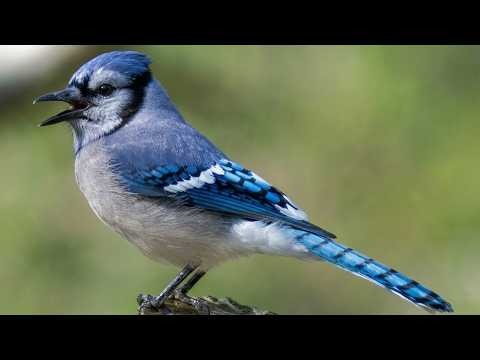
If you have a recording, compare it with a trusted Blue Jay reference and listen for that rattle.
Your Field Checklist: What to Record When Sex Is Uncertain
Keep your field note short enough to use during an ordinary backyard sighting:
- Species: Write Blue Jay only when the bird’s overall appearance fits.
- Setting: Add the date and place, such as a feeder, tree or nesting area.
- What happened: Describe the action you saw, including any call or food transfer.
- Known relationship: Note whether you know the individuals and their roles, or two birds simply appeared together.
- Sex assessment: Write sex unknown without adequate evidence. When the context supports it, write leans female or leans male.
Example field note: “Blue Jay; backyard feeder; crest raised; no breeding behavior observed; sex unknown.”