Most U.S. birds nest between March and August. Southern birds start earlier, northern birds later, and some species nest in fall or winter. If you see a bird carrying twigs or feeding young in a bush, hold off on trimming.
When is nesting season for birds in the United States?
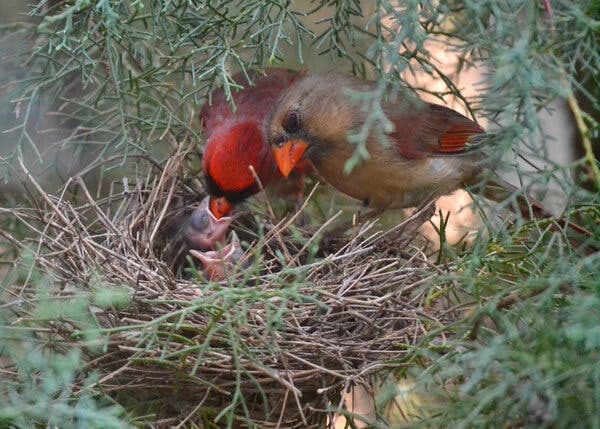
March through August is the general nesting season for many North American birds, according to Cornell NestWatch. In much of the United States, spring and early summer bring the most familiar signs: territorial singing, nest building, adults sitting on eggs, chicks being fed. Species in warmer regions sometimes nest outside that span, even throughout the year.
Each nest runs on its own schedule, from construction and egg laying to incubation and the young leaving. That’s why you can find an occupied nest at a time that seems too early or too late.
Before you cut a hedge, ask one thing: are birds using it?
When do nesting seasons peak in the South, North, and Alaska?
Southern birds nest earlier. In a Cornell educational webinar, NestWatch project lead Robyn Bailey put the South’s peak at roughly March to May and the North’s at April to July.
| Region or bird group | What the dates describe | Dates | How to interpret them |
|---|---|---|---|
| Southern United States | Broad biological nesting peak | March to May, approximately | Most activity falls here, with species exceptions |
| Northern United States | Broad biological nesting peak | April to July, approximately | Later than the South, also with species exceptions |
| Southeast Alaska forests and woodlands | USFWS vegetation-disturbance planning window | April 15 to July 15 | Habitat-specific management guidance |
| Alaska eagles | USFWS eagle planning guidance | March 1 to August 31 | A different species group and management purpose |
Alaska’s dates guide planning for activities that could disturb birds in particular habitats and bird groups. The U.S. Fish and Wildlife Service notes that some raptors begin nesting well before many songbirds. The USDA Farm Service Agency publishes its own primary nesting-season dates for agricultural and conservation management. Planning dates like these are neither complete biological calendars nor permits to disturb a nest.
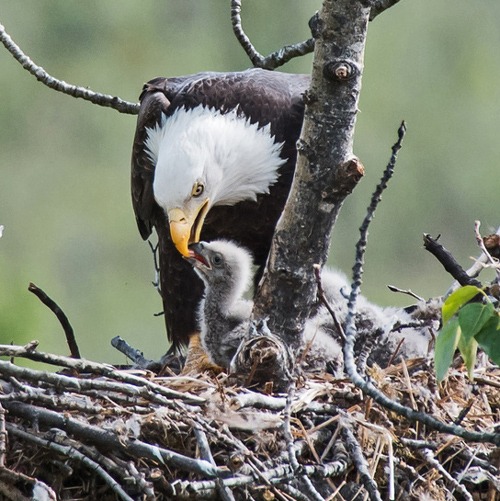
A 2024 U.S. Geological Survey study examined nesting periods for 38 nonwaterfowl grassland-nesting species across four midcontinent regions. Its region-specific findings help time work in grassland habitats.
Can birds nest in fall or winter?
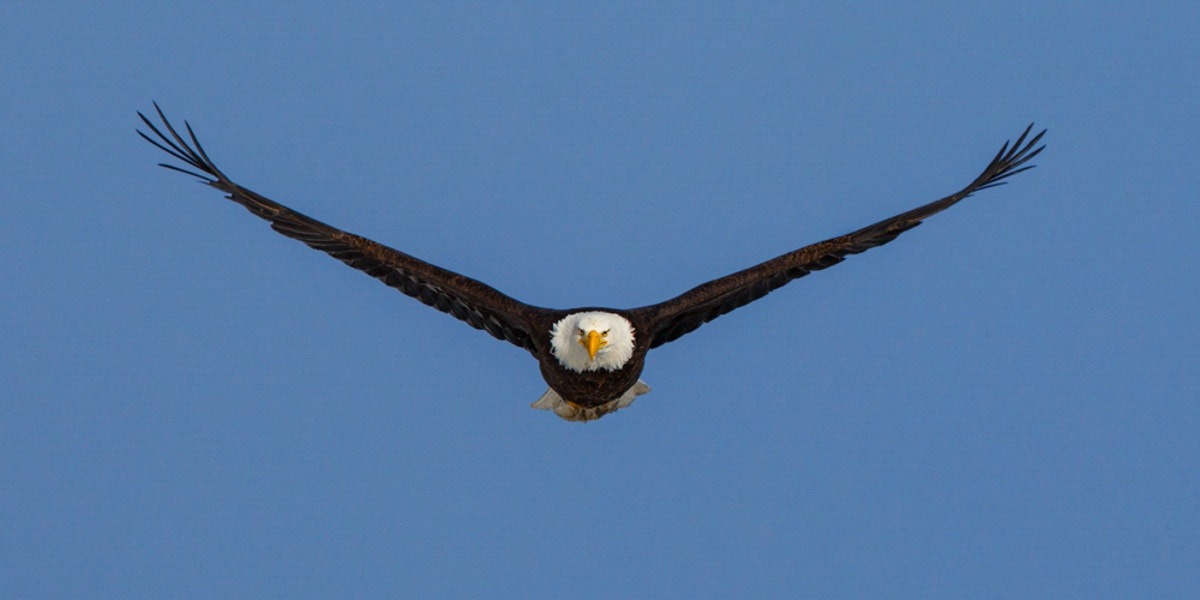
Yes. Some birds start nesting in fall or winter, and others make late attempts after the busiest spring months.
Florida Bald Eagles are a clear example. The Florida Fish and Wildlife Conservation Commission names October 1 as the official start of the state’s Bald Eagle breeding season, and activity can run from September into May. Those dates apply to Florida eagles, whose schedule differs from that of most backyard songbirds.
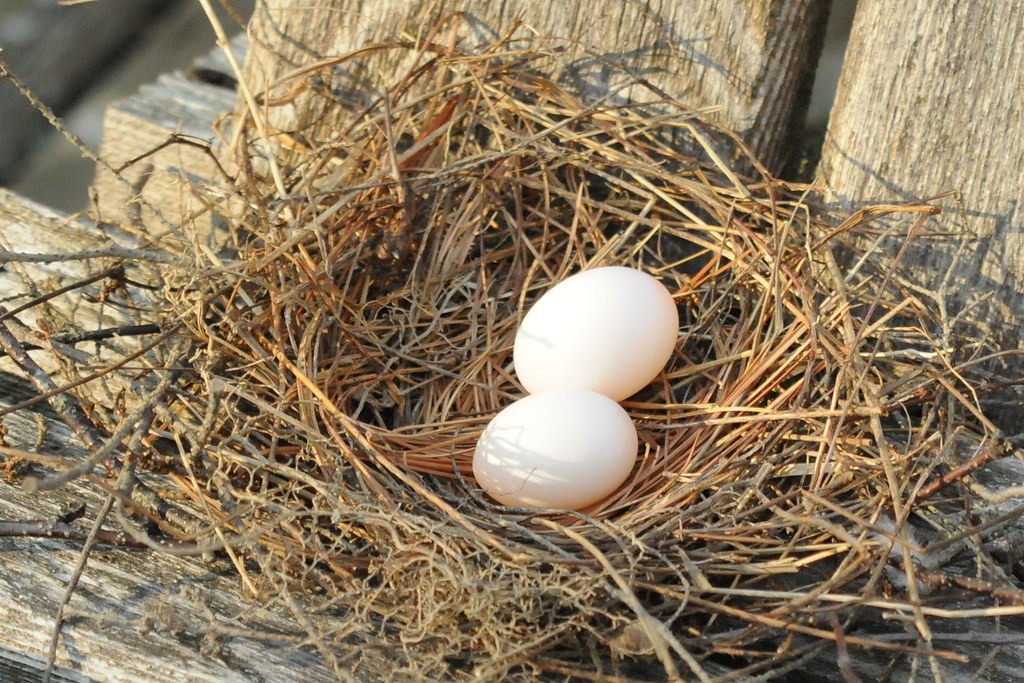
A late nest can also belong to a familiar species. One observer found Mourning Dove eggs beside a window in September and wondered whether the timing was normal:
recently moved into a new space and found a mourning dove nest with two eggs in the window. the male and female have been alternating sitting on the nest as long as i’ve been here (about a week). it feels late in the season for this, but i know very little about this kind of thing. is this normal? do you think the eggs will hatch?
Mourning Doves nest several times a year, so late eggs happen.
In June 2026, Indiana Audubon described another seasonal split: some raptors nest early, while American Goldfinches often wait until later in summer, when seeds become available.
Why do some birds start nesting earlier than others?
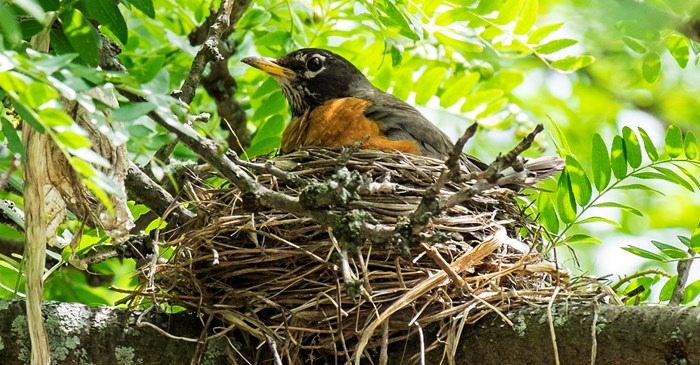
Longer days help bring many birds into breeding condition, and food supply sets when adults can feed young. Residents and migrants start from different places. A year-round resident may already hold familiar territory, while a migrant has to arrive and claim one before it nests.
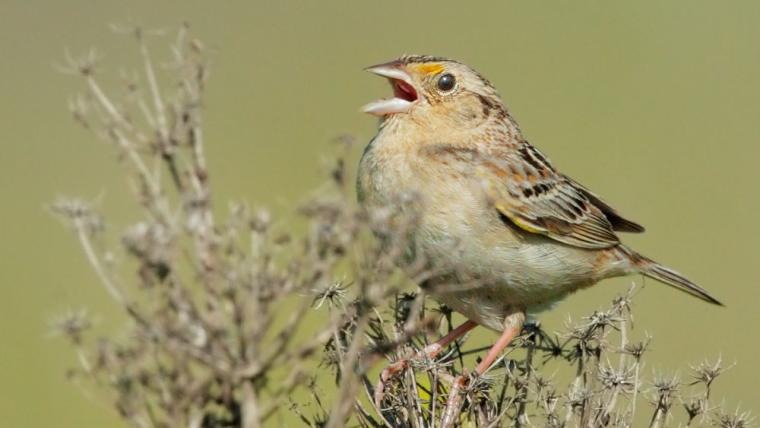
So one backyard bird sings away while another species hasn’t shown up yet. Song marks territory or courtship early in the breeding cycle. Egg laying comes later, once that bird is ready.
Does seeing a bird build a nest mean eggs are already present?
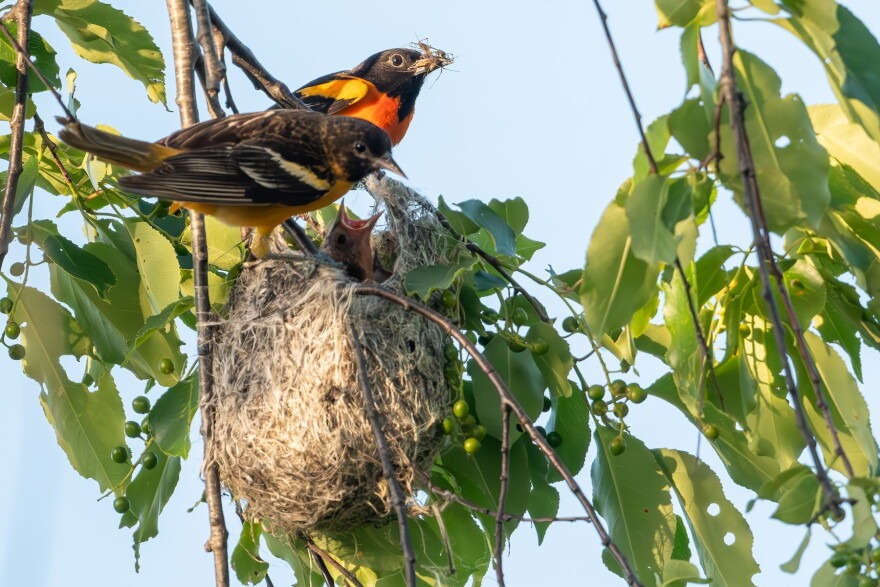
A bird carrying twigs into a hedge is building a nest, and eggs can follow days later. Some species build nests they never use. Cornell NestWatch lists material carrying, repeated visits and food deliveries as clues to what birds are doing around a nesting site.
| What you can see | What it means |
|---|---|
| Twigs or grass carried into cover | The bird is building a nest |
| Repeated territorial singing | Courtship or territory defense |
| Adults revisiting one concealed spot | Nesting activity at that spot |
| Food delivered into a shrub or nest box | Adults are feeding young |
| Eggs or nestlings visible from an existing safe vantage point | An occupied nest |
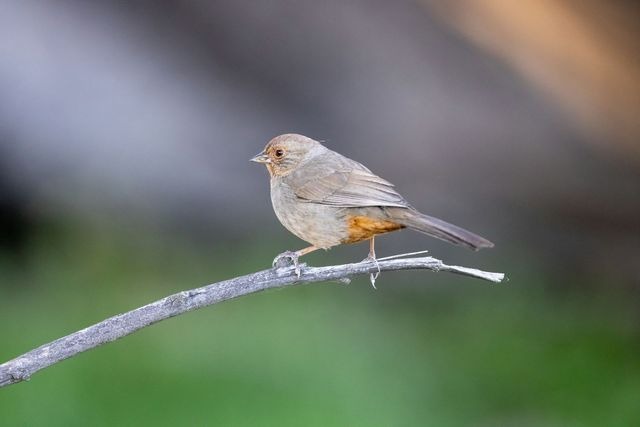
A California Towhee observer describes what happened when a shrub got trimmed mid-construction:
There have been a pair of California Towhees in my yard this year and I’ve grown so attached! Saw one hopping into the shrub by my window with a mouth full of twigs and string about a week ago and I was so excited. Well, my very helpful and well-meaning mother took a tree trimmer to the shrub. She knew about the Towhees but “took a look around” and didn’t see any nest so she went ahead. It was up higher than she looked and she exposed it. No eggs yet, nest doesn’t look finished, but I’m devastated. … Will they be okay? Will they make a new nest somewhere else or is it too late? It was almost done.
Under a U.S. Fish and Wildlife Service memorandum dated January 15, 2025, a nest counts as in use only when it holds viable eggs or nestlings. A nest still under construction counts as inactive.
How long does a nesting attempt last after eggs are laid?
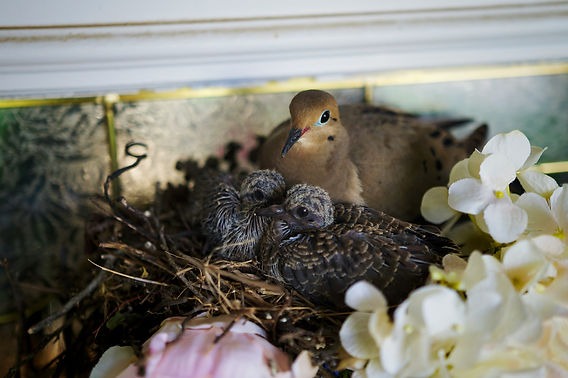
Incubation and nestling time vary by species. Egg laying is followed by incubation, hatching, care of nestlings and fledging, though some birds leave the nest soon after hatching.
Cornell reports about 14 days of incubation for Mourning Doves, followed by 12 to 15 days as nestlings. A dove nest stays occupied for roughly 26 to 29 days.
Many songbirds hatch helpless and depend on adults for warmth and food. Ducks and many shorebirds hatch more developed young that leave the nesting site much sooner.
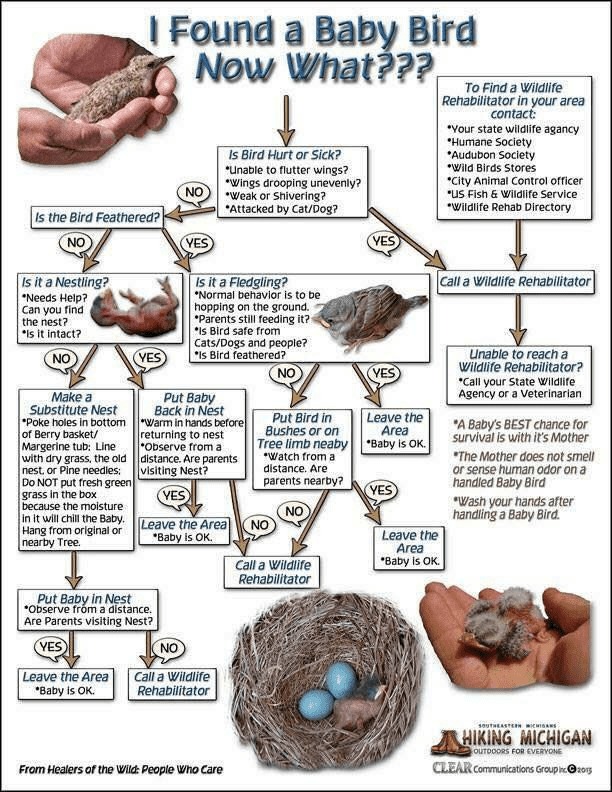
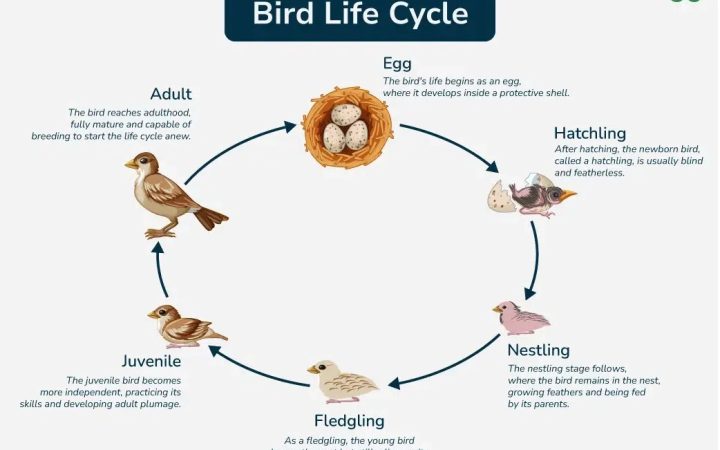
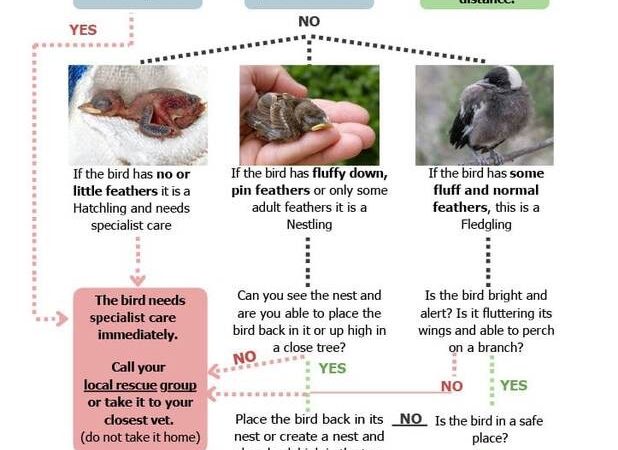
An empty nest means the young fledged or the attempt ended for another reason, and one look won’t tell you which. What you can tell apart is a feathered young bird old enough to leave the nest and a newly hatched chick that still depends on it.
Can birds nest more than once in the same year?
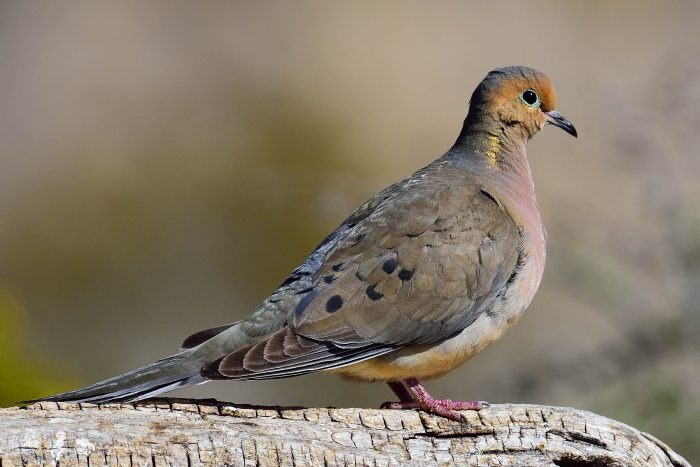
Yes. Cornell lists one to six broods a year for Mourning Doves. A clutch is the set of eggs laid together. A brood is the young produced in one nesting effort.
When should you avoid trimming trees or shrubs around nesting birds?
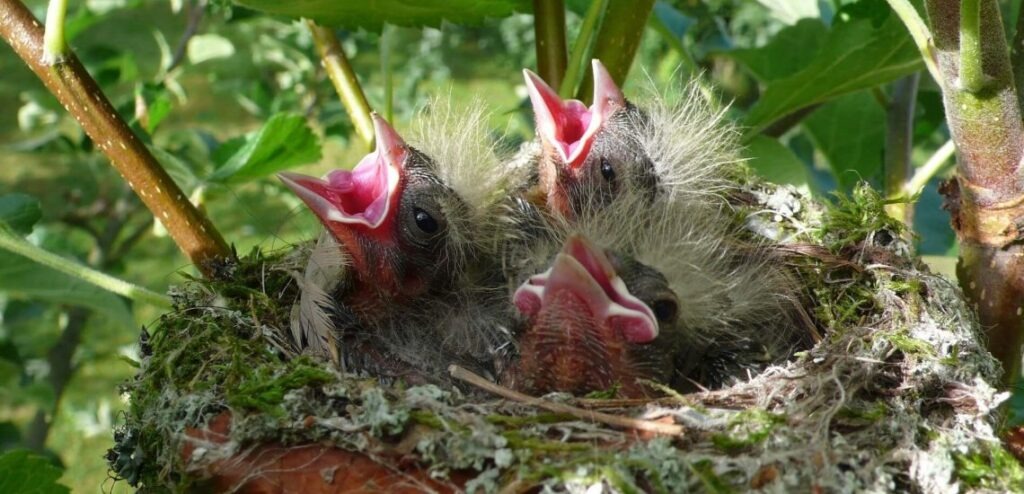
A dense shrub can hide a nest even when the branch in front of you looks clear. Working outside the regional peak helps, but early nesters and second broods fall outside it.
In one r/Ornithology account, a family member cut a branch before noticing the nest attached to it:
My dad was gardening and cut off a branch that had a bird nest without checking first. It wasn’t malicious, and I have now lectured him immensely on not cutting trees during nesting season, but the damage is already done. What do I do?? The tree it was from is now pretty bare, but I don’t know whether putting it in neighboring trees would be too far. Please help I don’t know how to fix this
Under the January 15, 2025 USFWS nest memorandum, destroying an in-use nest requires authorization under the Migratory Bird Treaty Act. Destroying an inactive nest doesn’t, as long as no one keeps the nest or its contents and no protected bird, viable egg or nestling is unlawfully taken. Relocating either kind of nest requires authorization. Eagles, endangered species, and other federal, state, Tribal and local rules can add protections.
When nests, eggs, and fledglings matter, birds nesting on your porch: what to do at each stage offers a more focused next step.
If birds may be using a nest in the work area, delay the cutting. If the work can’t wait, contact the relevant wildlife agency or a qualified licensed specialist, and don’t handle or move the nest or its contents yourself.
How can you check local nesting dates without disturbing birds?
The best local information combines the bird’s identity, your region and behavior you can see without approaching the nest. Cornell NestWatch explains seasonal activity and nesting stages, and its Code of Conduct shows how to reduce disturbance.
For a backyard sighting, follow this short sequence:
- Note the setting. Record the date, region and habitat, and keep nest locations private.
- Identify the bird. Use visible field marks and a species guide. If two species fit, write down both.
- Watch the behavior. From a quiet spot, note material carrying, repeated visits or feeding trips. Don’t open the foliage or force a look at the nest.
- Compare with a species reference. Cornell NestWatch’s Common Nesting Birds directory filters by region, habitat, nest type and substrate. Each species profile has a When To Look section to compare with regional guidance.
An adult repeatedly carrying food into a thick hedge is likely feeding hidden young. Watching quietly tells you the nesting stage without revealing what’s in the nest. Don’t check the nest, handle eggs or flush the adults. Compare nests, eggs, and fledglings against the bird-nesting guide rather than relying on one clue.